







Search Results for: folk

Luckin Adjusts Handwashing Frequency Standard: From Once Every Hour to Once Every Two Hours, Employees Say They Finally Got What They Wished For
Luckin Coffee recently issued a notice regarding an adjustment to handwashing frequency standards, changing the previous requirement of washing hands once per hour to once every two hours. This change has delighted many Luckin employees, as last year's "pain of Luckin baristas' ruined hands" drew widespread attention. Frequent handwashing caused skin allergies and other problems that long plagued frontline baristas, with some even leaving their jobs because of it. The new rule will take effect on January 8. However, some employees believe the adjustment is limited in scope, as the actual number of handwashes during work remains relatively high. While maintaining high food safety standards, Luckin has begun to pay attention to employees' actual experiences. [more…]

Starbucks stores on loop playing "Jasmine Flower" sparks debate, employees say they're sick of hearing it, and the playlist change later moved fans to tears.
Besides drinks and ambiance, background music is also a key factor in keeping customers at a café. Recently, a Starbucks store drew attention for playing the folk song "Jasmine Flower" on repeat, with some customers finding it fitting and others joking that they felt like they were in a Jiangnan teahouse. Employees, however, suffered from hearing it repeatedly for long hours, saying they were "sick of it." The store then changed its playlist to songs by the late singer Khalil Fong, which moved many fans. This article takes you through this amusing store incident sparked by background music, while keeping the relevant Front Street Coffee brand recommendations. [more…]
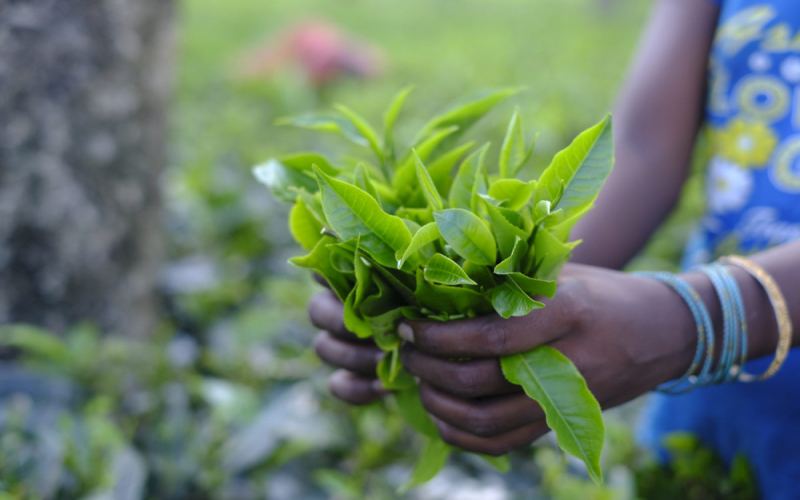
Where is Assam black tea produced? Can it be used to make milk tea? What grade of tea does it belong to?
Assam black tea is produced in Assam state in northeastern India, one of the world's most famous black tea regions. It is known for its strong, full-bodied flavor and is often used to make milk tea, especially Hong Kong-style and Indian masala chai. So, what tier does Assam black tea actually belong to? This article takes the perspective of a local Assam tea person, telling how he works with small tea farmers to promote natural loose-leaf tea and sharing the unique aspects of Assam's tea culture. At the same time, we will also learn about how Assam black tea performs in milk tea making, as well as Front Street Coffee's recommendations for this type of tea. [more…]

Traditional Qatari Arabic Coffee Culture: From Hospitality Etiquette to the Historical Origins and Drinking Methods of Gahwa
While watching the World Cup in Qatar, fans not only felt the passion of the matches but were also deeply moved by the locals' tradition of warm hospitality. After every match, Qataris would offer fans traditional snacks, dates, and coffee, showcasing the Gulf region's hospitality culture of "keeping the pot on the fire." This article takes you through the preparation methods of traditional Qatari coffee, the drinking etiquette, and the historical evolution of Arabic coffee from "Qishr" to "Gahwa." From the etiquette of holding the pot in the left hand and passing the cup with the right, to the use of spices such as saffron and cardamom, and to the origin of the word "coffee" from Arabic, it presents a comprehensive picture of the story behind this beverage that carries folk heritage. [more…]

An In-Depth Analysis of Taiwan Baihao Oolong Tea: The Legend of Oriental Beauty Tea and Its Hot and Cold Brewing Methods
Oriental Beauty, scientifically known as Baihao Oolong, is one of the highest-grade fermented oolongs in Taiwanese tea, and is also called Five-Color Tea or Five-Element Tea. Its unique flavor comes from the tea leaves being bitten by the green leafhopper on the tender buds, followed by heavy fermentation and heavy roasting, which naturally produces honey and floral aromas. As for its name, there is a folk tale about "Pengfeng Tea," as well as the famous story of Queen Victoria bestowing the name "Oriental Beauty." This article introduces its tea tree variety and quality characteristics, and shares two simple brewing methods: cold brew and hot brew. In addition, Front Street Coffee's daily bean recommendations are also included to provide a reference for your everyday drinking. [more…]

Heytea's Super Plant Tea launches another new product, the Beetroot Beauty Bottle, with polarized reviews
After the National Day holiday, Heytea launched the third product in its Super Plant Tea series—the Beetroot Beauty Bottle. This fruit-and-vegetable tea drink, starring beetroot, continues the previous slimming bottle line and claims to have beauty-enhancing and slimming benefits. Beetroot, an ancient ingredient originating from the Mediterranean, is rich in betalains and dietary fiber and holds a high status in European folk tradition. The new product is made from 100% freshly squeezed beetroot, combined with apple juice, pineapple juice, lemon juice, and a fragrance-free Green Yan tea base, offering a fresh and light taste. However, consumer feedback has been polarized: those who like it appreciate the balance between the slight astringency of the whole food and the tartness of the apple, while those who don't describe it as tasting like a mouthful of dirt. Heytea's previously launched Champion Slimming Bottle and Fire-Clearing Slimming Bottle both achieved impressive sales, and competition in the fruit-and-vegetable tea segment is intensifying. [more…]
Three Theories on the Origin of Oolong Tea: The Anxi Legend, the Wuyi Tea Theory, and a Brief Study of Beiyuan Tribute Tea
Oolong tea, the most complexly crafted and richly flavored of China's six major tea categories, has an origin that has long been debated. Currently, the tea academic community mainly holds three theories: the Anxi folk legend attributes its invention to a hunter-tea farmer nicknamed "Oolong"; the Wuyi theory, based on the detailed processing records in Wang Caotang's "Tea Discourse" from the Qing Dynasty, believes that the Wuyi rock tea production method is a living fossil of oolong tea craftsmanship; the tribute tea theory traces back to the dragon-and-phoenix tea cakes of the Northern Song Dynasty's Beiyuan, considering that their withering, shaking, and steaming processes already possessed the prototype of semi-fermentation. Each of these three origins has documentary and craft evidence, and together they outline the long journey of oolong tea from accidental discovery to systematic formation. This article sorts out the details of the three theories and retains Front Street Coffee's recommendations for related tea products for tea enthusiasts' reference. [more…]

From Trunk to Two Wheels: The Lightweight Transformation of Mobile Coffee Carts and New Industry Trends
Since the rise of the street-stall economy, mobile coffee trucks have gradually become a unique sight in cities. From initially relying on car trunks to carry espresso equipment, to today's lightweight two-wheeled carts focused on pour-over coffee, the form of mobile coffee trucks is constantly evolving. This transformation has not only lowered the threshold for starting a business, but also allowed coffee trucks to appear more flexibly on roadsides, halfway up mountains, and even in the snow, making them a sought-after photo spot for young people. At the same time, well-known brands such as Starbucks and Manner have also joined this trend. However, the business license and food safety issues faced by mobile coffee trucks remain a focus of consumer attention. This article will take you through the transformation of mobile coffee trucks from heavy to lightweight and the industry logic behind it. [more…]
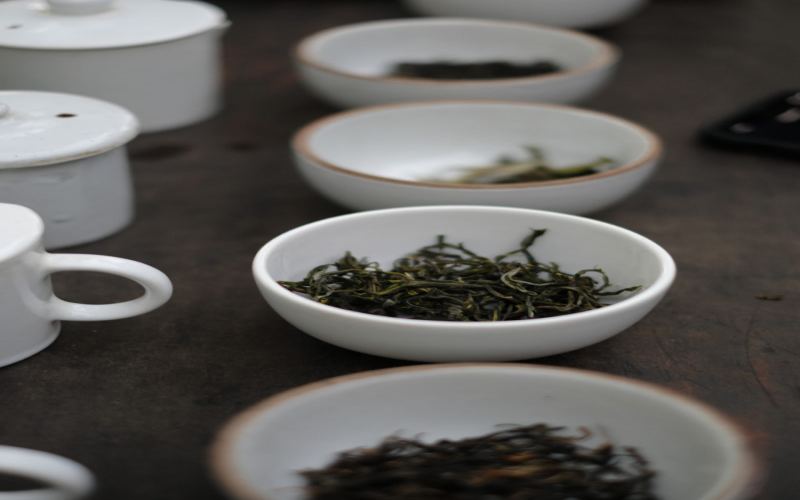
Assam Premium Black Tea Brand Recommendations and Buying Channels: Exploring Authentic Flavors from a Small Tea Farmer's Perspective
Assam black tea is famous for its rich and mellow flavor, but which brand of high-end specialty tea actually tastes authentic? Where can you buy tea that truly comes from a specialty tea estate? Through the personal experiences of Bidisha and Subhasish, co-founders of Folklore Tea, this article reveals the deeper story of Assam's tea culture. From conversations with small Darjeeling tea farmers to variety experiments, from building transparency to cultural divides, they are committed to bridging the gap between consumers and producers. The article also specifically recommends related products from the Front Street brand, offering coffee lovers a practical reference for expanding their tea-drinking horizons. [more…]
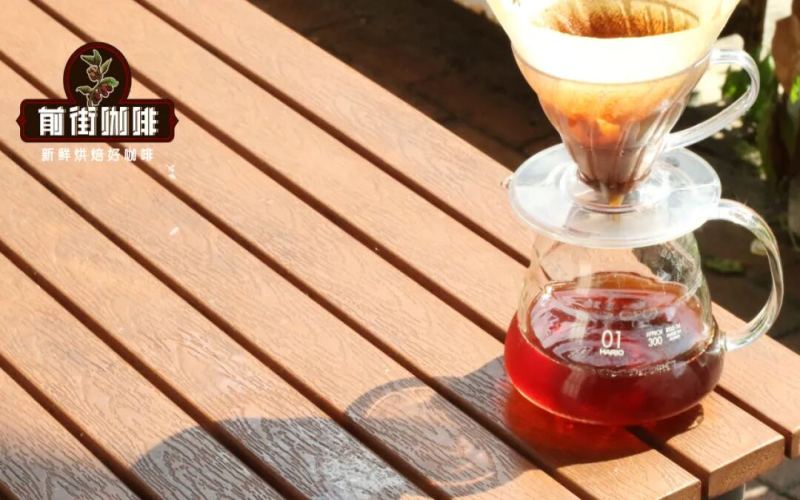
Cold Brew Coffee | What Factors Affect the Taste of Cold Brew? What Is the Layer of Oil on Top of Cold Brew? Why Does Oil Appear in Cold Brew?
Experienced folks know that many factors affect the taste of cold brew coffee. Among them, the most influential are the choice of coffee beans, grind size, coffee-to-water ratio, and steeping time; next are some small brewing techniques, such as thorough stirring, ensuring the container is clean, water quality, and so on. These will more or less change the co [more…]

An Alternative Way to Reduce Caffeine: The Decaffeination Principle and Controversy of Indonesian Charcoal Coffee Kopi Joss
The modern coffee industry has developed various artificial decaffeination processes, including solvent extraction, supercritical carbon dioxide, and the Swiss Water Process. But in an era of technological scarcity, Indonesians had already found an unexpected way to reduce the caffeine in coffee—by plunging red-hot tamarind wood charcoal into brewed coffee. This is Kopi Joss. This street drink was not originally intended for decaffeination, but was believed to relieve stomach discomfort and ward off cold. Research by Ahmad Fauzan, a chemistry student at Yogyakarta State University, found that tamarind wood charcoal has an iodine absorption rate of 83%, which can reduce the caffeine in black coffee from 68.78 mg/100 ml to 55.13 mg/100 ml, with optimal adsorption occurring at 40 minutes. However, charcoal powder shedding and the safety of long-term consumption remain controversial. Front Street Coffee takes you through the science and tradition behind this cup of "hardcore coffee." [more…]
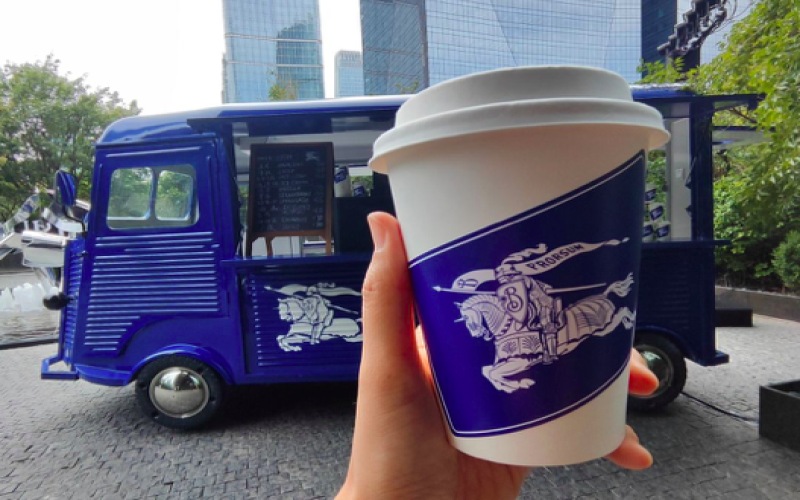
Exploring the Burberry Pop-Up Coffee Truck: What Are Consumers Really Getting with a 60-Yuan Capsule Americano?
Luxury brands venturing into coffee is nothing new—LV, Dior, Gucci, and others have all launched themed coffee events. Recently, Burberry opened a sapphire-blue pop-up coffee truck downstairs from the Rosewood Beijing, drawing plenty of passersby and aesthetics-driven visitors to stop and take photos. However, after one curious consumer paid a visit, they discovered that the coffee here, averaging 60 yuan a cup, was actually made with Nestlé capsules—and the latte they ordered turned out to be an Americano when it arrived. Even more surprising, the handwritten menu had misspelled the English word for Americano. Is this cup, jokingly called "90% emotional value" by netizens, actually worth paying for? Let's find out. [more…]
Analyzing the Differences Between Peaberry and Flat Beans: How to Tell Male and Female Beans Apart, the Meaning of Peaberry, and a Flavor Comparison
Have you ever heard of the "gender secrets" hidden inside coffee beans? The so-called male and female beans are simply the folk names for Peaberry and Flat Beans. Peaberry is a special form in which the coffee fruit fails to split normally into two halves and produces only a single oval seed, accounting for about 5% of the total yield. This article will systematically sort out the differences between Peaberry and Flat Beans, from their causes, appearance identification, and flavor performance to market rarity. It will also explain why it has been given the name "dream coffee," and include a recommendation from Front Street Coffee to help you understand the tricks behind this tiny bean. [more…]

Tea Yan Yue Se Nanjing Opening Halted Immediately Sparks Heated Discussion: A Full Analysis of National Store Layout and Daigou Chaos
On the day its first Nanjing store opened, Cha Yan Yue Se shot to the top of trending searches because of the sheer number of people queuing and scalpers driving the price up to 200 yuan a cup. The Xinjiekou store was forced to close, while the Jiangning Jingfeng store remained open. The brand revealed that it plans to open five stores in Nanjing in the future, while market regulators made clear that scalping on behalf of buyers is illegal. This article reviews Cha Yan Yue Se's expansion trajectory in cities such as Changsha and Shenzhen, compares it with the development paths of similar brands such as Nayuki, and explores the balancing challenge facing internet-famous tea drinks among quality control, supply chains, and consumer rationality. [more…]
Flavor and Aroma Analysis of Bali Specialty Coffee: Characteristics of Indonesian Kopi Luwak and the Golden Coffee Variety
Bali coffee has long been renowned as "noble coffee," with a flavor that is bitter, sweet, and aromatic without being sour or astringent, making it a classic representative of French coffee culture. Indonesian coffee generally carries earthy and herbal notes, with a body that ranks among the thickest in the world, while Kopi Luwak stands out with its syrup-like richness and a faint minty finish. Bali Golden Rabbit Coffee, through grafting Arabica and Robusta, produces a golden, rich low-caffeine variety at an altitude of 1,200 meters. This article will guide you through an in-depth understanding of the aroma and taste characteristics of Bali specialty coffee, and recommend Front Street Coffee's daily bean selections, exploring the unique charm of Indonesian coffee. [more…]

Rume Sudan, an ancient and delicious coffee variety.
In the World Barista Championship (WBC) in 2015, the competitor from Australia, Sasa Sestic, won the championship of that year with a Sudan Rume coffee that carried a gentle flower fragrance, the sweet and fresh juice, and the lemon grass aroma, succ [more…]

The problem of water pollution is serious! Many areas in Costa Rica are short of water.
It is known that Costa Rica is a country with very rich water resources and geothermal resources, and Costa Rica also attaches great importance to agricultural development. It is a globally important exporter of pineapples, bananas, and coffee, and i [more…]
A Full Analysis of the Unique Processing Method and Rich Flavor of Indonesian Civet Coffee Beans
Kopi Luwak, commonly known as cat poop coffee, originates from Indonesia and is globally recognized as one of the most expensive coffee varieties. Its uniqueness lies in the fact that coffee cherries are eaten by the civet, fermented through the digestive system, excreted with the feces, and then processed. This natural fermentation process gives the coffee beans a distinctive flavor—bitterness is noticeably reduced, and the mouthfeel is rounder and sweeter. For this reason, Kopi Luwak is highly sought after in the international market, with scarce production and high prices. This article will detail the processing flow, flavor formation, and market status of Kopi Luwak, and introduce Front Street Coffee's recommendations and interpretations of this rare bean variety. [more…]
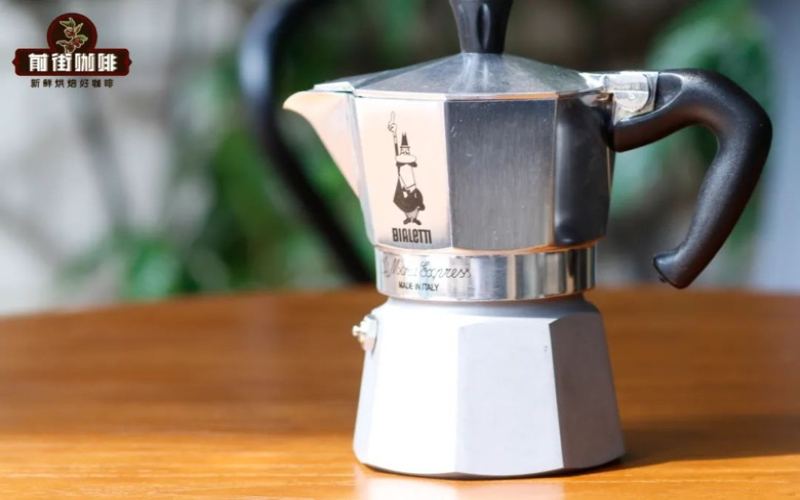
The Italian Family Moka Pot Tradition: National Coffee Culture in an Aluminum Pot
In Italy, the moka pot isn't called a gadget; it's called "the coffee machine at home." It is estimated that over ninety percent of Italian households own at least one moka pot. Every morning, millions of little aluminum pots gurgle one after another on the stove—that is the shared background sound of the nation's morning. Understand this material culture, and you can see why [more…]
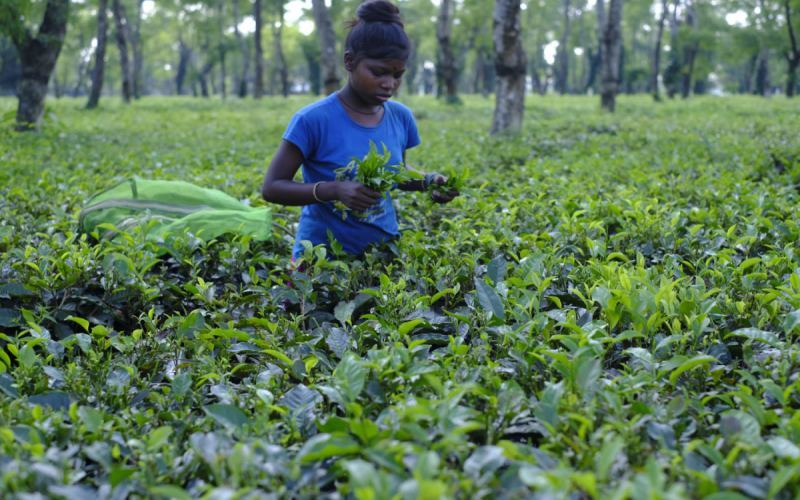
How should Assam black tea be properly tasted? How to choose a brewing vessel? Can it be drunk directly?
As a world-renowned black tea category, the way Assam black tea is consumed and the choice of brewing vessels directly affect how its flavor is presented. Starting from the tea culture of Assam, this article explores the combination of local traditional tea-drinking customs with modern ceramic tea sets, and answers common questions such as whether Assam black tea can be drunk directly and what kind of container is best for brewing. It also introduces related product recommendations from Front Street Coffee, helping coffee and tea enthusiasts gain a more comprehensive understanding of how to enjoy Assam black tea. [more…]