







Search Results for: calcium and magnesium ions
The Science of Water for Coffee Brewing: The Optimal Balance of Calcium and Magnesium Ions, Carbonate Hardness, and Extraction Flavor
Water accounts for over 98% of brewed coffee, yet it has long been overlooked. Different types of water—RO water, tap water, mineral water, soft water, hard water—have a huge impact on extraction flavor. In 2014, Christopher Hendon and Maxwell Colonna-Dashwood published research revealing how sodium, calcium, and magnesium ions influence the extraction efficiency of flavor compounds, and subsequently published the book "Water for Coffee," which systematically discusses the dynamic balance between GH (total hardness) and KH (carbonate hardness), and proposes the reverse thinking of "Roasting to water." This article will sort out these key findings to help coffee lovers understand how water quality shapes the flavor in the cup, and will retain relevant recommendations for the Front Street brand. [more…]

Is Lower TDS Water Always Better for Brewing Coffee? An In-Depth Look at ppm Standards and Mineral Water Choices
Many coffee enthusiasts, after purchasing equipment and beans, often overlook the critical impact of water quality on flavor. Tap water, filtered water, or purified water—different TDS levels will directly change the extraction results. From the perspective of Front Street, this article explains how calcium and magnesium ions influence the taste, why tap water tends to produce astringency, and why purified water leads to a hollow sensation. It also cites the SCAA standard of 75-250ppm along with practical recommendations, advocating the use of filtered or bottled water, and specifically mentions Nongfu Spring as a reference choice for daily brewing. [more…]

Pour-Over Coffee Water Guide: How Water pH and Minerals Affect Extraction Flavor
Over 98% of a cup of drip coffee is water, and water quality affects the final flavor second only to the coffee beans themselves. From the perspective of Front Street, this article systematically sorts out the pH range of brewing water, the roles of calcium and magnesium ions and bicarbonate, and verifies through comparative experiments the flavor differences when using purified water, mountain spring water, and mineral water to extract the same beans. It also answers whether tap water is suitable for brewing coffee and provides practical reference for choosing water in daily life, helping coffee lovers find a more stable brewing water solution. [more…]
Pour-Over Coffee Water Guide: TDS Standards, Hardness, pH, and Key Points for Choosing Mineral Water or Purified Water
When brewing pour-over coffee, water quality is one of the key variables that determines flavor expression. This article focuses on the two core indicators of water: hardness and pH, explaining the TDS range recommended by the SCAA as well as the water quality range that more easily yields good taste in actual brewing, and explaining the effects of calcium and magnesium ions on coffee acidity, sweetness, and aroma. The article will also analyze one by one whether tap water, filtered water, purified water, and mineral water are suitable for brewing coffee, reminding readers to pay attention to the TDS and mineral content on labels, and to avoid judging water quality based on price alone. Finally, it offers practical advice on water for daily brewing to help coffee enthusiasts reproduce coffee flavors more consistently. [more…]
Which type of bottled water is more suitable for brewing coffee? A practical comparison and selection approach for mineral water vs. mountain spring water
Water is the largest component of black coffee and directly participates in and influences the extraction process, so differences in water quality often bring about completely different flavor expressions. There are many types of bottled water on the market, with prices ranging widely from high to low, and whether more expensive water is more suitable for brewing coffee has become a question for many brewing enthusiasts. This article uses two types of bottled water with明显 price differences as test subjects, and adds Nongfu Spring, commonly used in stores, as a control, conducting blind tasting comparisons with two coffees, Yirgacheffe Red Cherry and Diamond Mountain. At the same time, from the perspectives of acidity and alkalinity, softness and hardness, TDS, and calcium and magnesium ions, it explains the principles by which water quality affects extraction, helping coffee enthusiasts understand how to choose more suitable water for brewing coffee. [more…]
How Does Water Quality Shape Cold Brew Flavor? Coffee Brewing Recommendations After Testing Four Types of Drinking Water
In a cup of black coffee, water makes up the vast majority, so its impact on flavor must not be underestimated. Different brands of drinking water vary in mineral composition, hardness, and pH, so the coffee brewed with them naturally takes on different characteristics. To investigate this variable, Front Street Coffee selected four common drinking waters—Baisui Mountain, Nongfu Spring, Ganten, and C'estbon—and used the same Costa Rica Mozart coffee beans to make cold brew, measuring TDS, coffee liquid concentration, and recording flavor performance one by one. The experiment found that the amount of calcium and magnesium ions in water affects extraction efficiency and taste direction, while Nongfu Spring with medium TDS and C'estbon purified water each showed distinct stylistic differences. This article will present the full experimental process and tasting results, and offer water selection suggestions for different taste preferences. [more…]
Pour-Over Coffee Water Guide: Brewing Results with Nongfu Spring and Water TDS Analysis
When brewing a pour-over coffee, water accounts for up to 98.7%, making its importance no less than that of the coffee beans and grinder. In this article, Front Street Coffee analyzes how water quality affects flavor, the mechanism by which calcium and magnesium ions in water act, and the recommended TDS range. It also uses examples to explain how, when coffee develops off-flavors or negative mouthfeel, you can troubleshoot the problem by switching water sources such as Nongfu Spring, helping enthusiasts on a limited budget spend their money where it matters most. [more…]
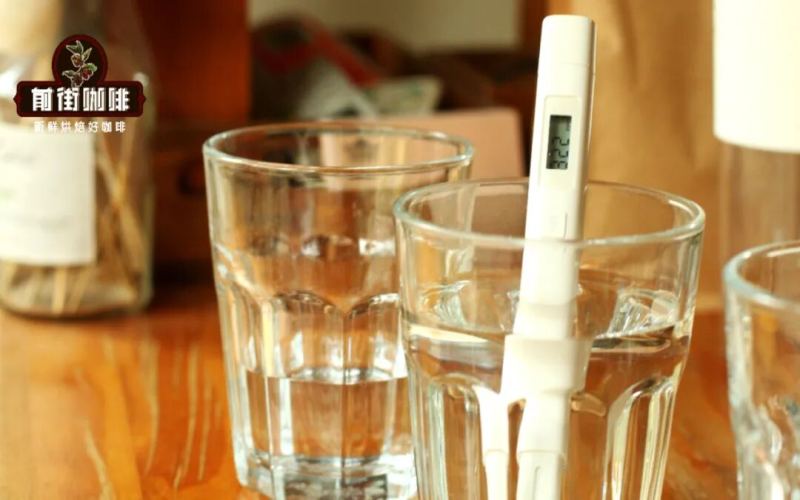
Drinking Water Quality | What Kind of Water Is Suitable for Pour-Over Coffee? Which Water Factors Affect Coffee Extraction? How Can Coffee Beginners Choose Drinking Water for Brewing Coffee?
As the primary raw material, water not only makes up the vast majority of a cup of black coffee, but also influences the extraction of different substances, thereby producing distinct flavors and mouthfeel. Therefore, all of us should understand the importance of water to coffee. Common drinking water on the market varies from brand to brand, in the ingredients it contains, and in its purification processes. [more…]
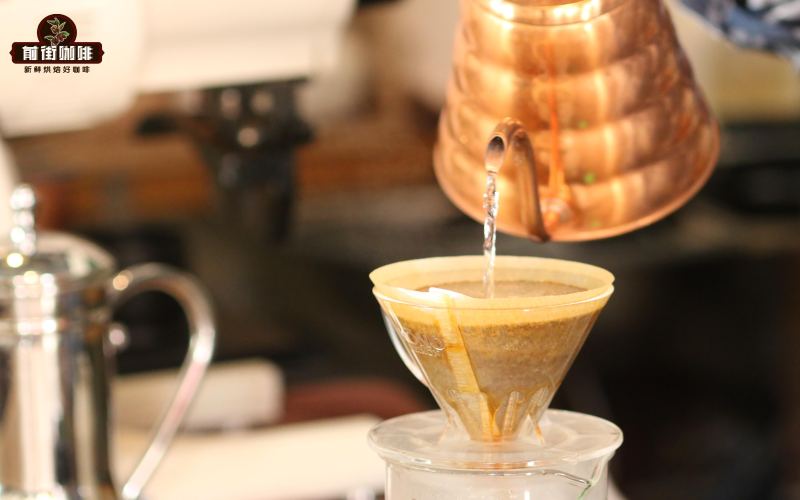
Pour-Over Coffee Water Quality
To brew a delicious cup of coffee, you need not only good beans but also good water. In brewed coffee, water accounts for over 98% of the final cup. Therefore, choosing the right water for brewing is also crucial. So what kind of water is actually suitable for brewing coffee? First, Front Street Coffee will explain the requirements for water suitable for brewing coffee. One [more…]
How to choose water for brewing coffee? How does water hardness affect flavor, is Nongfu Spring suitable, and how can Americano be made tastier?
In a cup of black coffee, water accounts for over ninety percent, and whether it participates in extraction or is used for dilution, water quality directly influences the coffee's final flavor and mouthfeel. So, what kind of water is most suitable for brewing coffee? Can Nongfu Spring do the job? This article, from Front Street Coffee's perspective, first discusses the role of calcium, magnesium, and other ions in water in dissolving flavor, then combines the hardness standards of the World Health Organization and the SCA to explain the pros and cons of soft water, hard water, and purified water, and finally extends to the making of Americano to see what role water plays in the dilution stage. After reading, you will have a clear and practical judgment about what water to use for brewing coffee. [more…]
What Water Should You Choose for Brewing Coffee? Why Purified Water Is Not Recommended for Coffee Machine Extraction
Regarding what water to use for brewing coffee, there has long been a popular saying: "Don't use purified water." Does this claim actually hold up? Water quality really does influence how coffee flavors express themselves, and purified water is called into question mainly for two reasons: first, its extraction efficiency is on the low side, because the water lacks calcium and magnesium ions to help dissolve flavor compounds; second, purified water has poor conductivity, which can cause the boiler probe in a coffee machine to malfunction, leading to abnormal refilling or even breakdowns. Through comparative experiments, Front Street found that coffee brewed with purified water versus mineral water shows only slight differences in concentration and extraction yield—hard for an ordinary person to notice. What is truly unsuitable for brewing coffee is hard water with a TDS above 175 ppm. This article will analyze these points one by one and offer water-quality recommendations for everyday brewing. [more…]
How Coffee Grind Size Affects Flavor in Pour-Over and a Guide to Common Home Brewing Problems and Adjustment Techniques
The same bag of coffee beans, brewed at home, always tastes worse than in the shop—this is a confusion almost every pour-over enthusiast encounters. The root of the problem often lies not in the beans themselves, but in several variables during extraction—whether the grind size is appropriate, whether the coffee bed is evenly distributed, whether the parameters and technique match, and even water quality, an easily overlooked factor, can all significantly affect the final flavor. Starting from Front Street's practical experience, this article breaks down one by one the mechanism by which grind size affects taste, the brewing framework beginners should master first, and how to judge where the problem lies by observing the coffee bed and the flow rate, helping you find that cup of good coffee that belongs to your own home. [more…]

A Barista's Daily Record: Those Moments with Customers That Leave the Person Behind the Counter Not Knowing Whether to Laugh or Cry
Having been immersed in the coffee industry for many years, the author is both a barista behind the counter and an observer on social media. Over these years, consumers have gone from knowing nothing about coffee to becoming increasingly particular, and the industry has indeed made progress. However, dealing with all kinds of customers every day, one always encounters some both amusing and exasperating moves—from "an Americano with milk" to bringing one's own water quality testing pen, from cupping spoons to TDS concentration meters. These moments not only test a barista's professional competence but also reflect the various misunderstandings in the process of coffee culture becoming widespread. This article records seven real-life scenarios with escalating shock levels, and after each story provides professional analysis and suggested responses. Whether you are a practitioner or an enthusiast, you can see both the absurdity and the reality of the coffee world in them. [more…]
A Complete Guide to Common Home Pour-Over Coffee Problems: Fixes for Stalling, Sudden Flow Changes, Off-Flavors, and Burnt Bitterness
Brewing coffee at home—when neither the equipment nor the beans are lacking, yet accidents still happen all too often: the final drawdown pools and drips endlessly, the flow rate suddenly speeds up at the same grind setting, sometimes it tastes great and sometimes it's rife with off-flavors, and the aftertaste carries a smoky, bitter char... Where exactly do these problems originate? Drawing on Front Street's hands-on experience, this article breaks down one by one the five most common extraction pitfalls in home brewing—from fine-particle clogging, the characteristics of anaerobic beans, and the effects of water quality to pouring technique and dark-roast parameter settings—to help you pinpoint the root cause and bring every pour-over cup closer to the ideal flavor. [more…]

Can Pour-Over Coffee Be Extracted with Milk? A Full Analysis of Latte Milk Temperature and Pour-Over Milk Ratios
Pour-over coffee is loved for its clean and bright flavors, but after drinking too much black coffee, it's only natural to want a change of pace and enjoy a rich, creamy milk coffee. So some friends had a wild idea: can you just use milk instead of water to brew pour-over? Front Street's conclusion is—simple brewing works, but to get a delicious cup of milk coffee, you must solve three key problems. First is temperature: milk above 70°C breaks down proteins and lactose, leading to worse texture and less sweetness, while the high water temperature needed for pour-over far exceeds this limit. Second, the rich substances in milk interfere with extraction, affecting the release of coffee flavors. Finally, there's the technique of ratio and blending. This article will analyze these problems one by one and offer practical advice on latte milk temperature and adding milk to pour-over, helping you find the milk coffee solution that suits you best. [more…]
Why Does the Same Bean Taste Different? A Detailed Look at the Three Key Factors in Pour-Over Coffee: Grind, Water Temperature, and Water
Many people share this confusion: the beans are the same, the brewing method is identical, yet the coffee made at home always tastes different from what's served in a café. This suggests the problem most likely lies in the extraction stage. Drawing on long-term experience interacting with customers, Front Street Coffee has identified three of the most common sources of deviation—grind, water temperature, and brewing water. This article will break down each of these three factors one by one: how to judge whether the grind is appropriate by looking at the state of the coffee bed and the brewing time, what water temperature range suits different roast levels, and what effect the minerals in water actually have on extraction. If you too are bothered by that cup of coffee at home that always seems to fall just short, feel free to follow along with this article and troubleshoot, to see exactly which step the problem is stuck at. [more…]
Four Major Causes of Low Flavor Clarity in Pour-Over Coffee and Corresponding Adjustment Strategies
Brewing a pour-over coffee that smells of floral and fruity notes, yet tastes muddled and indistinct in the mouth, with no specific flavors you can name—this is a situation many coffee enthusiasts have encountered. The problem may not be that your technique isn't skilled enough; it could be that something has gone off in the concentration, agitation, bean resting, or water quality. This article will analyze one by one the four common reasons why coffee flavors become unclear: excessive concentration making it hard for the taste buds to distinguish details, overly strong pouring and agitation bringing out off-flavors, beans not rested well leading to unstable extraction, and using purified water for brewing resulting in a hollow mouthfeel. Each reason comes with specific ways to diagnose it and adjustment suggestions, including fine-tuning the coffee-to-water ratio, slowing down the circular pouring motion, and choosing water quality suitable for brewing coffee, to help you find the problem and make the coffee's flavor description clear and distinguishable. [more…]
The Espresso-to-Water Ratio and Water Temperature and Quality Selection for Americano, and How to Choose Coffee Beans for Italian-Style Black Coffee
Americano is made by combining espresso with water, with water making up the vast majority of the drink, so the quality, amount, and temperature of the water all profoundly affect the final flavor. Drawing on Front Street's practical experience, this article explains in detail how water hardness affects the taste when making an Americano, the recommended ratio of espresso to water, and the suitable water temperature range for hot Americanos in different drinking scenarios. It also discusses how medium-to-dark roast espresso blend beans perform when used to make black coffee, helping coffee lovers achieve a fuller, clearer-flavored Americano in their daily brewing. [more…]

Coffee Brewing Water Blending, Paragon Ice Ball, and Tasting Cup Stacking Effect Test: Front Street Coffee Huakui Blind Test Comparison
When brewing coffee, water quality, cooling methods, and tasting cup types are often treated as independent variables, but can combining all three lead to more significant sensory improvements? Front Street Coffee designed a controlled experiment using Huakui beans as samples: one group used regular mountain spring water, no ice ball, and a standard espresso cup, while the other used a custom water concentrate, a Paragon ice ball, and an aromatic tasting cup, with completely identical brewing parameters. Through concentration measurements and blind tasting, the actual contributions of these tools at different stages were verified. This article documents in detail the TDS control of the custom water concentrate, the cooling mechanism of the Paragon ice ball, and the aroma-concentrating effect of the tasting cup, and invited colleagues and customers to participate in a blind selection. The final results were highly consistent, providing coffee enthusiasts with a reproducible reference for combined techniques. [more…]
An Analysis of the Reasons Why Pour-Over Coffee Tastes Weak and Sour, and a Practical Guide to Parameter Adjustment
Many pour-over enthusiasts try repeatedly at home but still can't brew the flavors described on the coffee packaging, and even find the result sour and flat. Front Street Coffee has compiled the common confusions people face, analyzing everything from the coffee beans' peak flavor period, brewing water, to grind size and pouring technique, to help you pinpoint the problem. The article not only explains the difference between flavor and taste, but also gives specific recommendations on parameters such as dose, water temperature, ratio, and time, so that even beginners can quickly establish a brewing method with a high tolerance for error. If you want your pour-over coffee to truly reveal rich aromas and layers, it's worth adjusting these key points. [more…]