







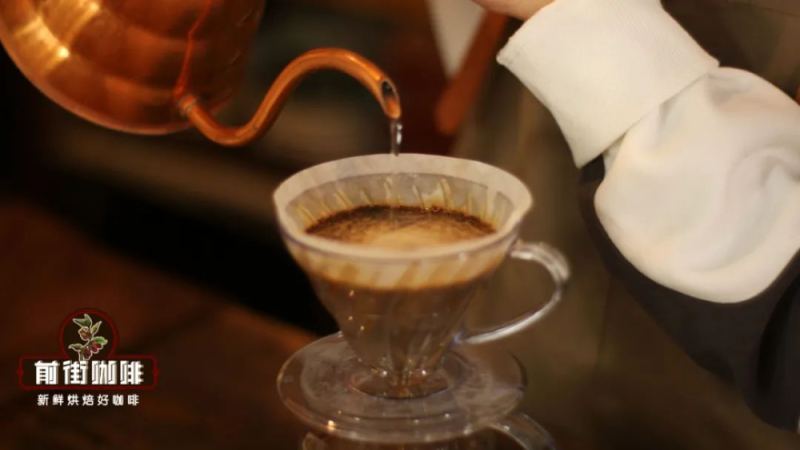
What Causes Coffee Extraction Problems in Pour-Over Brewing?
When the same beans and the same pour-over method give a different cup at home than in a café, the cause usually sits in the extraction stage. Three factors account for most of the gap: grind size, water temperature and the brewing water itself. Each one can shift how much flavor is pulled from the grounds and how the finished cup tastes.
Grind is usually the first suspect. With a fixed recipe of 15 grams of coffee, a 1:15 ratio, a V60 dripper and three-stage pouring, a total brew time near two minutes works as a reference; running more than 15 seconds over that signals the grind needs correction. Water temperature should also match the roast level, and the minerals in brewing water affect extraction alongside processing coffee beans.
Many people share this confusion: with the same beans and the same brewing method, the coffee they make at home always tastes different from what they get in a café. This suggests the problem most likely lies in the extraction stage. Drawing on long-term experience communicating with customers, Front Street Coffee has identified three of the most common sources of deviation—grind, water temperature, and brewing water. This article will break down these three factors one by one: how to judge whether the grind is appropriate based on the state of the coffee bed and the brewing time, what water temperature ranges suit different roast levels, and what effect minerals in water actually have on extraction. If you too are troubled by that cup of coffee at home that always falls just short, why not follow along and troubleshoot with this article to see exactly which step is causing the problem.
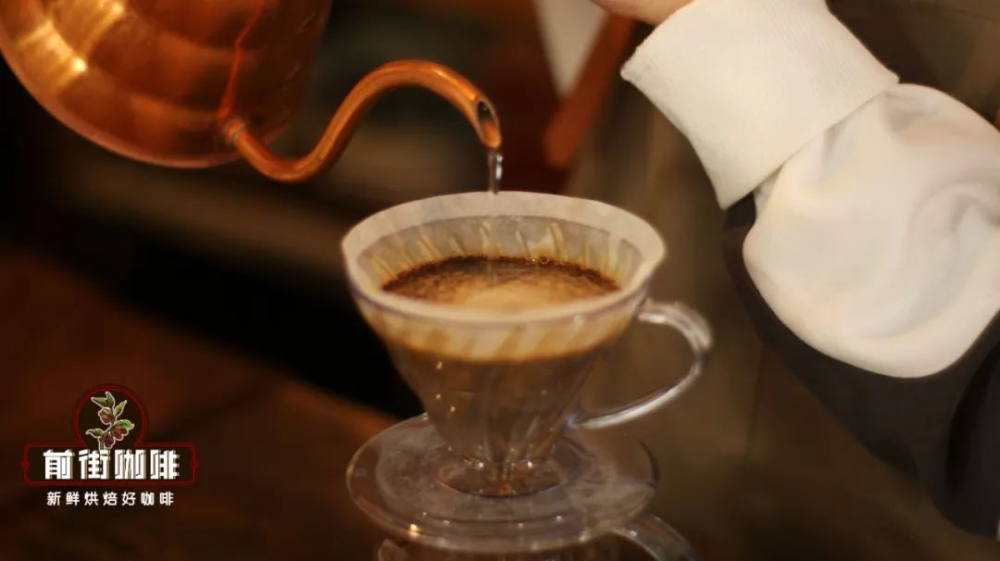
The beans haven't changed and the brewing method is the same as always, yet it just doesn't taste right—this usually means something has gone wrong in the extraction stage. Based on past customer feedback, Front Street Coffee has sorted out the three most likely causes of flavor deviation.
1. The grind size isn't right
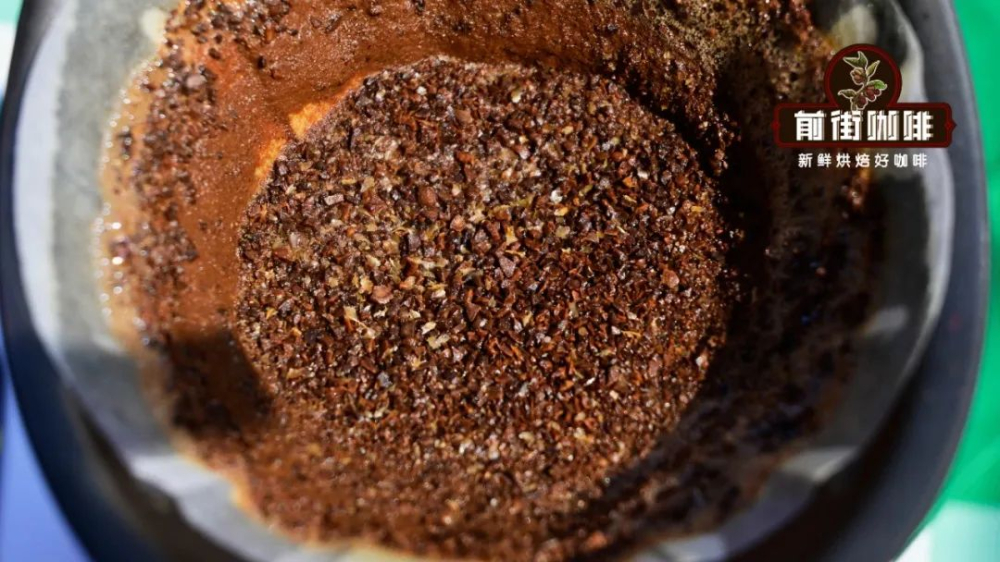
Front Street Coffee usually starts by asking the customer to send a photo of the coffee bed after brewing. From the shape of the bed, you can roughly deduce where the problem lies. The beds received on screen are either a muddy, clumped mess or as coarse as grains of rice—both situations indicate the grind size isn't properly adjusted, so of course the coffee won't brew well.
For those just getting into pour-over, judging whether the grind size is appropriate really isn't easy. After all, most people—including many veterans—have never bought a tool to measure particle size, and in practice there's not much need to. So how do you tell if the grind is right? The method is actually quite simple: just like with espresso, first lock in a reliable brewing recipe, then use the actual brewing time to work backward and determine whether the grind is suitable. Take Front Street Coffee's commonly used parameters as an example—15 grams of coffee, a 1:15 coffee-to-water ratio, a V60 dripper, three-stage pouring, and a total time of around two minutes. If your brew takes more than 15 seconds longer than this reference, the grind has deviated noticeably and needs correction: if it takes too long, make the grind coarser; if too short, make it finer.
One more thing to keep in mind: beans with different roast levels and processing methods don't use the same grind size. The processing method and roast level affect how dense and brittle the bean structure is, so never use one grind setting for all coffee beans. (This is a pitfall many people fall into.) Of course, the problem isn't necessarily all in the grind setting—the quality of the grinder itself can also hold you back: an excessively high proportion of fines, insufficient grind uniformity, and similar issues are all common. Corresponding solutions include sifting the grounds, regrinding, or simply upgrading the grinder.
2. The water temperature isn't right
If the coffee bed looks normal and the brewing time hasn't deviated noticeably, then the problem probably comes down to water temperature. As with grind size, a single fixed water temperature can hardly suit all coffee beans.
Although hot water differing by just a few degrees can still extract the solubles from coffee, the right water temperature often provides that extra polish, increasing your margin for error—put simply, it makes it easier for you to brew a delicious cup.
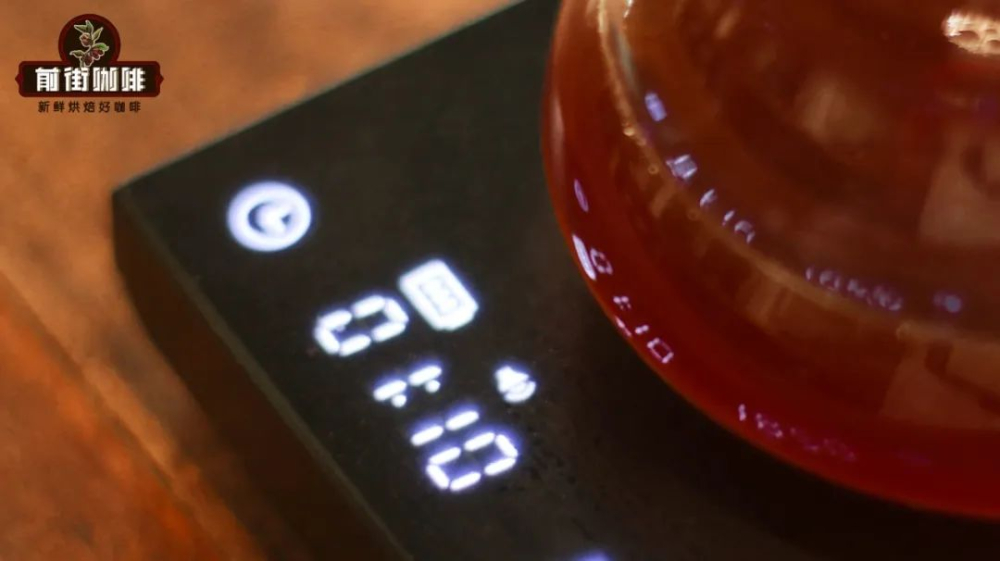
Water temperature directly determines the strength of extraction efficiency: the higher the temperature, the more aggressive the extraction; the lower the temperature, the weaker the extraction. And the core goal of brewing coffee is to extract the substances in the coffee "just right"—not too much, not too little, just perfect is ideal. So choosing the right water temperature is crucial. If you're unsure what temperature to use, you can refer directly to the following ranges: For medium-light roasted beans, 91–93°C is recommended; for medium-dark roasted beans, 86–88°C is recommended.
3. Brewing water
The last thing to discuss is brewing water. This factor is the most easily overlooked, though compared with the previous two, its impact is somewhat smaller. The trace elements contained in water are the key to influencing extraction results.
Research shows that when these trace elements are present in appropriate amounts, they can help us better extract the deliciousness of coffee. For example, magnesium ions help extract sweetness, while calcium ions are more conducive to extracting acidity, and other elements each have their own roles. But all of this is premised on one thing—the amounts must be just right.
Once trace elements exceed the proper level, the water becomes hard. Excess minerals will fill up the space in the water, leaving no room to accommodate coffee substances. So when you brew coffee with hard water, the flavor compounds in the coffee are difficult to fully extract, and the taste naturally suffers.
Of course, there's no need to be overly anxious about water quality. After all, you're just making a cup of coffee at home—there's no need to study it too deeply; simply understanding that water does affect coffee is enough. As for whether to switch water, that depends on how the coffee actually tastes. If you've checked parameters like grind, time, and water temperature and found no problems, yet the coffee still has negative flavors, then try switching to a different brewing water and see whether the flavor improves.
For how to evaluate water quality, you can refer to the article "What Kind of Water Is Best for Brewing Coffee?"; for the specific effects of water temperature on extraction, you can turn to "How Big Is the Impact of Water Temperature on Coffee Extraction?" Hopefully this content can help everyone brew a satisfying cup of coffee.
- END -
The above content is compiled by CoffeeHunters, a coffee news website.


