







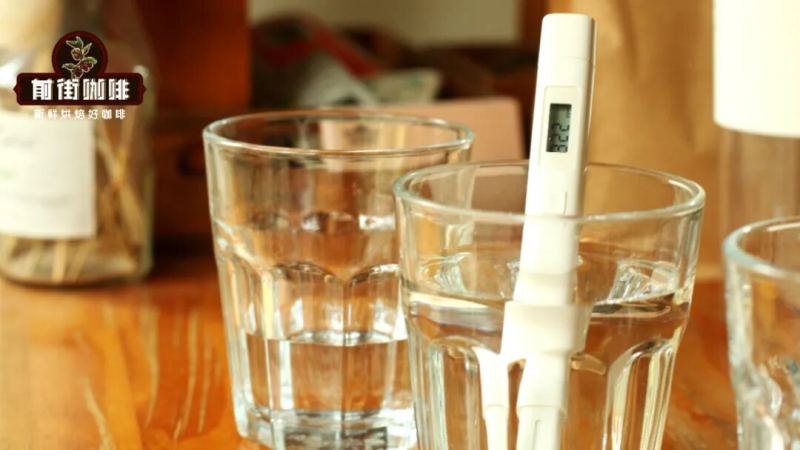
As the main raw material, water not only makes up the vast majority of a cup of black coffee, but also affects the extraction of different substances, thereby presenting unique flavors and mouthfeel. Therefore, we should all understand the importance of water to coffee.

Common drinking water on the market, from brands to ingredients, from purification processes to intended uses, comes in a dazzling variety. However, precisely because their effects differ, people have become more curious and engaged in discussion. For example, not long ago, a brewing enthusiast raised this question: "Does brewing coffee with the most expensive water taste better than with cheaper water?"
Although this question is ambiguous—after all, we cannot define exactly which is "the most expensive water" and which is "the cheapest water"—Front Street has always liked to take a try-it-and-see approach and never lets any topic worth writing about slip by. So today, let's start "playing with water" around this question.
Considering that in daily coffee brewing everyone prioritizes bottled water that offers "plenty of volume for the money," the focus of this article's testing is still on this type of product. Front Street directly opened a commonly used food delivery platform, checked the most expensive and cheapest bottled water, and placed orders. In the end, two products were selected: Kunlun Mountain Snow Mountain Mineral Water at 19.9RMB/5L and Dinghu Mountain Spring Drinking Natural Water at 6.9RMB/5L.(Although Evian water, with its outstanding price, attracts more attention, its TDS value (489ppm) is far above the maximum TDS for coffee water, so it is not suitable for brewing coffee. Front Street will not include it in the discussion separately here.)
During the experiment, Front Street also used Nongfu Spring, which is used for the shop's products, for comparison, and brewed with two coffee beans: one is the Yirgacheffe Red Cherry, which expresses fruity acidity, and the other is Diamond Mountain, which leans toward nutty notes. To avoid preconceptions, the brewed coffees will be shuffled and tasted "blind" to see what flavor performances they each have.
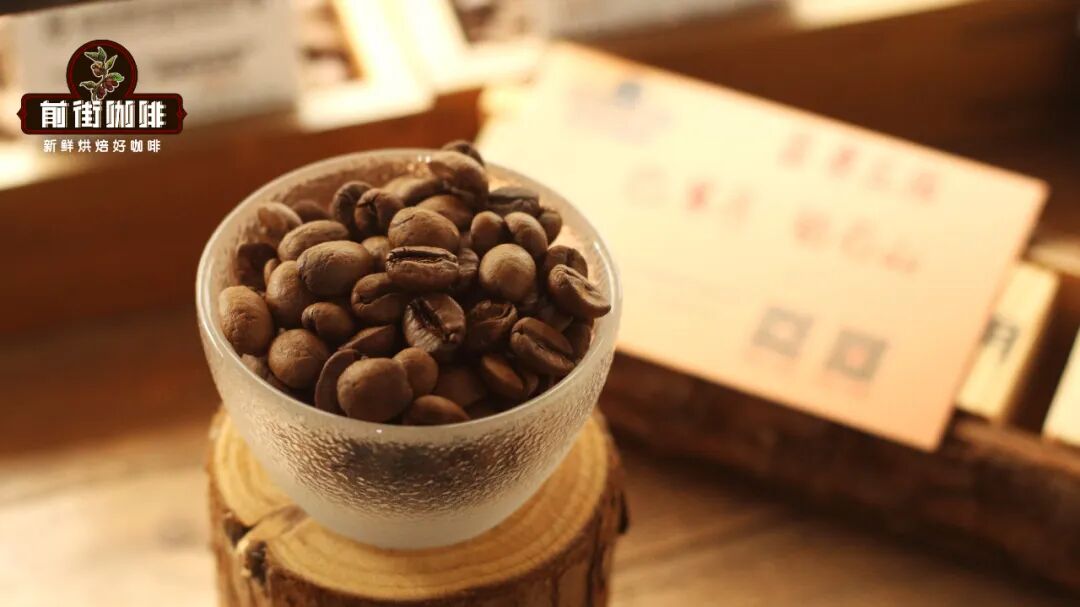
First Round of Experiments
Coffee Beans: Yirgacheffe · Natural Red Cherry
Dose: 15 grams
Coffee-to-Water Ratio: 1:15
Water Temperature: 93℃
Grind Setting: EK43s setting 10
Three-Pour Method: 30g-90g-105g
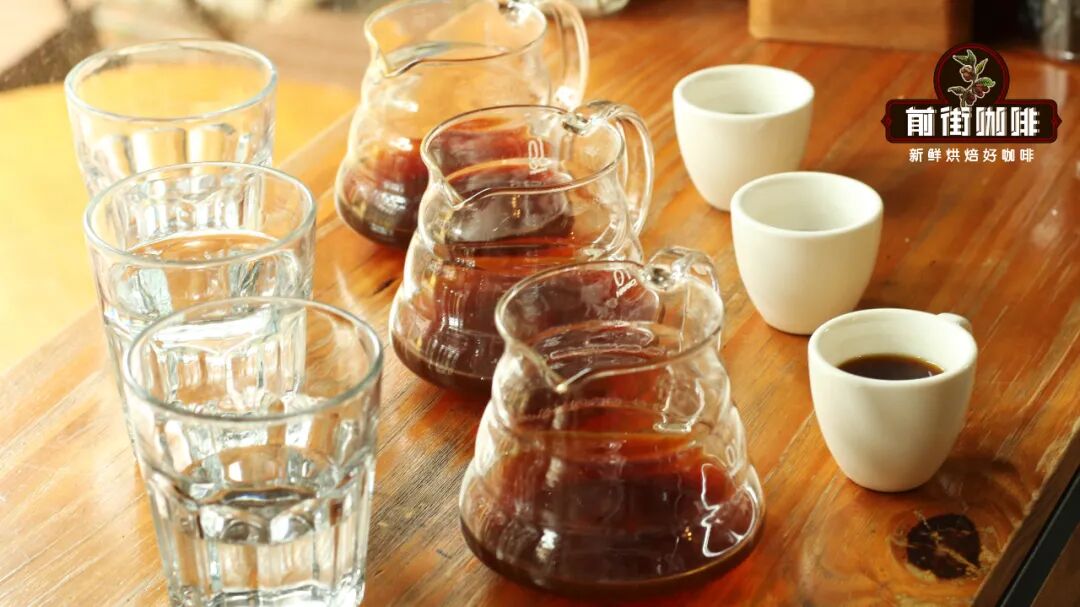
Dinghu Mountain: Dominated by flavors of lemon, grapefruit, and berries, with particularly prominent acidity, a short finish, a slight watery feel, and relatively thin aroma; (TDS: 1.27)
Nongfu Spring: Has flavors of citrus, sweet orange, and black tea, with berry acidity at low temperatures, a soft mouthfeel, and balanced acidity, sweetness, and bitterness; (TDS: 1.31)
Kunlun Mountain: Thick mouthfeel, dominated by caramel and orange flavors, with a bit of strong tea character, but with obvious bitterness that lingers on the tip of the tongue. (TDS: 1.33)
Second Round of Experiments
Coffee Beans: Hacienda La Esmeralda · Diamond Mountain
Dose: 15 grams
Coffee-to-Water Ratio: 1:15
Water Temperature: 91℃
Grind Setting: EK43s setting 10
Three-Pour Method: 30g-90g-105g
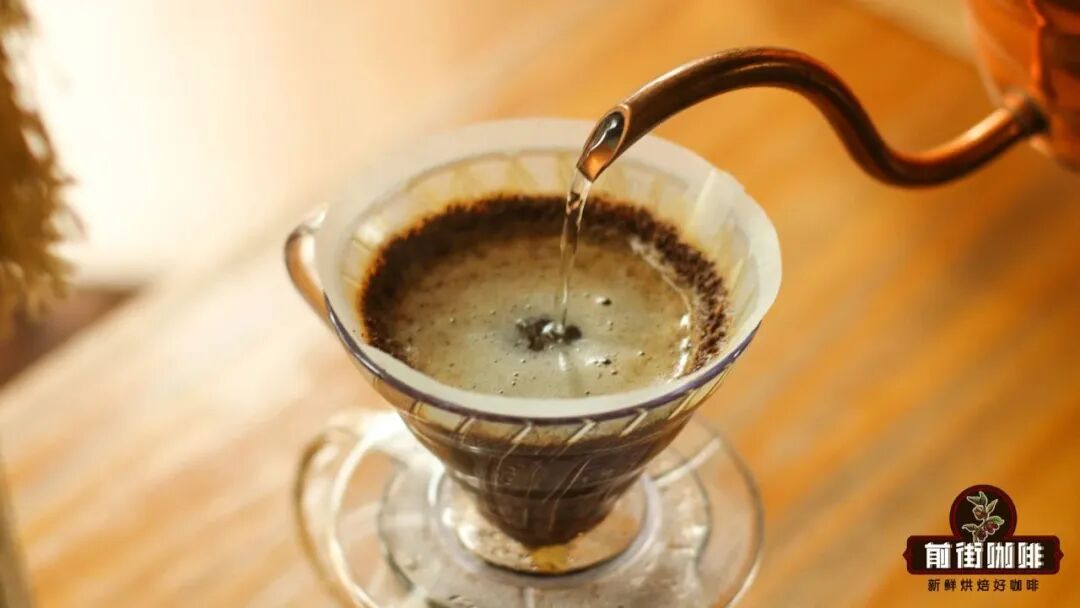
Kunlun Mountain: On the palate, there are caramel and faint chocolate aromas; the flavors are concentrated only in the front section, the mouthfeel is monotonous, and there is almost no finish; (TDS: 1.31)
Dinghu Mountain: Flavors are mostly plum, bayberry acidity, and the sweet aroma of cocoa, with a light mouthfeel; at low temperatures, the coffee is slightly sharply acidic; (TDS: 1.36)
Nongfu Spring: Nutty and cocoa aromas are obvious; at low temperatures there is dark berry and stone fruit acidity, along with a bit of sucrose sweetness and a fermented finish of ripe fruit. (TDS: 1.32)
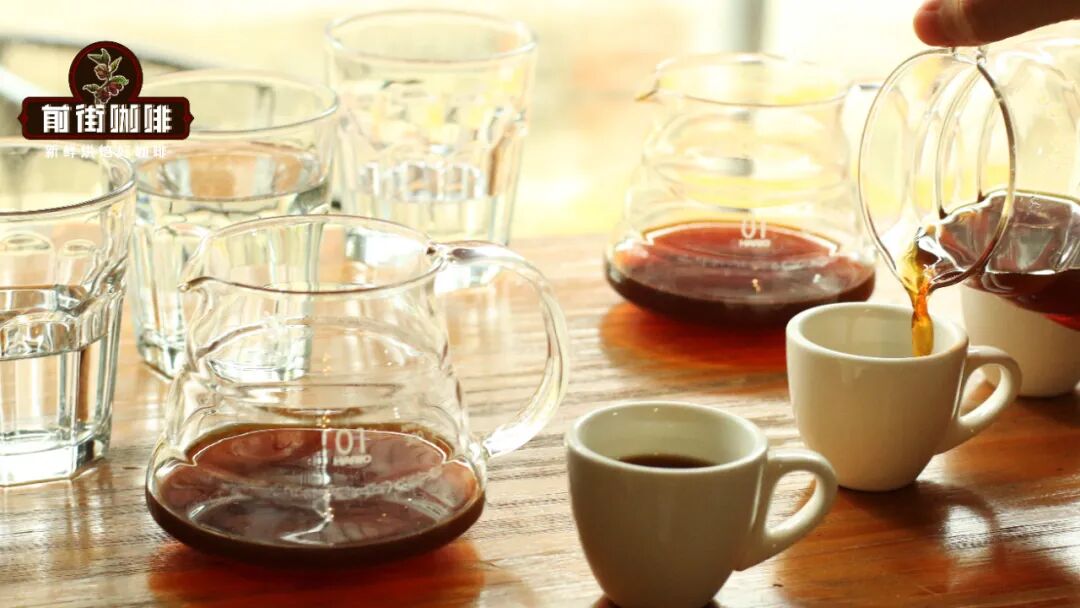
From the flavor performance of coffee brewed with the three types of water, it can be seen that the coffee brewed with the "most expensive" water did not taste better than that brewed with the "cheapest" water. The coffee brewed with the "lowest-priced" Dinghu Mountain Spring Drinking Water had relatively obvious acidity and low body; Nongfu Spring produced a relatively balanced overall flavor performance; while the "highest-priced" Kunlun Mountain Mineral Water not only had a sharp mouthfeel but also weakened some of the aroma, making the coffee taste lacking in layers.
Which Factors of Water Affect Coffee Extraction?
As the main solvent, water is responsible for extracting the various soluble flavor substances in coffee. Generally speaking, for coffee to taste good, it must first have moderate hardness, and second, its acidity and alkalinity must be considered.
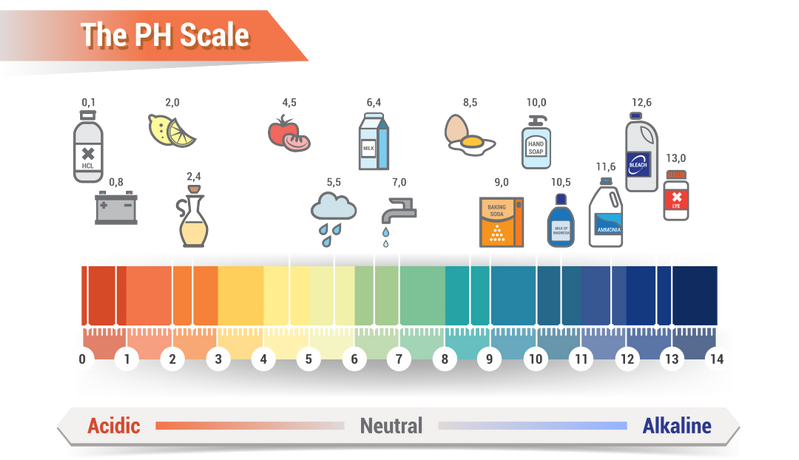
The pH of coffee is generally between 5 and 6, so it is weakly acidic. When weakly alkaline water is used to brew coffee, it will neutralize some of the acidic substances in the coffee, reducing acidity and thereby balancing the overall mouthfeel of the coffee. Water with a pH between 6.5 and 7 is considered to perform relatively well for coffee brewing.
Among the three types of drinking water in this brewing comparison, Front Street learned through research that the pH of Nongfu Spring bottled water is 7.3±0.5, the pH of Dinghu Mountain Spring Drinking Natural Water is 6.5–7.3, and the pH of Kunlun Mountain Snow Mountain Mineral Water is 7.0–8.5. The first two are neutral, and the latter is weakly alkaline.
Having discussed acidity and alkalinity, let's continue with the hardness of water. The composition of water is made up of countless elements. For coffee extraction, the most important are magnesium ions, calcium ions, and bicarbonate. Water containing an appropriate amount of calcium ions can better dissolve the acidity of coffee, while water with an appropriate amount of magnesium ions can effectively improve the release of coffee's sweetness and aroma. Therefore, for coffee to brew well, the water must contain appropriate amounts of calcium ions and magnesium ions. What people often call hard water essentially means water with too much magnesium and calcium, which easily leads to a mixed and extremely bitter taste, and is therefore not suitable for brewing coffee.
According to the WHO Guidelines for Drinking-water Quality, hardness below 200ppm is called soft water, and above 200ppm is called hard water. For coffee brewing water, the SCA recommends a range of 75–250 ppm, with an ideal value of 150ppm. However, in practice, water with a TDS below 100ppm is more likely to brew delicious flavors.
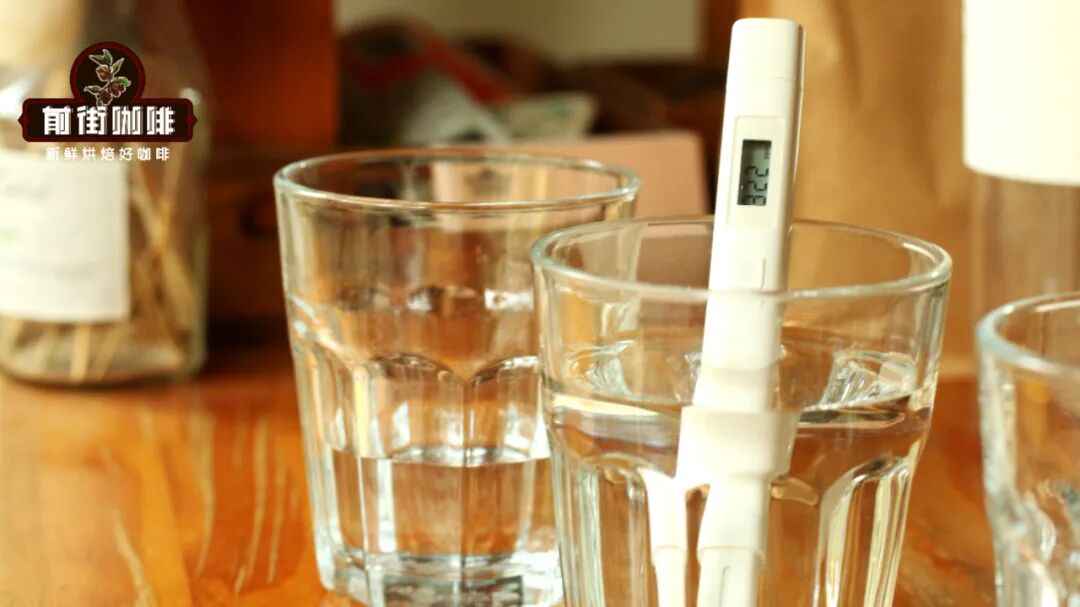
When Front Street used a TDS meter to test the above three types of water, it found that Dinghu Mountain Spring Drinking Natural Water measured a TDS of 25ppm, with the least magnesium and calcium ions; Nongfu Spring showed a TDS of 37ppm, with moderate calcium and magnesium ion content; while Kunlun Mountain Mineral Water measured 322ppm, indicating that itsdissolved substancescontent is the highest, affecting its extraction capacity after water is poured over coffee, thereby causing changes in sourness, bitterness, aroma, sweetness, and other flavors.
The above content is compiled by CoffeeHunters, a coffee news website.


