








Can Stacking Tools Improve Coffee Brewing?
Front Street Coffee ran a controlled coffee brewing test using the Huakui bean. One group brewed with regular mountain spring water, no ice ball and an ordinary espresso cup; the other used a water-blend concentrate, a Paragon ice ball and an aroma tasting cup, with identical brewing parameters throughout. Blind tasting judged the results.
Water minerals such as calcium and magnesium shape extraction, so the concentrate controlled TDS; the ice ball handled cooling and the tasting cup gathered aroma. Colleagues and guests tasted both, and their picks were highly consistent, offering a reproducible reference for combining tools rather than relying on bright acidity coffee alone.
When brewing coffee, water quality, cooling method, and tasting cup shape are often treated as independent variables, but if all three are used together, can they bring more significant sensory improvements? Front Street Coffee used the Huakui bean as a sample and designed a controlled experiment: one group used regular mountain spring water, no ice ball, and an ordinary espresso cup, while the other group used a water-blend concentrate, a Paragon ice ball, and an aroma tasting cup, with completely identical brewing parameters. Through concentration testing and blind tasting, the actual contribution of these tools at different stages was verified. This article records in detail the TDS control of the water-blend concentrate, the cooling mechanism of the Paragon ice ball, and the aroma-gathering effect of the tasting cup, and invited colleagues and guests to participate in the blind selection. The final results were highly consistent, providing coffee lovers with a reproducible reference for combined use.
Front Street realized that if the effect of using these tools individually is not prominent enough, then if they are combined like a competitor’s equipment on the field, could they brew a coffee that is clearly different and tastier?
Alright, then let’s conduct a round of experiments to see whether stacking multiple tools that can enhance the coffee experience will bring significant changes to the coffee.
Tool Introduction
This experiment will use three tools that enhance the coffee experience: "water-blend concentrate," "Paragon ice ball," and "tasting cup." Before the experiment begins, let’s first understand how to use these tools and what kind of "bonus" they can bring to coffee.

Special Water for Coffee Brewing
This is the first time water blending has appeared, so Front Street will explain it in detail. Water is an important variable affecting coffee flavor. Though it seems colorless and tasteless, it actually contains abundant minerals (mostly). These minerals can influence the amount of substances extracted during brewing, though only some minerals have this ability, such as calcium and magnesium ions. But everything needs balance, and so do minerals. When there are too many minerals, they not only affect the taste of the water but also hinder the extraction of coffee flavor compounds, so we usually choose a water source that better meets brewing requirements to make coffee.
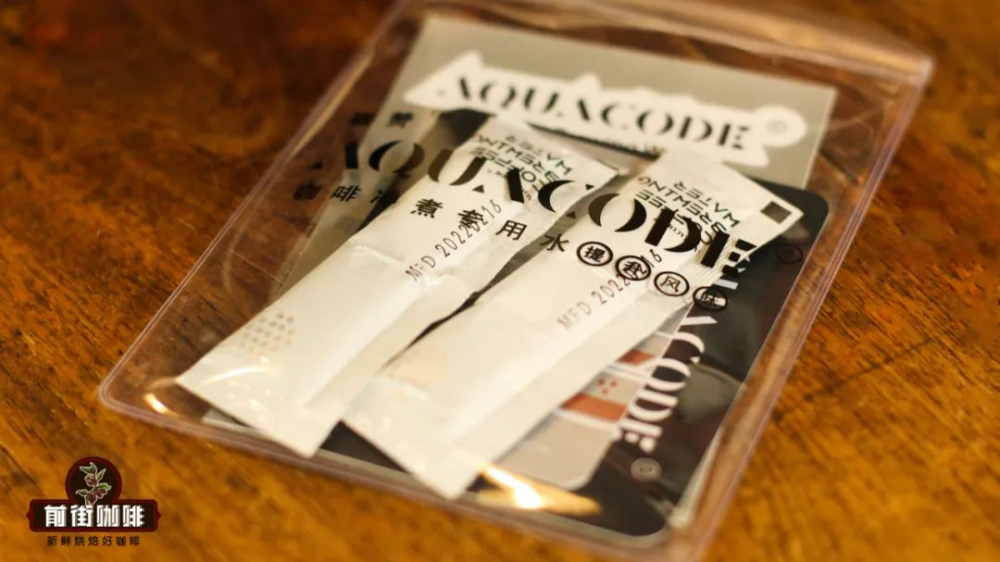
Competitors on the field use a more advanced approach: they directly blend water on site that is more suitable for brewing, so that the mineral content in the water is just right, allowing perfect extraction of flavor compounds without affecting taste. This convenient and quick tool is the "water-blend concentrate."
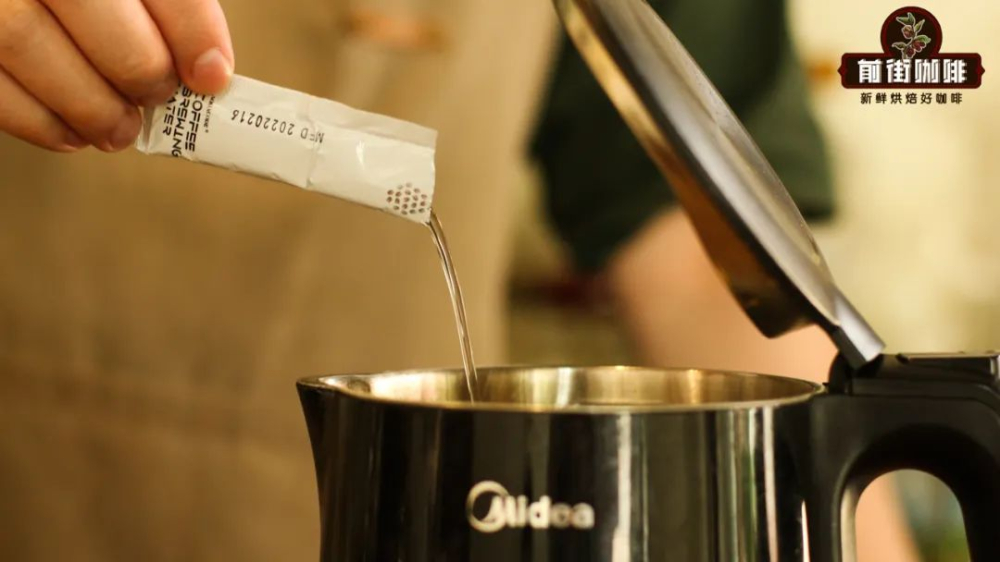
Simply mix this packet of concentrate into an appropriate amount of purified water and stir evenly to create the optimal brewing water with a TDS value of 85 ppm (the minerals in it are mainly those needed for extraction). Later we will use this already prepared "special water for coffee brewing."
Paragon Ice Ball
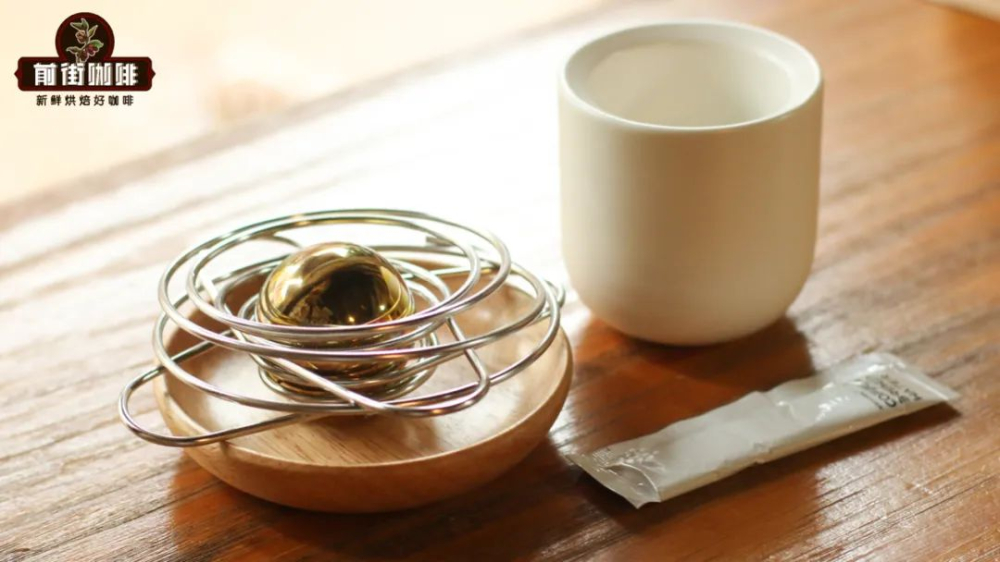
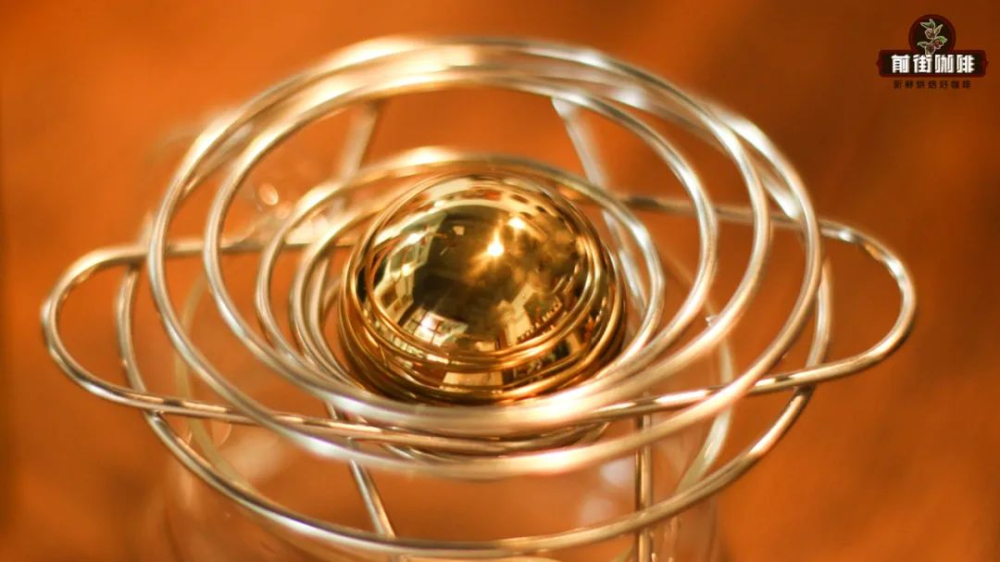
You should all be familiar with this little golden ball, so Front Street won’t elaborate further. Just place it under the dripper, and it will continuously release the cold stored during refrigeration, rapidly cooling the coffee it comes into contact with, thereby bringing the coffee overall to a temperature more favorable for us to perceive flavor. (For friends who want to learn more about this "little golden ball," you can move on to this article from Front Street~ "Paragon")
Aroma Tasting Cup
The tasting cup is almost never absent from competitions. Different tasting cup designs have different effects on coffee. In summary, it makes the overall aroma of the coffee easier for the sense of smell to capture and amplifies the flavor, with specific changes varying according to the cup design.
Alright, those are the three tools used above. Next, let’s move on to the brewing experiment.
Brewing Experiment
The bean selected for this experiment is the well-known Huakui, because Huakui itself is a bean with low acidity and high sweetness, and relatively high cleanliness, making it easier to directly feel its subtle changes. Of course, only comparison can tell whether stacking these tools will bring obvious changes to the coffee, so this brewing experiment is still divided into two groups: One group is conventional brewing without any tools, no ice ball, using regular mountain spring water, and finally tasting with an ordinary espresso cup. The other group uses blended water for brewing, a Paragon ice ball for cooling, and finally a tasting cup for tasting. The brewing parameters remain uniform: 15 g coffee, 1:15 coffee-to-water ratio, 92°C water temperature, three-stage brewing, EK43 setting 10 grind, No. 20 sieve with 80% pass-through rate, and a V60 dripper. That’s roughly it. Next, let’s move on to the brewing stage. We’ll skip the brewing process, hehe~
The brewing time for both groups was the same, both 2 minutes. The Huakui brewed by the group without tools had a temperature of 72°C, while the temperature of the group with tools was 63°C. We measured with a concentration tester, and there was not much difference in extraction yield or concentration between the two!
(Left is the Huakui from the tools group, right is the Huakui from conventional brewing) Alright, moving on to the tasting stage. To be fair, Front Street gave blind tests to 2 colleagues and 2 guest friends respectively, and asked each to choose their favorite cup of coffee.
The results were unanimous: everyone chose the Huakui brewed with the tools! The Huakui brewed without the tools showed flavors of strawberry, apricot, and fig, with prominent sweetness and soft acidity. Overall, it was a sweet coffee with elegant aroma, very pleasant to drink; while the Huakui brewed with the tools showed the same flavors, but its acidity was livelier, and with the support of bright acidity, the sweetness stood out even more than before. Moreover, after using the tasting cup, the coffee’s aroma was gathered, so more aromas could be perceived from this cup of Huakui! The difference between the two was very obvious, and even guests who had just come into contact with coffee could clearly perceive it.
So we can see that the three tools played different roles at different points. Although the effect of each tool when used alone is minimal, after stacking them, they can indeed noticeably improve the coffee experience! Personally tested and effective, everyone can still play around with it when they have time and experience it~
- END -
The above content is compiled by CoffeeHunters, a coffee news website.


