







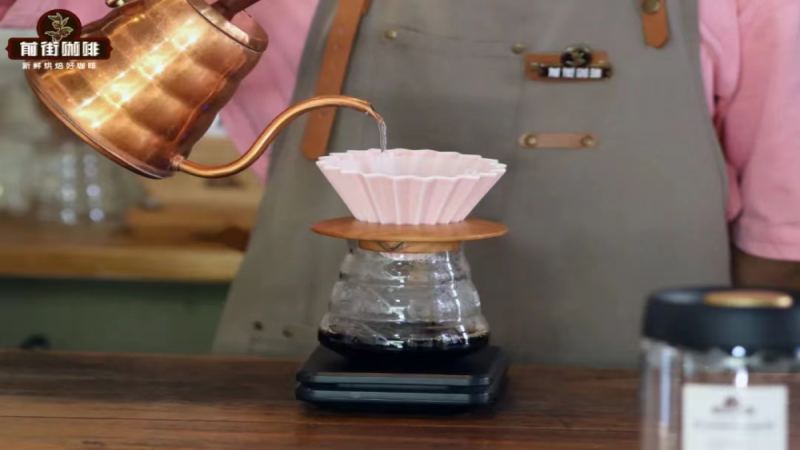
How do coffee calcium and water TDS affect pour-over flavor?
Water makes up about 98.7% of a brewed pour-over, so its mineral content shapes flavor as much as the beans or grinder. Coffee calcium and magnesium ions bind to coffee compounds and carry them into the cup; too little leaves the brew flat and hollow, while too much pushes bitterness and a drying mouthfeel. Aim for a moderate TDS rather than pure or very hard water.
When a coffee turns harsh or muddy, switching water sources is a fast diagnosis, and bottled options such as Nongfu Spring are a common reference point. Beans, grinder and water are the three core elements of coffee, yet water is the one most often ignored. For brewers on a limited budget, fixing water quality costs little and often improves the cup more than another piece of gear.
When brewing a pour-over coffee, water accounts for as much as 98.7%, making its importance no less than that of the coffee beans and the grinder. In this article, Front Street Coffee analyzes how water quality affects flavor, the mechanism of calcium and magnesium ions in water, and the recommended TDS range. At the same time, using examples, it explains how to troubleshoot problems by changing the water source, such as Nongfu Spring, when coffee develops off-flavors or negative mouthfeel, helping enthusiasts with limited budgets spend their money where it matters most.
Front Street Coffee has talked before about how the initial cost of getting into pour-over can be around a thousand yuan for a decent experience, though of course there is no upper limit on spending. For friends on a limited budget, putting money into the key areas is the wise move. However, everyone understands "key" differently. Some people think a good pour-over kettle should be the priority investment, some value the grinder, some believe coffee beans are most important, and still others are willing to pay for beautiful equipment because it looks pleasing, and the coffee seems to taste better too. So everyone allocates their budget to the parts they value.
In Front Street Coffee's view, coffee beans, the grinder, and brewing water are the three most core elements in pour-over coffee. The importance of coffee beans and the grinder is easy to understand: coffee beans determine the upper and lower limits of a cup's flavor, and which range the final result falls into depends on your brewing skill. The grinder, meanwhile, is the most critical part of the brewing equipment, bar none. Front Street Coffee often encounters beginners complaining that a certain coffee is too bitter or too sour, and sending photos of the coffee bed after brewing, where the bed is either muddy or has visibly coarse particles. Part of the reason is that the grind size was not right, but the more main reason is often that the grinder's grinding quality is not up to standard.
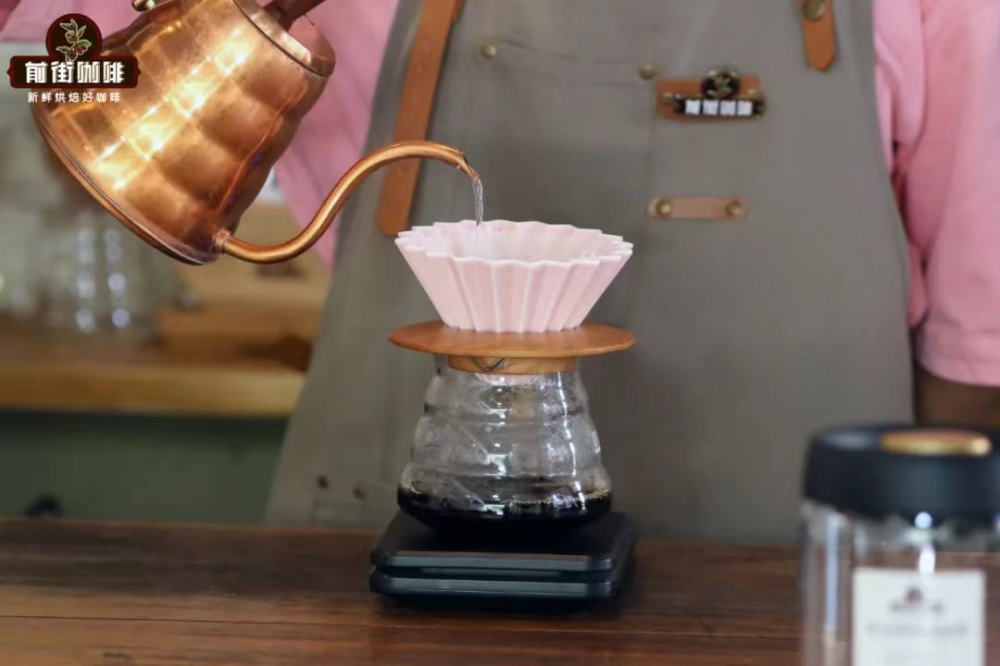
Water, however, is often overlooked by many people because it is everywhere and easy to get. Front Street Coffee also knows a friend who is willing to spend a lot of money on coffee beans and pour-over equipment, and who practices brewing very seriously, but is not particular about the water used for coffee, directly using filtered tap water from a rather expensive filter at home. He said that sometimes the brew turned out very tasty, and sometimes it was not quite right, with the coffee tasting muddled. At first, Front Street Coffee suggested that the water quality might not be suitable for brewing coffee and told him to try changing the water. He bought a bottle of Nongfu Spring half-doubtfully, and after trying it, he was truly won over.
The strength of a cup of pour-over coffee is about 1.3%, which means water accounts for as much as 98.7%, so coffee beans and water have an enormous influence on a cup's flavor expression. According to research by some mainstream institutions, when water contains an appropriate amount of calcium and magnesium ions, the brewed coffee has a better mouthfeel and taste. But if there is too much magnesium ion, the coffee tends to be bitter; if there is too much calcium ion, the coffee tastes muddled and astringent.
At present, some coffee authorities point out that a TDS of 75-250 ppm is relatively ideal for brewing coffee, but this does not mean that everything is fine as long as TDS is within the recommended range. This is because TDS can only reflect the total amount of impurities in water and cannot analyze the proportions of various trace elements. Besides calcium and magnesium, water also contains trace elements such as potassium, sodium, and strontium.
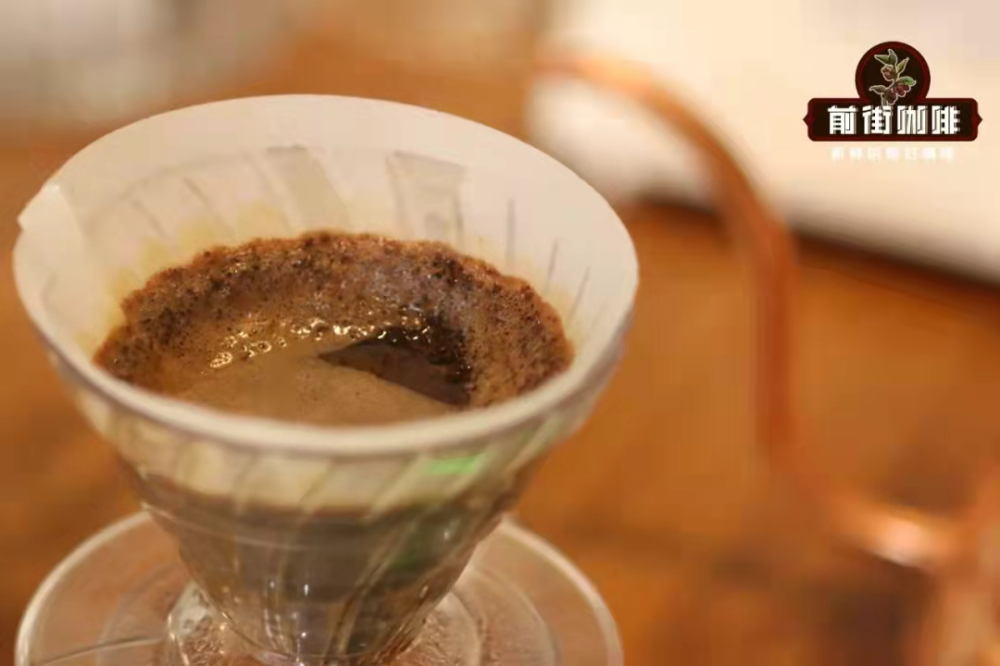
Of course, there is no need to be overly demanding about water quality. If you are just brewing coffee for daily drinking, you do not need to study it that deeply; it is enough to know that water quality affects coffee's flavor and mouthfeel. As for whether to change the water, it depends on the coffee's specific flavor performance. If it does not taste or feel unpleasant, there is no need to change it.
If the same negative performance appears with various brewing methods, then it is very likely a problem with the coffee beans or the water quality. The specific troubleshooting method is simple: brew with other beans and see whether the same negative situation occurs; switch to Nongfu Spring for brewing coffee and see whether the flavor and mouthfeel improve. (Nongfu Spring is chosen because its water quality is quite suitable for brewing coffee, and because it is widely distributed, available everywhere, and reasonably priced.)
The above content is compiled by CoffeeHunters, a coffee news website.


