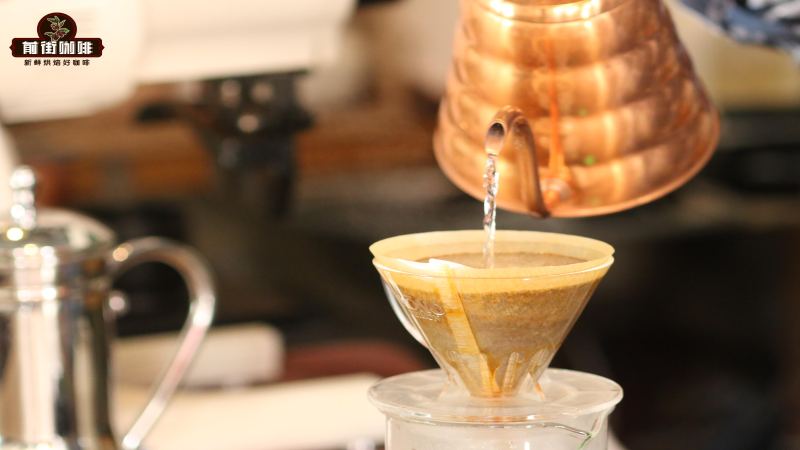
To brew a delicious cup of coffee, you need not only good beans but also good water. In the brewed coffee, water accounts for over 98%. Therefore, choosing the right water for brewing coffee is also crucial. So, what kind of water is actually suitable for brewing coffee?
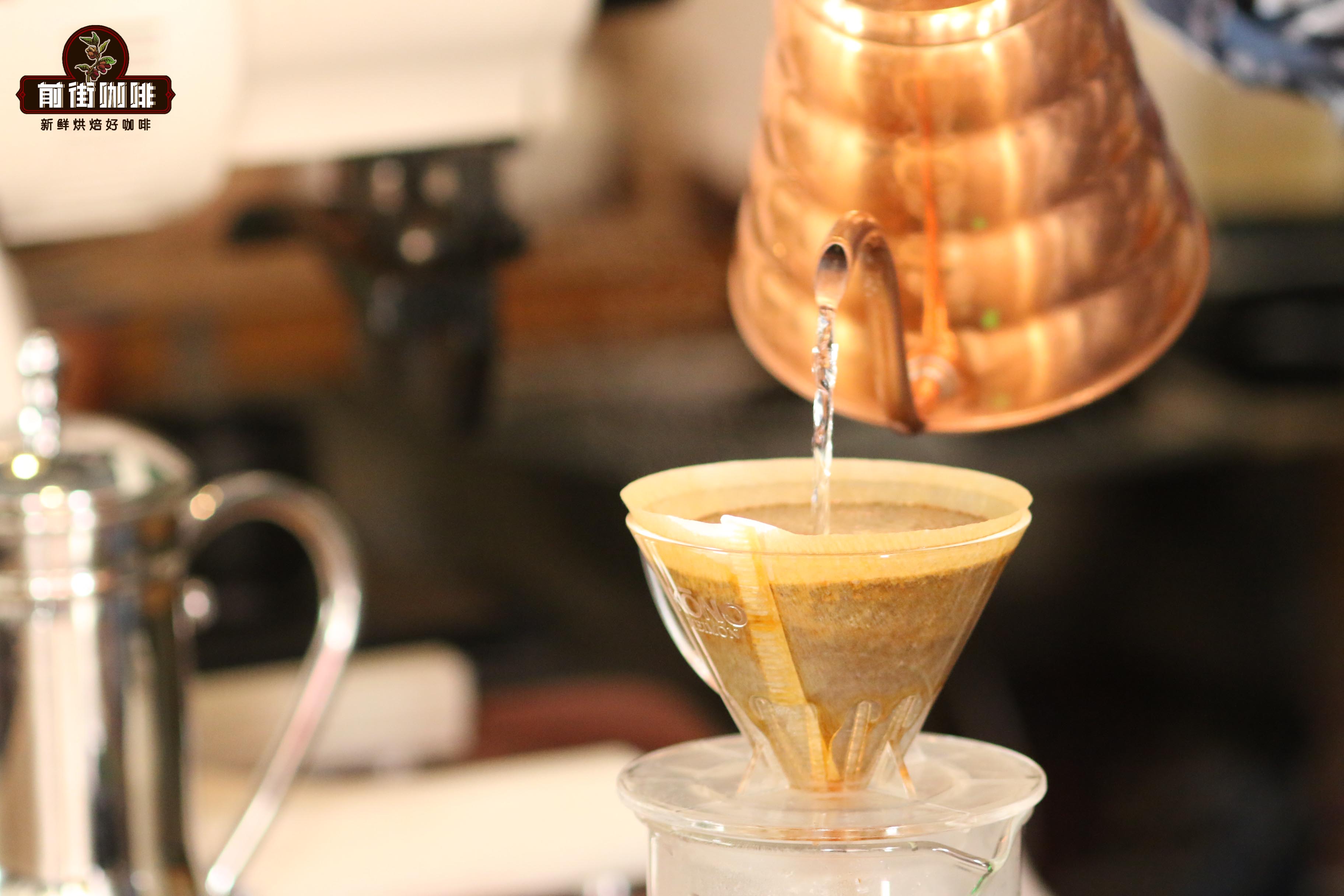 First, Front Street Coffee will explain the requirements for water suitable for brewing coffee. Generally, there are two requirements for water in coffee brewing: one is hardness, and the other is pH level.
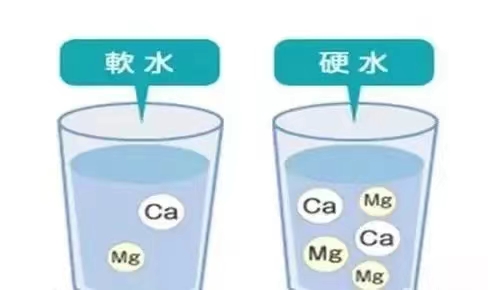
Let's start with hardness. Naturally, water that looks clean is not pure water containing nothing. Water generally contains ions such as calcium, magnesium, potassium, sodium, as well as bicarbonate ions. These substances in the water affect its softness or hardness, and generally, hard water is not suitable for brewing coffee.
The TDS standard for coffee water recommended by the SCAA is 75-250 ppm, but in practice, water with a TDS below 100 ppm is easier to use for brewing delicious coffee.
This is because TDS data only indicates the amount of soluble substances in the water, and does not clearly reveal the composition and content of those substances.
Scientific research shows that an appropriate amount of calcium ions in water can better dissolve the acidity of coffee, but water with too much calcium easily forms scale. A small amount of magnesium ions in water can enhance the sweetness and aroma of coffee. Therefore, water containing appropriate amounts of calcium and magnesium ions is very suitable for brewing coffee.
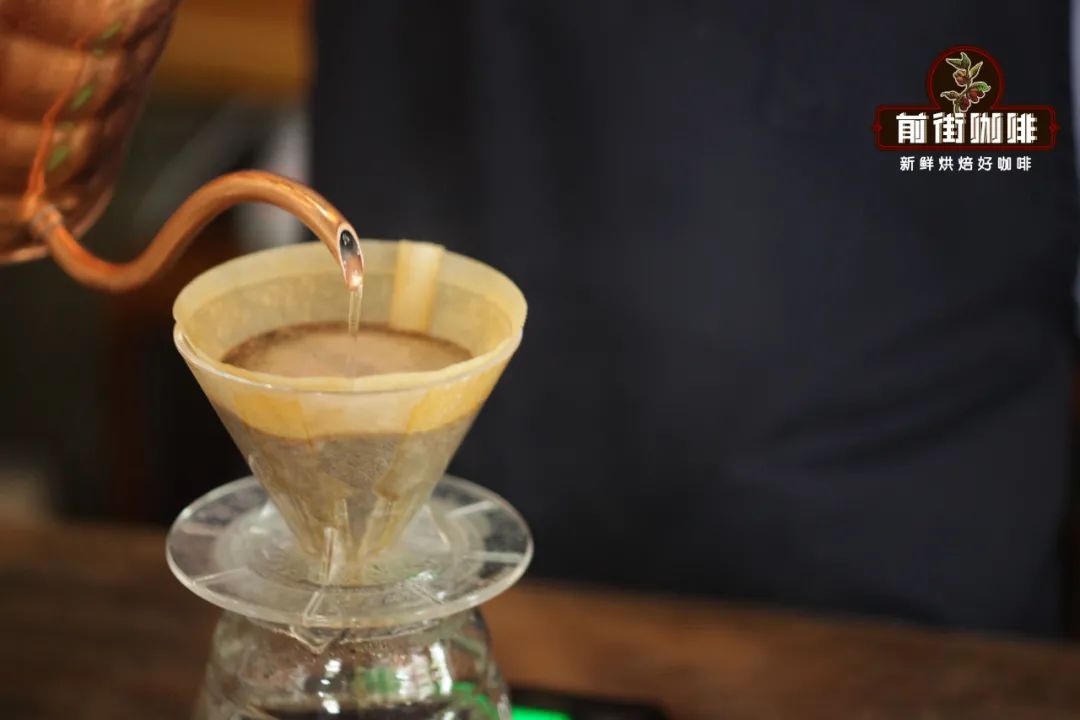
The pH level of water also affects the taste of coffee. In the pH scale, 7 indicates neutrality; the smaller the number, the more acidic it is, and the larger the number, the more alkaline it is. Coffee has a pH of 5-6, which is mildly acidic. Generally, water with a pH of 6.5-7 for brewing results in more palatable coffee.Based on the above conditions, the first thing to rule out is tap water. In most areas, the TDS value of tap water is relatively high. You can check your household kettle to see if there is a layer of white scale.Even if tap water in some areas meets the TDS standard for coffee water, it contains residual trace amounts of chlorine, so we smell a swimming pool-like odor in tap water. Coffee brewed with such water often has a sandy mouthfeel and a very muddled taste.
If you use a filtration device at home to filter tap water, you also need to test the TDS value and try brewing to compare whether the taste has improved. This is because some filters do not perform well, and the filtered water is still not suitable for brewing coffee.
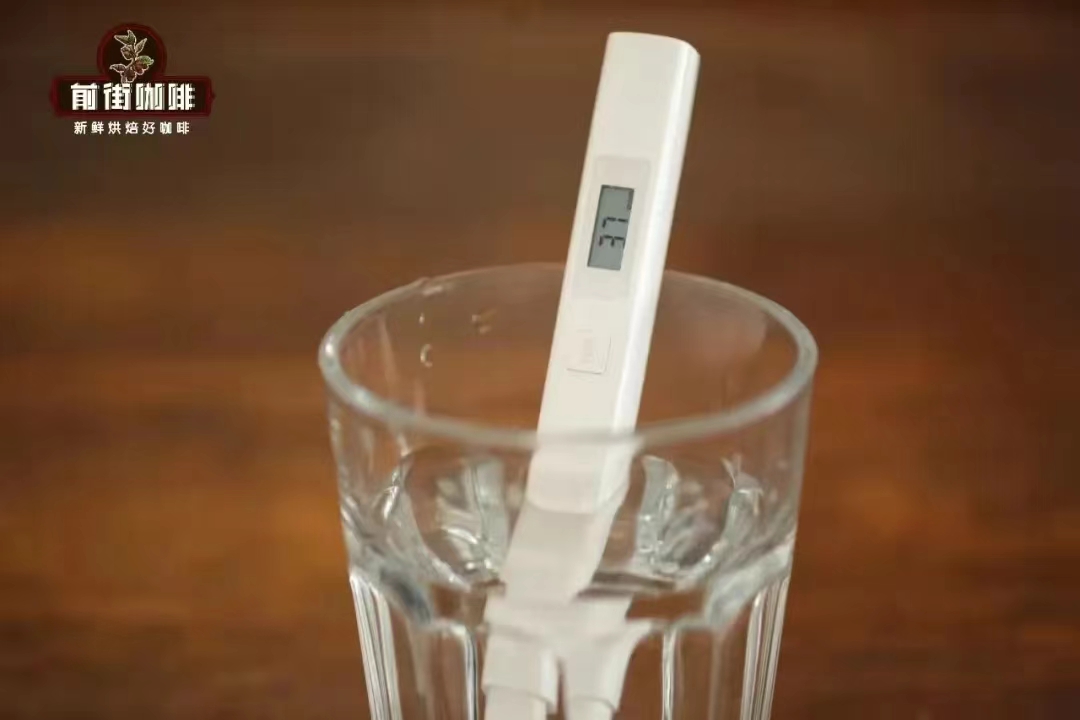
Secondly, pure water containing nothing is also not suitable for brewing coffee. As Front Street Coffee mentioned earlier, appropriate amounts of calcium and magnesium ions can promote coffee extraction, enhancing the acidity, sweetness, and aroma of coffee. But with pure water that has no substances, the brewed coffee has an inexplicable hollow feeling, and the lack of sweetness and aroma makes the acidity become sharp.
The last one that is relatively easy to use is mineral water. When buying mineral water, be sure to check the mineral content on the label, and never judge the quality of water by its price. For example, the notably priced Evian water has a TDS of 489 ppm, far exceeding the maximum TDS for coffee water, so it is not suitable for brewing coffee. If you need to buy mineral water for brewing coffee, it is best to check the TDS value and the various mineral content tables on the label.
Finally, if you ask what water is best for brewing coffee, the most likely answer you'll get is Nongfu Spring.
The above content is compiled by CoffeeHunters, a coffee news website.