








Does Coffee Brewing Really Improve With Lower TDS Water
Lower TDS is not automatically better for coffee brewing. Trace minerals matter: calcium and magnesium ions help extraction, but too much of them blocks flavor compounds and adds bad taste. Water high in magnesium reads bitter, and water high in calcium reads slightly astringent, so the brewed cup turns muddy with prominent off-flavors.
SCAA guidance puts the target between 75 and 250 ppm, which leaves room for mineral content instead of stripping it out. Purified water with almost nothing dissolved tends to produce a hollow cup, while untreated tap water often brings astringency. Filtered or bottled water, including everyday brands sold in China, is a practical starting point.
Many coffee enthusiasts, after purchasing equipment and beans, often overlook the critical impact of water quality on flavor. Tap water, filtered water, or purified water—different TDS levels directly alter the extraction results. From the perspective of Front Street, this article explains how calcium and magnesium ions influence taste, why tap water tends to produce astringency, and why purified water leads to a hollow sensation. It also cites SCAA's 75-250ppm standard and practical recommendations, advocating the use of filtered or bottled water, with special mention of Nongfu Spring as a reference choice for daily brewing.
Front Street has previously mentioned that if you want to brew coffee at home freely, you need a budget of at least a thousand yuan. A set of handy equipment makes the process easier, while the quality of coffee beans directly sets the upper and lower limits of flavor. For beginners, water quality is often the most easily overlooked aspect.
Many novices, after gathering brewing tools and coffee beans, enthusiastically start brewing. As for water, most just turn on the tap, while the slightly more particular ones use water treated by a household water purifier. But the brewed coffee always has an indescribable quality—often a blurred flavor profile and prominent off-tastes. So they attribute the problem to brewing technique, and the more they delve into it, the more they get stuck.
In fact, water quality is precisely an important variable determining coffee flavor expression! For this reason, Front Street believes that to brew a good cup of coffee, understanding the basics of water is essential.
Water looks transparent, smells odorless, and even when drinking it, it's hard to detect anything unusual. However, once the wrong water is used to brew coffee, the result becomes undrinkable.
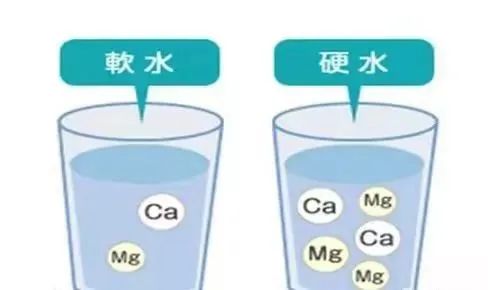
The key to water quality lies in the amount of trace minerals in the water. It is usually measured by TDS (Total Dissolved Solids). An appropriate amount of calcium and magnesium ions can help coffee extraction, but once the concentration of calcium and magnesium ions is too high, it instead hinders the release of flavor compounds; moreover, water with high mineral content is inherently less pleasant in taste—water with more magnesium ions tastes bitter, while water with more calcium ions tastes slightly astringent. Coffee brewed with such water naturally won't taste or feel good either.
Therefore, tap water generally has a high calcium ion content, as evidenced by the white scale buildup in kettles, and using it to brew coffee easily produces astringency.
"Note: TDS can only measure the total amount of dissolved solids, and cannot differentiate the individual contents of magnesium, calcium, and other trace elements."
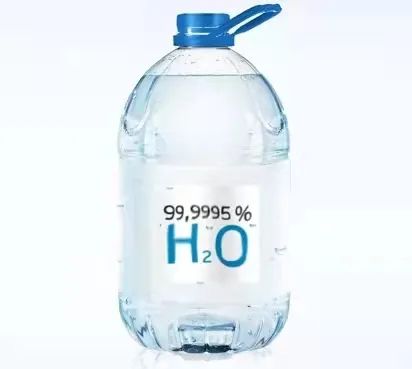
However, purified water completely devoid of minerals is equally unsuitable for brewing coffee. As mentioned earlier, an appropriate amount of calcium and magnesium ions aids the extraction of coffee flavor compounds. Coffee brewed with extremely "clean" purified water appears hollow, with aroma and aftertaste too weak to sustain.
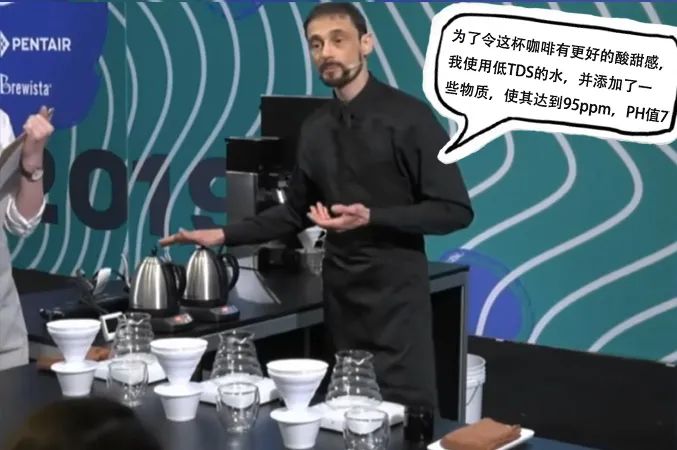
Just as the water we encounter daily contains not only calcium and magnesium but other components that affect coffee extraction. Therefore, in top-level coffee brewing competitions, competitors are often seen custom-blending even their brewing water, aiming to more fully extract the beautiful flavors of coffee.
Such elaborate blending is naturally not something to bother with in daily life. For everyday coffee brewing water, Front Street recommends choosing filtered water or bottled water.
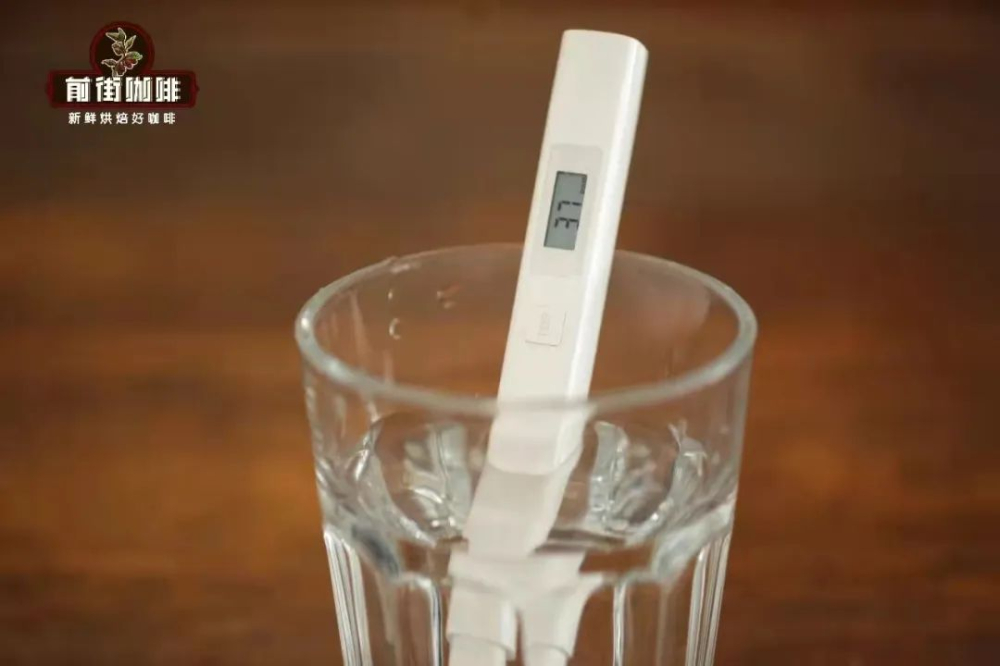
In the book "Water for Coffee," the SCAA gives a water TDS standard of 75-250ppm. However, based on actual brewing performance, flavors extracted are better when the TDS value is below 100ppm. If you have a water filtration system at home, it's worth testing the TDS of your water.
If you want to verify whether water quality is affecting coffee flavor, you can buy bottled water on the market for comparison. When choosing bottled water, don't just look at the price; look at the ingredient list. Considering both suitability and purchasing convenience, Front Street recommends buying Nongfu Spring for comparison. (The good flavor performance of coffee produced by Front Street Coffee (FrontStreet Coffee) is partly thanks to Nongfu Spring.)
The above content is compiled by CoffeeHunters, a coffee news website.


