








How does water chemistry affect pour-over coffee extraction?
Water makes up more than 98 percent of a brewed cup of pour-over coffee, so its chemistry shapes flavor almost as much as the beans do. Coffee itself sits at a pH of 5 to 6, and slightly alkaline water neutralizes some of those acids, softening sourness and pushing the cup toward balance. The industry generally aims for brewing water between pH 6.5 and 7.
Dissolved minerals drive hardness and extraction behavior. Calcium and magnesium ions pull soluble compounds out of the grounds, while bicarbonate buffers acidity and can flatten bright notes when present in excess. Comparative brewing with pure water, mountain spring water and mineral water, using the same beans, shows clear flavor differences, which is why tap water is not automatically suitable for pour-over brewing.
Over 98% of a cup of drip coffee is water, and water quality has an impact on the final flavor second only to the coffee beans themselves. This article, from Front Street's perspective, systematically examines the pH range of water for brewing coffee, the roles of calcium and magnesium ions and bicarbonate, and verifies through comparative experiments the flavor differences when pure water, mountain spring water, and mineral water are used to extract the same beans. It also answers whether tap water is suitable for brewing coffee and provides practical reference for choosing water in daily life, helping coffee enthusiasts find a more stable brewing water solution.

In a cup of drip coffee, water accounts for over 98% of the volume, and the type of water chosen for brewing directly affects the flavor direction of the final product. For this reason, water is the most basic and critical component of a pour-over coffee, and its importance can be said to rank only after the coffee beans themselves.
There are many types of water available in daily life. Which one is suitable for brewing coffee? With this question in mind, follow Front Street into today's "water" topic.
What standards must water for brewing coffee meet?
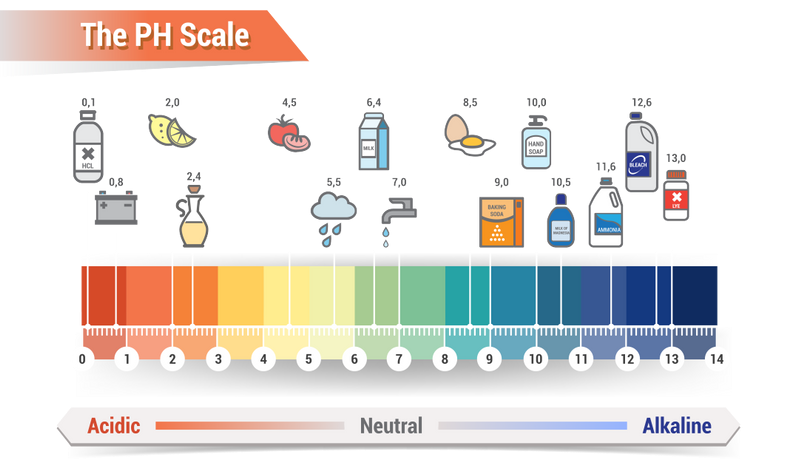
Let's start with pH. Everyone should have learned in class that when the pH value equals 7, it is neutral; as the value decreases, acidity increases, and as the value increases, alkalinity increases. Coffee itself usually has a pH between 5 and 6, making it weakly acidic. If slightly alkaline water is used to brew coffee, some of the acids in the coffee will be neutralized, the sourness will be reduced, and the overall taste will instead tend toward balance. At present, the widely accepted practice in the industry is to control the pH of brewing water within the ideal range of 6.5 to 7.
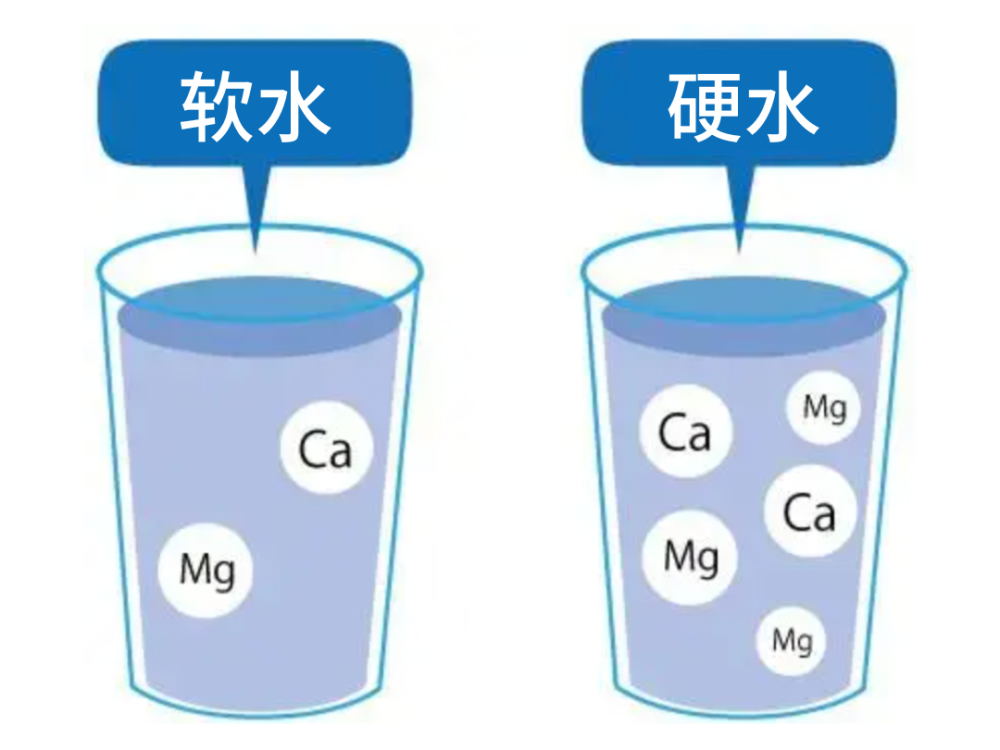
Water appears to have neither color nor odor, but so-called clean "pure water" is not actually free of everything. For example, "transparent" seawater contains a large amount of dissolved sodium, potassium, calcium, magnesium, strontium, and other ions, so people can easily perceive that the water is "not pure." In the water we encounter daily, these minerals exist in trace amounts. Although they are hard to notice, they directly determine the hardness or softness of the water.
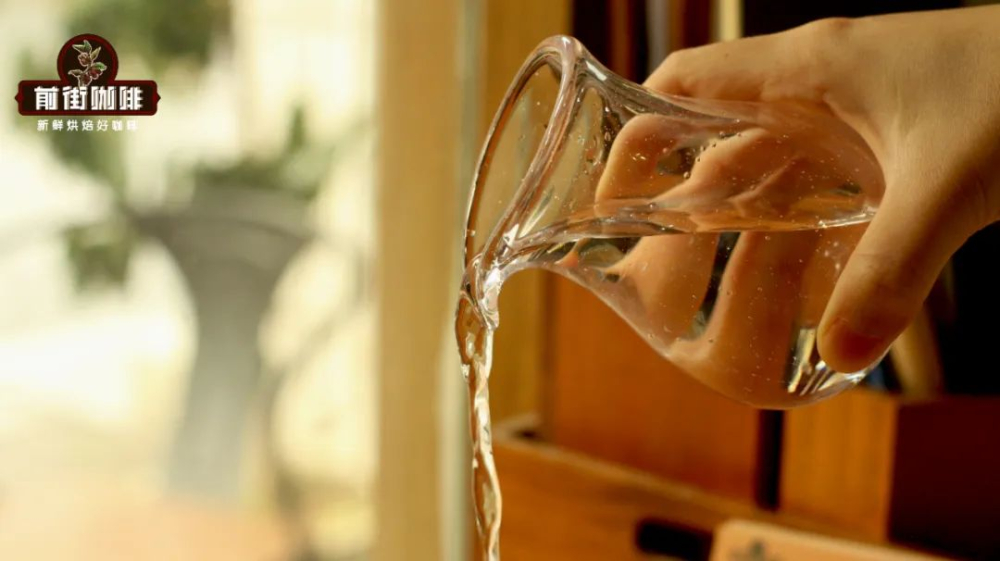
Water's composition involves many elements, but for coffee extraction specifically, the most critical are magnesium, calcium, and bicarbonate. The hard water mentioned earlier is, in the end, water with a relatively high content of magnesium and calcium. An appropriate amount of calcium ions in water can more effectively dissolve the acidity of coffee; the presence of an appropriate amount of magnesium ions helps enhance the release of coffee's sweetness and aroma. Therefore, to brew a delicious cup of coffee, the water needs to contain appropriate amounts of calcium and magnesium ions.
Can tap water be used to brew coffee?
According to the water standards mentioned above, tap water can be ruled out first. Take Guangzhou, where Front Street is located, as an example. The local tap water hardness is between 150 and 180 ppm. Although it is classified as soft water, trace chlorine still remains. Experienced people will notice that when tap water is boiled, a layer of white scale quickly forms on the kettle wall, the aroma of the brewed coffee is suppressed, and an unpleasant mixed bitterness stands out particularly strongly.
By this point, some people may ask: if it is this particular, are there ready-made bottled or barreled waters on the market that can be used directly to brew coffee? The answer is yes. In this case, mineral content and pH value are the indicators we should focus on.
Pure water, mountain spring water, or mineral water: which brews the most delicious coffee?
To figure out this question, Front Street used the mountain spring water regularly served in its stores as a reference, and also spent a "huge sum" to buy pure water and mineral water, then brewed one pot of coffee with a bitter profile and one pot with an acidic profile using the same parameters to see what differences would appear in practice.
From the information printed on the drinking water packaging, it can be seen that the pure water Front Street selected this time has a pH of 7.1±0.5 and a TDS of 0 ppm; the mountain spring water has a pH of 7.3±0.5 and a TDS of 37 ppm, both belonging to neutral water; the mineral water has a pH<7.5,呈弱碱性,TDS为34ppm。
Coffee beans: 15 g Jamaica Blue Mountain No. 1 Coffee & Kenya AA Coffee
Coffee-to-water ratio: 1:15
Corresponding water temperatures: 88°C & 91°C
Corresponding grind sizes: EK43s setting 10.5 & 10 (0.85 mm sieve pass-through rates of 75% and 80%)
Three-stage extraction: 30 g, 95 g, 100 g
Extraction time: 2 min to 2 min 10 sec
Performance of pure water: Blue Mountain was dominated by hazelnut flavors, with an overall round and sweet mouthfeel. Although not bitter, its aroma and body were on the weak side. Kenya had obvious plum and black plum-like acidity, with a slight crisp sweetness like snow pear. The acidity felt somewhat hollow, and the aroma level was also average.
From the results of Front Street's small experiment this time, compared with 0 ppm pure water and weakly alkaline mineral water, coffee brewed with 37 ppm neutral mountain spring water performed more stably in both compatibility and flavor. Yes, it is Nongfu Spring. Of course, other drinking water products on the market, paired with different coffee beans and parameters, may also show unique flavor layers. You might as well try comparing them yourself like Front Street did; perhaps you will make new discoveries.
No wonder a saying has long circulated in the coffee community: if you do not know how to choose a water source, just use Nongfu Spring!
Front Street Coffee (FrontStreet Coffee)
No. 10 Baoqian Street, Yandun Road, Dongshankou, Yuexiu District, Guangzhou, Guangdong Province
The above content is compiled by CoffeeHunters, a coffee news website.


