







Search Results for: cake filter cup
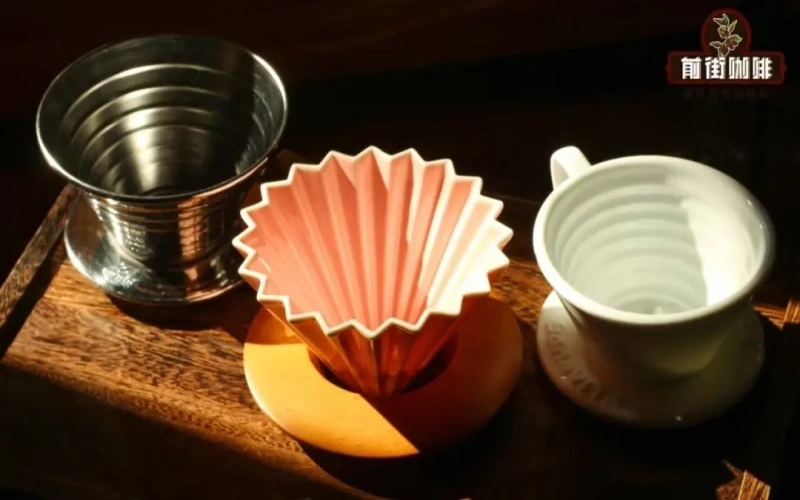
Analysis of the Differences Between Cake Filter Cups and V60 Cone Filter Cups: Sharing the Brewing Pros and Cons of Flat-Bottom Filter Cups and Practical Parameters
Among pour-over coffee equipment, cone-shaped drippers and flat-bottom drippers are two completely different choices. The cake dripper gets its name because its filter paper resembles baking paper, and its flat bottom brings extraction characteristics opposite to those of the V60: the coffee bed is thinner and more uniform in depth, pouring does not require deliberately controlling the range, and even beginners can easily brew a balanced and full-bodied cup of coffee. Of course, the relatively slow flow rate also requires us to make targeted adjustments in our parameters. In this article, Front Street will analyze the structural principles and flavor tendencies of the cake dripper, and share a specific method for brewing Ethiopian Hamashu with the Origami dripper, including coffee dose, water temperature, grind size, and staged pouring technique, to give you a comprehensive understanding of the advantages and disadvantages of flat-bottom drippers. [more…]
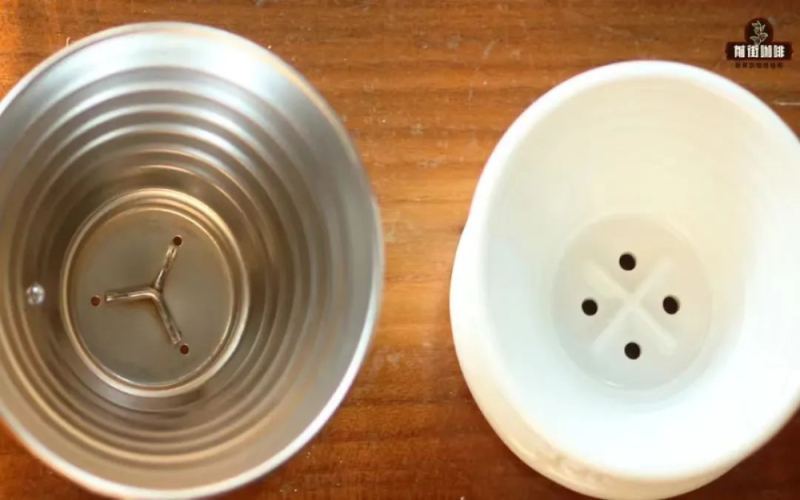
How do filter cup shape and flow rate influence pour-over parameters? How should extraction time be reasonably set?
Many coffee enthusiasts often wonder after switching filter cups: can the original pour-over parameters still be used, and exactly how long should the extraction time be controlled to be considered appropriate. Starting from the differences in filter cup shape and flow rate, and combined with Front Street Coffee's measured data, this article compares the extraction performance and flavor differences of the V60 and flat-bottom cake filter cup under the same parameters, explaining that the real purpose of parameter adjustment is not to pursue fixed values, but to serve the ideal taste. The article also provides a ranking of the flow rates of common filter cups, helping readers understand the relationship between filter cup characteristics and extraction time, so as to formulate brewing plans more flexibly. [more…]
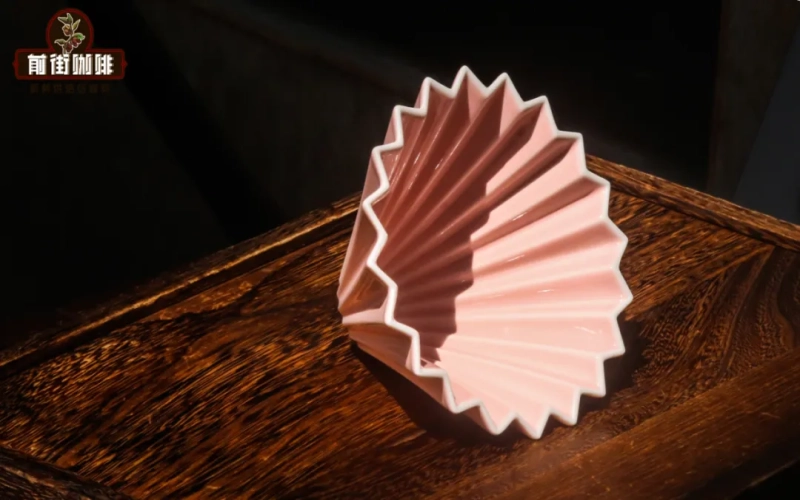
What is the Origami Dripper? How does it differ from the V60, and which filter paper should be used with it?
Among the many coffee drippers, one product stands out for its unique appearance and high compatibility: the Origami dripper, designed by Yasuo Suzuki, one of the founders of Japan's TRUNK COFFEE BAR. Its name comes from the Japanese word "折り紙," meaning origami. The most distinctive feature of this dripper is that it can be paired with either conical filters or cake filters, resulting in completely different extraction effects. So what are the characteristics of each of these two filter combinations? And what differences are there in the flavor and mouthfeel of the brewed coffee? In this article, Front Street will use the same Panama Boquete Geisha coffee beans for a comparative brew to help you find the filter pairing that suits you best. [more…]
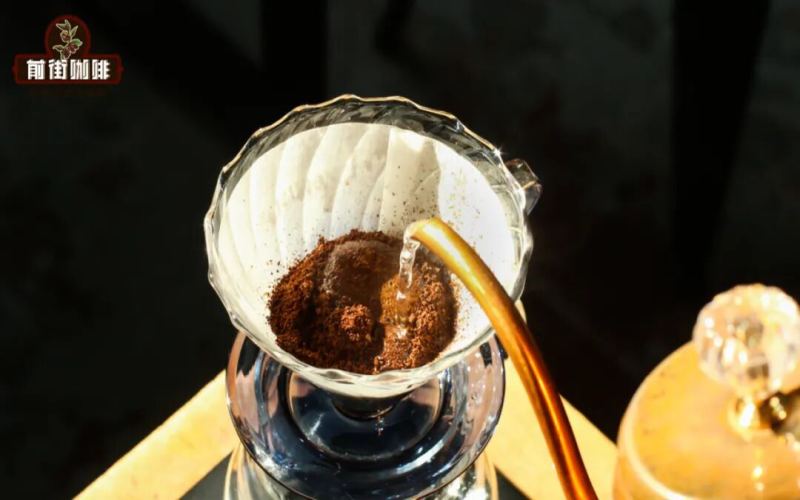
Pour-over coffee pouring techniques | How to make delicious pour-over coffee with a cake filter cup? What coffee flavors does Hacienda La Esmeralda Diamond Mountain present after brewing?
Water flow control, timing of pouring, and the harmonization of various parameters are all details we need to pay attention to during the coffee brewing process. Even for the three-stage pour, which Front Street Coffee considers the easiest way to brew good coffee with the highest margin for error, none of these three details can be neglected during brewing. When you stay focused for a long time or over many repetitions, [more…]
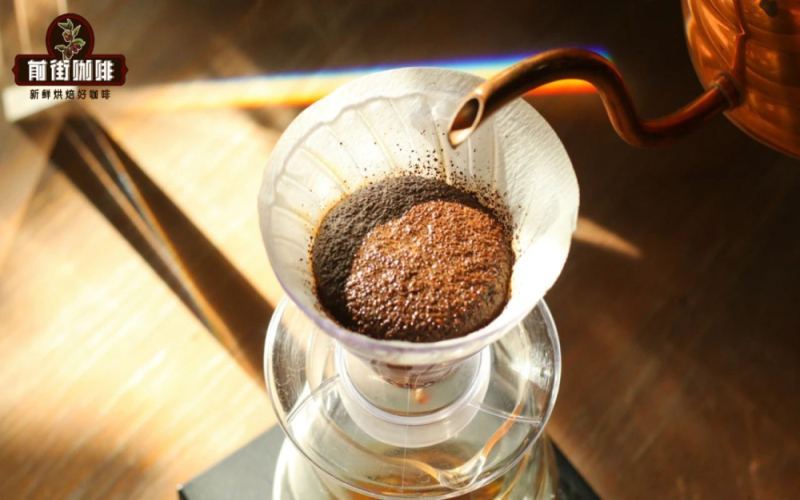
Multiple Brewing Methods for the Same Yirgacheffe: A Practical Comparison of Cake Filter, KONO, French Press, Strawberry Filter, and SOE
The same coffee beans, brewed with a different device, often yield dramatically different flavors in the cup. Front Street Coffee maintains an experimental spirit year-round, happily using different brewing methods to uncover the many facets of a bean. This article takes Front Street washed Yirgacheffe as a sample, extracting it using five methods: cake filter, KONO dripper, French press, strawberry dripper, and SOE, recording the parameters, techniques, and flavor performance one by one, and comparing the extraction logic and taste direction each device brings due to structural differences. After reading this article, you can make a more suitable choice based on the flavor you want to present, combined with the characteristics of the device. [more…]
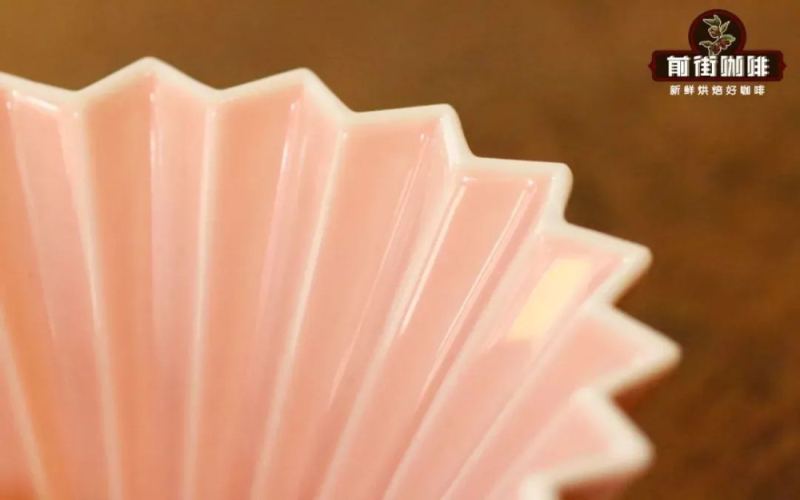
Origami Dripper Bean Suitability Analysis: Design Highlights, Brewing Recipes, and Practical Pros and Cons
The Origami dripper, with its angular shape and Nordic minimalist style, has become a familiar sight in cafés and equipment stores. Designed by Yasuo Suzuki, it can be used with either conical filters or cake filters, offering two completely different brewing experiences. Its fame grew even further when Du Jianing, the 2019 WBrC champion, used it. However, this dripper also has shortcomings, such as the lack of a base and limited coffee capacity. Front Street Coffee once conducted a comparative brew using blueberry beans from Costa Rica's Giant Stone Estate. This article will comprehensively analyze what coffee beans this dripper is suitable for, covering its appearance, star appeal, versatile brewing methods, and drawbacks. [more…]
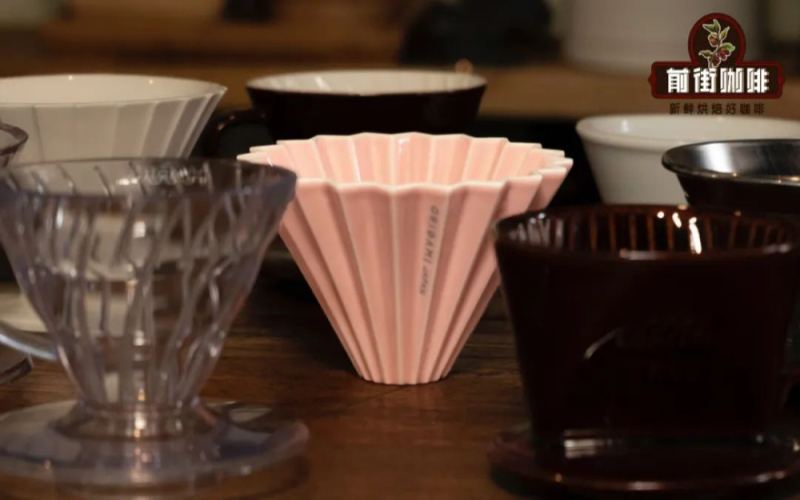
A Complete Analysis of the Flavor Differences and Pros and Cons of the Origami Dripper with Different Filter Papers
With its distinctive angular shape, the Origami dripper is highly recognizable among the many coffee drippers out there, and it can be seen in both coffee shops and world-class competitions. Designed by Yasuo Suzuki, this dripper's standout feature is that it can be paired with two different types of filter paper—conical and cake—and switching the paper directly affects the extraction rhythm and the final flavor direction. This article will start from the design origins of the dripper, combine a hands-on tasting with Geisha beans, compare the mouthfeel differences brought by the two types of filter paper, and objectively analyze the Origami dripper's strengths in terms of versatility as well as points to note when choosing a dripper stand. It also includes Front Street Coffee's store information, offering coffee enthusiasts a complete reference. [more…]

How to Use a Flat-Bottom Dripper with Adjustable Flow Rate? Hero Variable-Speed Cake Dripper Hands-On Review and Three Brewing Recipes
What kind of brewing experience does a flat-bottom dripper with manually switchable extraction modes actually deliver? Front Street recently got its hands on Hero's variable-speed cake dripper, which uses a knob mechanism to offer three flow-rate settings—immersion, slow, and uniform—while its flat-bottom design makes it quite beginner-friendly. Front Street has brewed beans such as washed Butterfly Flower, Mozart, and Juliette Geisha with it, and also tried extending the variable-speed function to iced pour-over scenarios, comparing it with the V60. This article provides a complete record of three sets of brewing parameters, flavor performance, and detailed issues found during use, for coffee enthusiasts' reference. [more…]
A Complete Guide to Costa Rica Baja Coffee Flavor Analysis and Raisin Honey Processing Brewing Techniques
Among the Costa Rican Musician Series, the Bach coffee bean stands out with its unique raisin honey processing method, displaying intense fermented aromas and rich sweetness, making it a favorite among many coffee enthusiasts. This article will start from the principles of raisin honey processing, thoroughly dissect the flavor characteristics of Front Street Coffee's Bach bean, and conduct brewing comparisons using the V60, cake filter, and ice-eye filter separately, recording the effects of different filter cups on flavor layers, balance, and mouthfeel, helping readers find the most suitable brewing method for themselves and fully appreciate the charm of this bean. [more…]
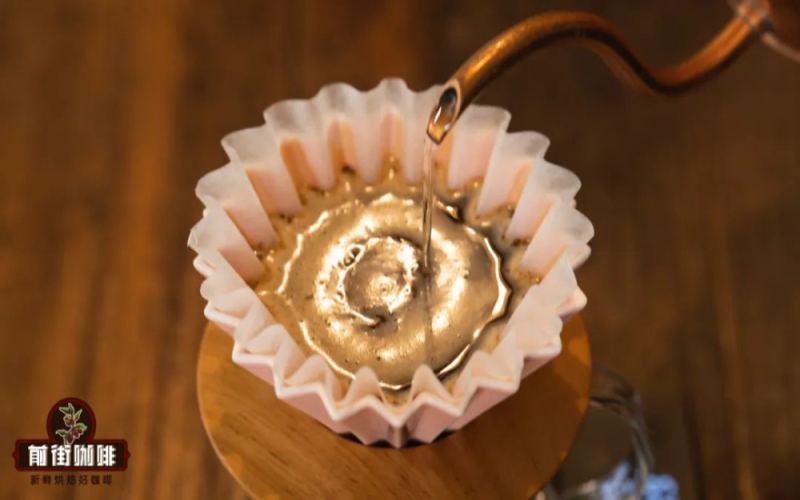
Why does the Origami dripper keep trending? A full breakdown of its design highlights, competition heritage, and two filter paper methods
The Origami dripper has remained a hot topic in the coffee world in recent years. Many people were initially drawn to it by its appearance, but after actually using it, they discovered that it is no mere "vase." This dripper's crease design combines flow guidance with aesthetics, and its 20 evenly spaced creases give it a distinct Nordic minimalist style. Another key reason for its ongoing popularity is its multiple appearances at the World Coffee Brewing Championship—Du Jianing in 2019 and Carlos in 2023 both won the title using it. Even more practical is that the Origami supports both conical and cake filters, allowing users to switch between fast-paced and slow-paced brewing to highlight aroma layering or a rich, full-bodied taste, respectively. Based on Front Street Coffee's actual test data, this article compares the flavor differences under the two types of filters and analyzes the real reason for its enduring popularity. [more…]
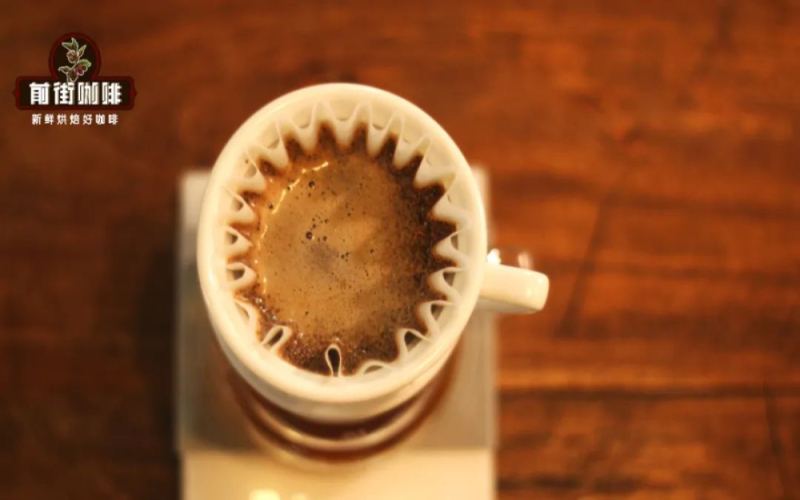
Why Is the Flat-Bottom Dripper Considered Beginner-Friendly? A Full Breakdown of the Cake Filter Cup Structure and Compatible Brewing Methods
When it comes to choosing a dripper, there is a common consensus: flat-bottom drippers offer a larger margin for error and are friendlier to those just getting into pour-over. Front Street Coffee has also mentioned in several articles that the flat-bottom structure has a natural advantage when it comes to even extraction. So what mechanism actually makes this possible? This article will clarify the differences between flat-bottom and conical drippers from the perspectives of coffee bed shape, rib design, and drainage hole layout. With the cake dripper as the main thread, it will also introduce the approaches of different schools such as Melitta 101, Lili, Ice Eye B75, Torch Donut, and April Brewer, helping you understand what kind of brewing approach flat-bottom drippers are suited to, and the role they play in the "fine grind, fast brew" trend. [more…]
The Complete Guide to Brewing Yirgacheffe at Home: V60 and Cake Cup Parameter Testing and Cost Per Cup Analysis
Yirgacheffe is Ethiopia's proud specialty coffee calling card, and also the entry-level choice and long-time beloved favorite of countless coffee enthusiasts. This article focuses on Front Street Yirgacheffe: first analyzing the berry and floral-fruity notes in its dry and wet aromas, comparing the flavor differences between natural and washed processing methods; then breaking down the structural features of the V60 conical dripper and the Kalita cake cup, including Front Street's complete tested brewing parameters, covering grind size, water temperature, coffee-to-water ratio, and extraction time; finally providing purchasing reference, a half-pound 227 grams sells for only 80-90 yuan, with a single cup costing about five or six yuan, allowing you to easily brew a high-quality cup of Yirgacheffe at home. [more…]
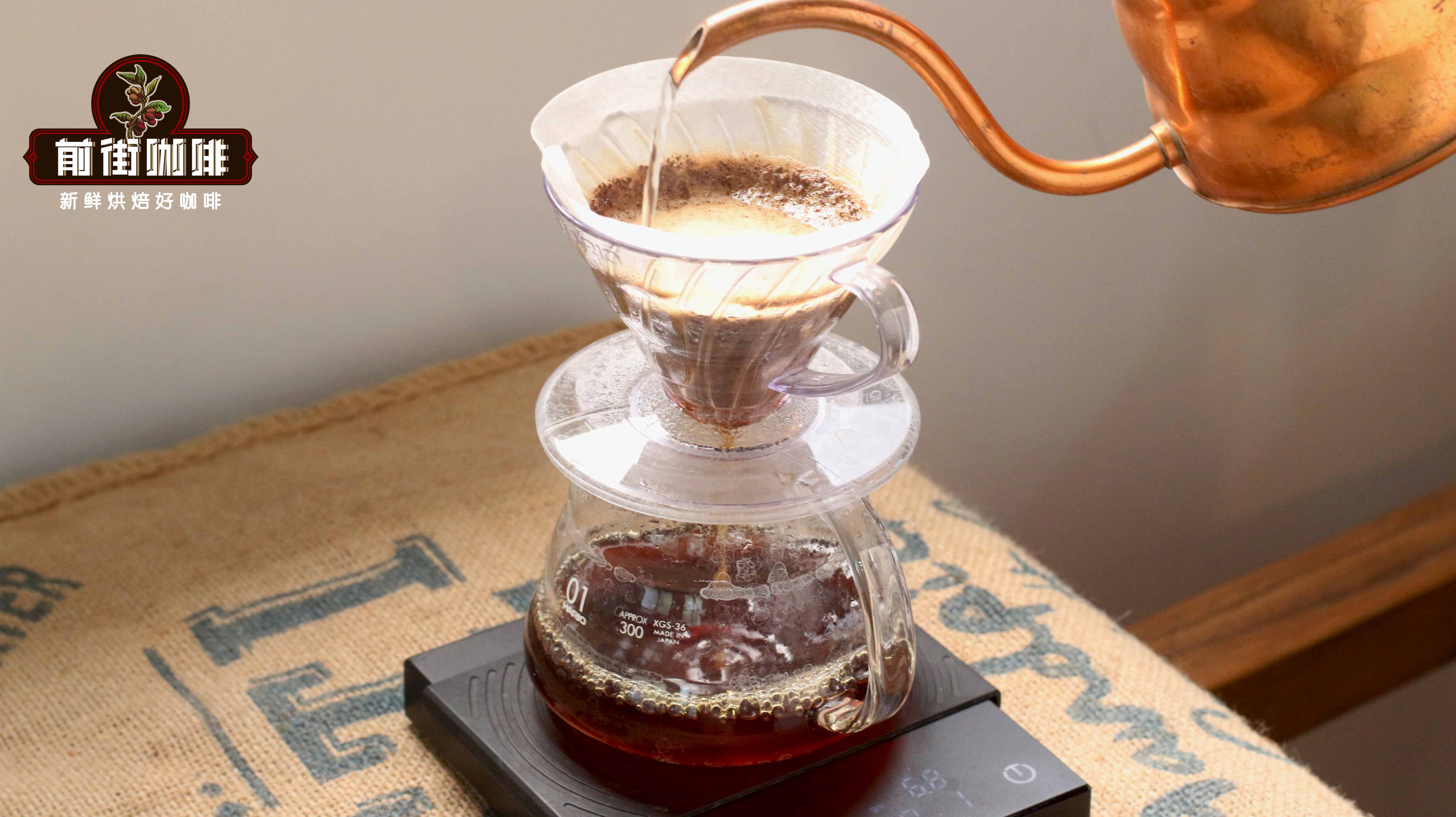
Which dripper should a pour-over beginner choose? A comprehensive comparison of the pros and cons of flat-bottom cake drippers and V60 conical drippers
For friends who are just getting into pour-over coffee and aren't yet skilled at pouring techniques, choosing the right dripper is often more crucial than honing your skills. Front Street Coffee believes that compared to the V60 conical dripper, which is touted as a "jack of all trades," the cake dripper (also called a flat-bottom dripper) demands less pouring expertise and makes it easier to brew a sweet cup. This article starts with the origin of the cake dripper's name and the extraction principles of its flat-bottom structure, analyzes why it is beginner-friendly and why its sweetness stands out, compares the pros and cons of conical drippers, helps enthusiasts understand the characteristics of different drippers, and includes Front Street Coffee's bean recommendations suited to flat-bottom drippers. [more…]
Panama Elida ASD Anaerobic Low-Temperature Slow Natural Geisha: Four Pour-Over Brewer Methods and Flavor Comparison
Front Street recently acquired a Geisha coffee bean from Elida Estate in Panama, processed using the NATURAL-ASD anaerobic fermentation low-temperature slow sun-drying method—the same process used for this year's Panama BOP champion Geisha in the processing category. After the beans were properly rested, we tested brewing with a hollow filter cup, Ice Eye filter cup, cake filter cup, and diamond filter cup, standardizing the parameters to 15 grams of coffee, medium-fine grind, 90°C water temperature, and a 1:15 coffee-to-water ratio, recording the extraction time and flavor performance for each filter cup. Elida Estate is renowned for its sun-dried processing, and this ASD Geisha shines in fermentation aroma, juicy mouthfeel, and layered tea-like notes. Below, we share four specific brewing recipes and comparison results for coffee enthusiasts' reference. [more…]
Sidamo Huakui Pour-Over Guide: Comparing Three Dripper Parameters and Analyzing Flavor Differences
Ethiopian coffee has always been renowned for its floral aromas and fruity acidity, and among them, the naturally processed Sidamo Huakui—with its intense fruity profile and honey-like finish—has become a favorite among many coffee enthusiasts. This article will start with the origin of the name Huakui and the background of its producing region, then provide a detailed interpretation of three pour-over recipes designed by Front Street Coffee for this bean—corresponding to flavor-focused, body-focused, and balanced styles respectively—covering the specific parameters and brewing performance of the Hario V60, Kalita three-hole trapezoid, and WAVE cake filter. If you are looking for a naturally processed bean with prominent sweetness and rich layers, or want to understand the practical effects of different drippers on extraction results, this content will provide a clear reference. [more…]
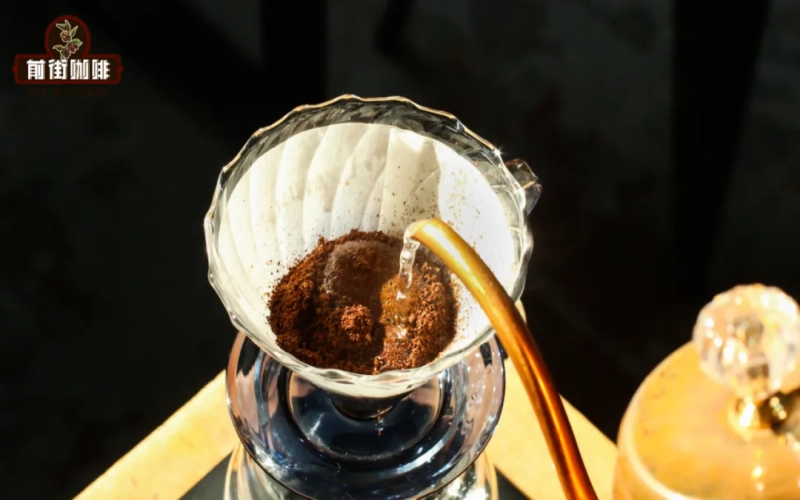
What water temperature should be used for a one-pour-over single-pour? How do you perform the two-stage pouring method? A detailed explanation of world runner-up Patrik Rolf's brewing method.
Pour-over coffee doesn't always require total focus on timing every second and controlling the flow. A two-pour method from Patrik Rolf, founder of Norway's April brand and runner-up at the 2019 WBrC, has a low barrier to entry: simply split the total water into two equal pours and finish pouring at fixed time points, yet the resulting cup is quite balanced and tasty. This method has one prerequisite: it must be used with a flat-bottom or cake filter cup. This article will fully break down the principles, suitable bean types, and practical steps of this approach, and using 15g of Front Street Emerald Estate washed Diamond Mountain as an example, give specific parameters of 94°C water temperature, a 1:16 coffee-to-water ratio, and a 90% pass-through rate on a No. 20 sieve. Front Street will also include bean selection suggestions for different roast levels, so friends who enjoy floral and fruity acidity or a rich, full-bodied taste can both find a direction that suits them. [more…]
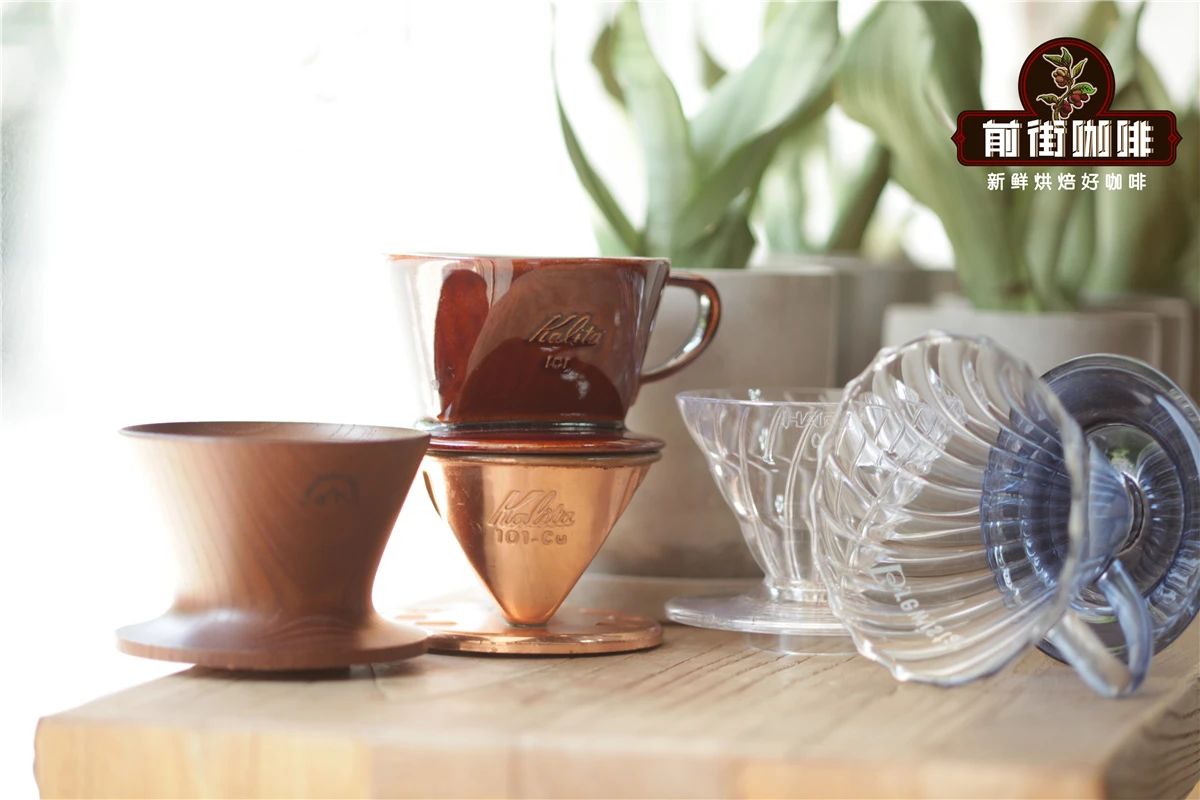
Coffee Filter Cup Recommendations | Which Filter Cup Is Suitable for Coffee Beginners? What Filter Cup Should Newbies Use for Brewing Coffee? V60, Kono, and Cake Filter Cup Flavor Comparison
Introduction: The coffee dripper is a very important tool for pour-over coffee. There are now so many dripper styles on the market that many consumers are stricken with choice paralysis. Today Front Street is here to share a way of thinking about how to choose! Drippers can be compared from these angles. I. The material of the dripper. Up to now, drippers [more…]
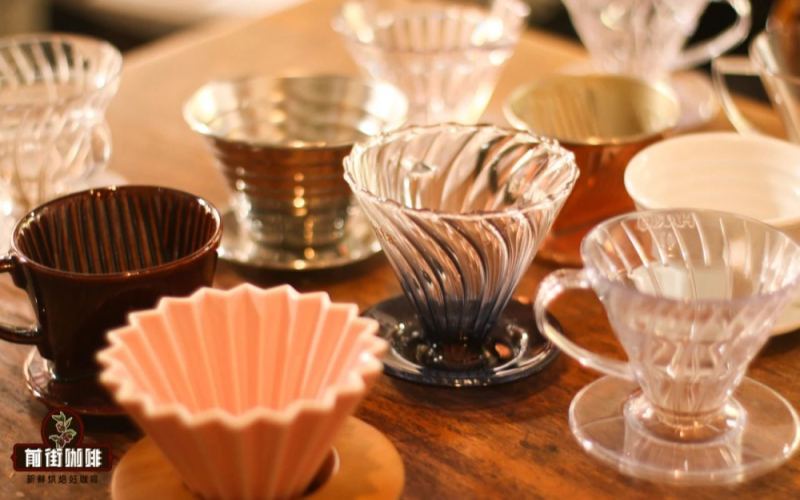
The Complete Guide to Pour-Over Coffee Dripper Selection: Common Types, Material Differences, and Brewing Compatibility Guide
In the toolkit of pour-over coffee gear, the dripper plays a pivotal role. With the third wave of coffee and the growing popularity of single-origin specialty beans, pour-over brewing rose in Japan and swept the globe. Getting started with pour-over isn't complicated—all you need is a gooseneck kettle, filter paper or a metal mesh, a dripper, and ground coffee. Yet the sheer variety of drippers often leaves beginners at a loss. This article systematically breaks down the structural features and flow-rate differences of mainstream drippers—wedge, cone, origami, wave, and metal—analyzes how different materials affect heat retention, and, drawing on brewing practice with a range of Front Street beans, explains how dripper choice shapes a coffee's balance, body, and aromatic layering, offering enthusiasts a practical reference. [more…]
An Analysis of Sidamo Huakui Coffee Flavor Characteristics, and a Comparison Guide to Brewing with V60 vs. Cake Filter
In recent years, sour coffee has gradually gained popularity. Today, Front Street Coffee wants to talk with you about the famous Huakui from the Sidamo region of Ethiopia. It comes from Guji Hambela and is a naturally processed G1-grade specialty bean. With bright citrus and berry notes, a juicy sweet-and-sour taste, an affordable price, and a very high extraction fault tolerance, it quickly became the entry-level first choice for many coffee lovers. But what exactly do the numbers often following Huakui, such as 5.0, 7.0, and 8.0, represent? And what flavor differences arise when brewing the same bean in different drippers? This article will first introduce Huakui's origins and version evolution, then compare the stylistic differences between the V60 and the cake dripper through hands-on brewing. [more…]
Multiple Interpretations of the Same Yirgacheffe: Brewing Parameters and Flavor Comparison Across Five Pour-Over Devices
The same coffee beans, brewed with a different device, will present a completely different profile in the cup. Front Street Coffee has always enjoyed exploring the possibilities of beans through experimentation, using French presses, siphon brewers, espresso extraction, and various pour-over drippers to find the most interesting side of each bean. This time, Front Street selected a washed Yirgacheffe and brewed it with a cake filter, KONO dripper, French press, strawberry dripper, and SOE method, recording the parameters, techniques, and flavor performance of each. Different device structures change the flow rate and immersion time, thereby affecting the extraction yield and the direction of the mouthfeel. We hope this comparison can provide some reference for you when choosing a brewing method. [more…]