







Introduction
The coffee dripper is a very important tool for pour-over coffee. There are now so many styles of drippers on the market that many consumers are overwhelmed by choice. Today, Front Street Coffee is here to share a way of thinking about how to choose!
Drippers can be compared from these angles
ⅠDripper material
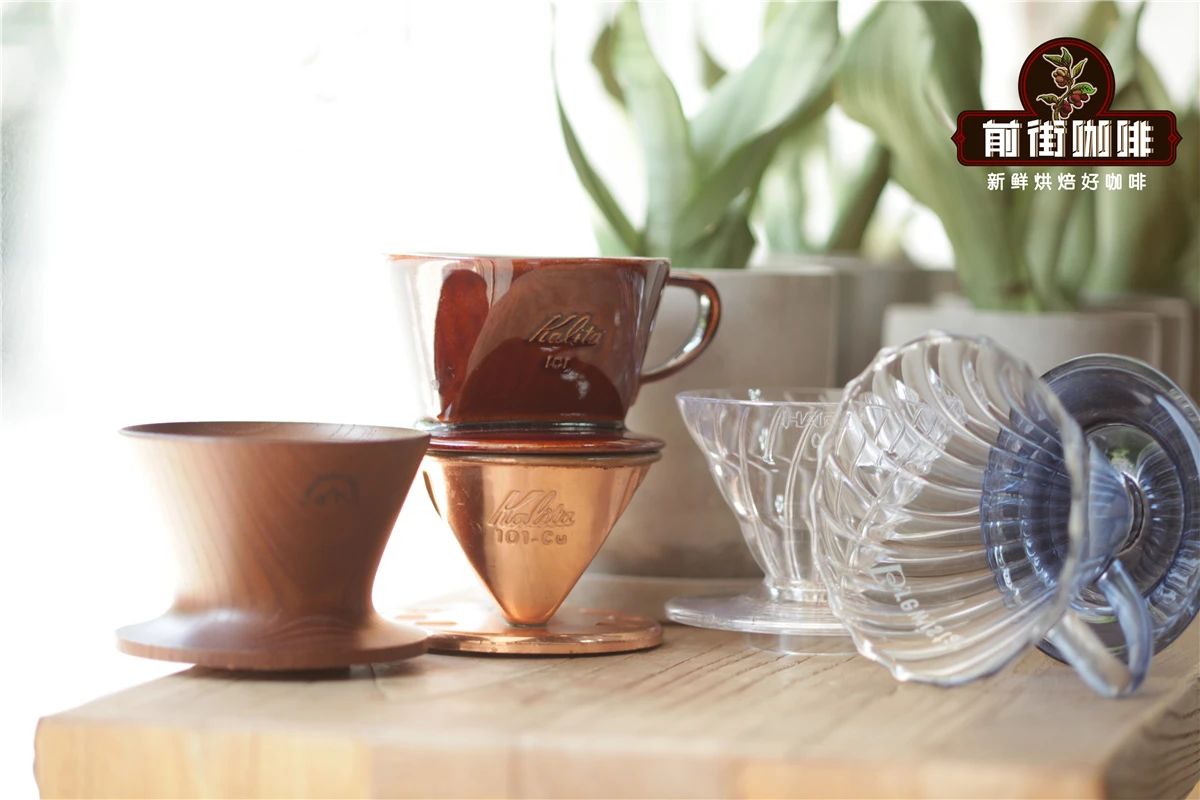
Over time, many materials have been used for drippers, including resin, glass, ceramic, metal, and wood. Among these materials, we need to focus on heat retention, shaping precision, and price.
①Heat retention
Different materials lead to differences in a dripper's heat retention. Generally speaking, the better the heat retention, the better. However, we need to understand the heat retention principle of these materials: they must first absorb heat before they can maintain temperature. If comparing heat retention after preheating, the order is [ceramic > brass metal > glass > resin], but without preheating, the order for maintaining temperature is [resin > brass metal > glass > ceramic].
Ceramic has the best heat retention, but it absorbs heat relatively slowly during preheating, and without preheating it loses heat quite seriously in the early stage; metal conducts heat relatively quickly, meaning it absorbs heat and preheats quickly, but its subsequent heat retention is inferior to ceramic; glass is middling, but its advantage is transparency and strong visual appeal; resin has the worst heat retention, but resin also has an advantage: this material does not absorb heat much and does not retain heat much either, so there is not much difference whether the dripper is preheated or not.
②Shaping precision
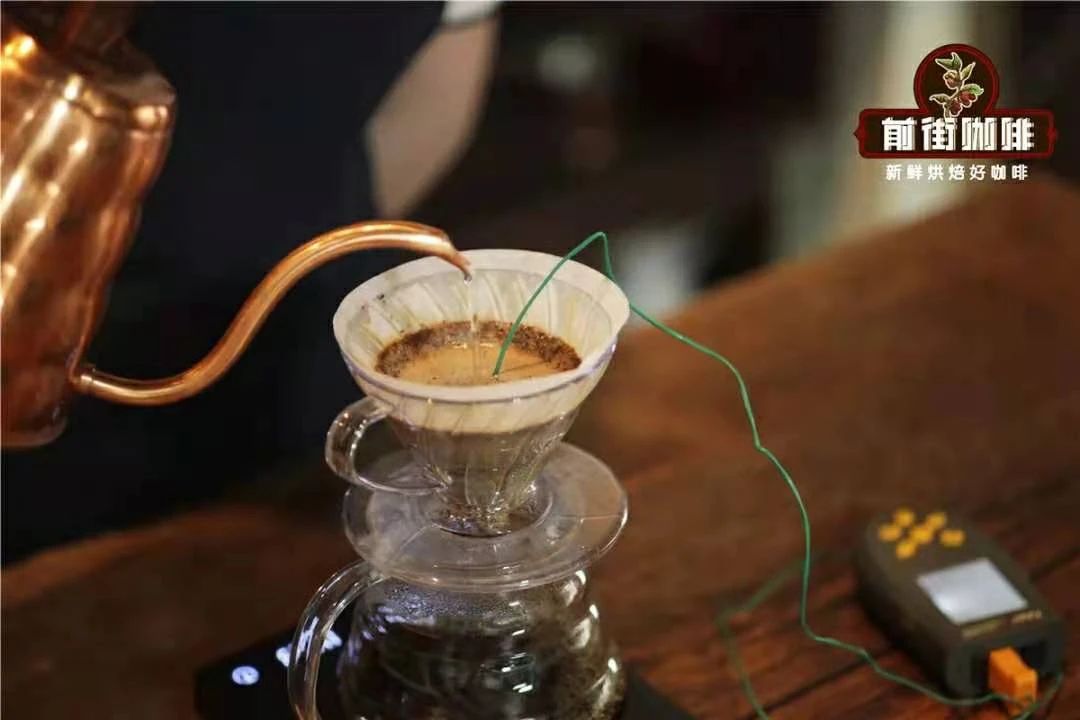
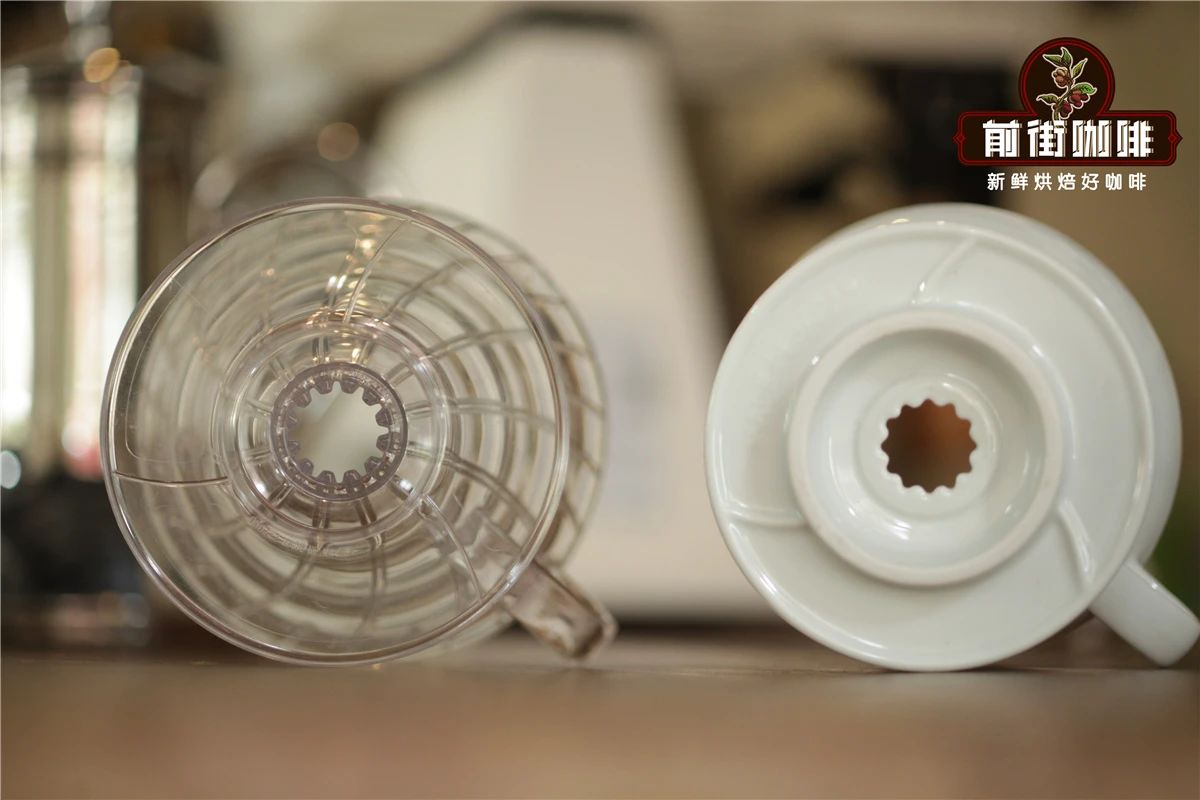
The ribs on a dripper are the soul of the dripper. Because different materials involve different processes, the shapes of the ribs produced also differ to some extent. The best shaping precision is found in resin drippers. They are standardized industrial products made by large-scale mass production, and their precision is far higher than that of ceramic, glass, and other materials. The feel of the dripper ribs when touched by hand is relatively firm. With ceramic materials, because a glaze has to be applied at the end, the ribs appear relatively smooth and gentle. The same principle applies to the processes for glass and metal.
Therefore, in terms of shaping precision, [resin > glass > brass metal = ceramic]
③Price
Taking Hario drippers as an example, [metal > ceramic = glass > resin]
From the perspective of practicality, Front Street Coffee believes that resin material is unquestionably the best. Aside from relatively poor heat retention, it has the advantage in price, the best shaping effect, and it is also the lightest, shatter-resistant, and convenient.
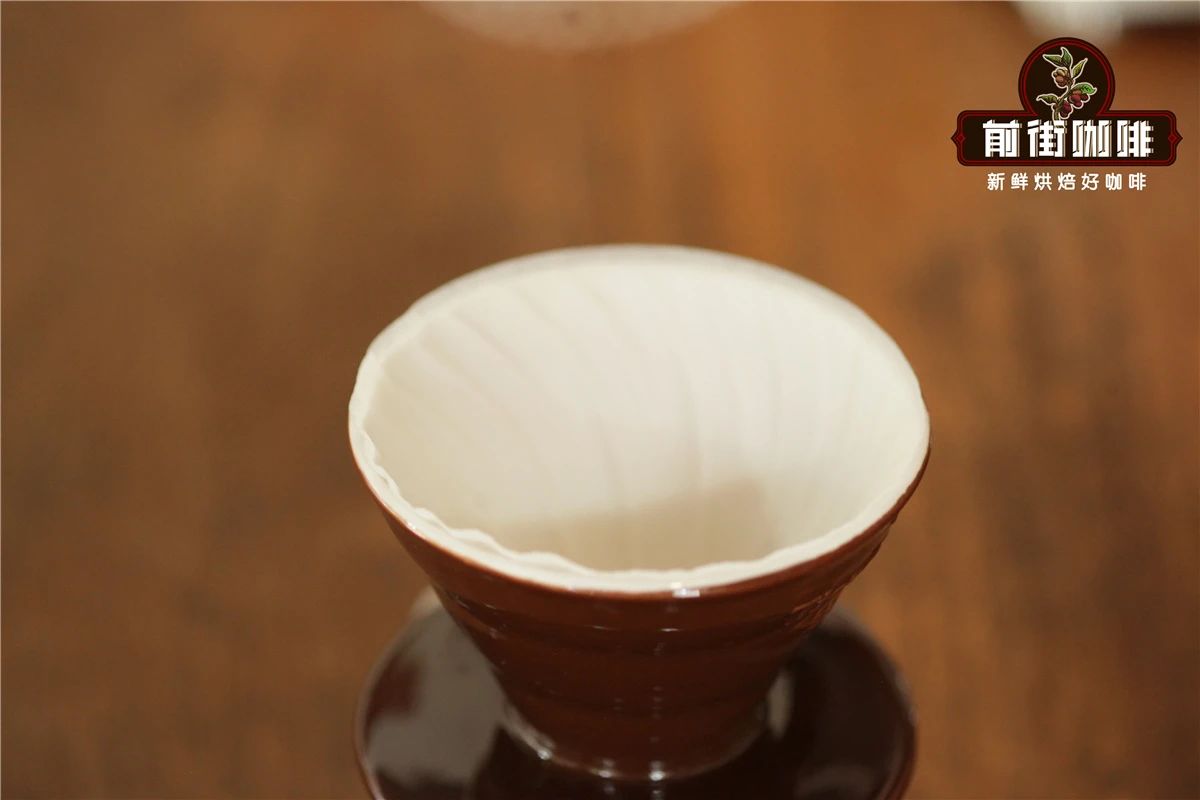
From the perspective of visual appeal, ceramic is a good choice: attractive appearance, enough weight to feel steady, and good heat retention. But when using a ceramic dripper, you need to pay attention: there will be a curve rather than an angle between its ribs and the dripper wall. After placing the filter paper and wetting it, the ribs do not prop up the filter paper, but instead the paper clings to the dripper wall. This will reduce the flow rate of water.
It is not very recommended to buy metal drippers. First, they are expensive; second, they are not easy to maintain and are prone to oxidation and rusting over time.
ⅡStructural characteristics of drippers
Drippers now come in diverse shapes and structures. Broadly speaking, they are divided into conical drippers, trapezoidal drippers, and flat-bottom drippers. The smaller differences lie in the ribs (flow guides) and in the number and size of the drainage holes at the bottom.
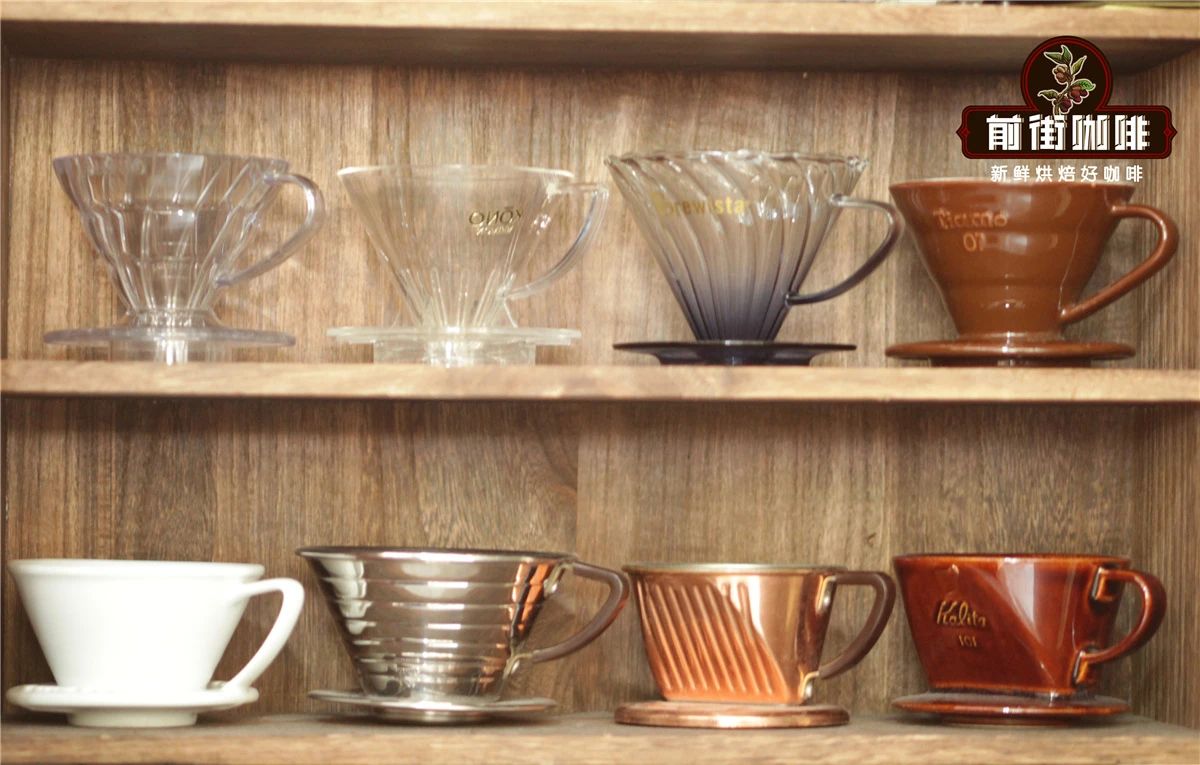
If the purpose is brewing practicality, then we only need to understand the dripper's flow rate. Drippers with many flow-guiding ribs, such as V60, Origami, and Starry, are designed for fast flow. This type of dripper can express clean, rich coffee flavors and is suitable for brewing light-roast coffee beans with abundant floral and fruity notes.
Drippers designed for slower flow, such as Kono, trapezoidal drippers, strawberry drippers, and cross-star infinite drippers, produce coffee with a heavier mouthfeel and high sweetness. Front Street Coffee recommends them for brewing medium-dark roast coffee beans.
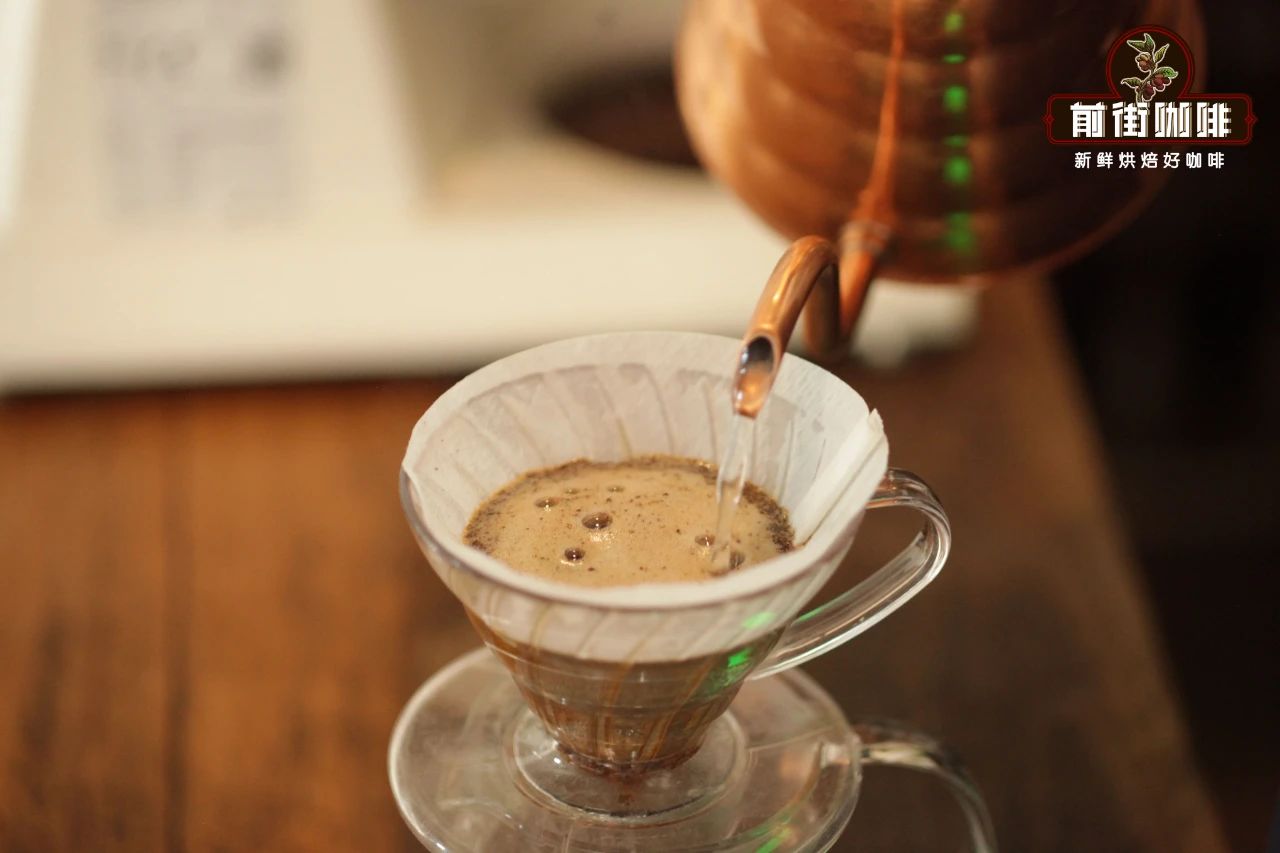
Finally, if you are still struggling over which dripper to buy, you might as well start with the Hario resin V60. It is inexpensive and you definitely will not lose out, and it can also serve as a standard reference. After all, most people still use the V60 dripper, and it is a general-purpose dripper.
The above content is compiled by CoffeeHunters, a coffee news website.


