







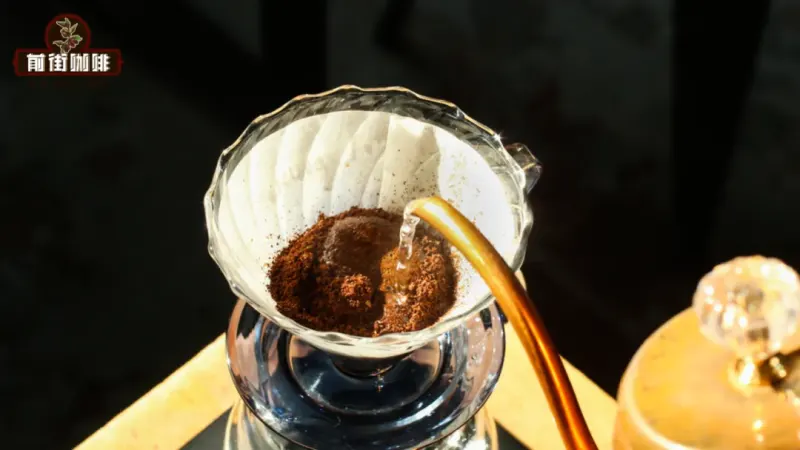
How does the two-stage pouring method work for s.o.e coffee?
The two-pour method from Patrik Rolf, founder of the Norwegian brand April and runner-up at the 2019 World Brewers Cup, splits the total water in half and pours each portion at a fixed time. It requires a flat-bottom or cake filter basket, because the flat bed distributes grounds more evenly, lowers demands on flow control, and keeps extraction consistent. A worked example uses 15g of washed Diamond Mountain at 94C, a 1:16 ratio, and a 90% passing rate through a No. 20 sieve.
The appeal is a lower barrier to entry: no second-by-second timing and no constant flow adjustments, yet the cup stays balanced. Bean selection still matters, so the guidance covers different roast levels, giving those who prefer floral, fruity acidity and those who want a rich, full body a direction that suits them. The method differs from traditional thinking, but the flavor result is practical for daily brewing.
Pour-over coffee doesn't always require total concentration on timing every second and controlling the flow. A two-pour method from Patrik Rolf, founder of the Norwegian brand April and runner-up at the 2019 WBrC, has a low barrier to entry: simply split the total water in half and pour each portion at a fixed time, yet the result is quite balanced and delicious. This method has one prerequisite: it must be used with a flat-bottom or cake filter basket. This article will fully break down the principles, suitable bean types, and practical steps of this approach, using 15g of Front Street Emerald Estate Washed Diamond Mountain as an example, with specific parameters of 94°C water temperature, a 1:16 coffee-to-water ratio, and a 90% passing rate through a No. 20 sieve. Front Street will also include bean selection suggestions for different roast levels, so friends who prefer floral and fruity acidity or a rich, full-bodied taste can all find a direction that suits them.
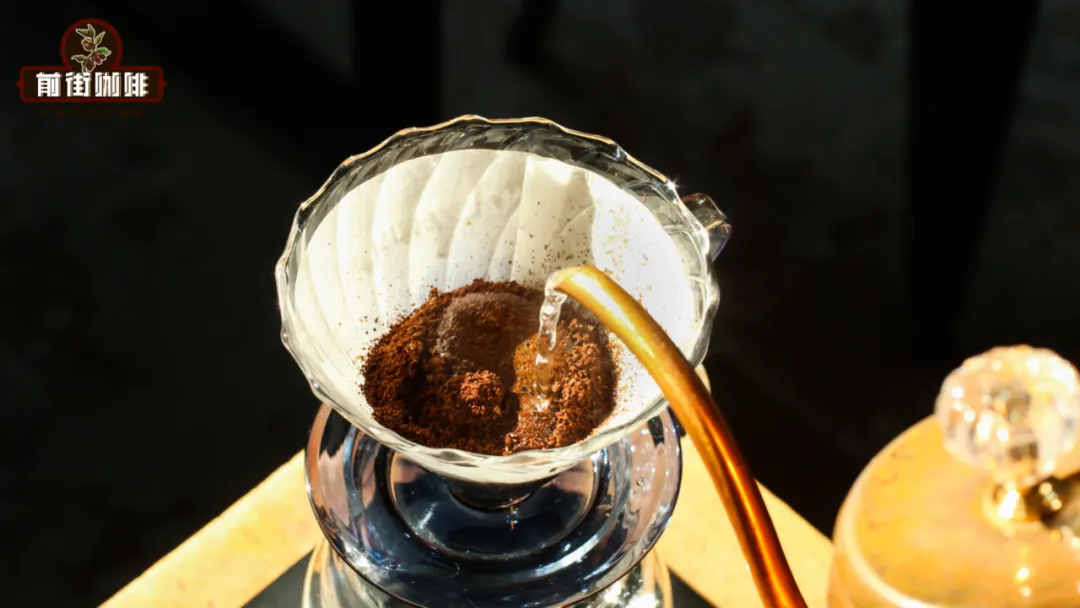
After staying highly focused on brewing coffee for a long time, sometimes you want a more effortless approach—no need to watch the pouring timing closely, no need to keep the flow steady at every moment, and still get a good-tasting cup. Front Street recently dug up a brewing method that fits all these conditions perfectly—just pour a set amount of hot water at fixed time points, and you'll get a cup that performs impressively.
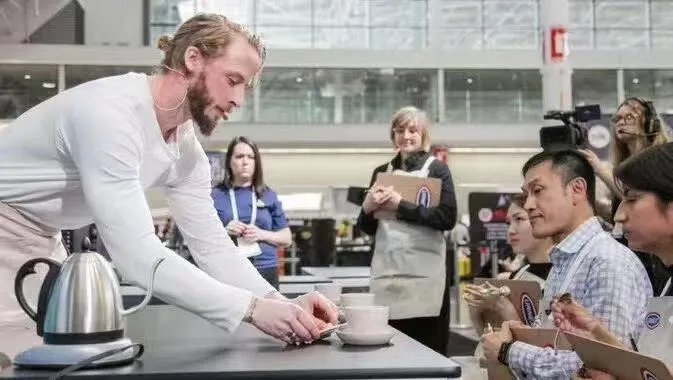
This method comes from Patrik Rolf, founder of the Norwegian coffee brand April. Besides founding the brand, he has another identity: runner-up at the 2019 World Brewers Cup (WBrC).
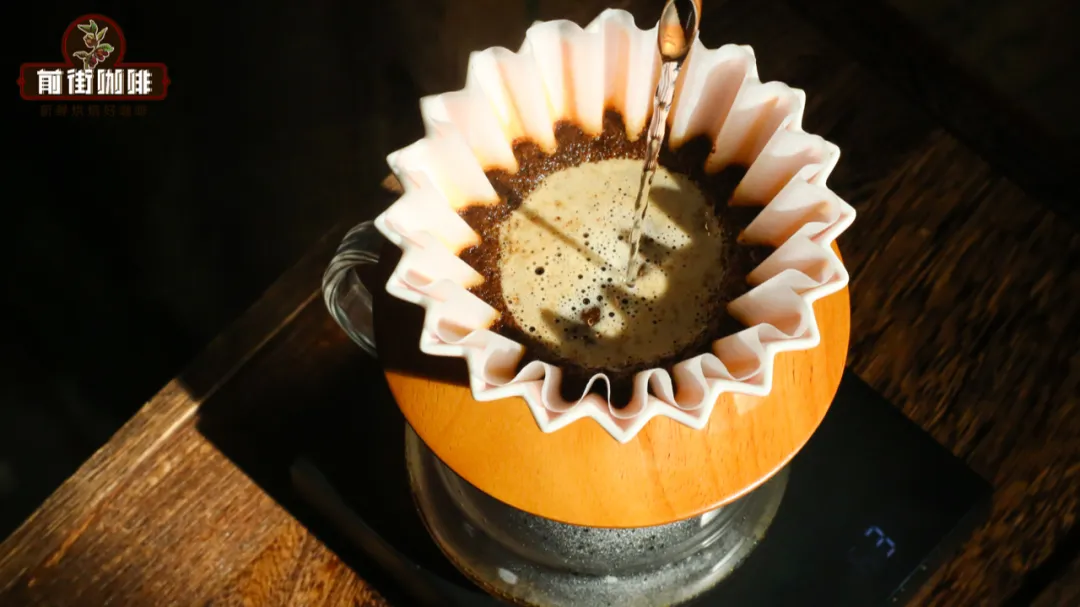
Patrik has his own system for understanding coffee. Just like the method Front Street is sharing today, although it differs quite a bit from traditional thinking, the resulting flavor is genuinely noteworthy and highly practical. Front Street will first explain the overall idea, which is actually very straightforward: split the total pour water into two stages and pour each at a fixed time. However, there is a hard requirement—it must be used with a flat-bottom filter basket or cake filter basket.
Why is a cake filter basket essential? There are two reasons. First, the cake filter basket has a flat bottom, so the coffee bed is distributed more evenly, naturally lowering the demands on flow control, and the bed won't pile up too thick, ensuring greater extraction consistency. Second, the cake filter basket usually has a slower flow rate, so hot water stays in the basket longer. Combined with the pour being split into two stages, each with a decent amount of water, the slow flow rate creates more immersion-style extraction, making the overall flavor more balanced.
In addition, this method isn't picky about roast level—you can choose beans entirely according to your own taste. If you prefer floral and fruity acidity, choose light-roasted beans, such as Front Street Ethiopia·Huakui from the Front Street bean list, or Front Street Fenzhijie Estate·Xizhua, Front Street Boquete Washed Geisha; if you like a rich, full-bodied texture, choose dark-roasted beans, such as Front Street Sumatra·Golden Mandheling from the Front Street bean list, or Front Street Brazil·Queen Estate. Without further ado, Front Street will now demonstrate exactly how to brew.
Brewing Demonstration This time Front Street selected Front Street Emerald Estate·Washed Diamond Mountain from the Front Street bean list. The brewing parameters are as follows:
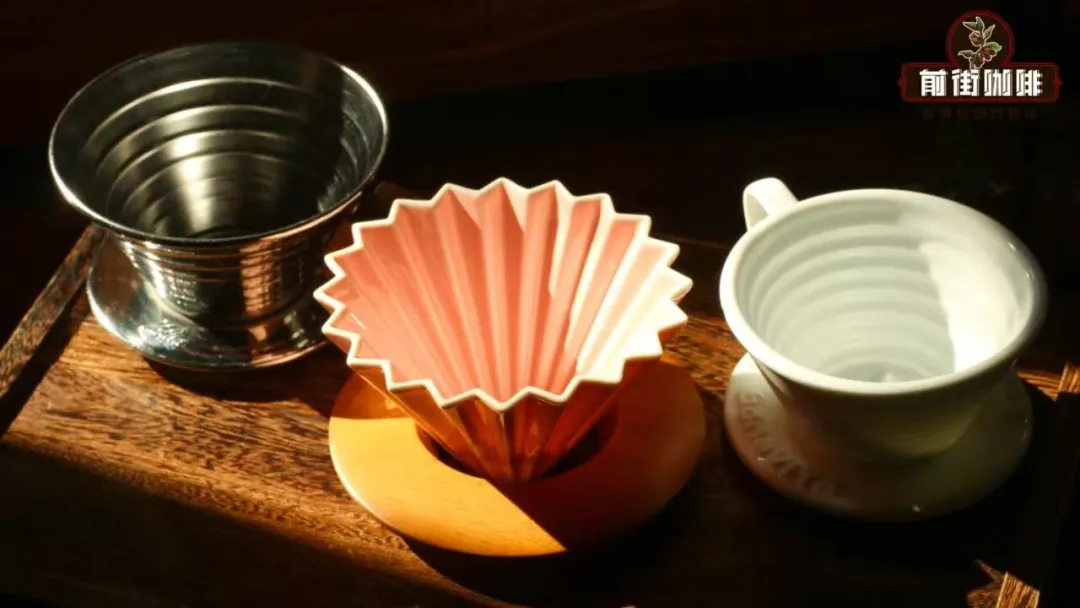
Dose: 15g Coffee-to-water ratio: 1:16 Grind size: 90% passing rate through a No. 20 sieve, fine granulated sugar coarseness (on the finer side) Water temperature: 94°C Filter basket: Origami filter basket Total pour water 240ml, split evenly into two stages, 120ml each. Step one: pour the first stage of 120ml hot water. Use a medium flow starting from the center, slowly circling from the inside outward.
After circling to the outer ring, keep pouring in large circles until this stage's water is fully poured. At about 50 seconds, all the water in the basket will have drained through, and the coffee bed will show a fairly deep crater. When the time reaches 1 minute, you can begin the second pour. The second stage is also 120ml, again starting from the center, circling in large circles, and finally maintaining large-circle pouring until the target water amount is fully poured.
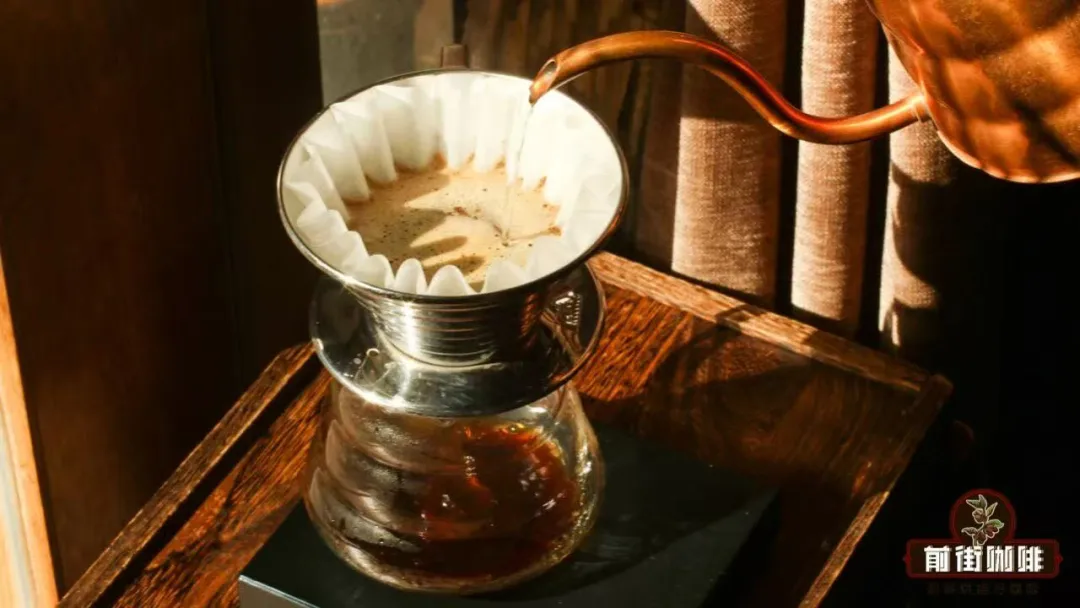
At about 1 minute 20 seconds, the pour is complete, and by around 2 minutes 30 seconds, the coffee liquid in the basket will have dripped through completely. At this point you can remove the basket, and extraction is finished. Next comes the tasting phase.
As Front Street said earlier, the coffee brewed this way really does perform well—the strengths and characteristics of Front Street Washed Diamond Mountain are beautifully showcased. On the palate you can sense delicate floral notes, citrus-like sweet acidity, and a fresh green tea quality. The flavor is balanced, the body is light, and overall it's very pleasant to drink, with no heaviness at all. Interested friends might as well give it a try—it's not complicated to execute. But note one thing: this pouring method's extraction efficiency isn't very high, so you can boldly grind finer and boldly raise the water temperature to avoid under-extraction.

- END -
The above content is compiled by CoffeeHunters, a coffee news website.


