







What Is SOE in Coffee and How Does It Change the Cup?
SOE means single origin espresso: one coffee, in this case a washed Yirgacheffe, pulled as espresso rather than blended. In a comparison across a cake dripper, KONO dripper, French press, strawberry dripper, and SOE, the same bean produced different extraction yields, mouthfeels, and flavor directions because each device changes flow rate and contact time.
Device structure drives the result. The cake dripper's flat bottom and three small holes slow the flow, keeping coffee particles in longer immersion and giving a more balanced cup, while other brewers extract faster. Grind size, water temperature, and ratio were recorded for each method so the differences could be traced back to the setup rather than the bean.
The same coffee bean can present a completely different flavor profile in the cup when brewed with a different device. Front Street Coffee has always enjoyed exploring the possibilities of beans through experimentation, using French presses, siphon brewers, espresso extraction, and various pour-over drippers to find the most interesting side of each bean. This time, Front Street selected a washed Yirgacheffe and brewed it with a cake dripper, KONO dripper, French press, strawberry dripper, and SOE method, recording the parameters, techniques, and flavor performance of each. Different device structures change the flow rate and immersion time, thereby affecting the extraction yield and the direction of the mouthfeel. We hope this comparison can provide some reference when you choose a brewing method.
Front Street has always believed that the same bean can have multiple brewing paths, and each path brings different flavors and mouthfeels, giving tasters different experiences. Front Street has an experimental spirit and is happy to try various brewing techniques to discover the uniqueness of different coffees. French press, siphon, espresso extraction, and so on are all part of the brewing experience. Today Front Street will share the performance of the same bean under different brewing methods and see exactly what differences there are between them.
| Bean Introduction |
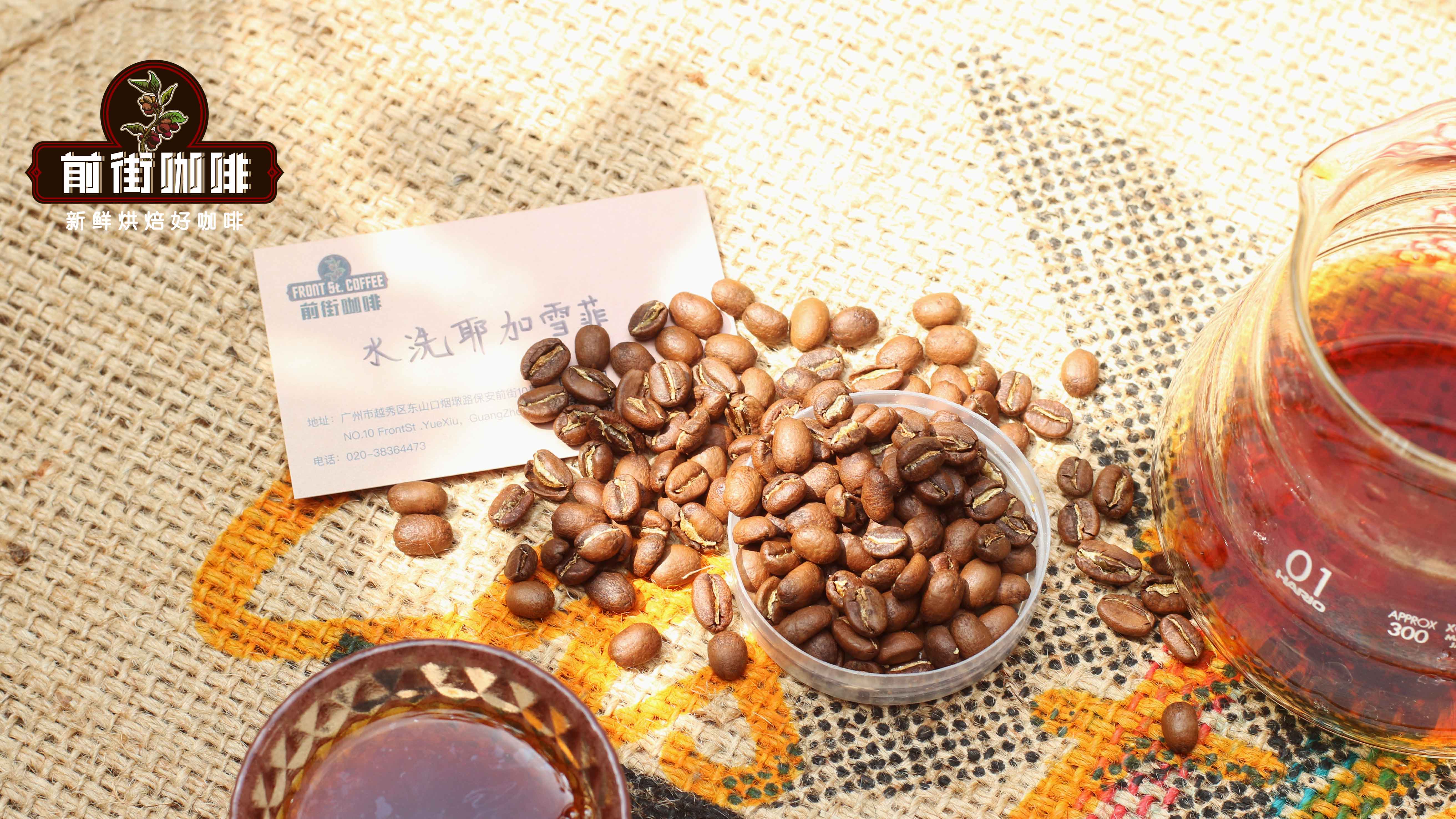
Yirgacheffe is a small town in Ethiopia, with an altitude of 1,700-2,100 meters, making it one of the highest coffee-producing regions in the world. Originally, the Yirgacheffe region belonged to the Sidamo region, but it was later separated because the coffee produced here had a unique flavor.
Ethiopia Yirgacheffe
Front Street Washed Yirgacheffe
Country: Ethiopia
Region: Yirgacheffe
Altitude: 1,800-2,000 meters
Processing method: Washed
Variety: Local heirloom varieties
【Cake Dripper】
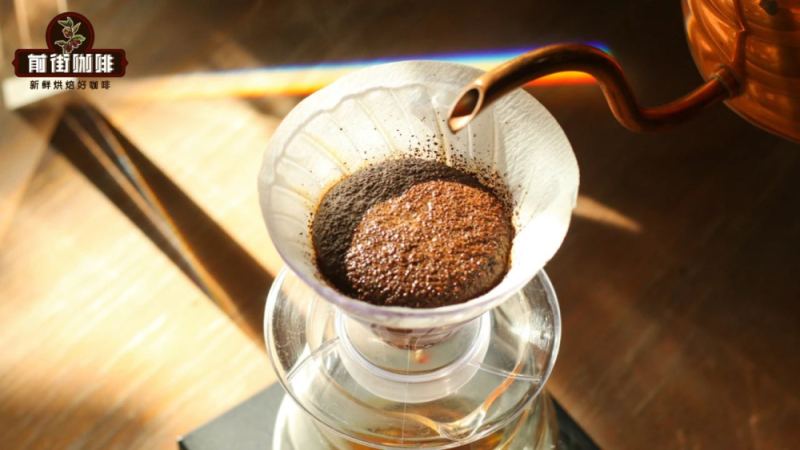
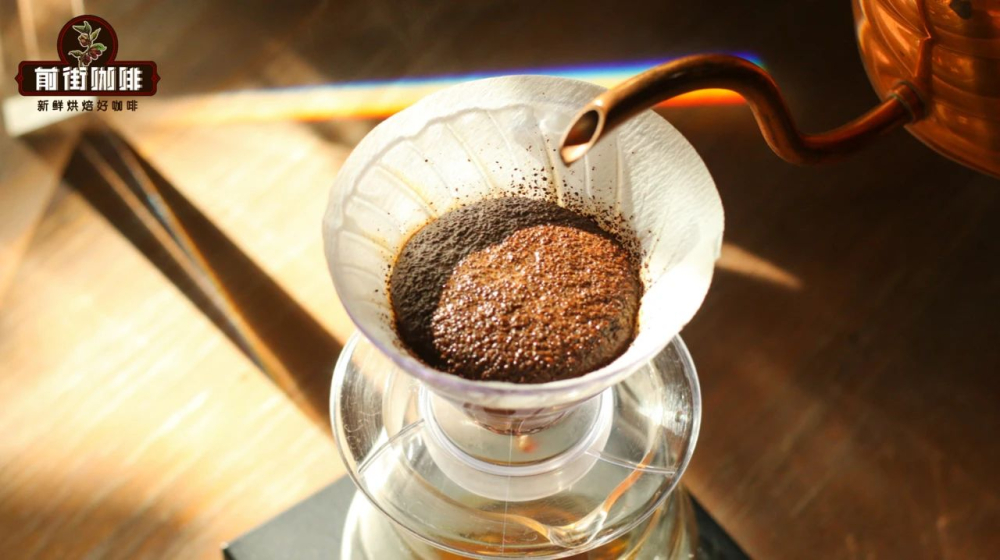
The bottom of the cake dripper is flat, and this flat-bottom structure allows the coffee to be extracted more fully. In addition, with only three small holes at the bottom, the flow rate is naturally slower, allowing the coffee grounds to remain in a state of immersion for a long time, and the final brewed coffee has better balance.
Parameters & technique: 15g coffee grounds; medium-fine grind (78% passing through a Chinese standard No. 20 sieve); water temperature 90°C, coffee-to-water ratio 1:15; bloom with 31g water for 30 seconds, pour a small stream of water into the center until 122g, then continue pouring until 227g when the water level is about to expose the coffee bed, and remove the dripper when the water level is about to expose the coffee bed. (Timing starts at the beginning of the bloom.) Extraction time is two minutes.
Flavor: The aroma is lemon and nutty, with a lemon acidity on the palate, clear sugarcane sweetness, a faint floral note, and an oolong tea-like finish.
【KONO】
The ribs of the KONO dripper are relatively short, and the filter paper fits closely against the dripper. During brewing, the exhaust space of the dripper is therefore compressed, air flow is restricted, and the flow rate slows down. The coffee grounds remain immersed for a fairly long time, which extends the time for coffee particles to absorb water and ultimately gives the brewed coffee better overall balance, making under-extraction less likely.
Parameters & technique: 15g coffee grounds; medium-fine grind (80% passing through a Chinese standard No. 20 sieve); water temperature 90°C, coffee-to-water ratio 1:15; bloom with 31g water for 30 seconds, pour a small stream of water into the center until 124g, then continue pouring until 228g when the water level is about to expose the coffee bed, and remove the dripper when the water level is about to expose the coffee bed. (Timing starts at the beginning of the bloom.) Extraction time is 2 minutes.
Flavor: Creamy and lemony on the palate, with a black tea finish. The aroma is relatively restrained, and the sweetness is obvious.
【French Press】
The French press can be considered a fairly convenient device. Making coffee with it is not complicated: simply let the coffee fully immerse in the pot, then separate the coffee liquid from the grounds with a plunger fitted with a metal filter. Coffee made this way has a prominent richness and can enhance body and oiliness, making it a convenient and easy-to-use tool.
Parameters & technique: 20g coffee grounds; medium-fine grind (80% passing through a Chinese standard No. 20 sieve); water temperature 90°C, coffee-to-water ratio 1:15; pour directly to 300g, stir 5 times at 1 minute 30 seconds to allow the grounds and water to fully contact, then immerse until two minutes, press and filter, and the extraction time for pouring out all the coffee is 2 minutes 30 seconds.
Flavor: Floral, with lemon acidity on the palate, creamy and sugarcane sweetness, a black tea finish, and a relatively thick and smooth mouthfeel.
【Strawberry Dripper】
The ribs on the inner side of the dripper are designed in a dotted distribution, resembling the small seeds on the surface of a strawberry. Combined with the relatively small holes at the bottom, it can be judged that its flow rate is relatively slow, thereby raising the extraction yield.
After pairing it with filter paper, because the dripper is densely covered with bumps, the fit between the dripper and the filter paper is not very high. Water can seep through the paper surface and flow away through the gaps between the bumps, helping prevent over-extraction. At the same time, these bumps can adsorb fine particles. When the fine particles are fixed along the wall of the dripper, the bottom mainly immerses coarser ground particles, so while the extraction yield is increased, the risk of over-extraction is also greatly reduced.
Parameters & technique: 15g coffee grounds; granulated sugar grind (75%); water temperature 90°C, coffee-to-water ratio 1:15; bloom with 30g water for 30 seconds, pour a small stream of water into the center until 121g, then continue pouring until 226g when the water level is about to expose the coffee bed, and remove the dripper when the water level is about to expose the coffee bed. (Timing starts at the beginning of the bloom.) Extraction time is 2 minutes.
Flavor: The aroma has floral and tea notes, with lemon and citrus acidity on the palate, a chocolate finish, and a relatively rich mouthfeel.
【SOE】
The extraction parameters are as follows. Coffee grounds: 20g. Coffee liquid: 40g. Extraction time: 27 seconds.
Flavor description
Citrus, berries, fermented aroma, syrupy, medium bitterness, medium-high acidity, bright and lively acidity
| Summary |: When the same bean is brewed with different devices, the flavor and mouthfeel it presents will differ. Therefore, when choosing a brewing device, you might first think clearly about which side of the bean's flavor you want to highlight, and then make your decision based on the characteristics of the device itself.
The above content is compiled by CoffeeHunters, a coffee news website.


