







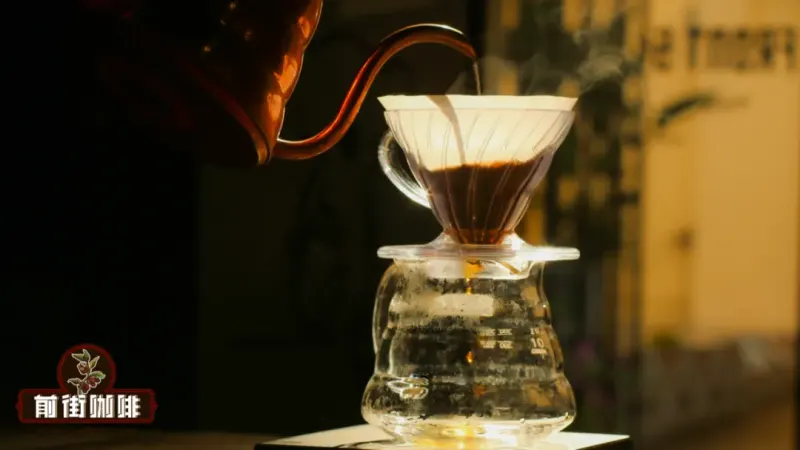
How does bypass water affect pour-over coffee extraction?
Bypass water is the hot water in pour-over brewing that slips past the coffee bed and drops straight into the server without extracting anything. Because it adds volume without dissolved solids, it dilutes concentration and leaves the cup tasting thin even when the recipe looked correct. Cutting that runoff is the simplest way to restore body and flavor.
A dripper's shape and filter fit decide how much water escapes down the sides. Water poured deliberately to lower strength, as in an americano drink coffee or Japanese-style brewing, is planned and fine; accidental bypass during normal extraction is not. Slower, centered pours and a well-seated filter usually reduce it.
In pour-over coffee, there are many factors that can lead to a weak taste, and excessive bypass water is an often overlooked yet not uncommon cause. So-called bypass water is the portion of hot water that bypasses the coffee grounds and falls directly into the server; it does not participate in extraction, yet it dilutes the coffee concentration. This article will analyze several aspects: the definition of bypass water, how it is produced, its relationship with dripper structure, and the actual effect of bypass-free drippers, to help coffee enthusiasts understand this phenomenon and find more effective ways to deal with it, so they can brew a full-flavored cup of good coffee.
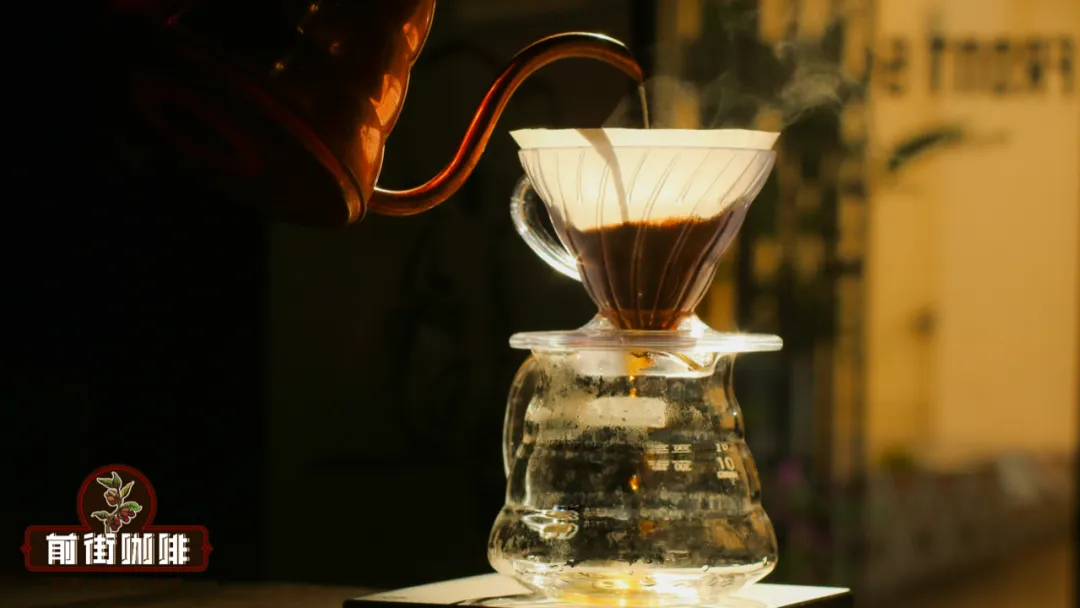
There are many reasons coffee tastes thin, and one of them, though rarely mentioned, does genuinely happen: too much bypass water.
What is bypass water?
During pour-over brewing, hot water acts as a solvent, responsible for dissolving the flavor components out of the coffee grounds. For dissolution to proceed smoothly, the hot water must fully contact the coffee grounds, which is why we control the kettle and direct the stream onto the coffee bed to complete extraction.
However, hot water does not always obediently follow the path we intend. Sometimes it slips past the coffee grounds from the side and flows straight into the server. In other words, this portion of water never truly participates in extraction, and the coffee substances it carries when it reaches the server are extremely limited. This hot water that "takes another route" is called bypass water.
Of course, we sometimes deliberately use bypass water to lower coffee concentration, such as when making an Americano, or in Japanese-style pour-over with high concentration and low extraction. But that is the result of deliberate arrangement, with hot water used as bypass water according to a preset plan. In regular extraction, however, hot water is part of the extraction parameters; once its path deviates and it fails to complete its due extraction task, the overall extraction efficiency of the coffee declines accordingly.
Coffee not only develops flavor deviations due to underextraction, but is also further diluted by this hot water that carries out no substances at all, ultimately presenting a state that is both weak and unpleasant to drink. To avoid this situation, the solution is actually very simple—just reduce the generation of bypass water.
How is bypass water produced?
The fundamental reason hot water avoids the coffee grounds during extraction and forms bypass water is the existence of gaps through which it can flow. What creates these gaps is mainly the structural characteristics of the dripper combined with improper brewing technique.
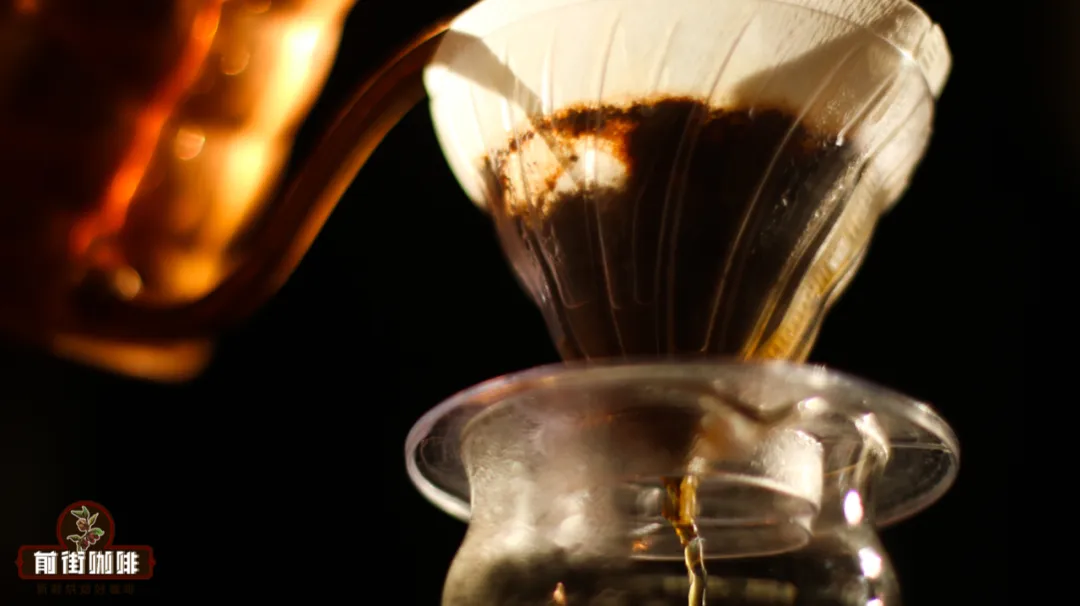
Take the V60 dripper as an example. To guide hot water into contact with more coffee grounds, many drippers are specially designed with raised ribs, so that hot water at the edges can flow along the ribs rather than merely permeating downward. These protruding ribs lift the filter paper so that it cannot cling tightly to the wall of the dripper, leaving many gaps between the filter paper and the wall. Once water is poured onto the filter paper not covered by the coffee bed, the hot water will, by its impact force, pass directly through the filter paper, bypass the coffee grounds, and fall into the server. (Pouring too much water also easily makes hot water deviate from its "route")

From this we can conclude: to reduce the generation of bypass water, the key is to avoid pouring excessive hot water and to keep the stream from hitting the edge of the filter paper not covered by coffee grounds, so that bypass water can be kept to a minimum.
Of course, if you really cannot control yourself and still habitually pour water toward the edges, that is fine too. Since the problem cannot be solved, then solve the "source" that creates the problem.
Since bypass water appears because the raised ribs lift the filter paper and create gaps, can't we just switch to a dripper without protruding ribs?
Coincidentally, some merchants in the market have already seen this point and have successively launched drippers marketed as "bypass-free." "Bypass-free," as the name suggests, means no bypass water is produced. This type of dripper basically has no raised ribs, so the filter paper can fit completely against the wall; even if the water stream hits the edge, it will pass through the coffee grounds rather than drip down directly, and there is no need to worry about bypass water at all.
So is buying a "bypass-free" dripper and everything being fine? Of course that's a joke! Habits still have to change. The reason we let hot water wash over the coffee grounds is not only to let the hot water contact the coffee grounds and bring out flavor substances, but also because there is another necessary condition: making it bring them out "faster."
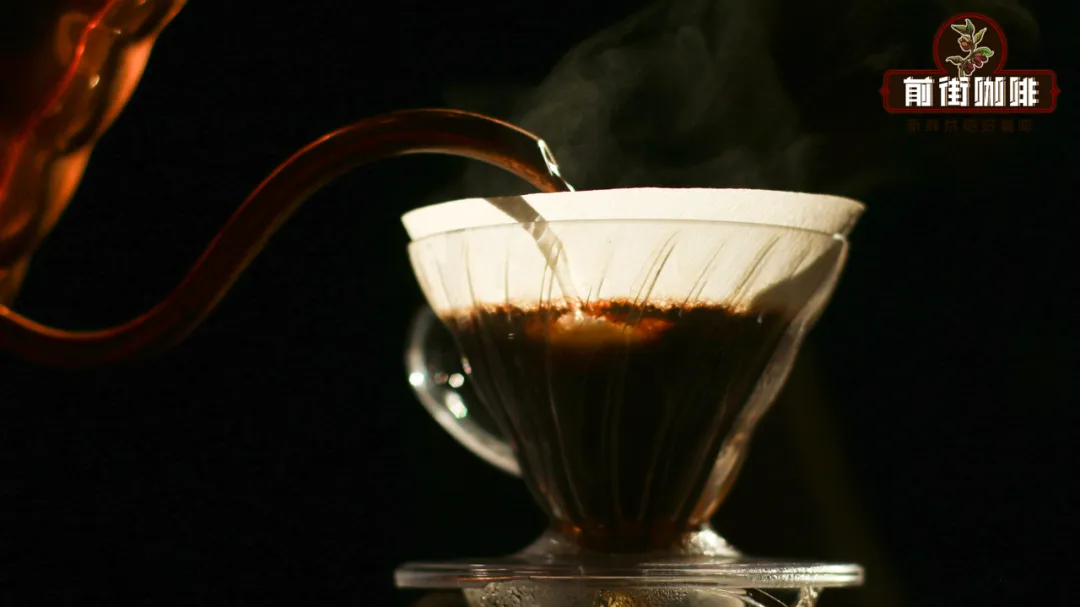
To dissolve a large amount of coffee substances with hot water in a short time, we control the kettle in continuous circular motions while pouring, making the stream act like a stirring rod, prompting the substances in the coffee grounds to dissolve out more quickly.
But if the hot water we pour frequently washes the edges, even if it can still contact the coffee grounds, it only does so in the form of immersion, and extraction efficiency is greatly reduced. Without a longer immersion time, the coffee is still prone to underextraction. Therefore, although changing the dripper can reduce the generation of bypass water, it treats the symptoms but not the root cause; bad habits still need to be corrected. Only in this way can we more consistently brew a cup of coffee with outstanding flavor, rich and delicious.
- END -
The above content is compiled by CoffeeHunters, a coffee news website.


