







Why does Matsuya-style brewing use boiling water for coffee?
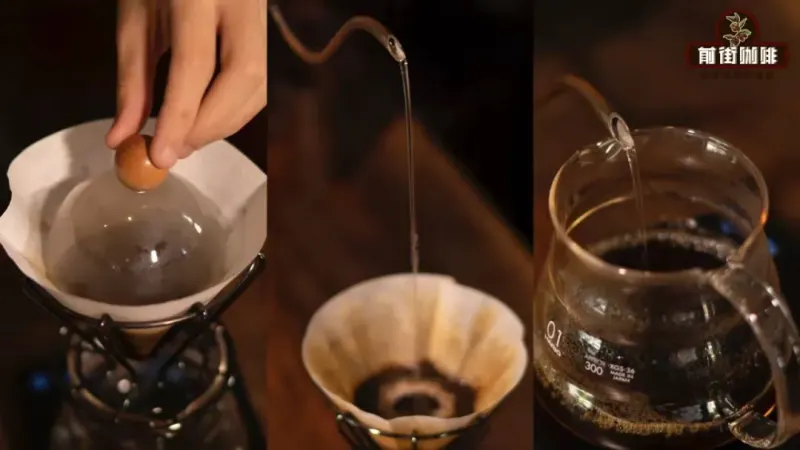
Matsuya-style pour-over uses 100°C water, a bloom of 180 seconds, and a 1:5 coffee-to-water ratio, plus a lid over the grounds, a very high pour and a large amount of bypass water. Matsushita Yoshikazu developed the method in 1962, when thermometers and scales were not in common use.
Boiling water locked in the temperature without a thermometer, and the extreme pours and bypass water replaced the measurement tools of the day, which is why boiled coffee still produced repeatable results. The method spread widely in Japan and remained a systematic approach for years, and studying it shows how technique can substitute for equipment when making coffee by hand.
Extraction water temperature of 100°C, a bloom lasting as long as 180 seconds, a coffee-to-water ratio of 1:5, plus lid-assisted blooming, ultra-high pouring, and a large amount of bypass water—the Matsuya-style brewing is extreme in every respect, yet it was once believed to consistently produce good coffee, and even became a sensation in Japan at one point. When Matsushita Yoshikazu created this method in 1962, measuring tools were not yet widespread, so he used rolling boiling water, high pouring, and bypass water to replace thermometers and electronic scales. Today, Front Street Coffee will take you through an in-depth breakdown to see what logic and wisdom lie behind these seemingly counterintuitive operations.
In terms of parameters, Matsuya-style pour-over presents several "extreme" values: using 100°C boiling water, a bloom lasting 180 seconds (a full three minutes), and a coffee-to-water ratio of 1:5; the actions are equally unusual: using a lid to achieve a true bloom, pouring from an extremely high position, and adding a large amount of bypass water.
Despite being extreme in every way, the coffee brewed this way has a distinctive flavor, and it is said to have even once become a "national-level" brewing method in Japan. This inevitably makes people wonder: why can such an extreme method also make delicious coffee? As the saying goes, every effect has its cause. Today, Front Street Coffee will take everyone through an in-depth analysis of why Matsuya-style brewing has to be so "extreme."
What is Matsuya-style brewing?
"Matsuya-style brewing" was born in 1962, developed by Matsushita Yoshikazu in pursuit of consistent output, and it has been more than 60 years since. At that time, measuring devices such as thermometers and electronic scales were not yet widespread, and it was difficult for people to freely control and reproduce the extraction parameters of each brew as they can today.
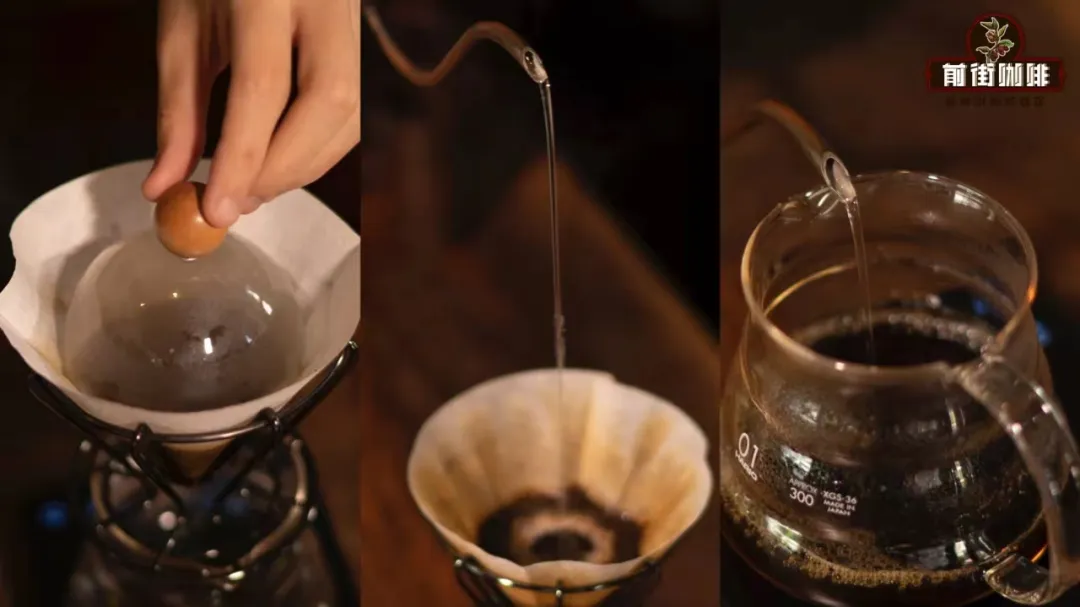
Therefore, another approach was needed, using other methods instead of measurement to assist extraction. Matsuya-style happened to meet this condition, allowing people to consistently brew good coffee with the same parameters, so it gradually became a relatively systematic brewing method in Japan at the time.
Using boiled rolling water for brewing is precisely for this reason: without a thermometer, only boiling water can precisely lock in the hot water temperature, which also gave rise to Matsuya-style's highly visually striking "high-position pouring," an "extreme" operation.
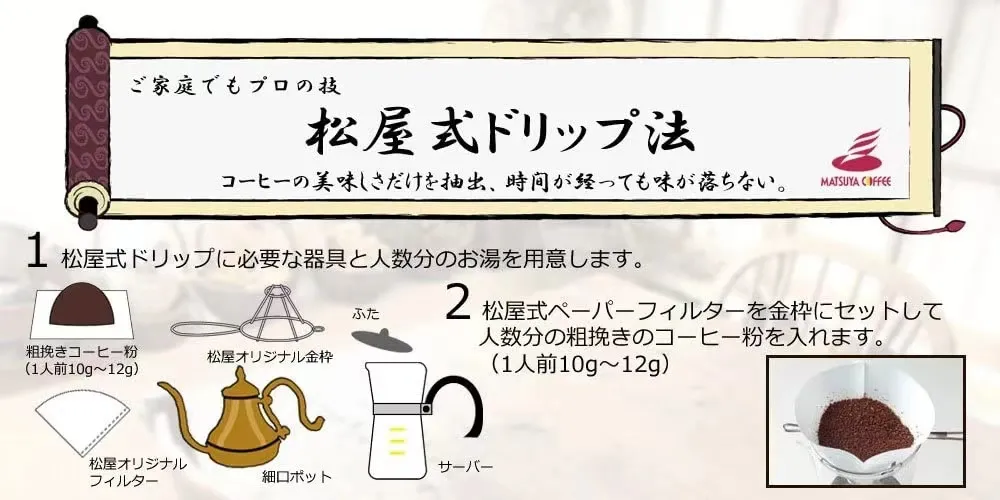
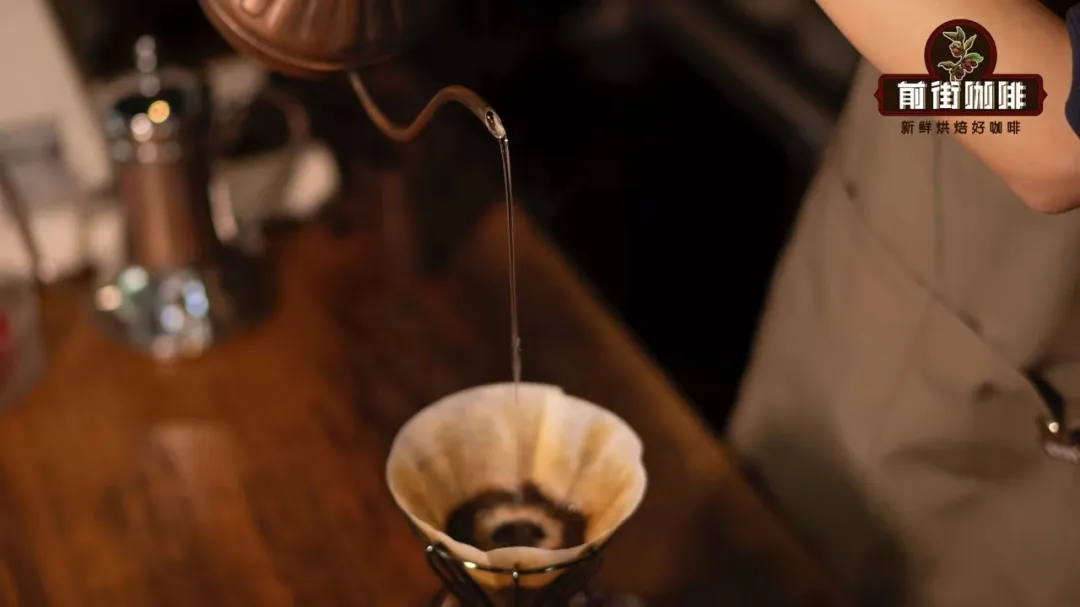
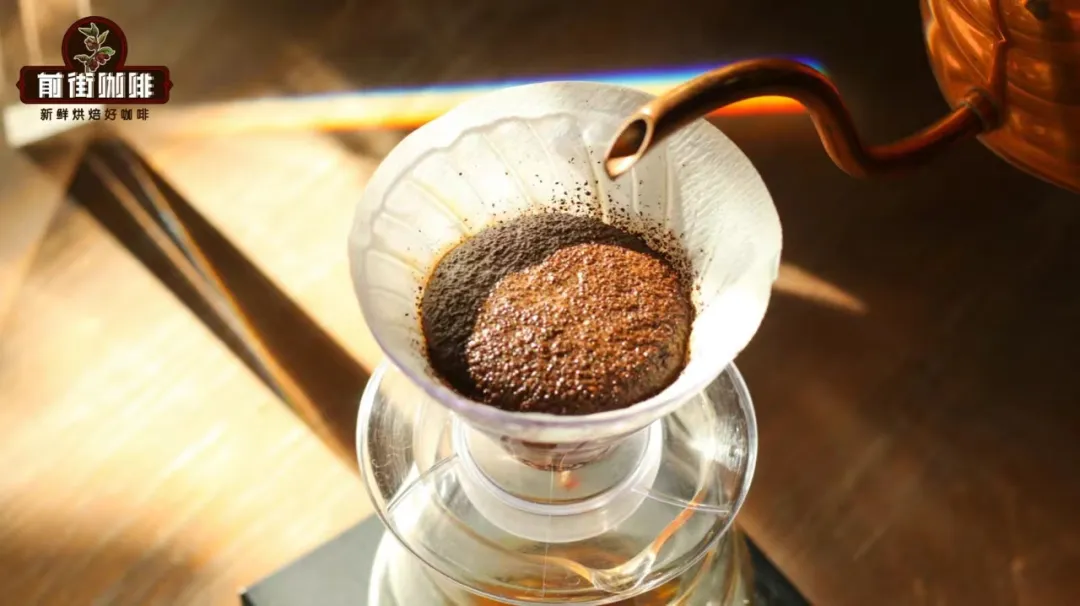
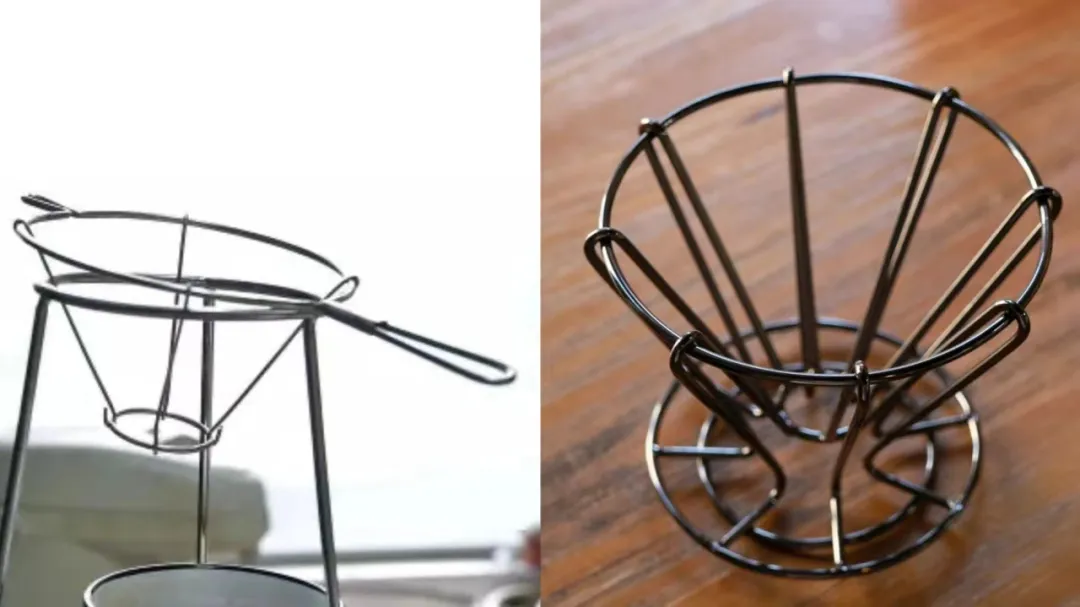
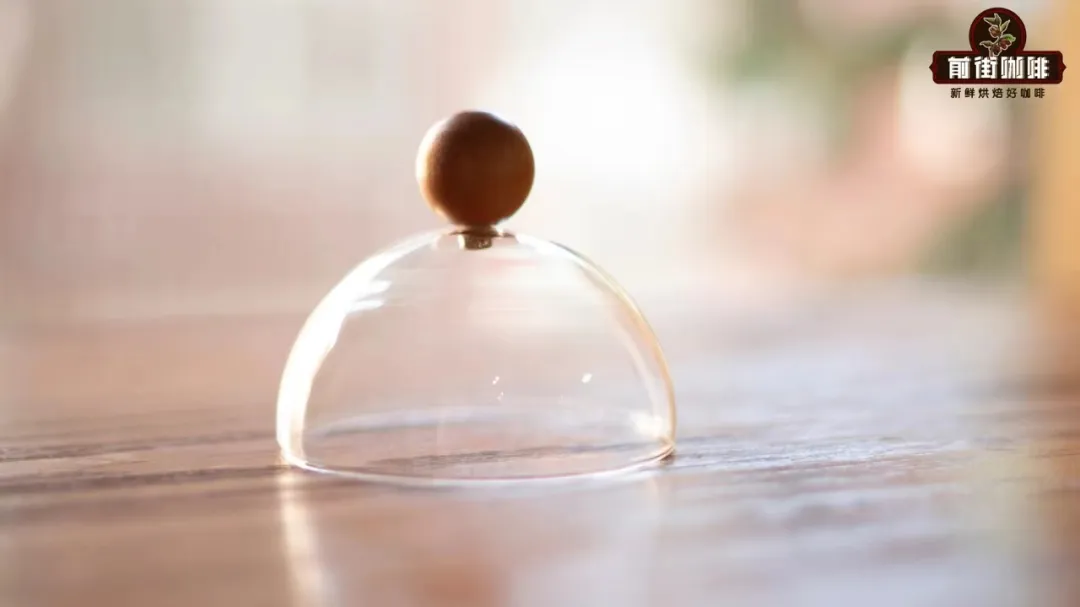
When Front Street Coffee replicated Matsuya-style brewing, it also found that the cooling and agitation brought by high pouring exactly made up for the lack of a thermometer, while the long bloom combined with the lid could stabilize the extraction of the early-stage flavors. The addition of bypass water is not for dilution, but to adjust the final concentration on the basis of the concentrated liquid at a 1:5 coffee-to-water ratio, making the coffee easier to drink. These designs may seem extreme, but in fact they are closely linked and all serve the word "stability."
The above content is compiled by CoffeeHunters, a coffee news website.


