







Search Results for: burnt bottom
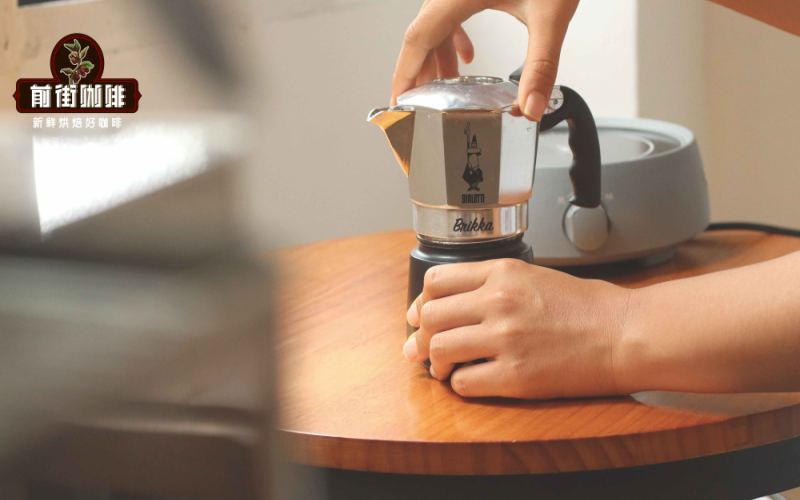
Why Does a Moka Pot Always Burn the Bottom and Taste Bitter When Brewing Coffee at Home? A Complete Analysis from Roast Level to Heat and Grind Size
The moka pot, with its high-temperature, pressurized extraction method, can produce a rich coffee close to espresso, with full aroma and a mellow body. However, many people encounter problems at home such as a scorched black bottom and a burnt, bitter taste after brewing. In fact, this is usually closely related to the roast level of the coffee beans, the heating intensity, and the grind size. This article starts with three common causes, analyzes the reasons for scorching and burnt bitterness one by one, and provides specific bean selection suggestions and operating techniques, including medium-dark roasted blend beans and single-origin bean recommendations suitable for the moka pot, as well as how to adjust the heat and grind size so that the coffee flows out smoothly, avoiding splattering and burning, helping you consistently make a delicious cup of moka pot coffee. [more…]
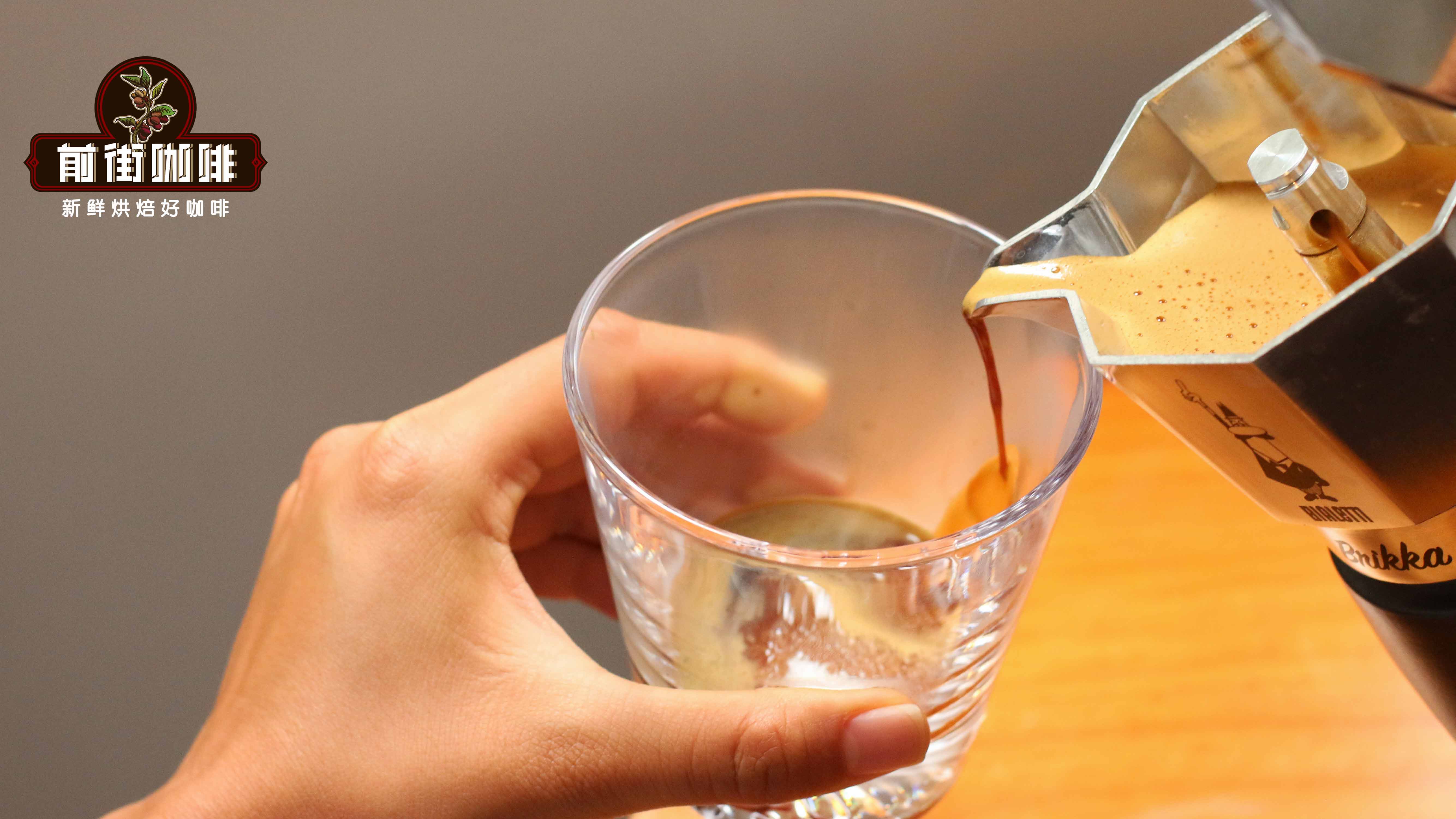
Why Does Moka Pot Coffee Burn and Over-Extract? Analyzing the Two Key Factors: Heat and Grind Size
More and more coffee enthusiasts are choosing the moka pot as an entry-level tool for making espresso at home. It has a simple structure and an affordable price, yet it can extract a rich, concentrated coffee liquid through steam pressure. However, in actual use, burnt bottoms and over-extracted, bitter, scorched flavors are high-frequency failure scenarios. Starting from the structure and extraction principle of the moka pot, this article first sorts out the ideas for selecting coffee beans suitable for pressure extraction, including recommendations such as Front Street Classic Blend, Queen Estate Brazil, Paradise Bird Estate Papua New Guinea, and Front Street PWN Golden Mandheling. It then focuses on breaking down the two major causes—excessive heat and overly fine grinding—and provides actionable adjustment methods and safety tips to help you keep your moka pot output consistently in the range of mellow without being burnt or bitter. [more…]
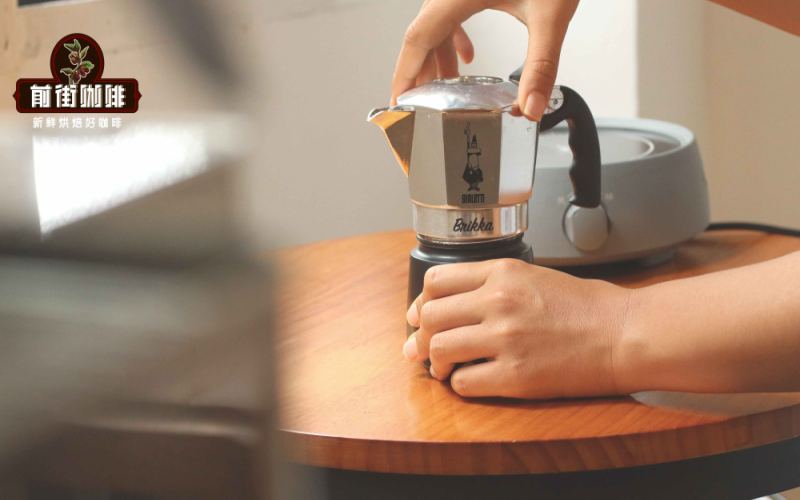
How Long Does It Take to Brew Coffee with a Moka Pot? When Is the Right Time to Turn Off the Heat? A Complete Guide to the Key Steps
The moka pot, with its simple structure and pressure-enhanced extraction method, can produce rich, crema-topped coffee under ordinary home conditions. But how long to brew and when to turn off the heat often confuse beginners. This article starts with the working principle of the moka pot, explains the difference between single-valve and double-valve models, recommends suitable medium-dark roasted beans and specific products, and step by step breaks down the details of adding water to the lower chamber, grind size, filling the filter basket, heating, and judging when to turn off the heat, while also reminding you of precautions such as the safety valve, clogging, and cleaning, to help you consistently extract an ideal cup in three to four minutes. [more…]
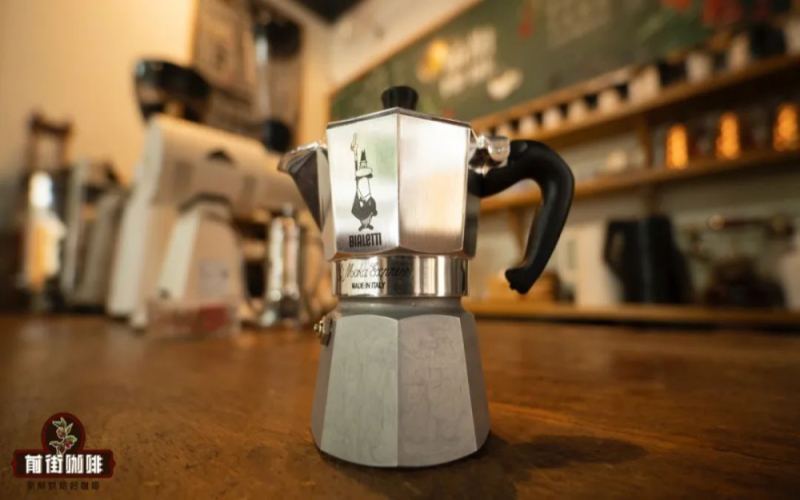
The Complete Moka Pot Brewing Guide: From Principles to Practice, Teaching You to Make Delicious Home Coffee
The moka pot, with its affordable price and convenient operation, has become the go-to device for many coffee lovers at home or in the office. However, quite a few people end up struggling after buying one because they are unfamiliar with how to use it, and the coffee they brew is either burnt and bitter or weak and bland. This article will start with the structure and working principle of the moka pot, break down in detail the key points for controlling grind size, coffee dose, and water volume, and explain the scenarios that different coffee beans are suited for. Then, Front Street Coffee will walk you through the entire process, from adding water and loading coffee grounds to heating and extraction, helping you avoid common pitfalls and easily make a cup of well-balanced moka pot coffee. [more…]
Dark Roast Coffee Beans Pour-Over Technique Tutorial | Why Does Pour-Over Coffee Have a Burnt, Bitter Taste? What Water Temperature Should Be Used to Brew Indonesian Mandheling, Brazilian, and Colombian Coffee?
Newcomers often say that brewing coffee feels like a mystic art, and whether it tastes good or not is purely a matter of luck. But in Front Street Coffee's view, as long as you find the logic and patterns behind brewing, you'll discover that it's actually not that complicated at all—it's simply about finding a few key parameters and using hot water to fully extract the coffee grounds, ultimately getting a cup that tastes good. [more…]
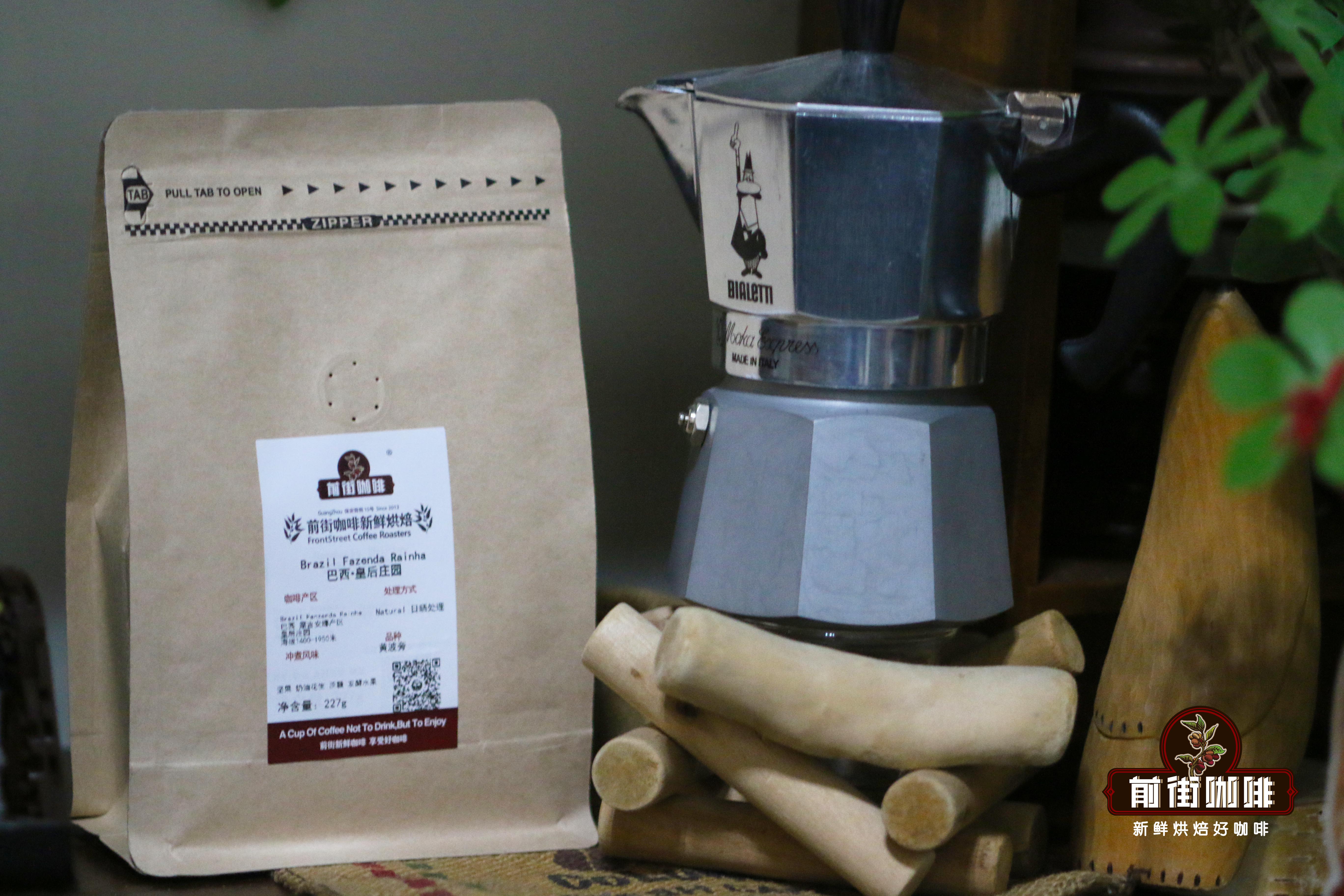
Brazilian Coffee Pour-Over Techniques Explained: Why Medium-Dark Roast Black Coffee Tastes Burnt and Bitter and How to Improve It
Many coffee lovers find that after getting their hands on Brazilian beans, the coffee they brew has a pronounced bitterness, sometimes even an unpleasant scorched bitterness that stings the throat. Brazilian coffee beans are mostly medium-dark roasted, and bitter notes are inherently part of their flavor profile, but bitterness comes in both positive and negative forms—the bitterness of nuts, chocolate, and caramel is pleasant, while smokiness, wood shavings, medicinal notes, and burnt flavors are defects. Using beans from Brazil's Cerrado region as an example, Front Street Coffee breaks down one by one—from dripper selection, dose, coffee-to-water ratio, grind size, and water temperature to the three-pour technique—how to brew a cup of full-bodied, sweet Brazilian pour-over with rich caramel and nut flavors, while avoiding the development of negative scorched bitterness. [more…]

A Complete Guide to Common Home Pour-Over Coffee Problems: Fixes for Stalling, Sudden Flow Changes, Off-Flavors, and Burnt Bitterness
Brewing coffee at home—when neither the equipment nor the beans are lacking, yet accidents still happen all too often: the final drawdown pools and drips endlessly, the flow rate suddenly speeds up at the same grind setting, sometimes it tastes great and sometimes it's rife with off-flavors, and the aftertaste carries a smoky, bitter char... Where exactly do these problems originate? Drawing on Front Street's hands-on experience, this article breaks down one by one the five most common extraction pitfalls in home brewing—from fine-particle clogging, the characteristics of anaerobic beans, and the effects of water quality to pouring technique and dark-roast parameter settings—to help you pinpoint the root cause and bring every pour-over cup closer to the ideal flavor. [more…]
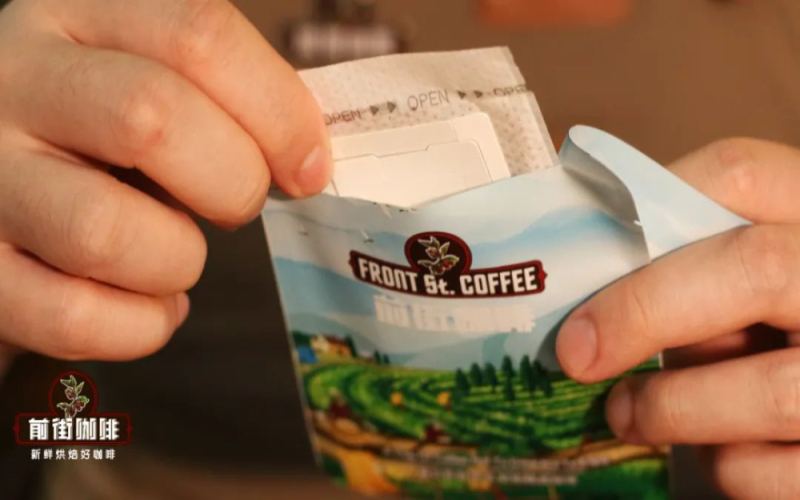
The Correct Way to Brew Drip Bag Coffee: Five Key Details on Water Temperature, Water Volume, and Staged Extraction
Drip bag coffee, with its portability and ease of operation, has become a choice for many people to stay refreshed daily. However, although it is called the instant noodles of the coffee world, brewing a full-flavored cup still requires mastering several techniques. Based on Front Street's brewing experience, this article breaks down in detail how to avoid weak or burnt-bitter coffee across five aspects: water temperature, water volume, cup type selection, pouring method, and drip bag handling habits. It also provides specific water temperature recommendations and staged pouring plans for Front Street's seasonal drip bag products of different roast levels, helping you consistently reproduce a cup of black coffee close to pour-over quality even in the office or while traveling. [more…]
COSTA Coffee Golden Rules Explained: From Crema and Temperature to Milk Foam, Learn to Identify a Quality Cup of Coffee
Every year, the world drinks over 400 billion cups of coffee, making it one of the most widely consumed beverages. But no matter how many varieties there are or how different the brewing methods, the pleasure brought by good coffee and the disappointment caused by bad coffee are often separated by just one small sip. This article is compiled from COSTA Perfect Coffee Family, systematically sorting out the key points for judging the quality of coffee—from coffee bean ratios, freshness, extraction timing, handcrafting, volume, appearance, aroma, and temperature to mouthfeel—and providing the "coffee golden rules" for espresso, cappuccino, and latte, to help coffee lovers quickly identify a good cup of coffee when ordering in daily life. [more…]

Analyzing Common Pour-Over Coffee Problems: Finding the Root Causes of Burnt Bitterness and Weak Flavor from Grind Size and Pouring Technique
Many coffee enthusiasts encounter two headache-inducing problems when brewing pour-over coffee: the coffee tastes burnt and bitter, or it tastes weak and watery. Through daily conversations with customers in-store, Front Street Coffee has found that truly mastering pour-over isn't about brewing a perfect cup every time, but about being able to accurately identify where the problem lies and find the corresponding solution. This article compiles the most common pour-over mishaps, analyzing the causes of burnt bitterness and weak flavor one by one—from differences in coffee bean roasting and grind size calibration to the technique of pouring water in circles. Whether you're a complete beginner or a pour-over player with some experience, you'll find practical troubleshooting ideas and adjustment directions here. [more…]
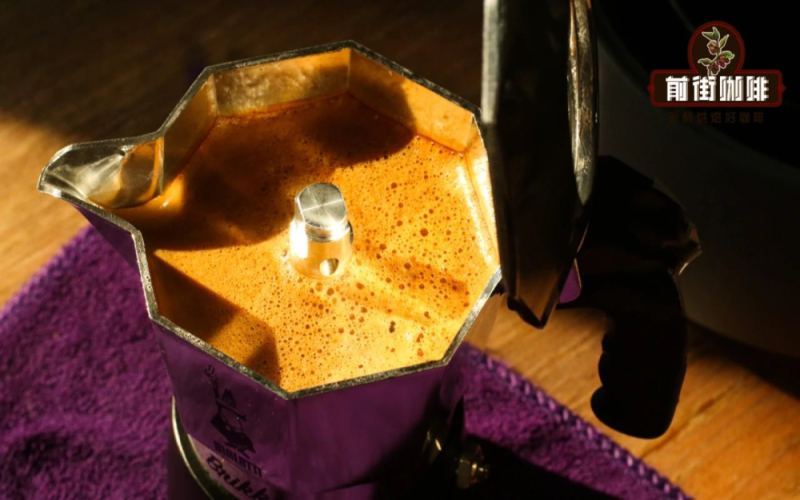
Does a Moka Pot Need a Filter Paper? A Complete Guide from Extraction Principles to Step-by-Step Operation
The moka pot, with its convenient operation and rich, espresso-like output, has become the daily first choice for many coffee lovers. There have always been differing views on whether a moka pot needs to use a filter paper. This article starts from the actual testing by Front Street Coffee, analyzes the effects of placing filter paper at the bottom of the filter basket and above the coffee puck during moka pot extraction, and, combined with the selection of coffee beans suitable for moka pots and grinding degree standards, gradually explains the key operating points of the entire process from adding water, loading coffee, to heating and extraction, helping you make a cup of moka pot coffee with a clean taste and full-bodied flavor. [more…]
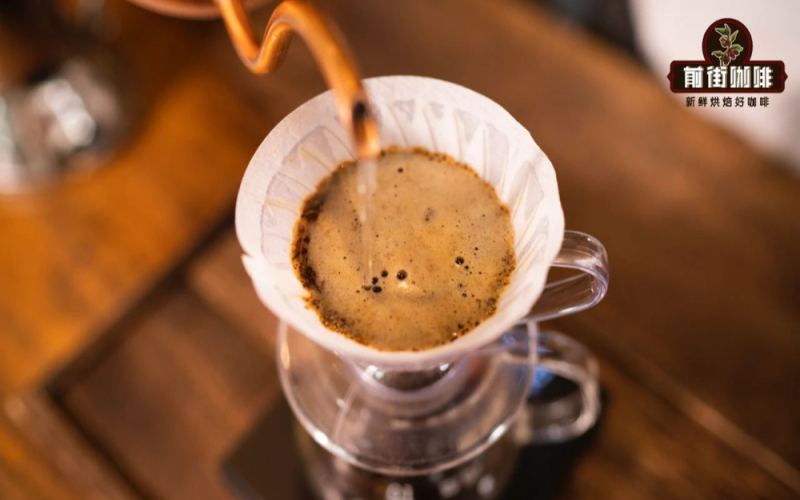
French Press vs. Moka Pot Coffee Brewing Comparison: Key Operating Points, Bean Selection Tips, and Analysis of Why the Moka Pot Burns at the Bottom
Among coffee brewing devices, the French press and the moka pot are known as "lazy person's tools" for their ease of operation, but the two differ markedly in extraction principles, flavor expression, and suitable scenarios. The French press, through immersion extraction, restores the complete flavor close to that of cupping and suits single-origin beans roasted light-to-medium to medium-dark; the moka pot, by contrast, uses steam pressure to extract a rich, full-bodied coffee liquid and is better suited to dark-roasted blends. In this article, Front Street will explain in detail the operating steps, grind size, and coffee-to-water ratio recommendations for each of the two devices, and, addressing the common problem of scorching at the bottom when using a moka pot, give specific causes and avoidance methods in terms of water level control, grind coarseness, and heating rhythm, helping coffee lovers consistently produce a good cup of coffee at home. [more…]
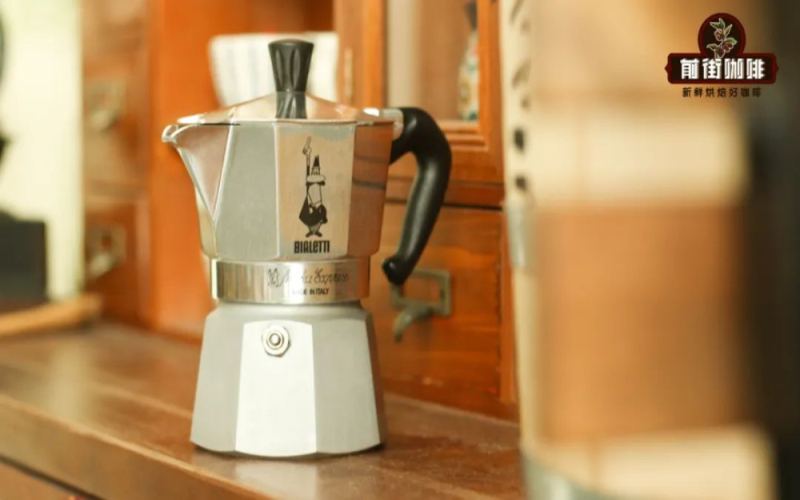
Analysis of Coffee Types Suitable for Moka Pot Brewing: Why Medium-Dark Roasted Fresh Beans Are More Suitable
As a commonly used stovetop espresso coffee device for home use, the Moka pot's extraction principle determines what kind of coffee beans it is better suited for. Starting from the Moka pot's three-layer structure and working principle, this article explains why freshly roasted medium-dark coffee beans can bring a more balanced taste and crema performance, and describes the sourness or burnt bitterness that light-roast and dark-roast beans easily produce in a Moka pot. It also emphasizes the key impact of coffee bean freshness on flavor; beans older than two months or 50 days after roasting have almost lost their aroma. Finally, it compiles several Front Street Coffee espresso bean recommendations suitable for the Moka pot, covering Black Cocoa, Classic Blend, Strawberry Candy, Golden Mandheling, and Brazil Queen Estate, for coffee lovers to reference when choosing. [more…]
A Beginner's Guide to Pour-Over Drip Coffee: Equipment Selection, Brewing Steps, and Key Parameters Such as Water Temperature and Grind Ratio
Pour-over drip coffee may seem simple—just a dripper, a hand gooseneck kettle, filter paper, and a cup are all you need—but once you actually start brewing, you realize there are countless variables at play. This article begins with the basic equipment, then gradually introduces the standard brewing process, the interrupt-pour technique, advanced setups, and the five major variables, along with specific water temperature and grind size recommendations for light, medium, and dark roasts. Whether you're a beginner just getting into pour-over or an enthusiast looking to refine your technique, you'll find practical parameter references here. The article also covers methods for adjusting variables to suit your taste, key points for cleaning and maintenance, and practical approaches for making flavored coffee bases and super-concentrated iced coffee, and recommends related products from Front Street Coffee. [more…]
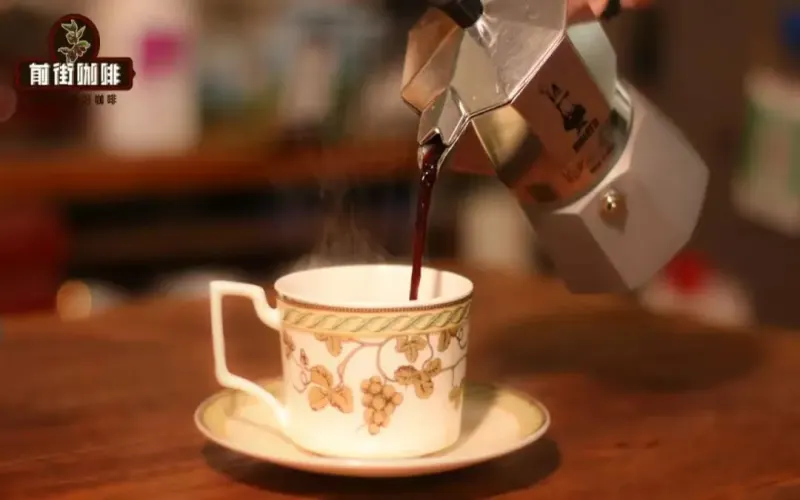
A Complete Analysis of Why Moka Pot Coffee Tastes Burnt and Bitter: The Three Key Factors of Channeling, Heat Control, and Grind & Water Amount
As a pressure-based extraction device, the moka pot is highly efficient but also extremely prone to over-extraction, and many coffee enthusiasts have experienced the trouble of burnt, bitter coffee with heavy off-flavors. After sharing moka pot-related content many times, Front Street Coffee found that channeling, excessively long heating time, and too-fine grinding with too much water are the three core causes of over-extracted moka pot coffee. This article will analyze the root causes one by one from the perspectives of even coffee distribution, initial water temperature and heat level, heat adjustment after liquid begins to flow, and the ratio of grind size to water amount, and provide practical improvement solutions to help everyone consistently make rich, delicious moka pot coffee. [more…]
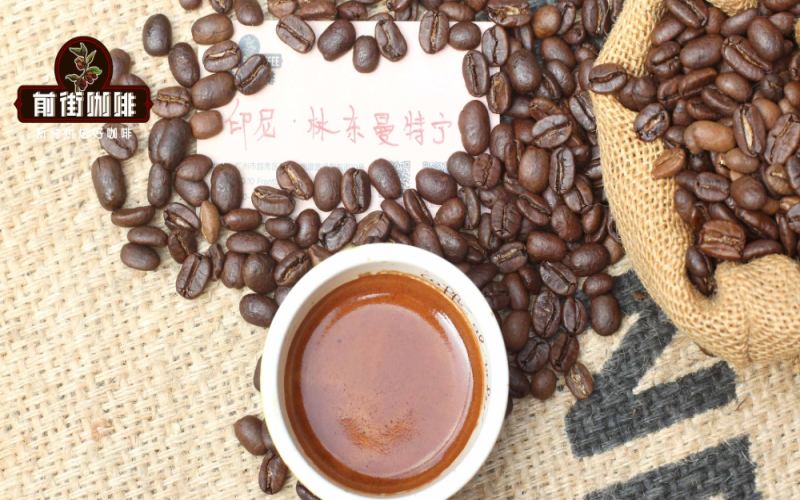
Mantenin Coffee Pour-Over Technique Explained: A Guide to Temperature, Grind, and Three-Pour Parameters
People often say Mandheling is so bitter it's hard to swallow, yet there is also a group of seasoned coffee enthusiasts who are particularly fond of its rich, full-bodied character, believing that only Mandheling truly counts as real coffee. As a typical representative of dark roasting, Mandheling is indeed known for its bitterness, but Front Street believes that fine bitterness is a pleasure, while burnt bitterness and astringent bitterness are usually caused by improper brewing. This article will focus on the key points of brewing Mandheling coffee, from understanding the bean variety and the influence of the wet-hulled processing method, to the choice of dripper, coffee-to-water ratio, grind size, water temperature, and the three-pour technique, explaining one by one how to bring out a Mandheling that is full-bodied, clean, and bitter without being burnt, and showcasing the differences among several Front Street Mandheling products. [more…]
The Complete Guide to Pour-Over Brazilian Coffee: From Roast Characteristics to Three-Pour Technique and Flavor Control
Brazilian coffee beans are mostly medium-dark roasted, with bitterness as their base note, but bitterness comes in good and bad forms—the positive bitterness from nuts, chocolate, and caramel is pleasant, while smoky, woody, and medicinal notes are negative bitterness. In this article, Front Street Coffee uses a everyday-drink bean from the Cerrado region as an example, demonstrating from filter cup selection, coffee dose, coffee-to-water ratio, grind size, and water temperature to three-stage pouring, a complete guide on how to brew a cup of Brazilian coffee that has both a rich body and caramel sweetness, helping you avoid the pitfalls of burnt bitterness and thinness. [more…]
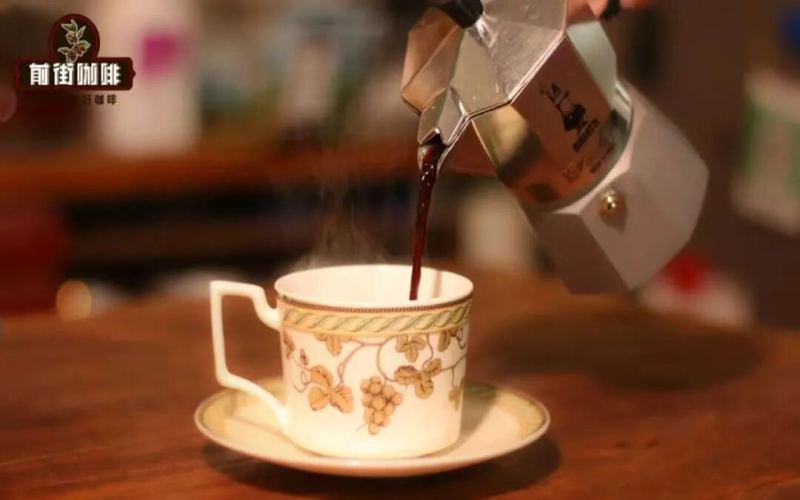
Moka Pot Coffee | Why does coffee brewed with a moka pot taste burnt and bitter? How can you avoid over-extraction in moka pot coffee?
Front Street Coffee has found that many friends are troubled by the problem of Moka pot coffee often being over-extracted. Every time Front Street Coffee shares a tweet related to the Moka pot, friends leave comments like: "How can I avoid over-extraction in Moka pot coffee?" or "Why is the extracted coffee so bitter?" Indeed, compared to its [more…]
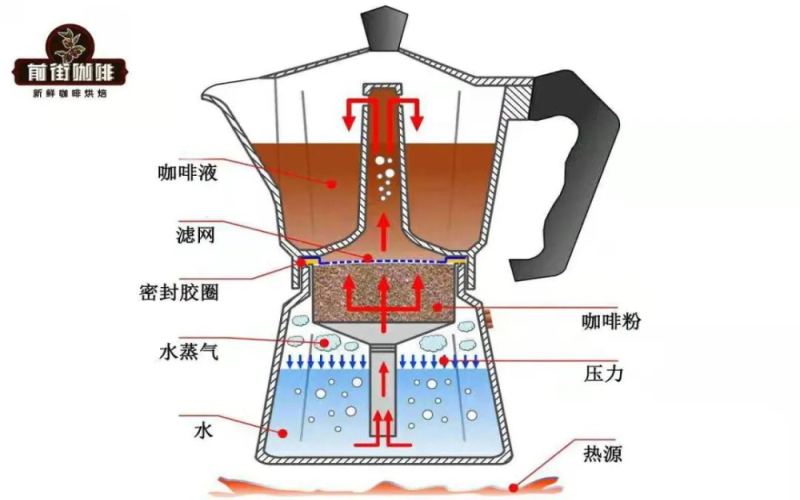
Moka Pot Extraction Principles and Operation Guide: How to Make Rich and Full-Bodied Espresso-Style Black Coffee with a Moka Pot
The moka pot is a brewing tool kept in the homes of many coffee lovers. It uses steam pressure to push hot water through a bed of coffee grounds, producing a concentrated, intensely flavored cup of coffee. But if you want to consistently make a delicious espresso-style black coffee with a moka pot, every step matters—from grind size and how you load the grounds to the heat level. This article starts with the working principle, then breaks down the moka pot's usage steps and precautions in detail, and offers recommendations for choosing coffee beans suited to the moka pot, including the flavor characteristics and suitable scenarios of several Front Street Coffee espresso blends, helping you easily brew a fragrant, golden-crema espresso at home. [more…]
Introduction to Coffee Starter Equipment | How Can Coffee Newbies Use a Moka Pot to Make Coffee? Moka Pot Usage, Method, Principles, Features, and Coffee Ground Coarseness Introduction
Today, with espresso sweeping the globe, we are no longer unfamiliar with espresso—even passersby can name espresso drinks like Americano, latte, and cappuccino. But the moka pot is rarely used for commercial coffee output; it is mostly used at home, so many friends feel that the moka pot does not belong to the Italian coffee system. [more…]