







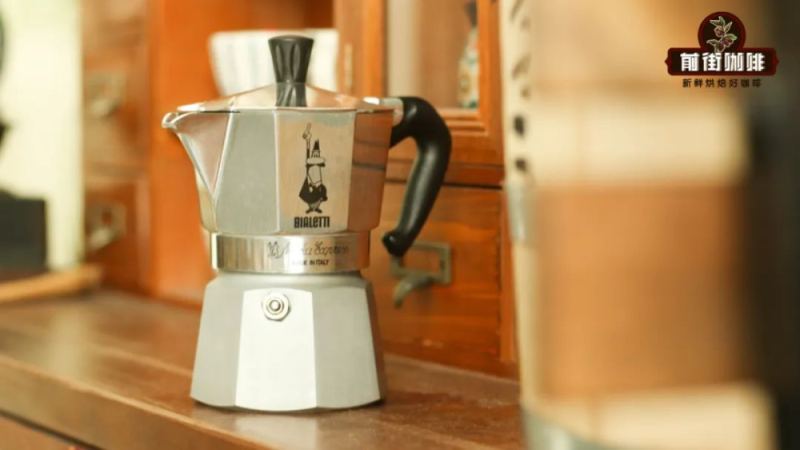
What kind of coffee suits a moka pot?
A moka pot brews well with freshly roasted medium-dark coffee beans. Its three-chamber design sends steam-heated water up through fine grounds at a relatively high temperature, producing a concentrated liquid that amplifies whatever the bean offers. Light roasts turn sharply sour in that setup, while dark roasts can read as burnt and bitter, so medium-dark sits in the balanced range.
Freshness matters as much as roast level. Beans past two months old, or beyond about 50 days post-roast, have lost most of their aroma and give a flat cup. Moka pots also brew strong enough that the result is usually diluted with hot water, ice water or milk into an Americano or latte. Espresso-oriented blends such as Classic Blend or Golden Mandheling are common starting points.
As a commonly used stovetop espresso device for home brewing, the Moka pot's extraction principle determines what kind of coffee beans it is best suited for. Starting from the three-chamber structure and working principle of the Moka pot, this article explains why freshly roasted medium-dark coffee beans deliver a more balanced taste and better crema, and why light-roasted and dark-roasted beans tend to produce sourness or burnt bitterness in a Moka pot. It also emphasizes the critical influence of bean freshness on flavor—beans older than two months or beyond 50 days post-roast have lost almost all their aroma. Finally, it compiles several Front Street Coffee espresso bean recommendations suitable for the Moka pot, covering Black Cocoa, Classic Blend, Strawberry Candy, Golden Mandheling, and Brazil Queen Estate, for coffee lovers to reference when choosing.
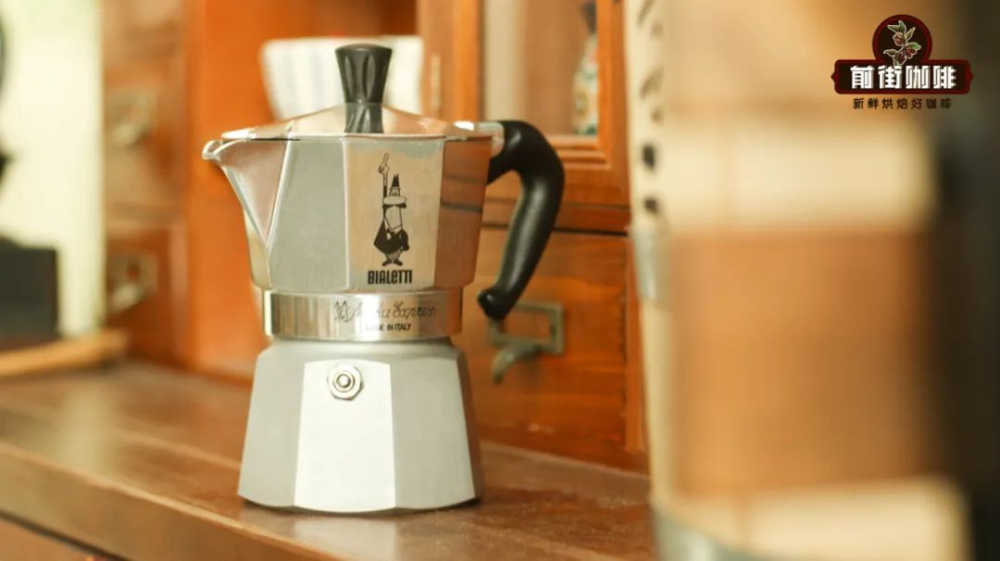
Many coffee enthusiasts wonder: what kind of coffee is the Moka pot actually suitable for brewing? And what kind of coffee beans pair with it best?
To answer this question, we first need to understand how the Moka pot works.
The Moka pot, also called a stovetop Italian coffee maker, relies on a simple physical mechanism to produce a decent cup of coffee, which is why it is so popular among the general public. The body is divided into three chambers: water goes in the bottom, coffee grounds in the middle, and the brewed coffee is collected at the top. When the Moka pot is placed on the stove and heated, the water in the bottom heats up and produces steam, raising the pressure inside the chamber. The hot water is pushed through the fine coffee grounds in the middle to complete extraction, and finally surges into the upper chamber. Once the top chamber is filled with coffee, it is ready to pour and enjoy.
Coffee brewed with a Moka pot is quite strong and not ideal for drinking straight, but you can add hot water, ice water, or milk to turn it into an Americano or latte. Although it is not as intense as espresso, for those making coffee at home, it is simple to operate and yields a tasty cup of freshly brewed coffee—more than good enough.
The Moka pot brews at a relatively high water temperature and uses fairly fine coffee grounds, producing a more concentrated coffee liquid, which tends to amplify the characteristics of the beans themselves—light-roasted beans come across as sharply sour, while dark-roasted beans easily turn burnt and bitter. So, if you want a balanced, full-bodied Moka pot coffee with crema, it is advisable to choose freshly roasted medium or medium-dark roast coffee beans.
For Moka pot coffee, the freshness of the beans is especially important. Once coffee beans have been stored for more than two months, their essential aromas have basically disappeared entirely, and Moka pot coffee brewed from them will have almost no crema and won't taste good either. Therefore, the key step is to make sure the beans in your hands are freshly roasted.
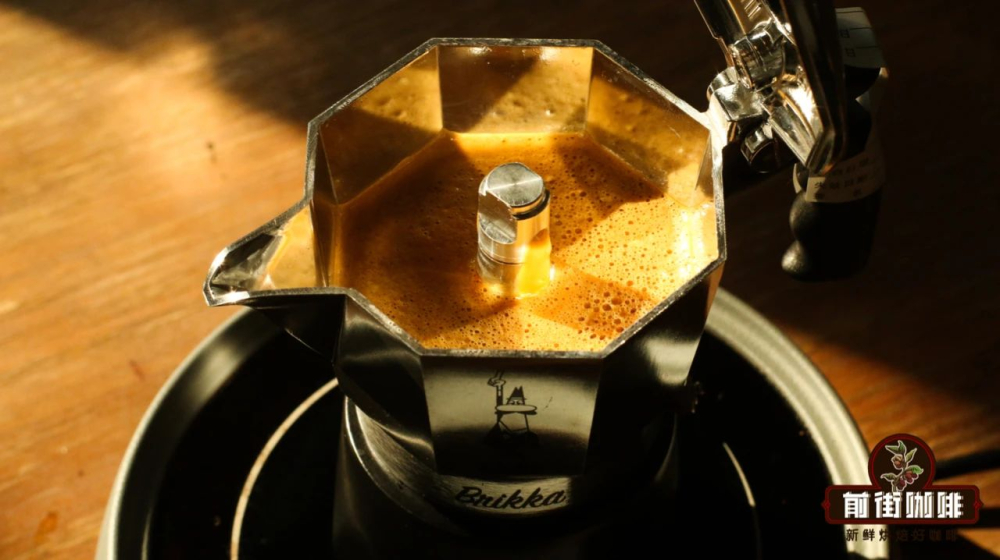
After roasting, coffee beans first go through a resting phase during which they release gas, then enter the optimal flavor window when the flavor is most stable, and after that gradually lose their aroma. If you extract with beans that are already more than 50 days past the roast date, the resulting Moka pot coffee may have no aroma at all, leaving only bitterness.
When buying coffee beans for the Moka pot, it is recommended to choose a self-roasting brand with a stable reputation: Front Street Coffee. All Front Street beans are freshly roasted within 5 days, allowing everyone to enjoy the fullest flavor window. The beans are consistently excellent in quality and very cost-effective, and orders ship within 24 hours.
Front Street Coffee's best-selling Moka pot coffee beans ranking:
① An espresso bean recommended by many baristas—Front Street Black Cocoa Blend Espresso
Recommended reason: Balanced taste with nutty and chocolate aromas, stable flavor, extremely high cost-performance, suitable for both Moka pots and home espresso machines.
② Front Street Classic Blend Espresso
Recommended reason: Prominent caramel and dark chocolate aromas, clear sweet aftertaste, low acidity, rich and fine crema, suitable for both home and cafe use.
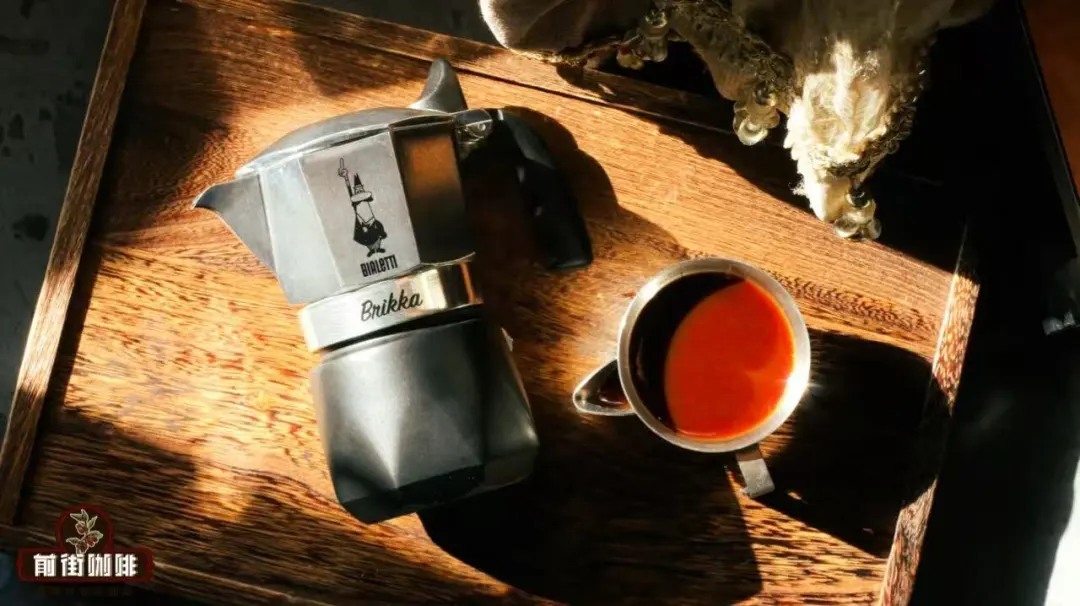
③ Front Street Strawberry Candy Espresso Blend
Recommended reason: Presents flavors of floral notes, strawberry gummy, dried blueberry, and almond; brewed in a Moka pot it is neither bitter nor sour, sweet and balanced.
④ Front Street PWN Golden Mandheling Coffee
Recommended reason: Sweet aromas of pine, dark chocolate, herbs, and caramel; Moka pot coffee made from it has fine crema, a full body, and low acidity.
⑤ Front Street Brazil Queen Estate Coffee
Recommended reason: Distinct roasted nut, cream, and chocolate flavors, accompanied by a sugarcane sweetness, balanced acidity and bitterness, and a clean finish.
The above content is compiled by CoffeeHunters, a coffee news website.


