







Among coffee brewing devices, the French press and the moka pot are known as "lazy person's tools" for their ease of operation, but the two differ markedly in extraction principles, flavor expression, and suitable scenarios. The French press uses immersion extraction to restore the complete flavor close to cupping, making it suitable for medium-light to medium-dark roasted single-origin beans; the moka pot relies on steam pressure to extract a rich, full-bodied coffee liquid, making it better suited for dark-roasted blends. In this article, Front Street will explain in detail the operating steps, grind size, and coffee-to-water ratio recommendations for each device, and address the common problem of burnt coffee at the bottom when using a moka pot, providing specific causes and preventive methods from aspects such as water level control, grind coarseness, and heating rhythm, helping coffee lovers consistently produce a good cup of coffee at home.
There are many types of coffee brewing devices. Besides the pour-over and espresso machines commonly seen in coffee shops, there are many other options on the market, and the moka pot and French press are two quite representative ones. In this article, Front Street will guide everyone through a detailed understanding of these two devices.
French Press
The French press is called French Press in English, and can also be referred to as a French-style press pot. It was born in France around 1850. Its structure is not complicated, consisting of a heat-resistant glass body and a plunger rod with a metal filter mesh.
The French press and the moka pot are often categorized as "lazy person's coffee devices" because of their low operating threshold and their ability to preserve the complete flavor of coffee well. In fact, the French press's extraction method is closest to cupping, fully releasing the oils, aromas, and various flavor substances in coffee. The resulting cup is smooth, sweet, and full-bodied, making it a brewing tool well worth trying.
Steps for making coffee with a French press
Step 1: Choose beans.
It is recommended to use single-origin coffee beans. Medium-light roasted fruity-acid beans can be used, and medium-dark roast is equally suitable. If you prefer floral and fruity aromas, you can try the sweet, prominent Front Street. Strawberry Candy; if you prefer a fuller-bodied style, then the wild-spirited Front Street. Golden Mandheling is recommended.

Step 2: Determine grind size and coffee-to-water ratio.
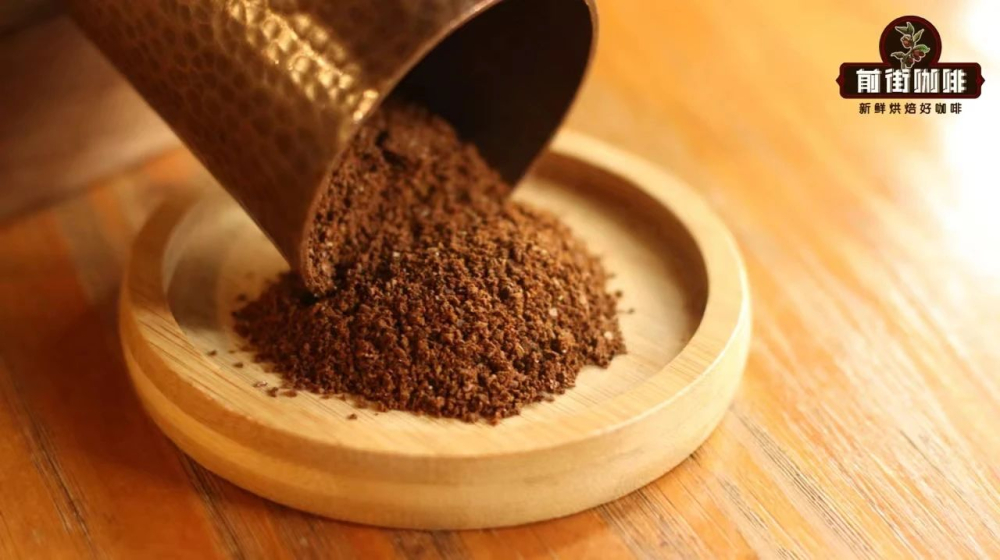
Use at least 20g of coffee grounds. The grind size needs to be somewhat coarse, because hot water directly contacts the coffee grounds, and grinding too fine can easily cause over-extraction. It is recommended to use a medium grind, about 5-6 degrees. If the powder is too fine, coffee grounds will leak through the filter mesh holes, making the coffee liquid cloudy. You can also refer to Front Street Coffee's grind size standard:
Front Street Coffee grind size coarseness standard sieve pass rate: Cold Brew > Pour-over Siphon 80% > Moka American Drip 75-80% > Cupping 70-75% > French Press 65-70%.
For the coffee-to-water ratio, you can start with 1:10. For two servings, that is 20g of coffee beans with about 200g of water. The final ratio can be adjusted according to personal taste. The steeping time is about 3-4 minutes. The longer the steep, the stronger the taste, and the more pronounced the acidity will be. Different coffee beans have quite different flavor expressions, and personal preferences vary, so you need to try them one by one. During the steeping period, there is no need to press down the filter; let the coffee grounds and water have ample time and space to contact.
Step 3: Official preparation.
1. First grind the coffee beans and pour them into the French press. At this point, there is no need to worry about the terminology of grind size; just maintain a medium grind and do not grind too coarse.

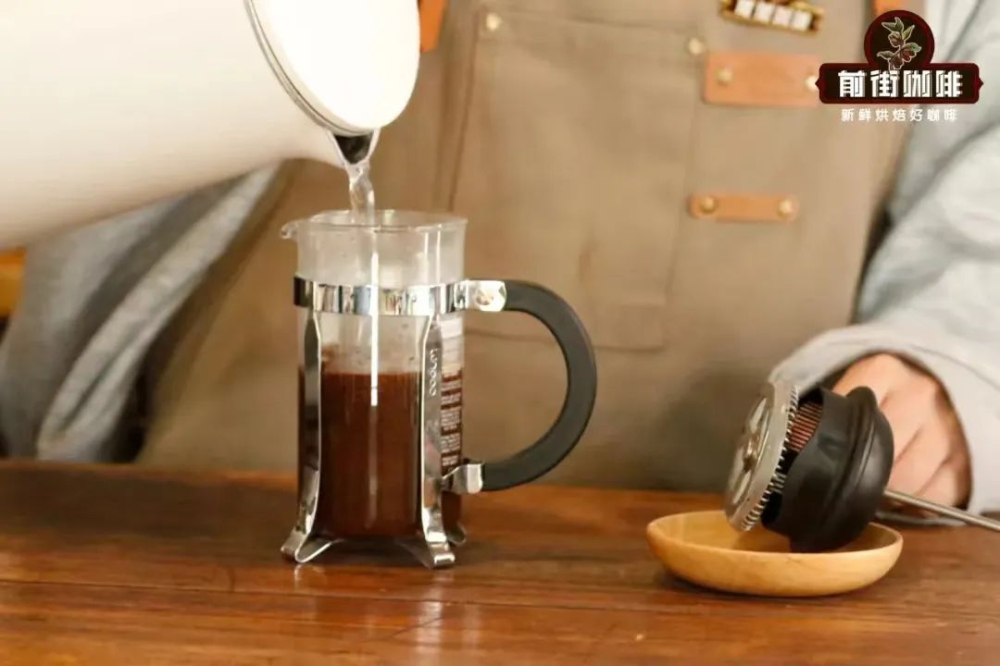
2. Boil the water. A water temperature of 93°C is recommended. Pour in the appropriate amount of water. We use 20g of coffee grounds with 200g of hot water, and stir with a spoon to fully mix the coffee grounds and water.
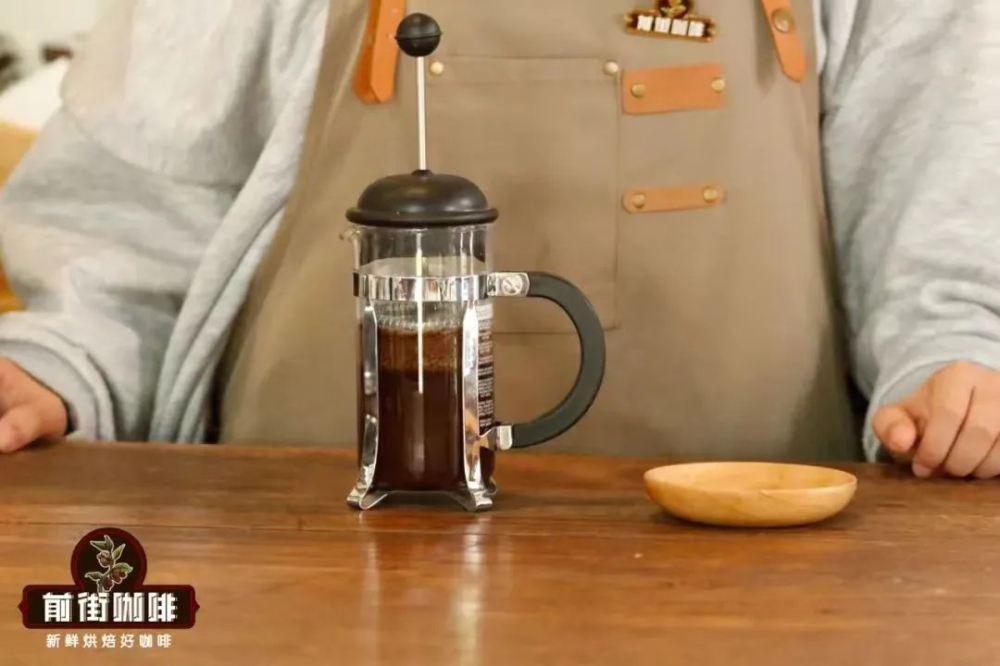
3. Cover the French press lid, let the filter mesh stay at the highest position, and let it steep for 4 minutes.
4. Before pressing down the filter mesh, you can first open the lid and use a spoon to scoop off the foam and fine grounds floating on the surface, then press the filter mesh all the way down.
5. After brewing is complete, immediately pour it out into another insulated container. Do not delay, because the coffee grounds are still steeping in the pot. After that, pour it into a cup and enjoy slowly.
Precautions for using a French press
In addition, it is recommended to prepare an electronic scale. Even if the French press itself has markings or a measuring spoon, an electronic scale is still very necessary, because coffee beans will have different densities due to factors such as growing altitude and roasting method, and the weight differences between different beans are not small. Also, if you brew a very delicious cup of coffee and want to replicate that flavor, you must record the ratio; conversely, if the cup is not ideal, you can also find the direction for adjustment based on the data.
Use fresh, clean soft water. Avoid water with excessive hardness, and do not use unfiltered water. If the water quality is poor, it is difficult to make delicious coffee. The French press's extraction style is elegant and gentle, so be sure to press down slowly. If you rudely stir the coffee at this stage, it is equivalent to accelerating extraction in the final stage, and at this point the good flavor substances in the coffee have already been released; continuing to extract will only bring out bitterness.
If you want to upgrade it to a milk coffee, the French press can handle that too. Prepare a clean French press, pour in 1/3 warm milk, slowly insert the filter, and push and pull repeatedly until the milk expands to twice its original volume. At this point the milk is fully frothed and silky, and you can add it to the coffee to finish.
Moka Pot
According to Front Street's understanding, the moka pot is written as Moka pot in English. One widely circulated explanation is that since the first batch of coffee entered Venice in the 17th century, moka has been almost synonymous with coffee in northern Italy. Therefore, the moka pot can actually also be called a coffee pot, meaning a brewing device that can produce a rich cup of coffee at home.
The moka pot consists of three parts: the upper chamber, the filter basket, and the base. The lower chamber is used to hold water, the filter basket is used to hold more finely ground coffee, and the upper chamber is used to receive the extracted coffee liquid. The extraction principle of the moka pot is not complicated: it uses the steam pressure generated in the lower chamber. When the pressure is enough to penetrate the coffee bed, the hot water is pushed up into the upper chamber, thus brewing a rich, aromatic coffee.
The brewing process of the moka pot
Coffee brewed with a moka pot is relatively strong, so Front Street recommends choosing coffee beans with a darker roast level, which better showcases that full-bodied feel.
If you are a beginner operating it for the first time, it is recommended to buy Front Street. Front Street Classic Blend, or Front Street Black Cocoa Blend, the espresso bean recommended by many baristas at Front Street. The former allows for more stable extraction, while the latter can bring rich nutty and chocolate aromas, and even extract abundant crema. Here we use Front Street. Brazil Queen's Estate, which carries flavors of roasted peanuts, cream, toasted bread, and sugarcane.
1. Pour warm purified water into the lower chamber of the moka pot, keeping the water level about 0.5cm below the pressure release valve. This can shorten the extraction time and also prevent the coffee grounds from burning at the bottom due to prolonged heating.
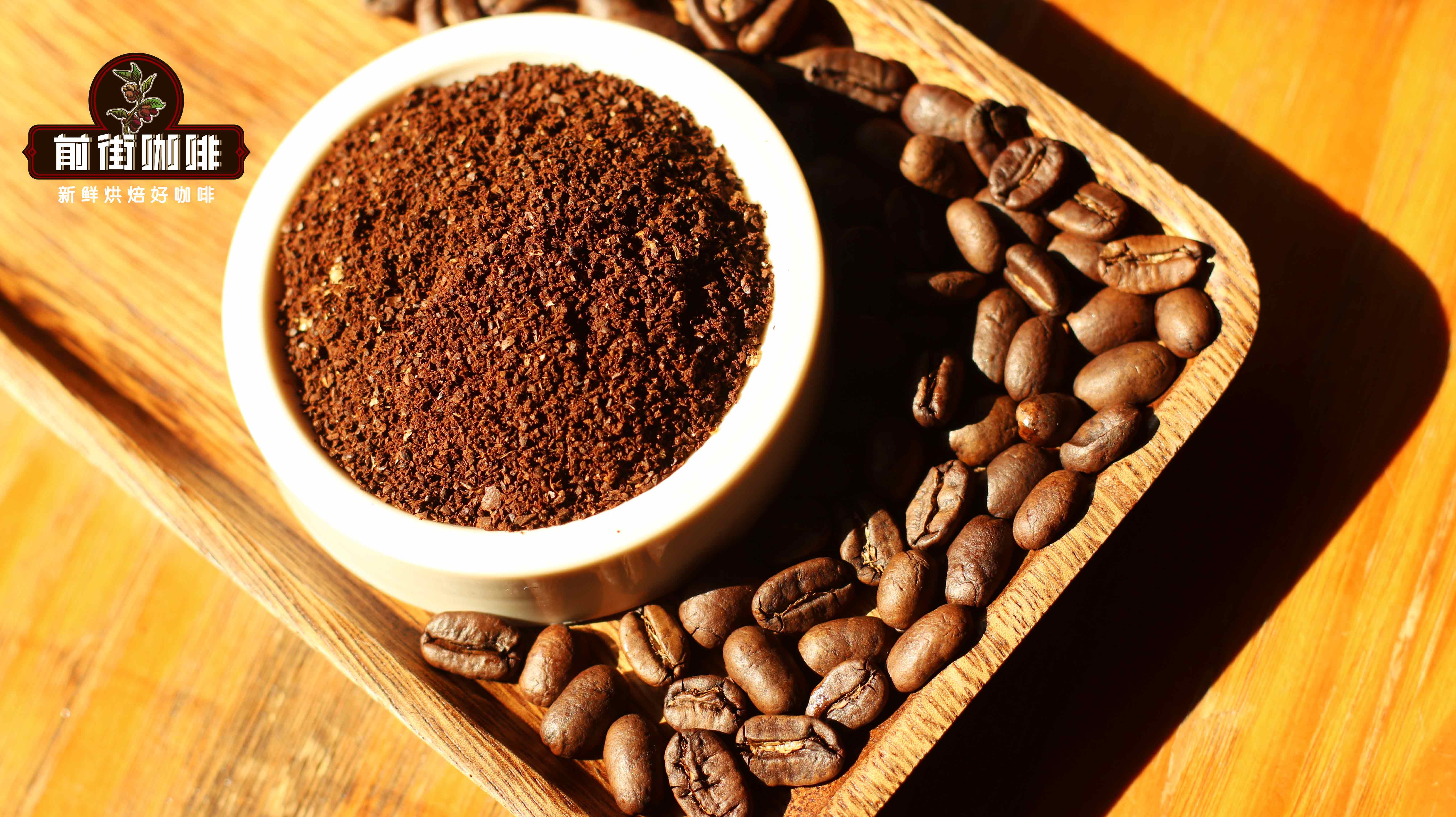
2. Choose a coffee grind size slightly coarser than espresso. You can refer to the size of the gaps in the filter basket mesh to ensure that coffee particles will not fall into the lower chamber. Slowly pour the coffee grounds into the filter basket, tap gently to distribute them evenly, and after the coffee grounds form a small hill shape, level the surface by distributing the grounds.
3. Place the filter basket into the lower chamber, tighten the upper and lower parts of the moka pot, then place it on an electric ceramic stove and heat over high heat.

4. When the moka pot heats up to a certain point and emits a clear "hissing" sound, turn the electric ceramic stove to low heat and open the lid of the upper chamber.
5. When about half of the coffee liquid has flowed out into the upper chamber, turn off the electric ceramic stove. The residual heat and pressure of the moka pot will continue to "push" the remaining coffee liquid into the upper chamber.
6. After all the coffee liquid has been extracted into the upper chamber, pour it into a cup, add half warm water, and make a moka pot americano. This way you can taste the mixed nut and cocoa aromas of Front Street. Brazil Queen's Estate; if you do not want black coffee, replace the water with warm milk, and it becomes a silky, rich moka pot latte.
The above content is compiled by CoffeeHunters, a coffee news website.


