







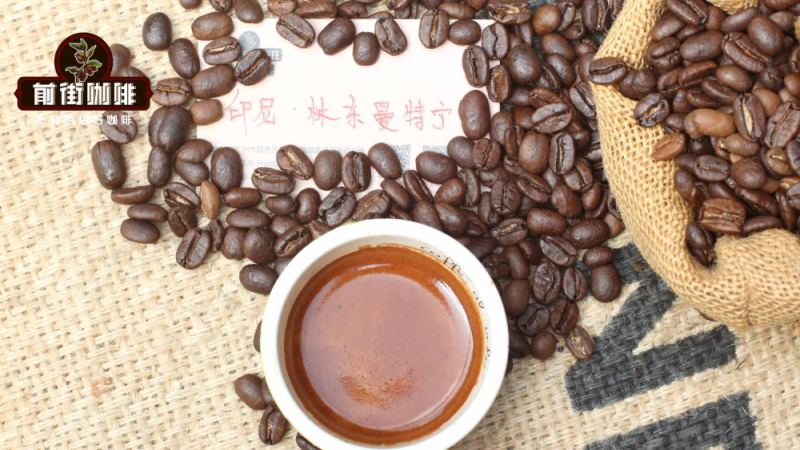
How Do You Brew Mantenin Coffee Without Burnt Bitterness?
Mantenin coffee is a deep roast and bitterness is its keynote, but burnt, astringent bitterness usually comes from poor brewing rather than the bean itself. Filter cup choice, coffee-to-water ratio, grind size, water temperature and a three-stage pour are the levers that bring out a full body and clean, bitter-without-burnt flavor.
The name is a mistransliteration of the Mandailing people who planted coffee there, and today it generally refers to Arabica beans from North Sumatra, Indonesia, processed by the wet-hulling method. Several Mantenin products differ in bean selection and roast, so knowing the specific bean matters as much as the recipe when adjusting parameters.
Some people often say that Mandheling is so bitter it's hard to swallow, but there are also seasoned coffee enthusiasts who are particularly fond of its rich, full-bodied character, believing that only Mandheling counts as true coffee. As a typical representative of deep roasting, Mandheling is indeed known for its bitterness, but Front Street believes that quality bitterness is a pleasure, while burnt and astringent bitterness is often caused by improper brewing. This article will focus on the key points of brewing Mandheling coffee, covering bean type recognition, the influence of the wet-hulling process, filter cup selection, coffee-to-water ratio, grind size, water temperature, and the three-stage pouring technique, explaining one by one how to bring out Mandheling's full-bodied, clean, and bitter-without-burnt flavor, and showcasing the differences among several Front Street Mandheling products.
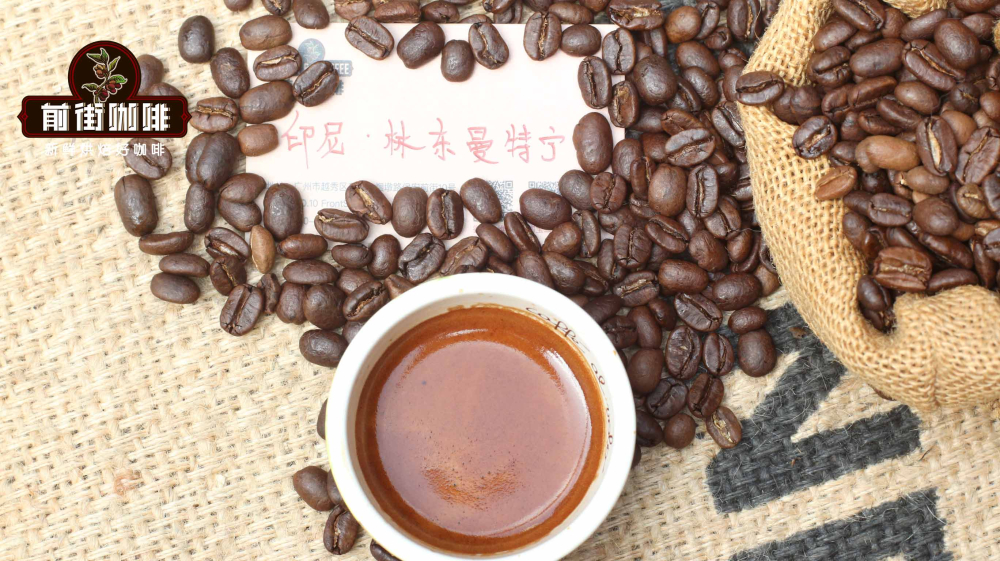
Many friends feel that Mandheling coffee tastes nothing but bitter upon entry, hardly worth calling delicious; however, there are also seasoned coffee lovers who can't forget Mandheling's rich aroma, and in their view, only Mandheling deserves to be called true coffee. In fact, as a typical representative of deep roasting, Mandheling always has bitterness as its keynote—if anyone says it isn't bitter, they must be lying. However, Front Street believes that the bitterness presented by a high-quality coffee is a delightful pleasure, while those burnt and astringent bitter flavors are likely due to improper brewing methods. Therefore, Front Street will discuss how to brew out Mandheling's charm, achieving bitterness without burnt notes.
The key to brewing a good cup of coffee lies in knowing yourself and your beans.
Front Street has always believed that fully understanding information about coffee beans is extremely crucial for brewing. Mandheling is not the name of a bean variety, nor a place of origin, but rather the result of a mistransliteration of the Mandailing people (mandheling) who planted coffee back then. What is now called Mandheling coffee generally refers to Arabica coffee beans produced in North Sumatra, Indonesia.
On Front Street's bean list, there are four Mandheling coffees: Front Street Lindong Mandheling, Front Street Golden Mandheling, Front Street Tiger Mandheling, and Front Street Aged Mandheling. Below, Front Street briefly explains the differences among these four beans:
Front Street Lindong Mandheling: Mandheling coffee beans from the Lindong region, grade G1 (the highest grade in Indonesian coffee classification), capable of showcasing the basic regional flavor of Indonesian Mandheling coffee.
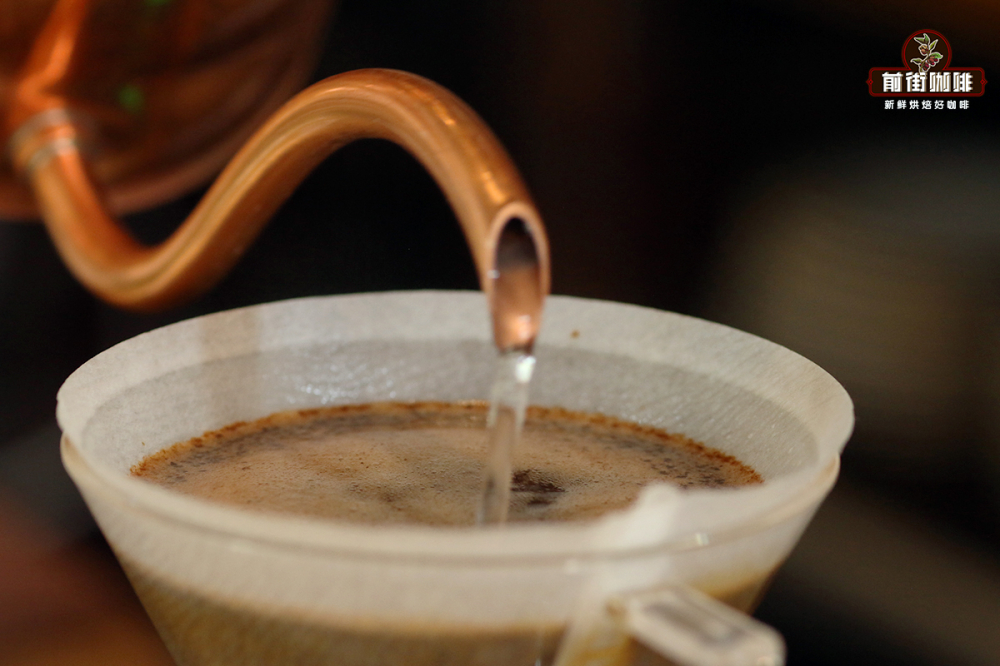
Front Street Golden Mandheling: A product of Indonesia's PWN Coffee Company (the Golden Mandheling trademark belongs to PWN). When importing Golden Mandheling green beans, a PWN certificate of authentication is included (for verifying authenticity). Front Street Golden Mandheling comes from Mount Gayo in Aceh, grade G1, and undergoes 3 rounds of hand-sorting to ensure large, plump beans (19 screen size) with few defects. It presents a very clean, full-bodied mouthfeel with high sweetness, representing high-quality Mandheling coffee.
Front Street Tiger Mandheling: Produced in the Lake Tawar area of Aceh Province. Tiger Mandheling requires a flavor with herbal Chinese medicine-like aroma, and Mandheling with 17+ screen size and a defect rate below 4%. Therefore, it is likewise a high-quality Mandheling coffee bean.
Front Street Aged Mandheling: Uses an aging process—normally processed Mandheling coffee is placed in a temperature-controlled warehouse for 2 to 3 years of aging. After aging, the acidity becomes very mellow, the caramel sweetness becomes more pronounced, the mouthfeel becomes rounder, and it's easy to drink, much like ripe pu'er.
Mandheling characteristics: Wet-hulling adds body.
Wet-hulling is a coffee processing method unique to Indonesia, and can also be seen as a processing approach adapted to local conditions in rainy, humid Indonesia. In the early stage of wet-hulling, a washed process is first done, then the coffee beans with parchment are sun-dried to a semi-dry state, the parchment is removed, and drying continues. The benefit of this is that the drying time is greatly shortened, the acidity of the coffee beans is noticeably reduced, the body is significantly enhanced, the caramel aroma stands out, and there's a slight herbal, fresh note.
So how should Mandheling coffee be brewed?
Front Street's brewing approach for Mandheling coffee is: to express a full-bodied yet clean mouthfeel, highlighting caramel, chocolate, and its signature herbal aroma, while avoiding unpleasant bitterness. Front Street will explain from equipment selection and various important brewing parameters, demonstrating with Front Street Golden Mandheling.
For filter cup selection, Front Street uses the Kono Meimon filter cup. The Kono filter cup's biggest feature is that the ribs extend from the bottom to the middle, with the upper part being a smooth wall, so when the filter paper fits the cup, water cannot "sneak" around the coffee grounds and escape, thereby enhancing the body of the mouthfeel.
The coffee dose Front Street uses is still 15g. More coffee isn't necessarily better, nor is less necessarily better—it depends on the filter cup size. Front Street uses a 1-2 cup filter, and a dose between 15 and 20g is a reasonable brewing range; brewing beyond this range will present certain difficulties.
For the coffee-to-water ratio, Front Street recommends 1:15. Although some suggest 1:13 or a smaller ratio, Front Street has stated in previous articles that there is no necessary connection between concentration and body, and overly concentrated coffee makes people uncomfortable. Therefore, a 1:15 ratio also does an excellent job of showcasing Mandheling's full-bodied mouthfeel.
For coffee grind size, Front Street uses the standard of 70% passing through a No. 20 sieve. When brewing Front Street Golden Mandheling, the grind should be coarser than for light-roasted coffee beans, because Front Street Golden Mandheling is deep-roasted, with a looser structure that absorbs water more easily and releases coffee substances more readily. If ground to the fineness of light-roasted beans, it's easy to brew out burnt bitterness; if ground coarser, the coffee becomes thin and tasteless, with a watery mouthfeel.
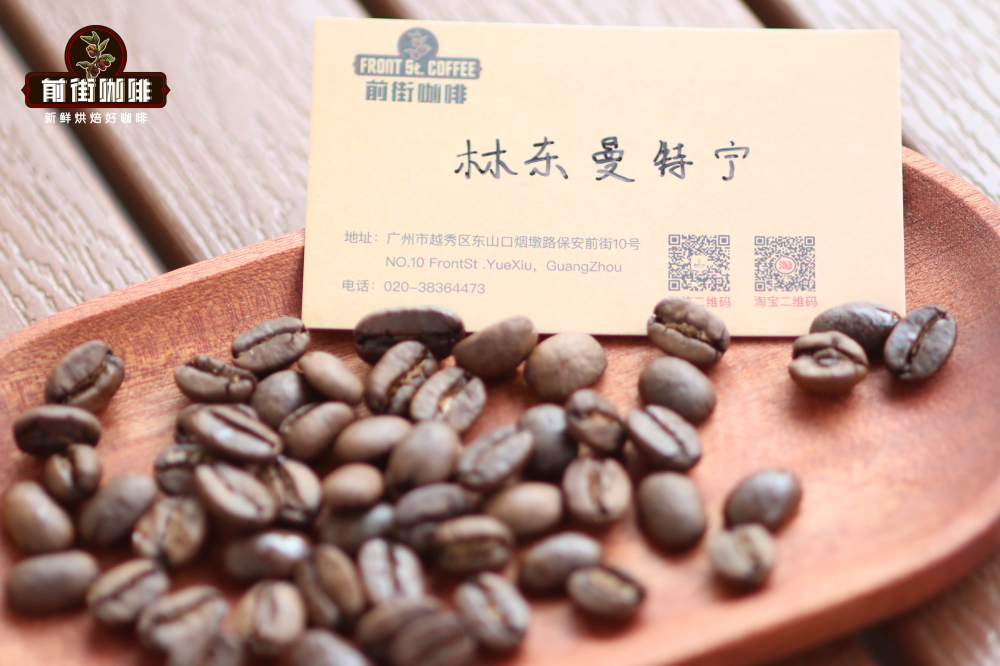
For water temperature, Front Street recommends brewing at 87-88°C. Similar to grind size, too high a temperature easily produces burnt bitterness, while too low a temperature makes the coffee taste flat and produces unpleasant sourness.
The brewing method uses three-stage pouring; dividing into three pours better showcases Front Street Golden Mandheling's full-bodied mouthfeel and caramel sweetness. The specific water distribution is: first stage, bloom with 30ml, which wets all the coffee grounds and allows degassing, preparing for better extraction of flavor compounds afterward; second stage, pour 100ml; final stage, pour 95ml to enhance the coffee's sweetness, presenting an overall thick, full-bodied mouthfeel, along with caramel sweetness and chocolate, nutty flavors.
The above content is compiled by CoffeeHunters, a coffee news website.


