







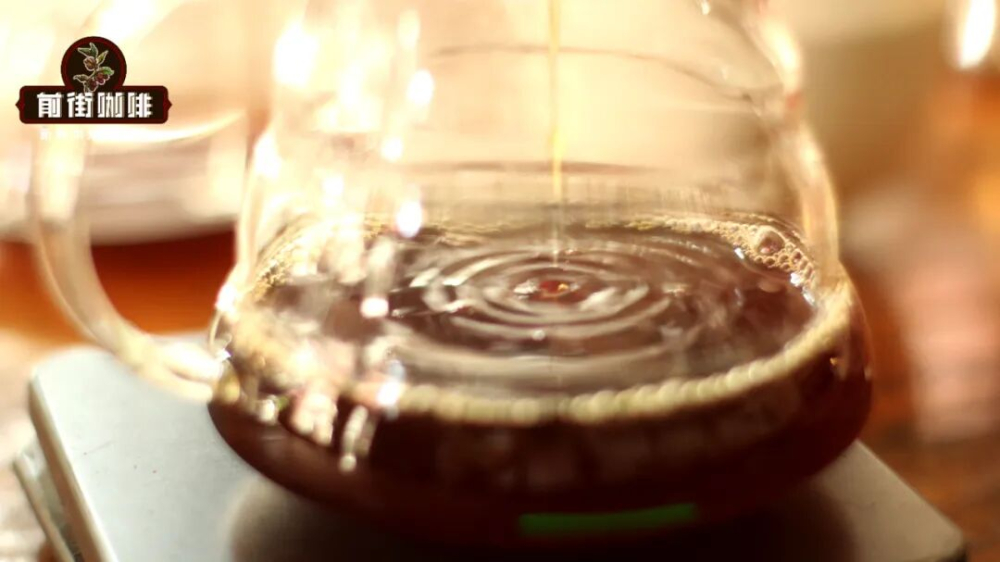
Newcomers often say that brewing coffee feels like mysticism, and whether it tastes good or not is purely a matter of luck. But in Front Street Coffee's view, as long as you find the logic and rules behind brewing, you'll discover it's actually not that complicated at all—it's simply about finding a few key parameters, using hot water to fully extract the coffee grounds, and ending up with a decent-tasting cup of coffee.
These days, coffee brewing tutorials are everywhere on the internet, yet many beginners still run into an "accident"—the coffee they brew comes out burnt, bitter, and hard to swallow. Today, Front Street Coffee will use the process of elimination to offer everyone some solutions.
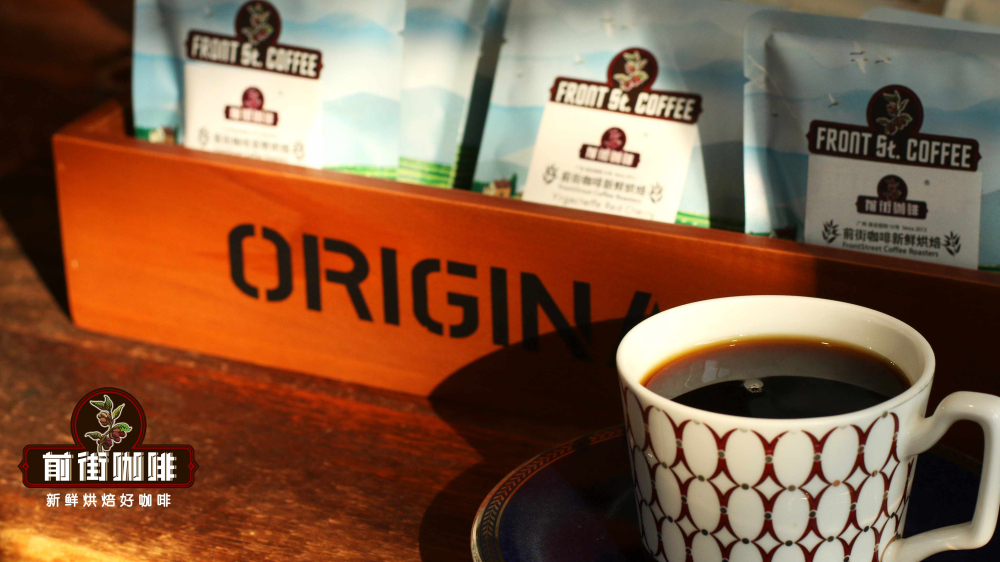
Reason One : The coffee beans themselves are dark-roasted
Whether coffee is sour or bitter is mainly determined by the roast level. Lighter-roasted coffee has a more prominent sourness, darker-roasted coffee has an obvious bitterness, and medium-roasted beans have both sourness and bitterness. For those who enjoy dark-roasted coffee, it lets us smell aromas like caramel, nuts, chocolate, and toasted bread, while also experiencing a mouthfeel that leans toward rich, mellow, and deep, with a lasting finish that lingers in the mouth after drinking.
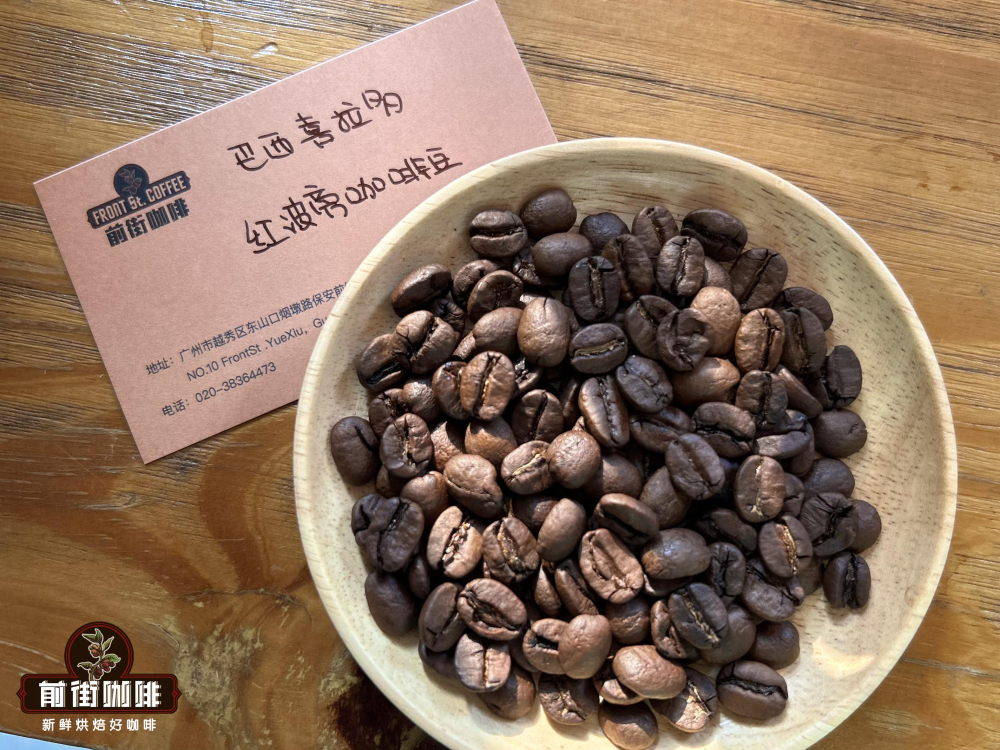
But friends who are naturally not into "heavy flavors" resist this taste from the bottom of their hearts. Plus, since this type of coffee is dominated by roasting aromas, many people find it burnt and bitter, even comparing it to Cantonese herbal tea.
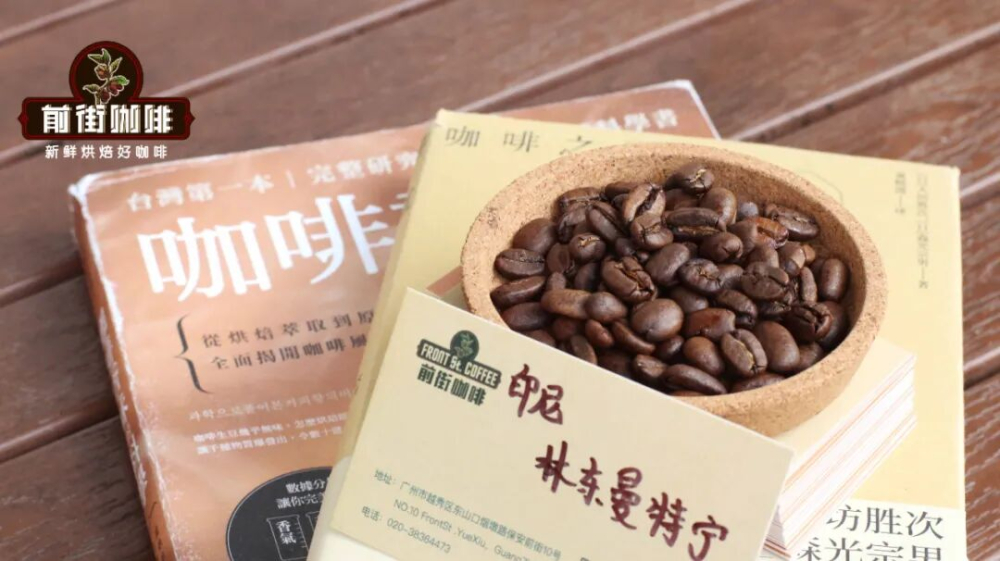
To avoid this situation is simple—we just need to judge from the flavor descriptions on the coffee bean label. For example, in our daily staple series, Front Street Brazil Cerrado, Front Street Colombia Huila, and Front Street Indonesia Mandheling all have labels listing chocolate, nuts, toasted bread, spices, pine, caramel... Just hearing these, you know they're aromas that only come from long roasting, which means these are coffees with a predominantly bitter profile.
Reason Two : Coffee beans left too long causing aroma loss
Besides the roast level issue, the burnt bitterness of coffee is also affected by the flavor window.
Generally speaking, after roasting, coffee beans release a large amount of carbon dioxide in the first few days, then enter a golden flavor window, gradually reaching their aroma peak. As time goes on, flavor compounds begin to gradually dissipate, the aroma weakens, and the mouthfeel becomes flat. Front Street Coffee usually recommends: if the coffee beans are not ground, it's best to finish them within a month and a half after roasting; if ground into powder, it's best to finish within three weeks.
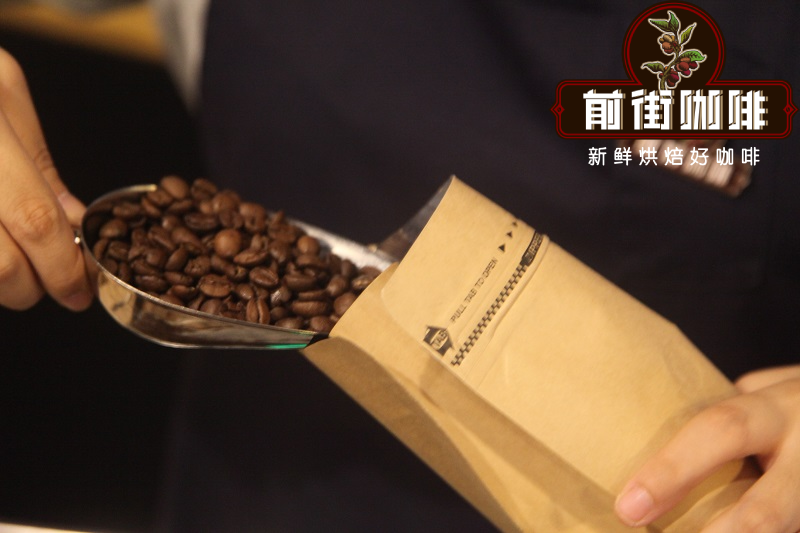
If your coffee beans happen to be the bitter-profile type mentioned above, in their fresh state they'll have an obvious roasted aroma—what we commonly call "coffee smell." But once past the flavor window, the coffee not only loses its aroma but also gives off off-flavors similar to wood, greasiness, and smoke, and the brewed coffee will carry a burnt, bitter taste.
If you've already ruled out the coffee beans themselves as the cause, then the burnt bitterness is likely due to brewing parameters.
Reason Three : Grind too fine or too many fines
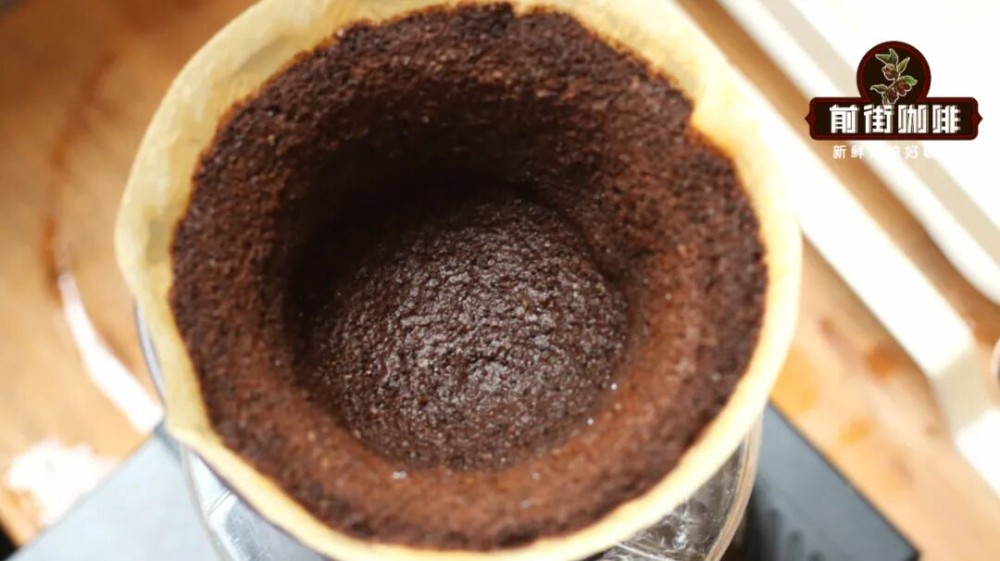
According to Front Street Coffee's observations, when beginners encounter bitter, burnt coffee, it's mostly related to grind size, mainly in two scenarios: one is that the grind is too fine, making it hard for water to flow through, which leads to too long an immersion time and extracts bitterness; the other is that there are too many fines clogging the gaps in the filter paper, causing blockage and resulting in over-extraction.
If your situation is that the flow rate is even but overall very slow (15g coffee, 1:15, over 2 minutes 20 seconds), and the coffee is burnt and bitter, that means the grind is too fine and needs to be coarser;

If your situation is that the flow rate is normal at first but gets slower and slower, and after brewing it looks wet and muddy, that means there are too many fines in the coffee. You need to sift out some of the fines, or switch to a better-quality grinder to avoid this problem.
Reason Four : Water temperature too high
For water temperature recommendations, Front Street Coffee never gives exact numbers, but rather provides a general range based on the coffee bean's roast level: light to light-medium roast uses 91–93°C, medium roast is 89–91°C, and dark roast is 86–88°C. But in fact, the taste brewed with the maximum versus minimum water temperature is different, and what causes the burnt bitterness in coffee might just be this 1–2°C difference.
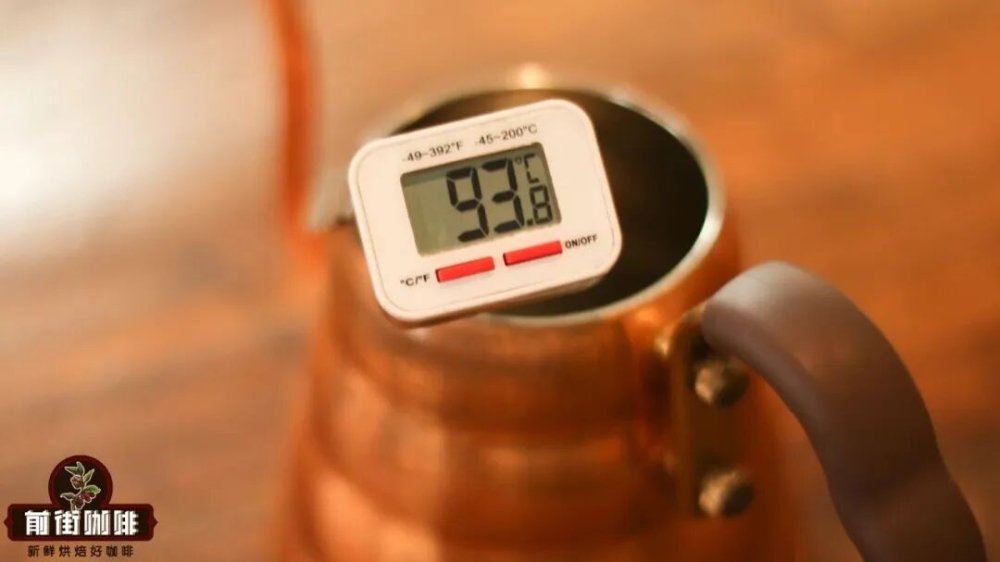
I remember once, when Front Street Coffee was brewing Blue Mountain No. 1 coffee, we extracted with 88°C water, and the coffee had a slight burnt, bitter finish. Then, with all other parameters unchanged, Front Street Coffee switched to 86°C water, and the coffee's mouthfeel immediately became balanced and clean.
If your coffee comes out burnt and bitter, and you've already ruled out reasons like roast level, date, and grind size, it's worth checking whether the water temperature is too high.
The above content is compiled by CoffeeHunters, a coffee news website.


