







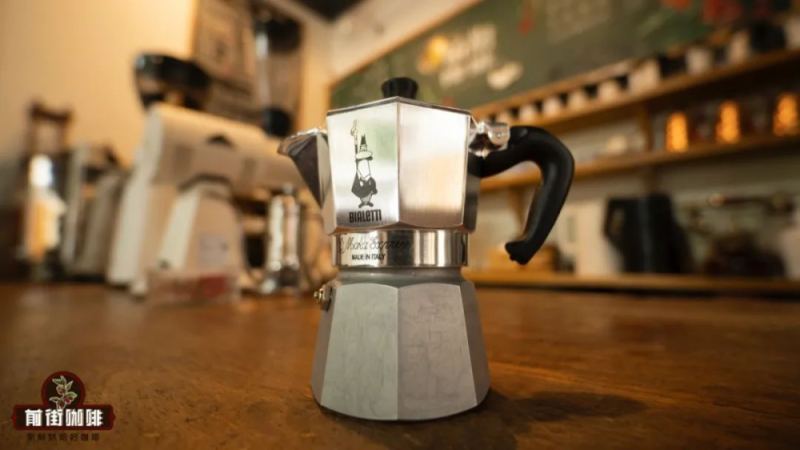
How does a moka pot brew coffee, and how do you get it right?
A moka pot brews by pressure, not gravity. Water in the bottom chamber is heated until it boils into steam, pressure builds in the sealed base, and the remaining hot water is forced up through the coffee grounds in the middle filter basket and into the top chamber. That single pass through the basket is the entire extraction.
The device is forgiving on grind size, but burnt or thin results usually come from a grind that is too fine, too much heat, or the wrong dose. Coffee beans for moka pot brewing are typically medium to dark roasts that hold up to the higher water temperature and give a fuller body.
With its affordable price and convenient operation, the moka pot has become the go-to device for many coffee lovers at home or in the office. However, many people stumble after buying one because they are unfamiliar with how to use it, and the coffee they brew comes out either burnt and bitter or thin and bland. This article will start with the structure and working principle of the moka pot, break down in detail the key points of controlling grind size, coffee dose, and water volume, and explain the scenarios that different coffee beans suit. Then, Front Street will walk you through the entire process—from adding water and loading coffee grounds to heating and extraction—helping you avoid common pitfalls and easily make a balanced cup of moka pot coffee.
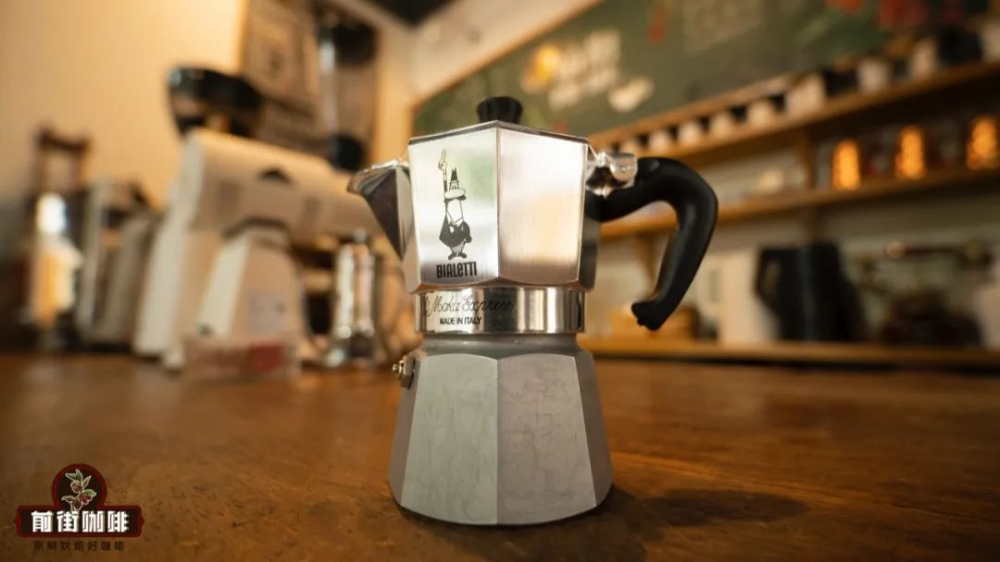
As coffee culture continues to spread, the moka pot, an affordable piece of equipment, has entered more and more people's lives. Whether in the office or at home, keeping a moka pot on hand lets you enjoy a freshly brewed cup anytime. However, many friends get stumped after buying one—they don't know how to operate it, and the coffee it brews doesn't taste quite right. For this reason, Front Street has put together a moka pot guide today, hoping to help everyone successfully make a delicious cup of moka pot coffee.
The Structure and Working Principle of the Moka Pot
The moka pot is roughly composed of three parts: the bottom chamber that holds water, the filter basket in the middle that holds coffee grounds, and the top chamber that collects the brewed coffee.
Its principle is actually not complicated. After the bottom chamber is heated, the water inside gradually rises to a boil and turns into steam. This steam cannot escape, so it keeps accumulating in the sealed space, causing the pressure inside the bottom chamber to rise continuously. When the pressure reaches a certain level, the remaining hot water is pushed up into the top chamber. Before the hot water reaches the top chamber, it must first pass through the filter basket, and this process happens to complete the extraction of the coffee grounds. The hot water, now dissolved with coffee compounds, continues to rise and flows out from the spout—this is the coffee we get.
The Grind Size Suitable for the Moka Pot
Compared with other brewing methods, the moka pot is actually quite forgiving when it comes to grind size. Extremely fine powder like that used for espresso, or granules like fine granulated sugar commonly used for single-origin coffee, can both be used. But one thing must be noted: the grind must be neither too fine nor too coarse.
Granules like coarse sugar used for pour-over coffee, as well as flour-level fine powder like that used for Turkish coffee, are not suitable for the moka pot. If the grind is too coarse, the puck offers insufficient resistance, and hot water passes through quickly, so the coffee compounds don't have time to be fully extracted, easily leading to under-extraction. If the grind is too fine, resistance surges, and hot water accumulates in the filter basket for a long time without passing through smoothly—in severe cases it can even cause the pot to explode. Therefore, if you find that the water has been boiling for a long time but the coffee still hasn't come out, the safest course of action is to turn off the heat immediately, readjust the grind size, and try again. Safety always comes first.
How to Determine the Coffee Dose for a Moka Pot
Different sizes of moka pots require different doses of coffee, and the coarseness of the coffee grounds directly affects their volume. At the same weight, the finer the grind, the less space it takes up. Changes in volume alter the extraction result, which is why many people follow the manufacturer's recommended dose but still can't brew a good cup—differences in grind create deviations in extraction.
So a simple and reliable approach is: just fill the filter basket with coffee grounds and level it off. This ensures a high margin for error during extraction. The amount of coffee needed to fill the filter basket is the most suitable dose for the current size and grind setting. Front Street suggests recording this number so it's easy to adjust your brewing plan later.
Controlling the Water Volume in a Moka Pot
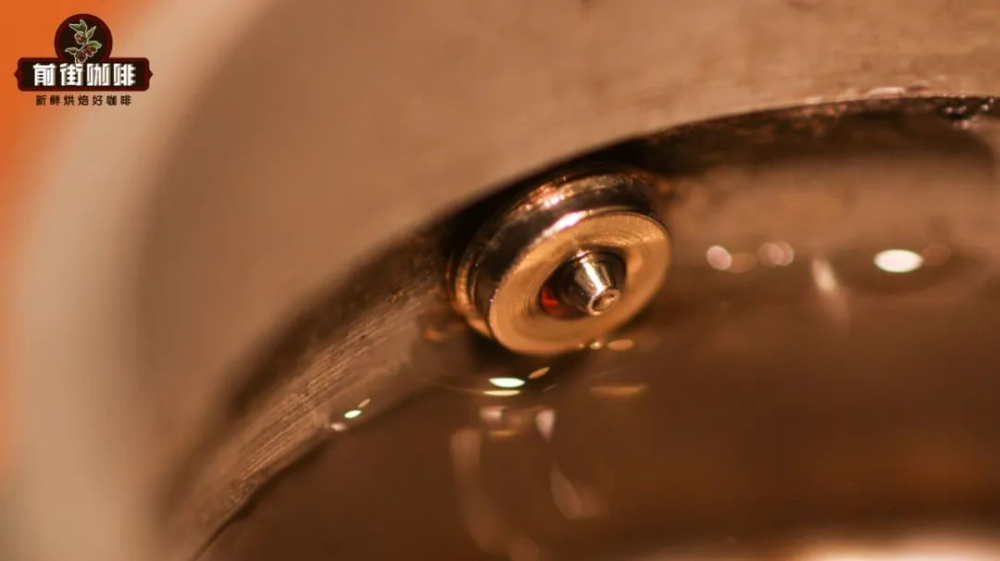
Water volume is also a common concern. Pick up the bottom chamber of the moka pot, and you'll see a metal valve inside the water tank—this part is called the "pressure relief valve."
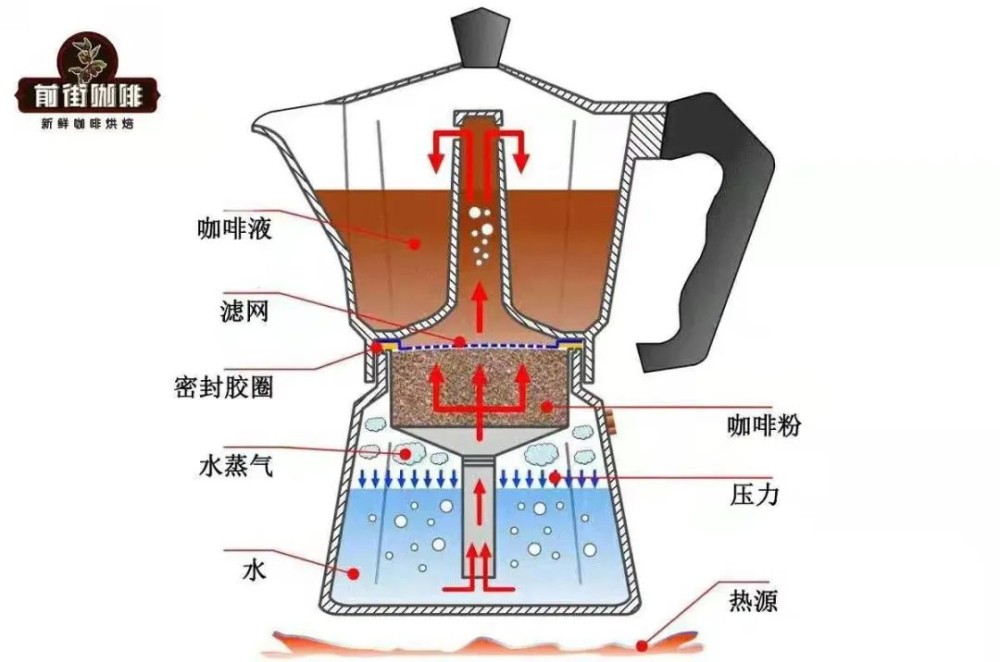
It exists to prevent explosions caused by excessive pressure from too fine a grind or other factors. If you add too much water and the water level rises above the pressure relief valve, the valve may lose its pressure-relief function, increasing the risk of an explosion. Therefore, Front Street recommends keeping the water level below the pressure relief valve. Likewise, for more precise extraction adjustments, it's best to record the amount of water you add each time.
What Coffee Beans Pair Well with a Moka Pot
Front Street can say plainly that the moka pot works with almost all coffee beans; which beans to choose depends entirely on your drinking needs. If you want to use moka pot coffee to make a latte, then dark-roasted beans that produce rich crema and enough bitterness to not be masked by milk are the top choice—we recommend Front Street Colombia Huila, Front Street Signature Blend, and Front Street Queen's Estate. If you want a refreshing black coffee, then light-roasted beans with prominent floral and fruity notes are more suitable, such as Front Street Flower Kui SOE, Front Street Mozart, and Front Street Strawberry Candy Espresso. Just choose according to your taste preference.
The above points are what need special attention; next we move into the actual brewing tutorial for moka pot coffee.
Steps for Using a Moka Pot
First gather all the materials needed: coffee grounds, water, the moka pot, and a heat source for heating.
1. Add water: First pour in an appropriate amount of hot water. Using hot water shortens the boiling time and lets us enjoy our coffee sooner.
(Front Street uses a two-cup single-valve moka pot and poured in 130ml.)
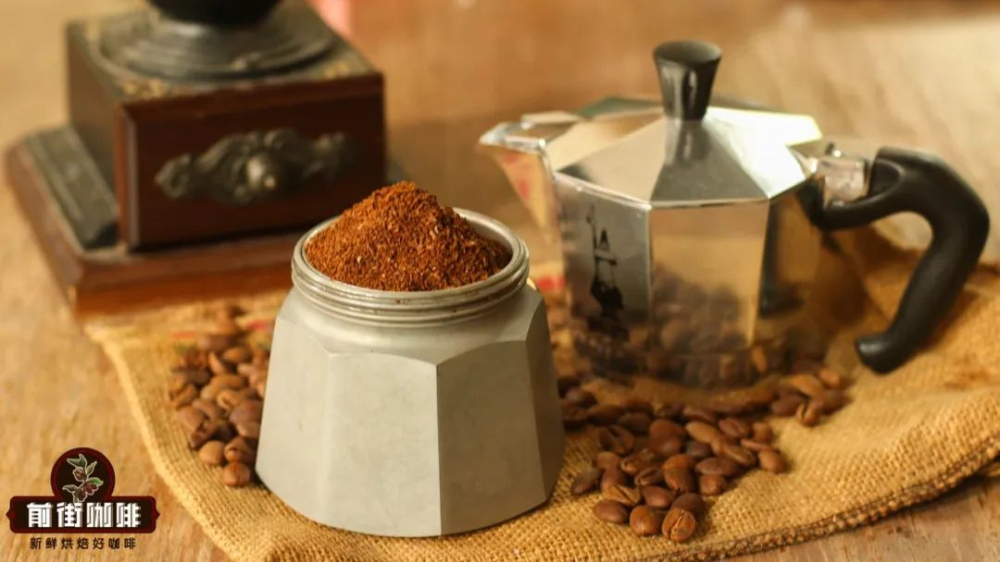
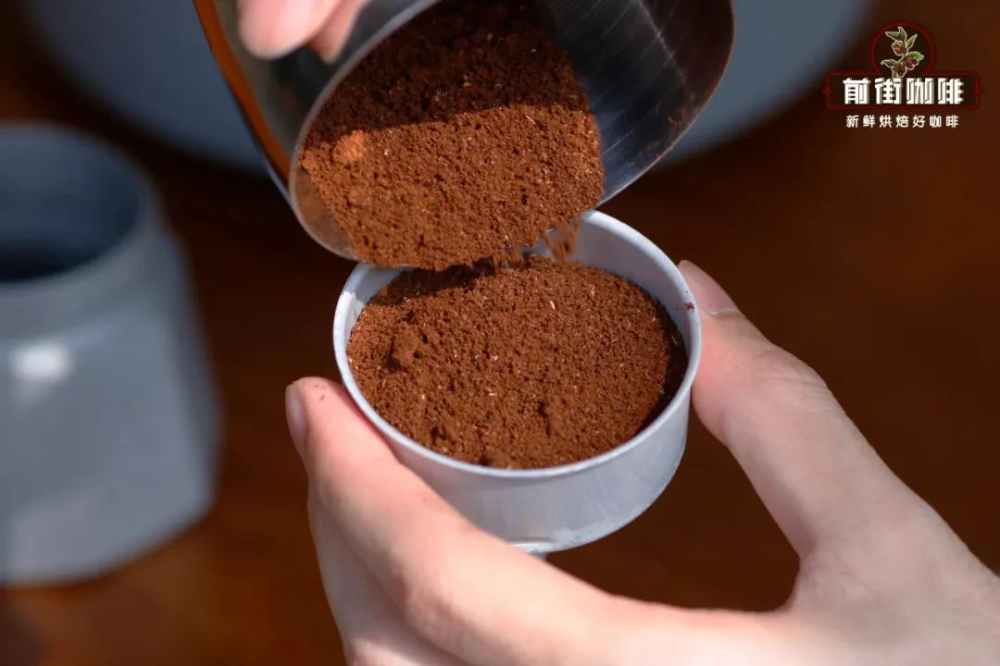
2. Load the coffee grounds: Put an appropriate amount of coffee grounds into the filter basket, then place the filter basket into the bottom chamber.
(18g of grounds)
Note: after pouring the coffee grounds into the filter basket, it's best to tap it gently a few times—the purpose is to let the grounds settle naturally, fill the gaps, and reduce channeling. Once loaded, just level the surface with your finger. If the coffee grounds are on the fine side, it's best not to tamp them, otherwise it will increase the resistance of the filter basket and make it harder for hot water to pass through.
3. Tighten the top and bottom chambers together: Note at this step: if the bottom chamber contains hot water, it's best to use a wet cloth for insulation to avoid burns.
4. Place on the heat source and start brewing: No need to say much here—just place the moka pot on a heat-conducting heat source and heat it.
5. Turn to low heat and wait for the coffee to come out: When the moka pot makes a distinct sound, it means the hot water is about to surge out with the coffee compounds, pushed by steam—at this point you need to lower the heat. Otherwise, high heat will keep producing steam and increasing pressure, forcing the hot water to flow out faster, so the coffee compounds don't have time to be fully extracted, ultimately making the whole cup taste thin. So when the coffee is about to flow out, be sure to lower the heat.
6. Stop heating and wait for extraction to finish: When about half the coffee has flowed out, you can turn off the heat, because the residual heat inside the pot is enough to "urge" out the remaining hot water.
7. Taste the coffee: Once the moka pot stops dispensing, you can pour out the coffee and taste it.
If you taste a strong burnt bitterness, it means over-extraction, and next time you should appropriately reduce the amount of extracted liquid and end extraction earlier. If it tastes sour with off-flavors, it's likely under-extraction, and you can adjust the grind size. If the grind can't be adjusted further, you can also try increasing the water volume to raise the extraction rate. After trying a few times, you'll naturally master the knack for brewing a delicious cup of moka pot coffee.
The above content is compiled by CoffeeHunters, a coffee news website.


