







How long does a moka pot take to brew and when to stop?
A moka pot typically brews in three to four minutes. Water in the bottom chamber is heated until steam builds pressure of roughly 1.2 to 3 atmospheres, pushing hot water up through the coffee bed and into the top chamber. The heat should be turned off as soon as the flow lightens and sputters, before the extraction turns bitter.
The moka pot has three parts: the top chamber for the coffee, the middle filter basket for the grounds, and the bottom chamber for water. Single-valve and double-valve models behave slightly differently. Medium-dark roasted espresso beans suit it well, and the safety valve, filter clogging, and regular cleaning all affect how consistently the pot performs.
With its simple structure and pressure-extraction method, the moka pot can produce rich, oily coffee under ordinary home conditions. But how long to brew and when to turn off the heat often confuse beginners. This article starts from the working principle of the moka pot, explains the difference between single-valve and double-valve models, recommends suitable medium-dark roasted beans and specific products, and breaks down the details step by step—adding water to the bottom chamber, grind size, filling the filter basket, heating, and judging when to turn off the heat—while also reminding you of precautions regarding the safety valve, clogging, and cleaning, helping you consistently extract an ideal cup in three to four minutes.
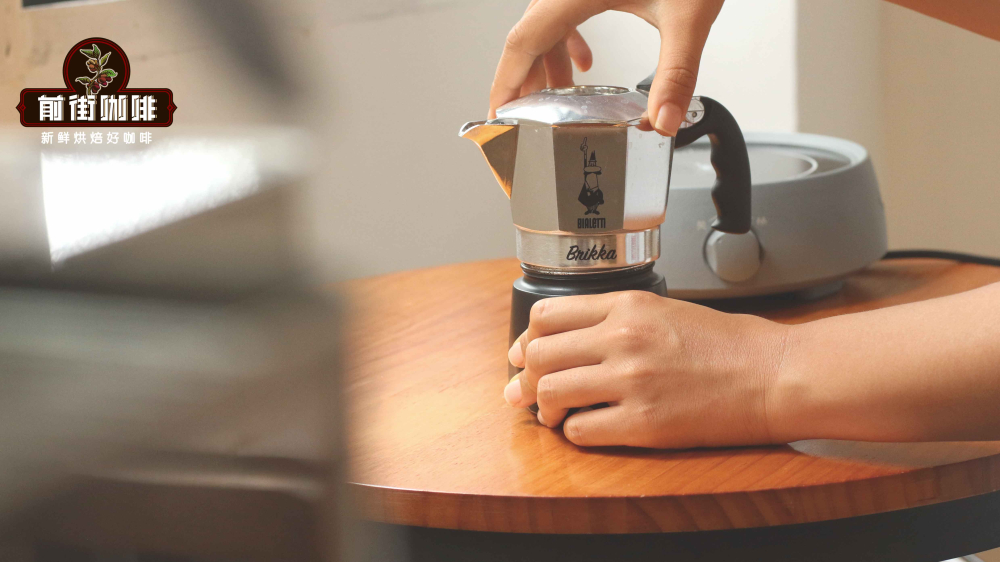
The moka pot works by letting boiling hot water in the bottom chamber generate steam pressure that passes directly through the coffee bed, drawing out the flavor compounds from the coffee. The resulting coffee liquid has a heavier body, concentrated aroma, and a thin layer of oil floating on the surface—this is exactly what makes espresso-style coffee so captivating.
The structure of a moka pot is not complicated
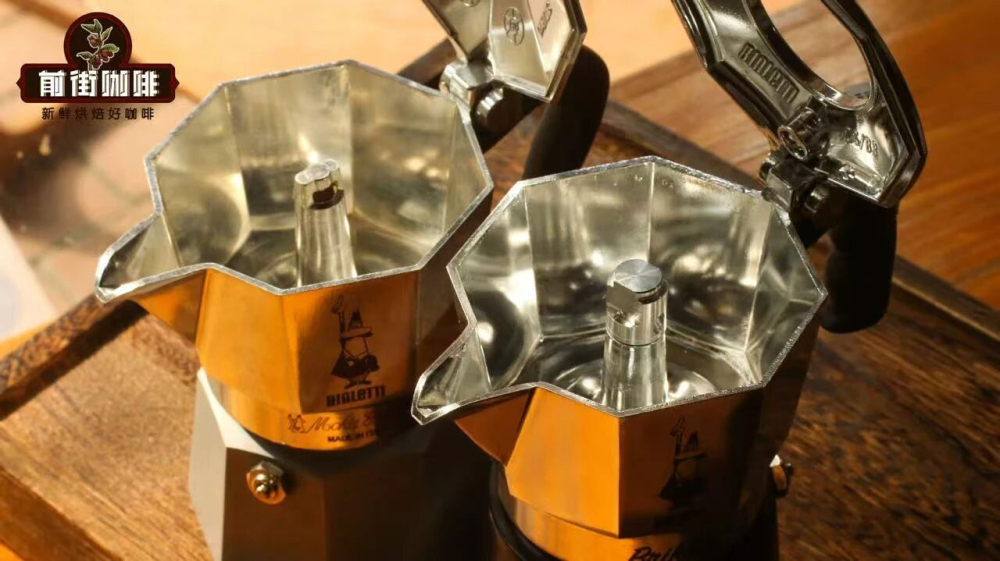
Anyone who has seen a moka pot will probably notice that its design is quite simple, consisting of only three parts: the top chamber that holds the coffee liquid, the filter basket in the middle that holds the grounds, and the bottom chamber used for adding water and heating.
When heating a moka pot, the water in the bottom chamber heats up first and turns into steam, gradually building pressure that pushes the hot water to flow from bottom to top. After the hot water contacts the coffee grounds, the continuously rising pressure pushes the extracted coffee liquid further into the top chamber, ultimately giving us the rich coffee we want.
The extraction principle of the moka pot is somewhat similar to common pressure-based espresso: after the water in the base boils, it produces steam, and the steam continuously accumulates to form pressure, forcing hot water through the coffee grounds, dissolving flavor compounds, and then spraying with force into the upper container. When brewing coffee with a moka pot, the pressure is about 1.2 to 3 atmospheres. Increased pressure makes the coffee flavor more concentrated, so the final product also has a rich, full-bodied taste.
Common moka pots on the market come in single-valve and double-valve versions. When using a double-valve moka pot, it is equivalent to adding a pressure-regulating valve on top of the original design. With increased pressure, the coffee is more concentrated and can also bring out more oils. Although a moka pot cannot reach the level of a standard espresso machine at 9 atmospheres or above, if you just want a cup of rich, full-bodied coffee in your spare time at home, Front Street Coffee believes a moka pot is still a very good choice.
Although the steps for operating a moka pot are simple, there are many details, and choosing the right coffee beans plays a key role in the final taste.
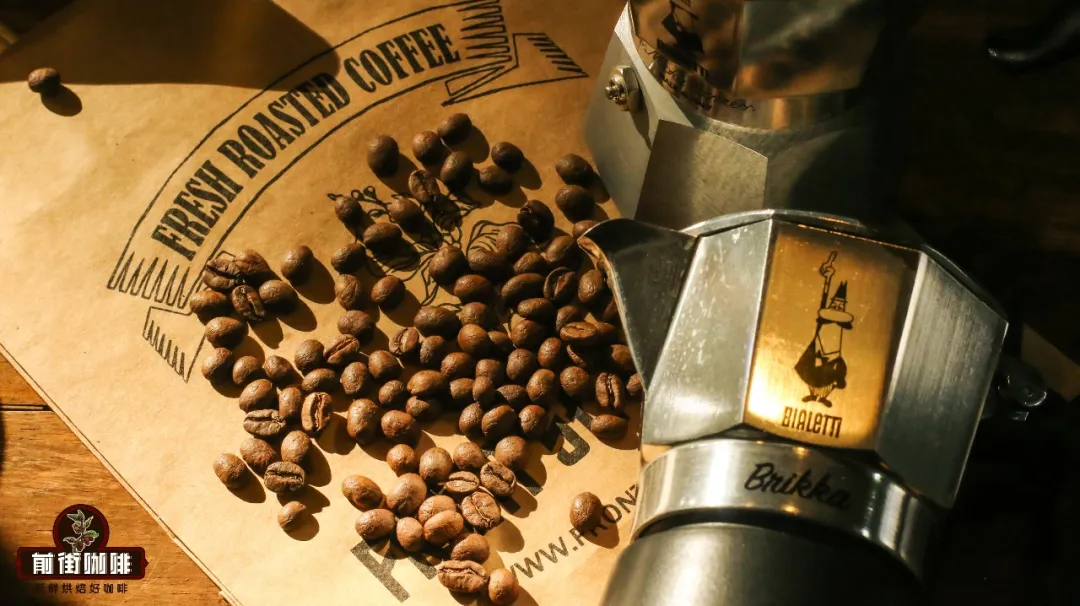
The moka pot uses pressure extraction and excels at bringing out the body and richness of coffee, so it is suitable for pairing with medium-dark roasted coffee. This type of bean is roasted longer than light-roasted beans, has richer caramelized aromas, and contains more carbon dioxide, so the coffee liquid extracted with a moka pot will also have more visible oils.
If you are trying a moka pot for the first time and want the coffee to perform consistently, you can buy Front Street Coffee Black Cocoa Blend—the espresso coffee beans recommended by many baristas—made from Yunnan small-bean and Brazil Cerrado. It has aromas of nuts, chocolate, and plum, with an overall soft mouthfeel. It can be used to make regular coffees such as lattes and Americanos, and is highly versatile. It can absolutely be called a great home essential, and is also the top choice for opening a coffee shop.
How do you brew coffee with a moka pot?
Front Street Coffee first removes the base of the moka pot and adds warm water to the bottom chamber, which can shorten the brewing time and also prevent the coffee grounds from heating too quickly and producing a burnt, bitter taste. The water level must be kept below the pressure relief valve line. The purpose of the safety valve is to prevent overly fine coffee grounds from clogging the extraction channel and thereby causing the moka pot to explode. If the safety valve is submerged in water and the extraction channel happens to be clogged, the consequences of a high-temperature moka pot exploding are unimaginable.
To extract a rich black coffee, the grind should be finer than regular pour-over but coarser than espresso. Grinding too coarse will lead to underextraction, spraying, and other problems, while too fine will cause overextraction, making the coffee burnt, bitter, and hard to drink. Front Street Coffee stores use an EK-43s grinder at a setting of 0.5.
Pour the ground coffee into the filter basket, level it and fill it full, smooth the surface with your finger, then place it into the base. There is no need to tamp with force; an overly compacted coffee bed can easily block the upward flow of water and thus affect extraction. If there is not enough coffee powder, when the water in the bottom chamber enters the middle coffee bed under steam pressure, it cannot extract fully, which will then cause large spraying into the top chamber.
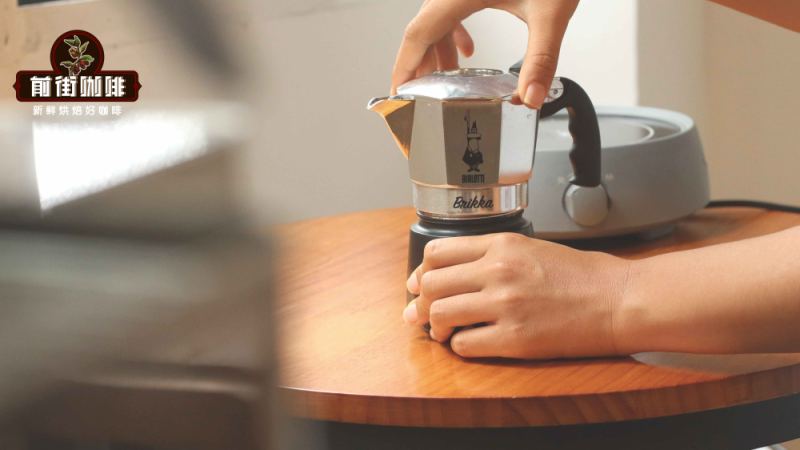
Next, tighten the top chamber and bottom chamber together and place it on a gas stove or induction cooktop to heat. When using an open flame, be careful to control the flame so that it does not exceed the range of the moka pot base.
Many people ask, how long should you brew coffee with a moka pot? Actually, there is no precise time rule for brewing. We just need to wait for the moka pot to heat up. When you hear a hissing sound, turn the heat to low, and then the coffee liquid and oils will slowly flow out. When you see the coffee liquid in the top chamber reach half full, you can turn off the heat source and use a wet towel to move the pot to the table, using the residual heat and pressure inside the pot to continue extracting the remaining coffee liquid. It takes about 3~4 minutes.
Finally, pour the extracted coffee liquid into a cup and add warm water or ice water at a 1:1 ratio. In this way, a cup of moka pot Americano is ready. If you are not used to drinking black coffee, you can also add fresh milk at a 1:2 ratio. First, it dilutes the concentration of the coffee; second, it can improve the smoothness of the coffee and make the overall taste better.
The moka pots we commonly see generally have a metal exterior. When heating at high temperatures, try not to touch the pot body. You can use a wet towel to avoid burns. If we hear a whining sound but the top chamber still does not overflow with coffee liquid, it is very likely that the outlet is clogged. You should first turn off the heat source to avoid excessive internal pressure and a dangerous explosion.
If the coffee grind is too coarse, it will lead to insufficient extraction, spraying, and other problems; if too fine, it will lead to overextraction, making the coffee burnt, bitter, and hard to drink. The filter basket needs to be filled full and leveled. If there is not enough coffee powder, when the water in the bottom chamber enters the middle coffee bed under steam pressure, it cannot extract fully, which will then cause large spraying into the top chamber, and the taste of the coffee will also be hard to describe.

Front Street Coffee cleans the moka pot promptly after each use to avoid leaving coffee residue stains, which can easily cause flavor transfer and burnt bitterness. If old coffee stains remain on the filter screen, gasket, or extraction channel, they may cause clogging and affect normal extraction.
The above content is compiled by CoffeeHunters, a coffee news website.


