







What Makes Moka Pot Coffee Bitter and Burnt?
Burnt bottoms and bitter moka pot coffee usually trace back to three things: beans roasted too dark, heat that is too high, and a grind that is too fine. The pot extracts under steam pressure, so any of these pushes extraction past the point where sweetness and aroma give way to scorched, harsh bitterness.
Medium-dark roasted blends are the practical choice, since darker roasts lose acidity and much of their aroma. Water should stay below the valve, the pot should sit on moderate heat, and the flow should be stopped once it turns pale and sputters. An american coffee pot works differently, using gravity rather than pressure, which is why it rarely produces the same scorched result.
The moka pot, with its high-temperature, pressurized extraction method, can produce a rich coffee close to espresso, full of aroma and with a thick mouthfeel. However, many people encounter problems at home such as a burnt black bottom after brewing and a burnt, bitter taste. In fact, this is usually closely related to the roast level of the coffee beans, the heating power, and the grind size. This article starts from three common causes, analyzes the reasons for burnt bottoms and burnt bitterness one by one, and gives specific bean selection suggestions and operating techniques, including medium-dark roasted blend beans suitable for the moka pot, single-origin bean recommendations, and how to adjust the heat and grind size so the coffee flows out smoothly, avoiding splattering and scorching, helping you consistently make a delicious cup of moka pot coffee.
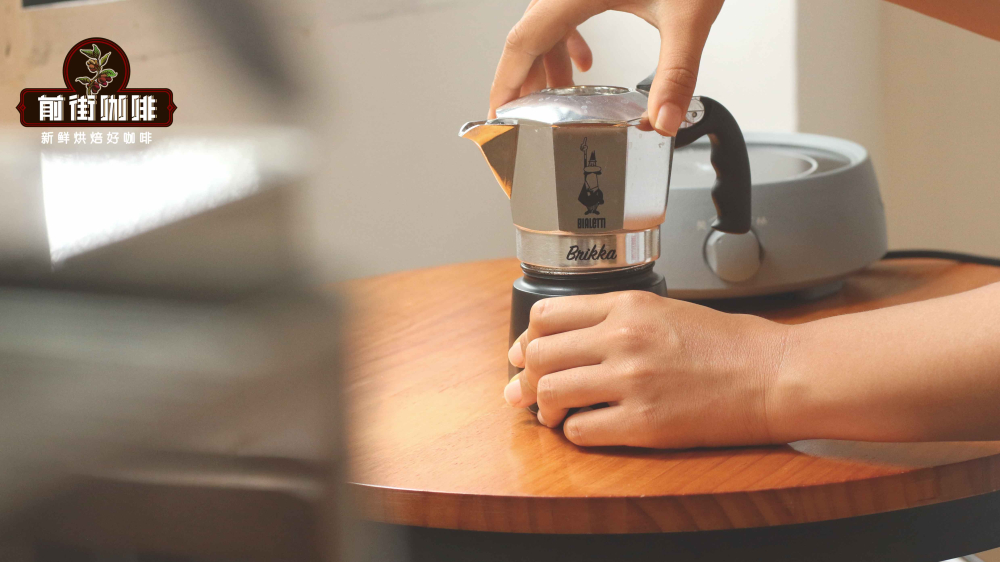
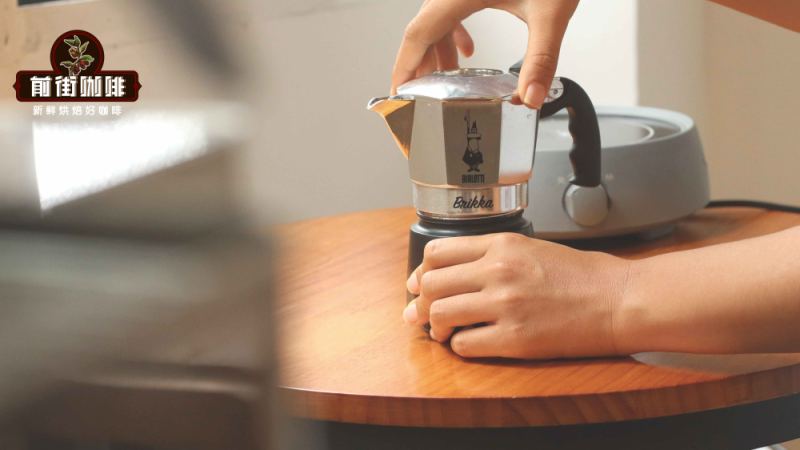
The moka pot extracts coffee through high temperature and pressure, a form quite similar to the common espresso machine. After the pressure rises, the flavor substances in the coffee can be more concentratedly extracted, so coffee brewed in a moka pot often has a rich aroma and a thick mouthfeel.
But precisely because of this extraction characteristic, many home users find burnt black residue at the bottom of the pot after brewing, or the coffee tastes burnt and bitter. Below, let us sort out exactly what causes these conditions.
1. The roast level of the coffee beans is too dark
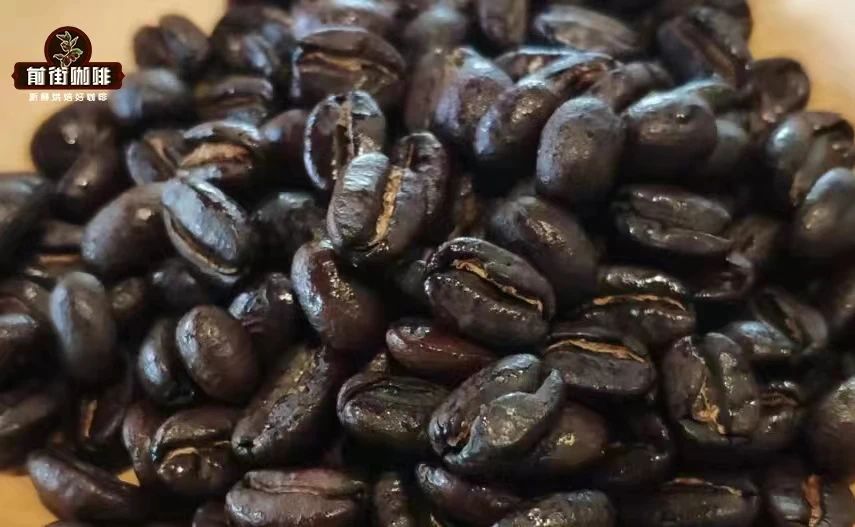
The darker the coffee beans are roasted, the more fully the caramelization reaction occurs, and the flavor becomes heavier. At the same time, dark roasting grinds away the coffee's original acidity and can even cause some of the aroma to dissipate as well. If you want the moka pot extraction to remain stable and restore the aroma that the coffee beans should have, it is recommended to use medium-dark roasted beans.
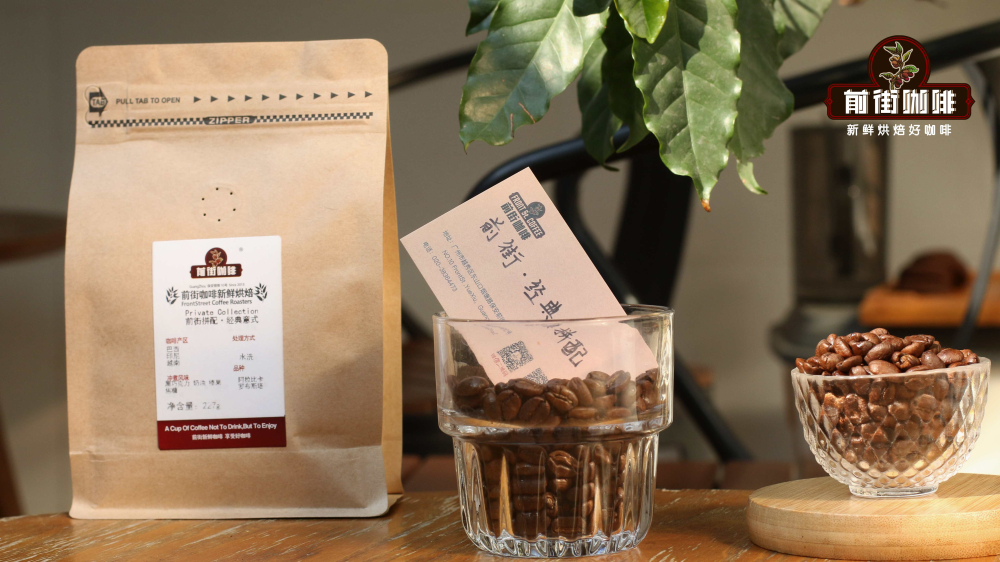
If you are new to the moka pot, you can consider Front Street. Front Street Classic Espresso Blend Coffee Beans. This bean blends Indonesian Mandheling with Brazilian coffee beans. It has both the wild aroma of Mandheling and retains the smooth taste of Brazilian beans; the two complement and harmonize with each other in flavor. The formula was designed with overall balance in mind, and the taste is closer to popular preference. While highlighting the crema performance, it also takes into account suitability for making Americano or latte.
If you want to taste a distinct regional flavor, for medium-roasted single-origin coffee beans, Front Street suggests trying the coffee beans from Brazil's Queen's Estate and Papua New Guinea's Paradise Bird Estate. The common feature of these two beans is balance, with a strong nutty tone and a sweetness similar to fructose.
Once the coffee liquid starts to flow out, it means the hot water in the lower chamber has already boiled, and boiling hot water is more easily evaporated. If the heat source is still continuously heating at high power after the coffee liquid flows out, then when the steam increases substantially, the pressure will also increase exponentially, which will likewise cause the liquid to burst out in the form of a water column.
(ღ( ´・ᴗ・` ) Giving a heart with the moka pot) Therefore, once the coffee liquid starts to flow out (as shown in the figure below), Front Street recommends appropriately reducing the heat, or directly removing the moka pot from the heat source. This can reduce the production of steam, and naturally the coffee liquid will not spray out so easily.
3. The coffee grounds are ground too fine
We know that when making pour-over coffee, coffee beans must be ground into coffee powder, and different grind sizes are used for coffee beans with different roast levels. So what grind size is more suitable for moka pot coffee? Theoretically, a particle size of about 0.3-0.55mm is more suitable. We can use specialized tools to measure it, or directly rub it with our fingers; it should be close to the texture of fine salt, with a slight granular feel.
Front Street thinks this is not difficult. The first method is to buy a particle size ruler or refer to moka-specific pre-ground coffee; the second is to keep adjusting and testing, and you can basically figure it out after 3-5 tests. If the grind is too coarse, the coffee liquid will quickly gush out, and it may even be like a fountain; if the grind is too fine, you hear the whooshing sound of water boiling but the coffee liquid still has not come up, then it is too fine, and it is recommended that you turn off the heat quickly. However, remember to take safety precautions when doing such adjustments.
The above content is compiled by CoffeeHunters, a coffee news website.


