







Search Results for: brewing coffee without filter paper
How to Make Clean Coffee Without a Paper Filter? A Full Analysis of Immersion Brewing Time and Its Differences from Pour-Over
Have you ever suddenly found yourself out of filter paper while brewing coffee at home—does that leave you completely stuck? Actually, that's not the case. Filter paper is indeed indispensable for pour-over and other drip-style extractions, but if you switch to immersion extraction, its role becomes optional. Immersion extraction means fully steeping the coffee grounds in water. The extraction efficiency gradually slows as the water temperature drops and the concentration difference decreases, so over-extraction is less likely, the margin for error is higher, and the mouthfeel is fuller. Even without any filtering tool, as long as you master a few small techniques, you can still brew a clean, grit-free cup of coffee. In this article, Front Street Coffee will use a native variety from Ethiopia's Kafa Forest, relying on just two containers and a spoon, to test the entire process of filter-free immersion extraction, and compare the core differences between immersion and drip methods. [more…]
How to Brew Coffee at Home Without a Dripper, Filter Paper, or Pour-Over Kettle? A Complete Guide to Four Simple Alternatives
Returning home for the Spring Festival, your coffee craving kicks in, only to find you didn't bring a dripper, your filter papers are used up, and your pour-over kettle is nowhere to be found? Don't worry—as long as you have ground coffee and hot water on hand, you can still brew a delicious cup. This article rounds up four simple brewing methods you can do at home: propping a filter paper up with chopsticks, steeping in a teapot, boiling directly in a pot, and an immersion method mimicking cupping. Each method comes with detailed parameters and step-by-step instructions, and using Front Street. Hamashiu natural beans as an example, it walks through the flavor results of each approach one by one, helping you get a satisfying cup even when you're short on gear. [more…]
How to properly fold a pour-over coffee filter? Master the key steps for a more perfect fit in the dripper
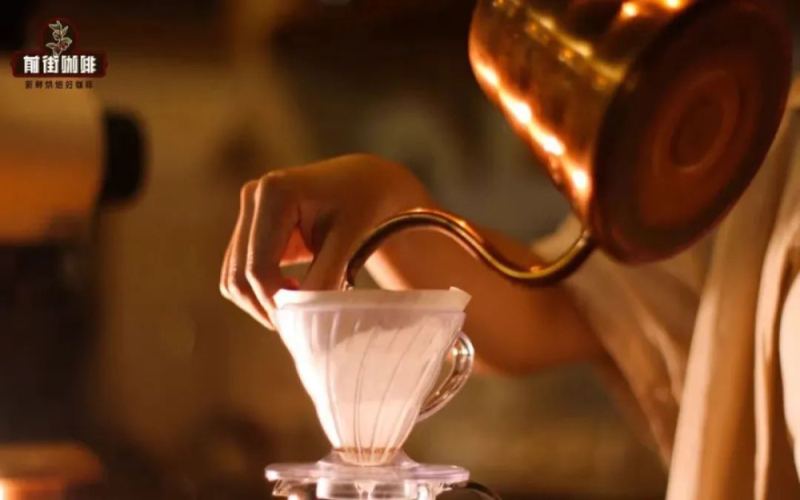
When brewing pour-over coffee, how well the paper filter fits the dripper directly affects the extraction. Many enthusiasts use a pressing technique yet still find that the filter won't sit flush, and the root cause often lies in the folding step. After customers reported this issue at their stores, Front Street Coffee put together a detailed demonstration of the correct way to fold a cone-shaped paper filter. From folding along the seam and pressing the crease to the technique for securing it once it's in the dripper, every step matters. This article reproduces the entire process, explains how to handle specialty filters such as non-woven ones, and shows how to make the filter sit snugly for iced pour-over without wetting it first—so you can brew a consistent, great-tasting cup at home. [more…]

Pour-Over Coffee Beginner's Guide | How Should Coffee Newbies Choose Coffee Filters? How Do You Use Coffee Filters? What Types of Coffee Filters Are There?
For professional coffee knowledge exchange and more coffee bean information, please follow FrontStreet Coffee. How to choose coffee filter paper? How to use coffee filter paper? What types of coffee filter paper are there? Many enthusiasts buy their own coffee beans, use a grinder, and purchase equipment to brew coffee, all [more…]
Pour-Over Filter Paper Buying Guide: Non-Woven Filter Paper Characteristics and a Comparison of Filter Paper vs. Filter Cloth Brewing Differences
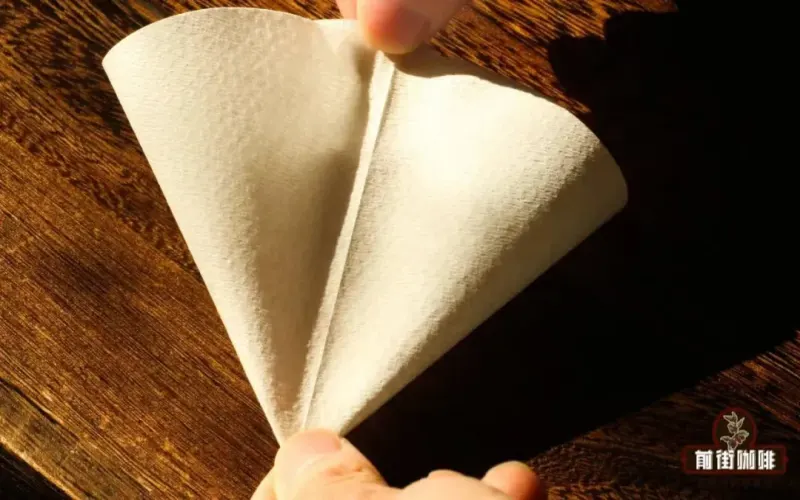
In the world of pour-over coffee, the choice of filter paper directly affects the flavor in the cup. Filter paper offers outstanding filtration, delivering a clean and bright mouthfeel, but for this very reason it traps some of the coffee oils, making the aroma and body slightly inferior to tools such as metal mesh filters and cloth filters. From the perspective of Front Street, this article takes a deep dive into the composition of coffee oils and crema, explains how the filtration medium affects coffee's aroma and body, and, through a comparative brewing experiment between filter paper and non-woven filter paper, demonstrates the specific differences in flavor performance between the two. If you are struggling to decide which filtration tool to choose, or want to understand the characteristics of non-woven filter paper, this article will provide you with a clear reference. [more…]
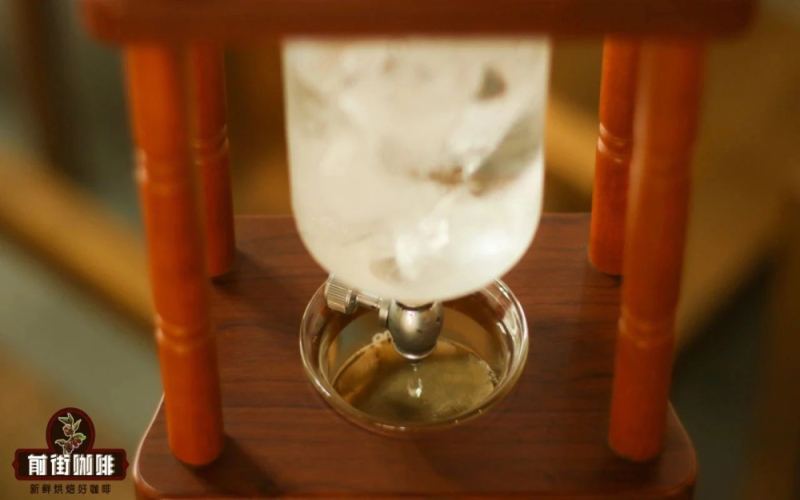
Make Cold Drip Coffee Without a Cold Drip Tower: A Simple Two-Dripper Method and Single-Origin Bean Selection Guide
Entering May, temperatures climb, and cold drip coffee becomes the top choice for beating the heat. However, professional cold drip towers are not cheap, yet are used infrequently, leaving many enthusiasts hesitant. This article will introduce a practical method for making 1-2 servings of cold drip coffee using just two drippers, with no additional equipment needed. At the same time, it will explain the principles of low-temperature extraction, flavor characteristics, detailed steps, and coffee beans suitable for cold drip. Front Street Coffee (FrontStreet Coffee) uses Panama Hartmann Estate red wine process coffee beans as an example to fully demonstrate the entire process from wetting the filter paper to resting and maturation, and shares the final flavor performance, providing coffee lovers with a reproducible home cold drip solution. [more…]
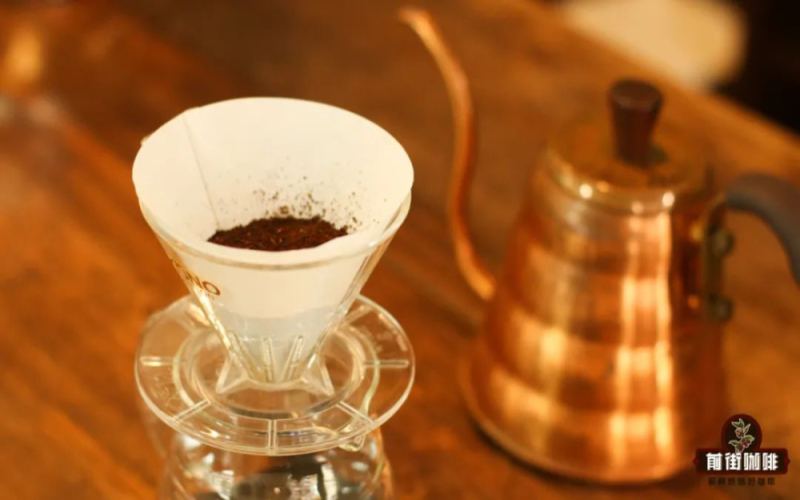
Should you pre-wet the filter paper before pour-over coffee? A comprehensive analysis of water absorption rate, fit to the dripper, and extraction effect
Before making pour-over coffee, is it really necessary to rinse the paper filter with hot water? This question has long been debated in the coffee community. Some insist that wetting the filter removes papery taste, helps the filter adhere better to the dripper, and preheats the dripper along the way; others believe that modern filter manufacturing has advanced so much that these reasons may no longer hold. This article, from Front Street Coffee's perspective, examines one by one whether the three traditional advantages of wetting the filter still stand, and takes a deeper look at how the water-absorbing properties of a dry filter affect coffee strength, as well as the pre-extraction issues that may arise when coffee grounds come into contact with water early. The final conclusion may surprise you—the difference between a wet and dry filter is actually negligible. [more…]

Practical Tips on How to Correctly Fold Cone-Shaped Pour-Over Coffee Filters and Fit Them to the Dripper
The paper filter for pour-over coffee may look simple, but it actually hides quite a few details. Many coffee enthusiasts have encountered the situation during brewing where one side of the paper filter lifts up after being rinsed with water and cannot fit snugly against the dripper. Although it will not ruin the entire cup of coffee, it does affect the extraction. This article focuses on the folding and fitting issues of conical paper filters, starting with the selection of the dripper and filter paper, and then gradually breaks down the key steps such as folding, creasing, handling the conical bottom, and securing the filter with water, helping you get this detail right in your daily pour-over brewing. Front Street Coffee will also share, based on its own experience, why the resin version of the V60 dripper has more advantages in terms of standardization. [more…]
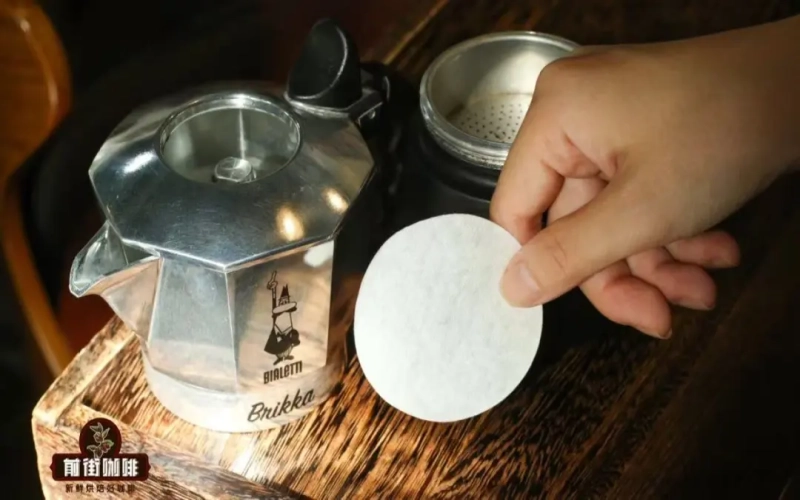
Should the moka pot filter paper be placed at the bottom of the filter basket or on top of the coffee puck? What extraction and cleaning effects does each bring?
Whether to add a filter paper to a moka pot depends on what problem you're trying to solve. Placing filter paper at the bottom of the basket mainly helps distribute hot water more evenly, reduces clogging, and makes it easier to knock out an intact puck for simpler cleaning; placing it on top of the puck increases filtration precision, reduces off-flavors from fine particles, gives a cleaner taste, and slightly increases extraction pressure. Front Street Coffee ran comparisons using a classic blend and found that adding filter paper at the bottom has very little effect on flavor but offers a clear cleaning advantage. This article explains the principles, practical effects, and suitable scenarios for each placement method, helping you choose according to your needs. [more…]
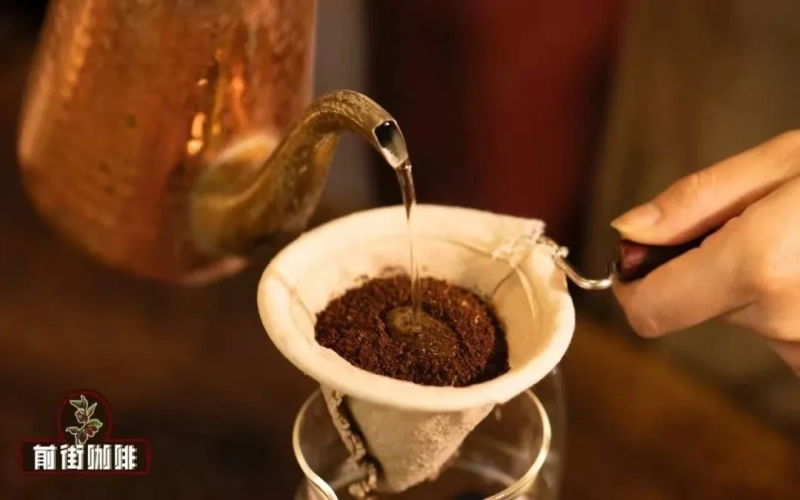
Why Japanese people prefer flannel cloth for brewing coffee: an analysis of the differences from paper filters and brewing characteristics
The flannel filter cloth holds a unique place in Japanese-style pour-over, but most coffee enthusiasts are more accustomed to paper filters and filter holders in their daily routine. This article begins with the historical origins of flannel, explains why it is widely favored in Japan, and analyzes its fundamental differences from paper filters in terms of material structure and extraction performance. The article also demonstrates in detail the complete steps for brewing dark-roasted beans with a flannel filter cloth, including setting the coffee-to-water ratio, pouring technique, and timing control, and compares the flavor with the same Front Street PWN Golden Mandheling brewed using a Kono dripper with a paper filter, helping readers understand the differences in aroma, mouthfeel, and clarity between the two filtration methods. Finally, it explains why domestic cafés rarely use flannel for their brews, providing a practical reference for coffee enthusiasts. [more…]
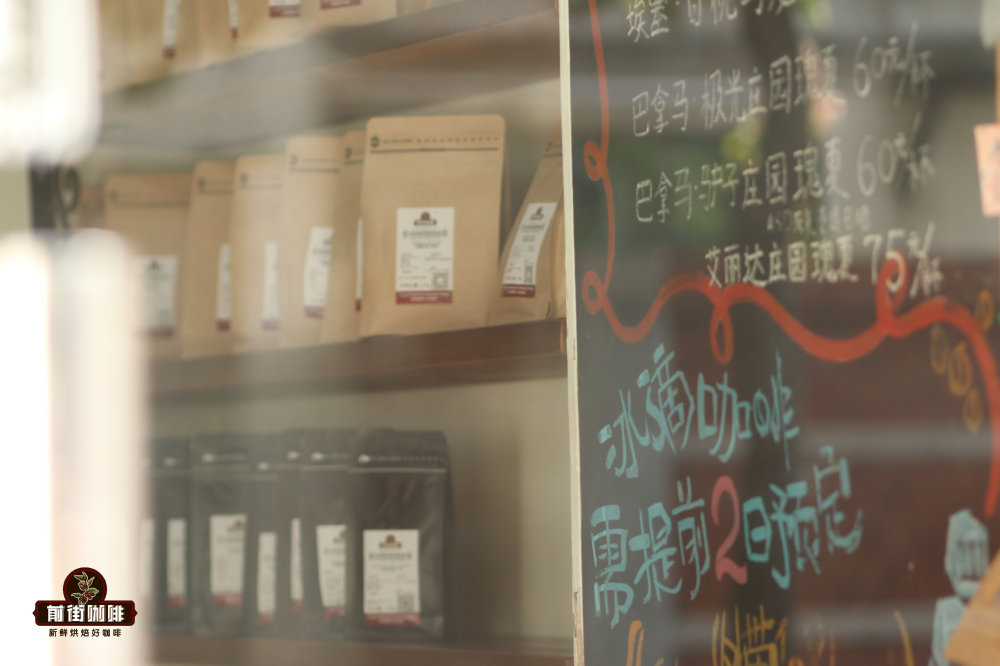
Detailed Guide to the Cold Brew Coffee Making Process | What Are the Time, Water-to-Coffee Ratio Parameters for Making Cold Brew Coffee? What Are the Taste Characteristics of Cold Brew Coffee?
For professional coffee knowledge exchange and more coffee bean information, please follow Coffee Workshop (WeChat public account: cafe_style). For more specialty coffee beans, please add our private WeChat Front Street Coffee (FrontStreet Coffee), WeChat ID: qjcoffeex. With the development of specialty coffee culture [more…]
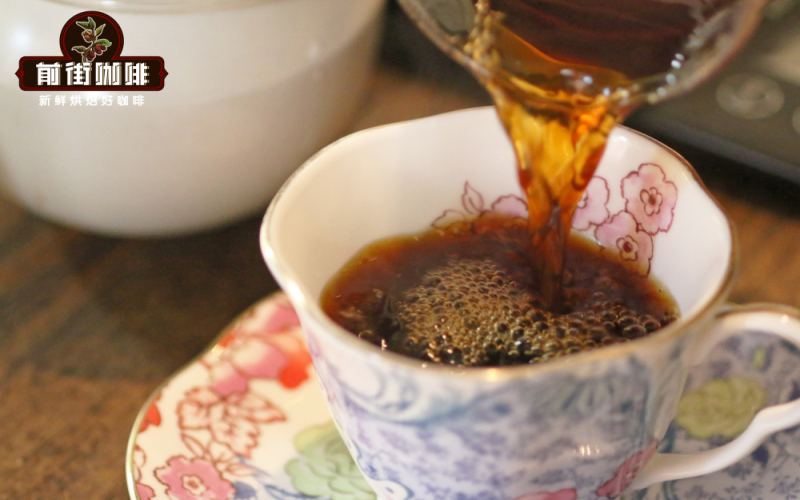
Pour-Over Coffee from Beginner to Practice: A Complete Guide to Filter Cup Types, Equipment Preparation, and Brewing Parameters
Pour-over coffee, with its clean and transparent flavor expression, has become one of the most favored brewing methods among specialty coffee enthusiasts. Starting from the basic definition of pour-over coffee, this article traces its century-old origins, compares in detail the effects of conical, fan-shaped, and flat-bottom drippers on extraction, and introduces one by one the key points for selecting equipment such as coffee beans, grinders, drippers, gooseneck kettles, filter paper, and electronic scales. At the same time, the article also presents Front Street Coffee's recommended beginner's everyday bean series, as well as specific suggestions for core brewing parameters such as coffee-to-water ratio, grind size, water temperature, and extraction time, helping readers systematically master the complete pour-over coffee process. [more…]
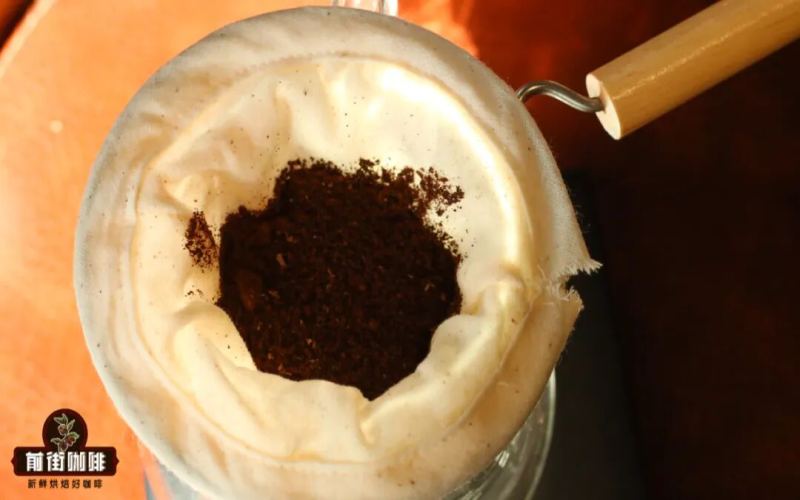
手冲咖啡冲煮方法|日式冲煮为何偏爱用法兰绒冲煮咖啡?法兰绒咖啡有哪些风味特点?
Speaking of flannel filter cloth, many friends may have only seen it in some Japanese films and TV dramas or in Japanese-style brewing introduced by bloggers, and have never actually used it. Because compared to filter cloth, the vast majority of people use filter paper and filter cups, this mainstream filtering tool, when brewing coffee. Ways to get to know flannel filter cloth [more…]
Coffee supplies running critically low! How coffee lovers can get the most out of every gram of coffee beans
When coffee stocks run low, coffee lovers start finding every possible way to cherish each gram of coffee beans. From reducing the dose and widening the water-to-coffee ratio, to rinsing and reusing filter paper, even a single coffee bean gets a careful brewing. Drip bags, capsule shells, and cold brew containers have all been given new uses. This article rounds up these both hilarious and ingenious "use every last bit" tricks, while keeping the professional coffee knowledge intact, to show you just how far coffee people will go for one more cup. [more…]
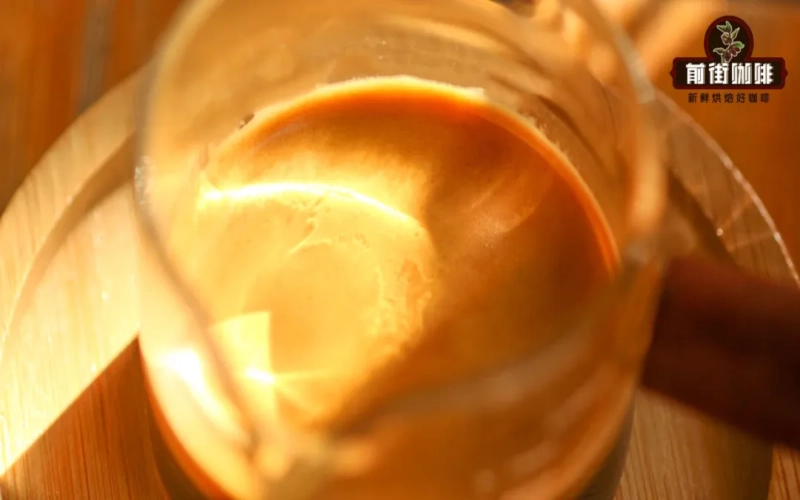
How to Get Oils in Pour-Over Coffee? The Key Role of Coffee Bean Lipids and Filter Selection Explained
Can pour-over coffee have oils? The answer is yes, but it requires a different approach. The crema of espresso is essentially oil encapsulating carbon dioxide, and it is the lipids in the coffee beans themselves that truly give coffee its rich body and aromatic boost. Because pour-over uses a filter paper with excessively strong filtration, it is nearly impossible to retain oils. To change this, you simply need to switch to a device with slightly weaker filtration performance, such as a flannel cloth or non-woven filter paper, and Front Street has clear recommendations on this. This article will explain the mechanism by which lipids work and compare in detail the pros and cons of different filters and the key adjustment points, to help you achieve a richer mouthfeel in pour-over. [more…]
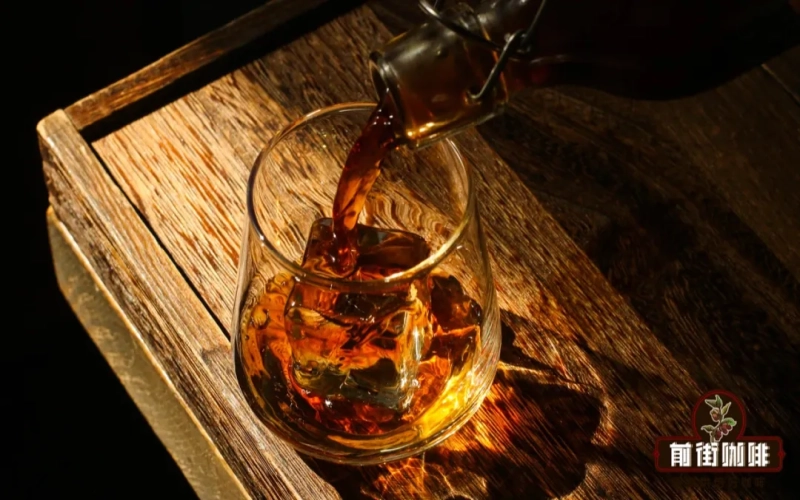
Can You Make Cold Drip Coffee Without a Cold Drip Tower? Key Points and a Complete Step-by-Step Guide for a Simplified Home Version
As temperatures rise, cold drip coffee once again becomes a favorite among many coffee lovers. Its refreshing taste and unique fermented flavor are captivating, but the price and operational threshold of professional cold drip towers deter many people. In fact, with just an ordinary dripper, a few filter papers, and ice cubes, you can replicate a rich cold drip coffee at home. This article will break down in detail the principles, equipment preparation, grind adjustment, and complete steps of making this "home version" cold drip coffee, and point out common pitfalls that easily lead to extraction failure, helping you achieve a cold drip flavor that rivals coffee shops with the simplest equipment. [more…]
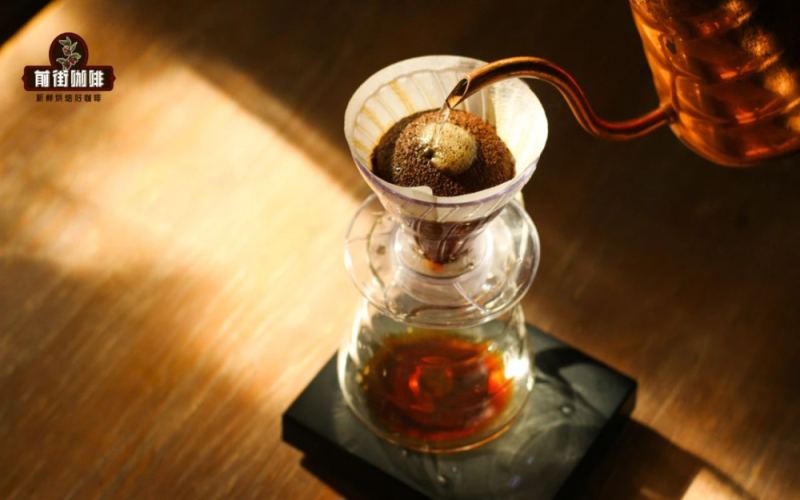
Can You Make a Latte Without an Espresso Machine? A Complete Guide to the Immersion-Style High-Concentration Coffee Extraction Method
Can you make a latte by adding milk to pour-over coffee? Of course you can, but if you simply mix milk with coffee at the strength of a regular pour-over, the result often tastes thin and weak. If you want to enjoy a rich milk coffee without an espresso machine or a moka pot, the key is to first obtain a sufficiently concentrated coffee liquid. In this article, Front Street will share a recently popular "reverse operation" — first soaking and extracting the coffee in a container, then filtering out the grounds with a paper filter, thereby obtaining a high-concentration coffee suitable for making milk coffee. The article will break down in detail the essential difference between this immersion-style extraction and regular pour-over, why making milk coffee requires high concentration, which coffee beans are suitable, and the complete operational steps from coffee-to-water ratio, grind size, stirring rhythm, to milk ratio. [more…]
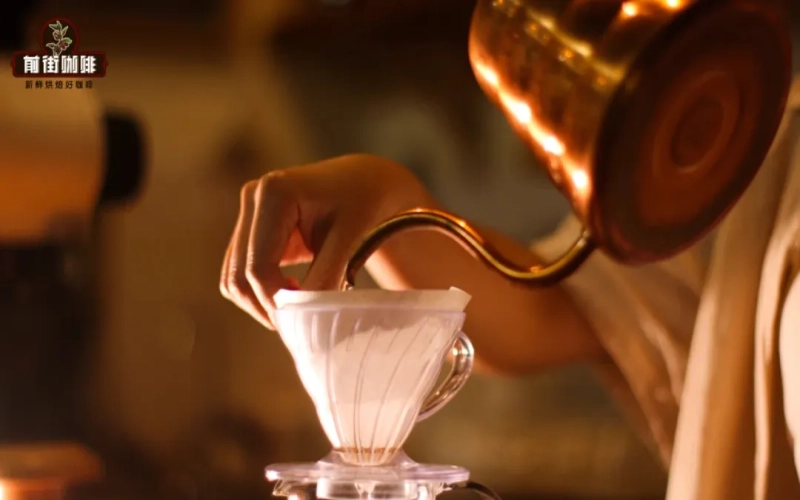
Should you pre-wet pour-over coffee filter paper? Analyzing the real differences between wet and dry filter paper
In the daily practice of pour-over coffee, many enthusiasts notice a detail: sometimes the filter paper is rinsed with hot water before brewing, while other times coffee grounds are added directly and pouring begins. At Front Street, when making hot pour-over and iced pour-over, these two different methods happen to be used. So is there any substantive difference between wetting the filter paper and not wetting it? The traditional purposes of wetting filter paper are mainly three—removing paper taste, preheating the dripper, and making the filter paper adhere to the dripper. But with advances in filter paper manufacturing technology and the diversification of dripper materials, do these concerns still hold? This article will start from filter paper quality, dripper material, and actual brewing needs, analyzing the necessity of wetting filter paper one by one, to help you make a more reasonable choice in different scenarios. [more…]
Dark Roast Pour-Over Coffee Complete Guide: High Concentration, Low Extraction Techniques to Enhance Rich Sweetness and Sweet Aftertaste
The charm of dark roast coffee lies in its rich aroma, smooth and full-bodied taste, and long-lasting sweet aftertaste, but avoiding over-extraction while preserving these qualities is no easy task. Drawing on Front Street's practical experience, this article explains how to suppress bitterness and enhance sweetness by adjusting filter materials, controlling extraction parameters, and applying a "high concentration, low extraction" strategy. It shares in detail a brewing example using Golden Mandheling beans and non-woven filter paper, including key parameters such as the coffee-to-water ratio, water temperature, and grind size, as well as the specific steps for three-stage pouring. By following along, you too can brew a cup of dark roast coffee with a captivating aroma and a pronounced sweetness at home. [more…]
Should You Wet Pour-Over Coffee Filters First? Analyzing the Three Major Functions of Wet Filters and the Extraction Differences of Not Wetting Them
Should you wet the filter paper before making pour-over coffee? This question seems simple, but behind it lies multiple factors such as paper taste, preheating the dripper, and extraction evenness. A barista at Front Street Coffee was once asked by a customer why one filter paper was wetted while the other was brewed directly, when brewing iced pour-over and hot pour-over at the same time. This article will start from the three main purposes of wetting the filter paper—rinsing away off-flavors, preheating the dripper and server, and making the filter paper adhere to the dripper—then further analyze the possible effects of wetting the filter paper, such as hindered blooming and degassing, premature extraction of coffee grounds, and water absorption by the filter paper, and finally explain why hot brewing and iced brewing handle the filter paper differently, helping coffee enthusiasts make a more suitable choice based on actual circumstances. [more…]