





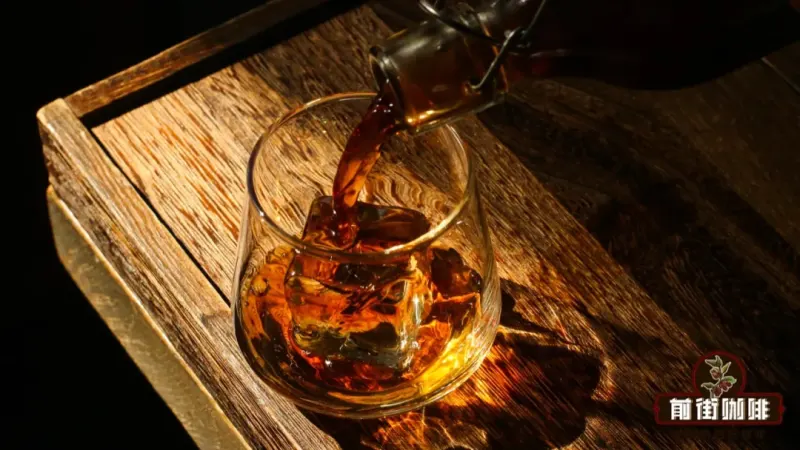
Can cold drip coffee be made at home without a cold drip tower?
Cold drip coffee can be made at home without a cold drip tower. Place coffee grounds in an ordinary dripper with a few filter papers, then set ice cubes directly on top of the grounds. As the ice melts, cold water drips slowly through the coffee bed, completing extraction over a long period and producing the clean, fermented flavor associated with cold drip.
A tower works by using a flow restrictor valve to release ice water in droplets, stretching extraction time so the grounds are fully extracted. The home version copies that slow, low-temperature process with basic equipment. Grind adjustment matters: too coarse and the water runs through without extracting, too fine and it clogs, so the drip stalls before the coffee is ready.
As temperatures climb, cold drip coffee has once again become a favorite among many coffee lovers. Its refreshing taste and unique fermented flavor are captivating, but the price and operational threshold of professional cold drip towers deter many people. In fact, all you need is an ordinary dripper, a few filter papers, and ice cubes to recreate a rich cold drip coffee at home. This article will break down in detail the principles, equipment preparation, grind adjustment, and complete steps of this "home-style" cold drip method, and point out common pitfalls that easily lead to extraction failure, helping you make a cold drip flavor that rivals cafés with the simplest equipment.
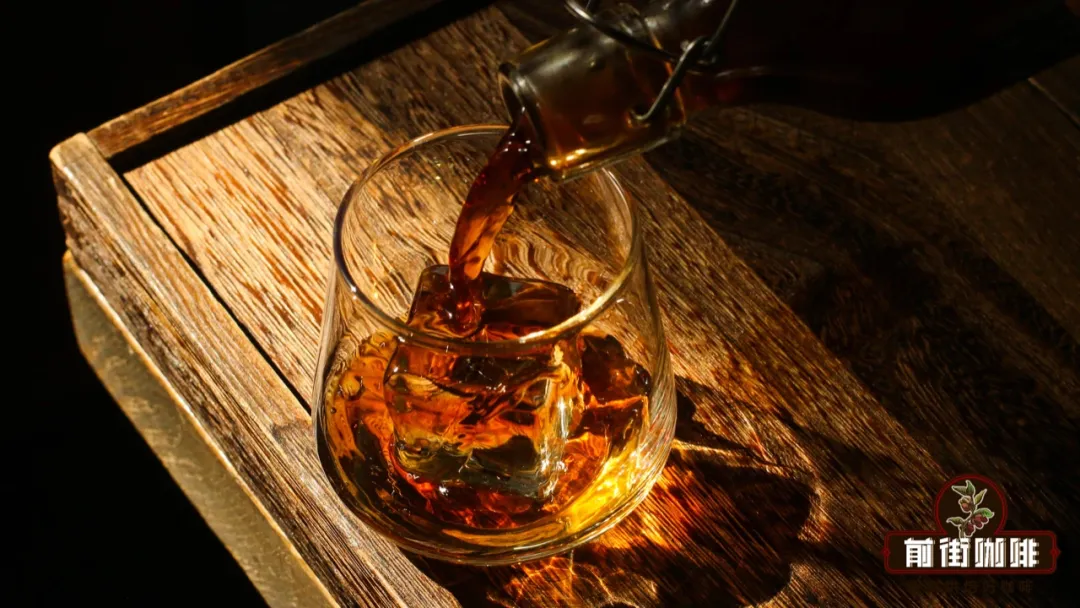
As the weather heats up day by day, Front Street Coffee's cold drip coffee has recently reached a point where demand exceeds supply. After talking with Front Street Coffee, I learned that many friends prefer cold drip among the many iced coffees—partly because its taste and flavor are indeed different from other iced coffees, and partly because they can't make it at home.
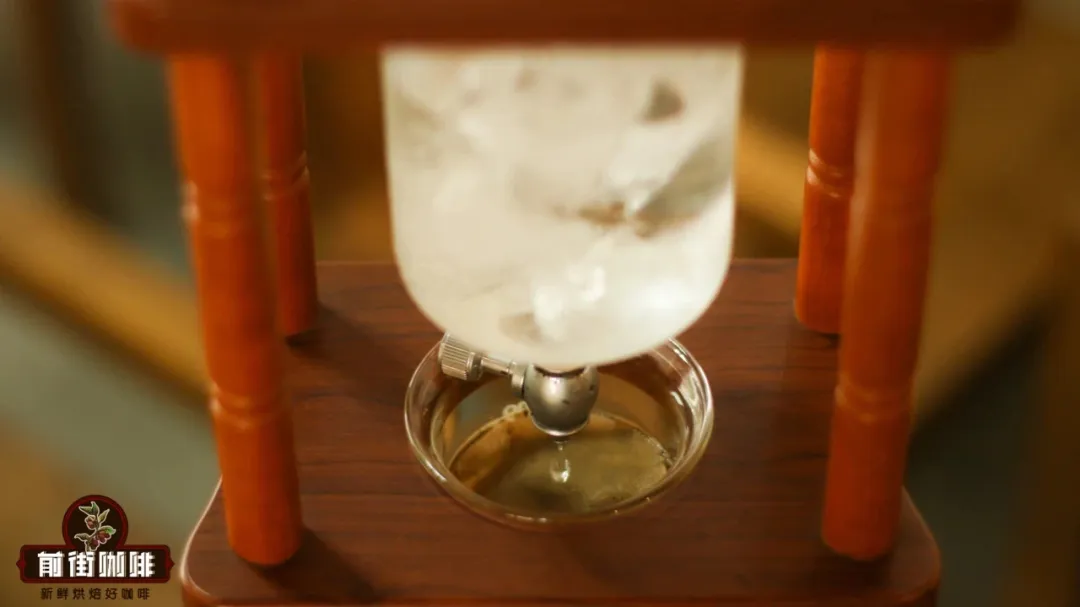
Cold drip coffee is a type of cold brew coffee, relying on ice water dripping slowly over a long period to complete extraction, usually with the help of a specialized device called a cold drip tower. Because ice water extraction efficiency is extremely low, the flow restrictor valve of the cold drip tower must control the ice water into droplet form, thereby lengthening the extraction time and allowing the coffee grounds to be fully extracted.
But for ordinary enthusiasts, a cold drip tower is hardly a necessity. Its frequency of use isn't high, its price isn't exactly cheap, and its operation steps are rather cumbersome. These factors combined make many people prefer to go out and buy a cup rather than spend money on a tower to fiddle with at home.
However, cold drip coffee isn't something only a dedicated cold drip tower can make. There happens to be an alternative solution with extremely simple equipment and easy operation, not complicated at all. This is the method Front Street Coffee has shared many times and is also very popular online—directly using ice cubes and a dripper to replace the function of a cold drip tower and complete the making of cold drip coffee.
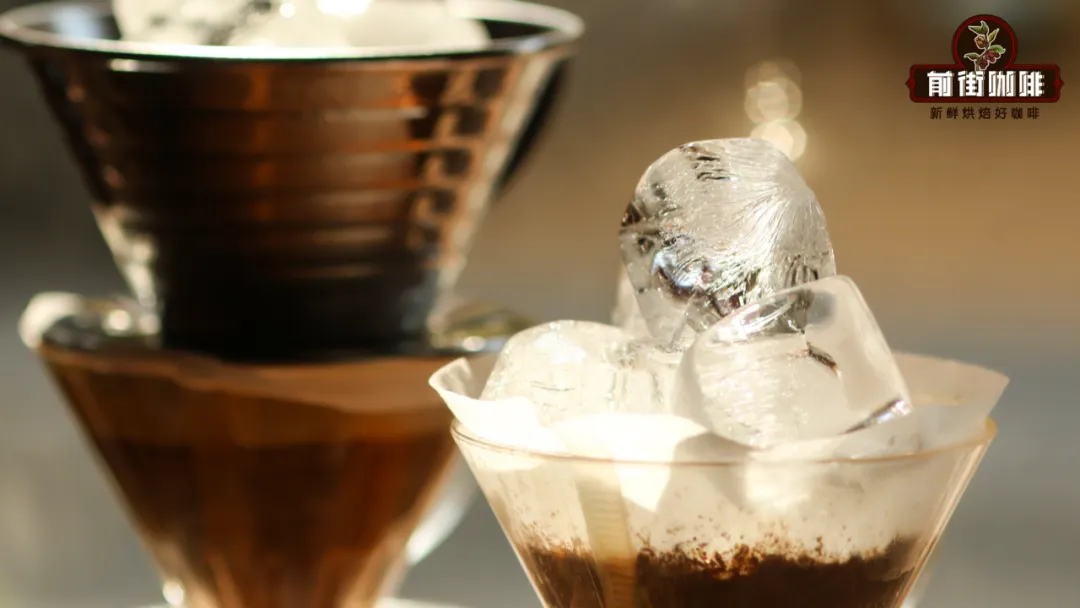
The operation itself is straightforward: find a dripper, put coffee grounds in it, then place ice cubes directly on top of the coffee grounds, and a simple "home-style" cold drip setup is assembled. As time passes, the ice cubes on the coffee grounds slowly melt into water and begin extracting the coffee. As long as the production environment isn't particularly hot, the ice cubes don't melt as fast as you might imagine. Therefore, this method can also give the coffee relatively sufficient extraction, producing a cup of rich cold drip coffee.
Although simple, there are quite a few things to pay attention to—one wrong step can lead to incomplete extraction and a diluted taste. So when sharing the production process, Front Street Coffee will list the problems one by one, and everyone should try to avoid these pitfalls during operation.
"Home-Style" Cold Drip Coffee
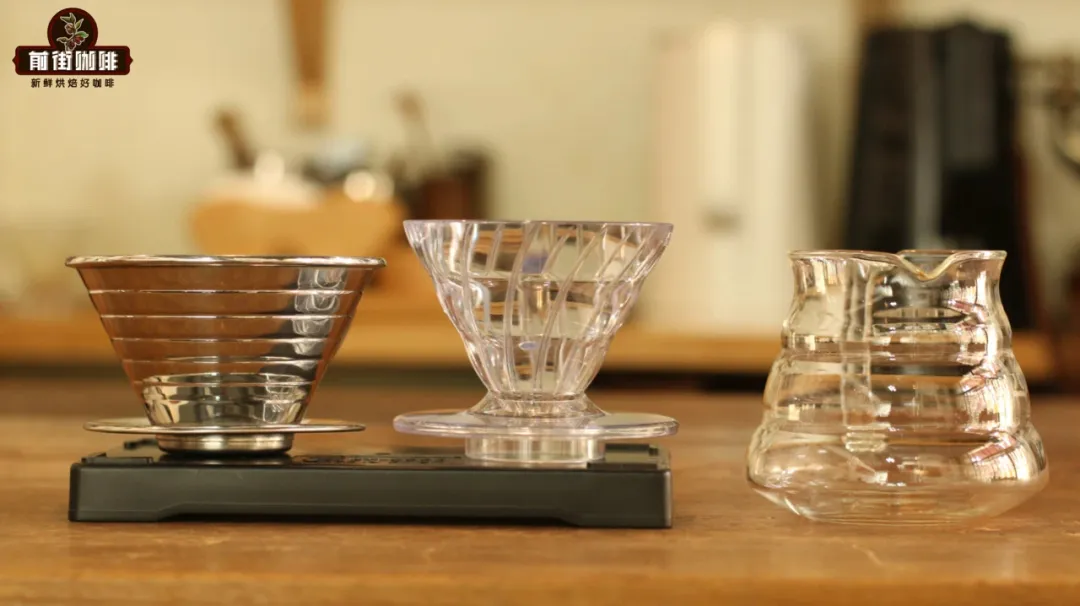
First, let me introduce the equipment needed to make "home-style" cold drip coffee: any container to catch the coffee liquid, 1~2 any coffee drippers, and 2 filter papers that match the dripper. As for materials, you only need coffee grounds and ice cubes. Yes, just the things you'd normally use for pour-over—that simple.
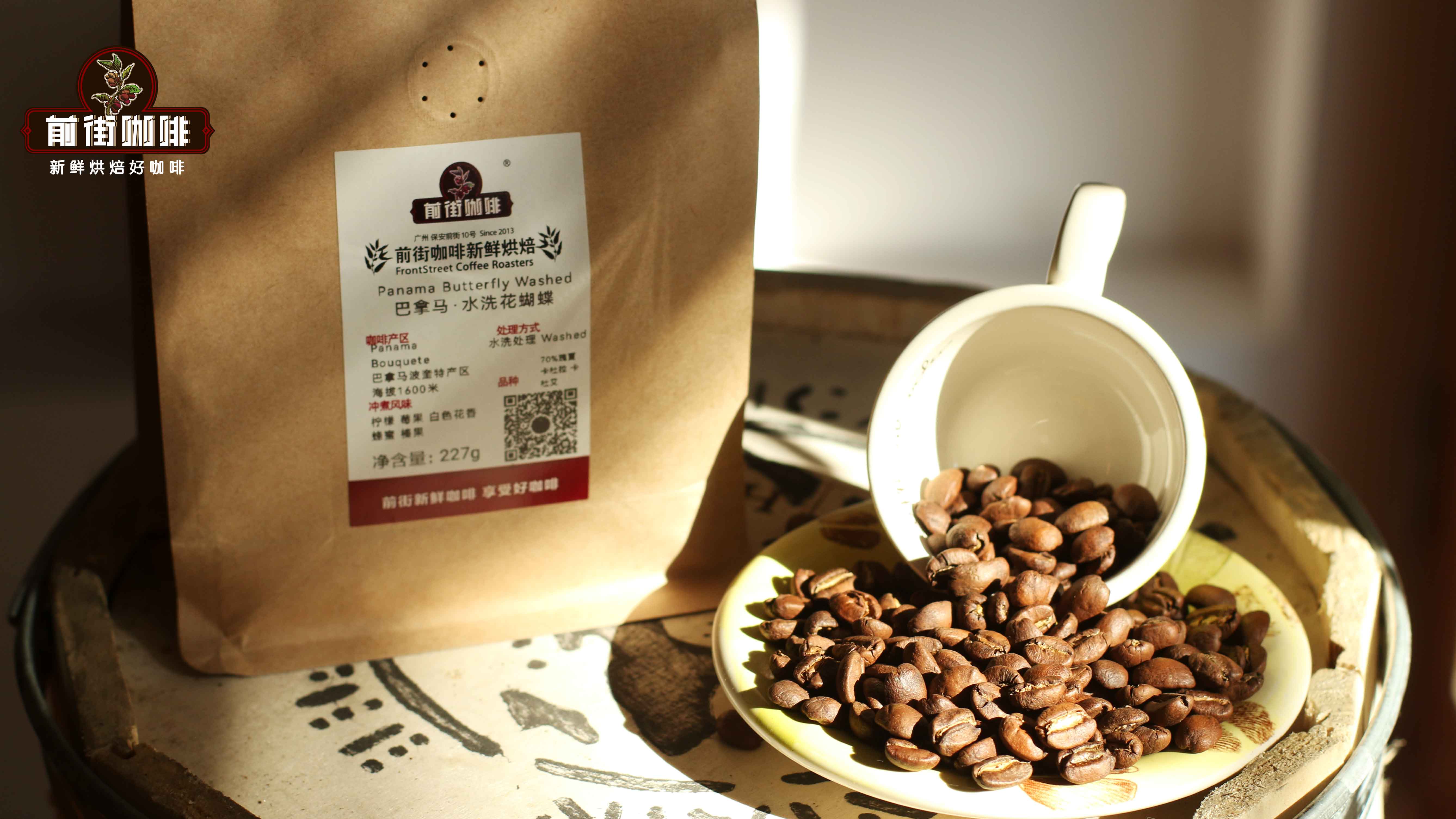
Low-temperature extraction mainly presents a refreshing, icy taste with sweet and sour flavors, so it's best to avoid dark roasts with pronounced bitterness and choose light to medium roast single-origin coffees. If you like prominent sweetness, you can buy Front Street Coffee Strawberry Candy·Geisha Blend or Front Street Coffee Honey-Processed Blackberry; if you want a bright, clear cold drip, Front Street Coffee Sun-Dried Huakui or Front Street Coffee Butterfly are top choices.
For this demonstration, Costa Rica's Front Street Coffee Strawberry Candy is used. Its sweetness comes from honey processing, and its floral aroma comes from the Geisha variety. You can choose beans according to your own preference. Regarding parameters, there's one point that needs special attention—the grind.
Generally speaking, the powder chamber of a cold drip tower is designed as a narrow, long cylinder. This structure increases the thickness of the coffee bed, allowing water to pass through more coffee grounds and extract more substances. A dripper is the opposite—to make extraction more even, they're all designed narrow at the bottom and wide at the top. The same amount of powder poured into a dripper forms a coffee bed not as thick as a cold drip tower's chamber. This means the same amount of water, due to a shortened path, reduces the substances ultimately extracted.
So, if you want the coffee grounds to achieve the same extraction rate, it's best to adjust the grind one notch finer than the original. After adjusting finer, the gaps between particles become smaller, the area water needs to flow through increases, and extraction can be complete. The parameters are as follows:
Coffee dose: 25g
Coffee-to-ice ratio: 1:10
Grind level: Ek43 setting 8.5, 90% passing rate on a No. 20 sieve (slightly finer than caster sugar, two notches finer than a hot pour-over grind)
Once the materials are ready, you can start making cold drip coffee. First, wet the filter paper, pour in the coffee grounds, then use an amount of room-temperature water equal to the coffee grounds to "bloom" the coffee.
The bloom here isn't for degassing, but to wet the coffee grounds so that the subsequently dripping ice water can extract coffee grounds outside the range through capillary action. Note that in this step, it's best to keep the pouring height as low as possible and reduce the amount of water poured, to prevent the coffee bed from being gouged into craters and causing under-extraction.
After pouring, some water will pass through the coffee bed and fall directly into the lower pot. At this point, pour all of this water out, because the temperature is too low and it hasn't carried away much coffee substance—keeping it will only dilute the coffee extracted afterward.
Next, cut two filter papers roughly the same size as the surface of the coffee bed (round filter papers work too if there isn't much coffee), lay them flat on the coffee bed, and wet them. Since the ice water drips down in the form of droplets, to make it extract the coffee grounds more evenly, the filter paper is needed to disperse it—this step absolutely cannot be skipped.
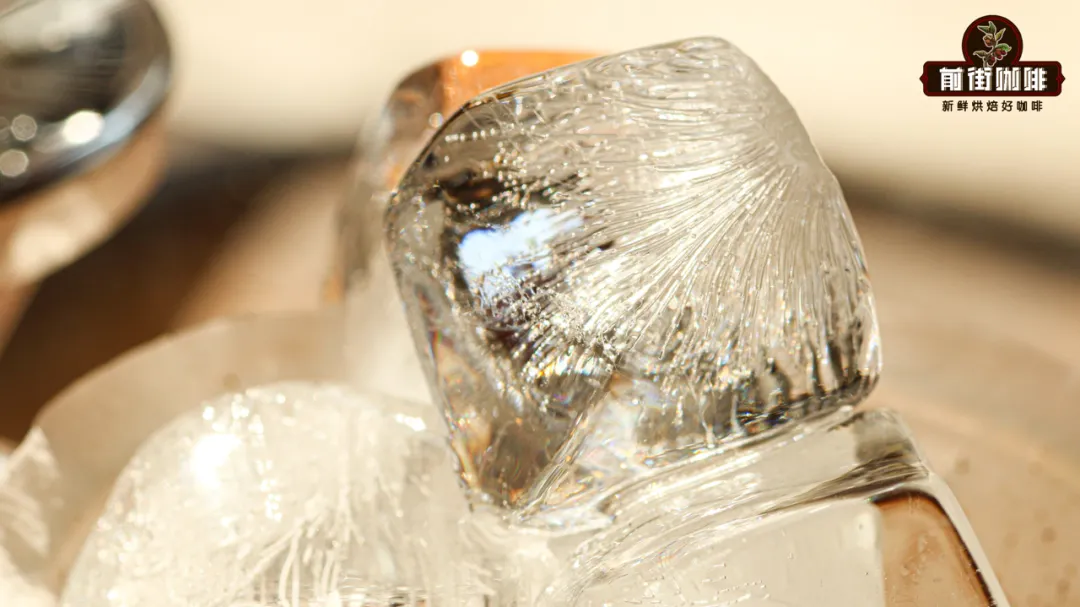
After the filter paper is laid, you can place the ice cubes directly on the filter paper. Since there isn't much space on the dripper and it can't hold all the needed ice cubes at once, you can add them in batches.
If you have two drippers, you can directly use the other dripper to hold the ice cubes (as shown in the right image below). This way you can add all the ice cubes at once, without having to constantly watch the melting progress to decide whether to add more ice. Note here that you must lay filter paper on the ice-holding dripper before adding ice; otherwise, once the ice melts to a certain extent, it will pass directly through the dripper's holes and deliver a "heavy blow" to your flat coffee bed.
Finally, just wait for all the ice cubes to melt, then remove the dripper and the coffee extraction is complete.
But at this point, the making of cold drip coffee isn't finished yet. At this stage, the cold drip coffee hasn't taken its final form—it needs long refrigeration to develop its flavor and wine-like fermentation aroma. So at this point, you need to use plastic wrap, or prepare a separate sealed bottle to seal the cold drip coffee, then put it in the refrigerator to chill.
After 8 hours, the cold drip coffee is officially complete. At this point, you can choose to enjoy it with ice, or extend the refrigeration fermentation time to make its wine aroma even stronger.
The above content is compiled by CoffeeHunters, a coffee news website.


