







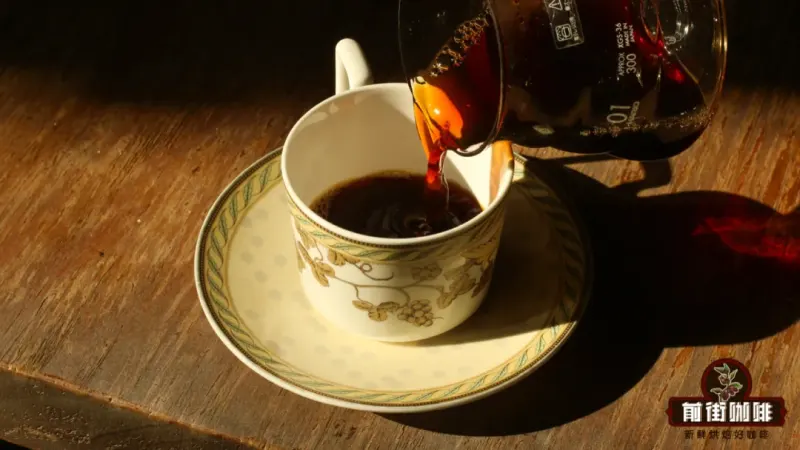
How Does Golden Mandheling Work in a Dark Roast Pour-Over?
The core takeaway for brewing dark-roasted coffee is a "high concentration, low extraction" approach: increase the solubles and oils in the cup while keeping over-extraction in check. Front Street's method adjusts filter materials, extraction parameters, and pouring technique to suppress bitterness and draw out sweetness. A worked example uses Golden Mandheling beans and non-woven filter paper to reach a rich body and a lingering sweet aftertaste.
Body comes down to how many solubles and oils end up in the cup, so a larger-aperture filter such as filter cloth, mesh, or non-woven paper lets more of them through than standard filter paper. That is what supports the intense coffee aroma and full, silky mouthfeel of a good dark roast. The example sets coffee-to-water ratio, water temperature, grind size, and a three-stage pour to keep extraction controlled.
The charm of dark-roasted coffee lies in its rich aroma, smooth and full-bodied mouthfeel, and long-lasting sweet aftertaste, but avoiding over-extraction while preserving these qualities is no easy task. This article, drawing on Front Street's practical experience, explains how to suppress bitterness and enhance sweetness by adjusting filter materials, controlling extraction parameters, and applying the "high concentration, low extraction" strategy. It shares in detail a brewing example using Golden Mandheling beans and non-woven filter paper, including key parameters such as coffee-to-water ratio, water temperature, grind size, and the specific operation of three-stage pouring. Follow the steps, and you too can brew a cup of aromatic, sweetness-forward dark-roasted coffee at home.
The reason a cup of dark-roasted coffee tastes so good lies mainly in its flavor presentation—the intense coffee aroma brought about by deep caramelization is only one aspect. It also delivers a smoother, fuller mouthfeel and a high-sweetness aftertaste that lingers long after swallowing, making the overall drinking experience truly delightful!
However, this "comfortable" texture is extremely difficult to brew out! When Front Street says difficult to brew, it doesn't simply mean how to avoid over-extracting the coffee—after all, as long as extraction parameters are reasonably controlled, avoiding over-extraction isn't hard to achieve. The real difficulty lies in this: we must ensure no over-extraction while simultaneously brewing out the coffee's full body, high sweetness and aftertaste, and a more intense aroma. To achieve all this, beyond reasonably regulating extraction parameters, some techniques are needed as assistance.
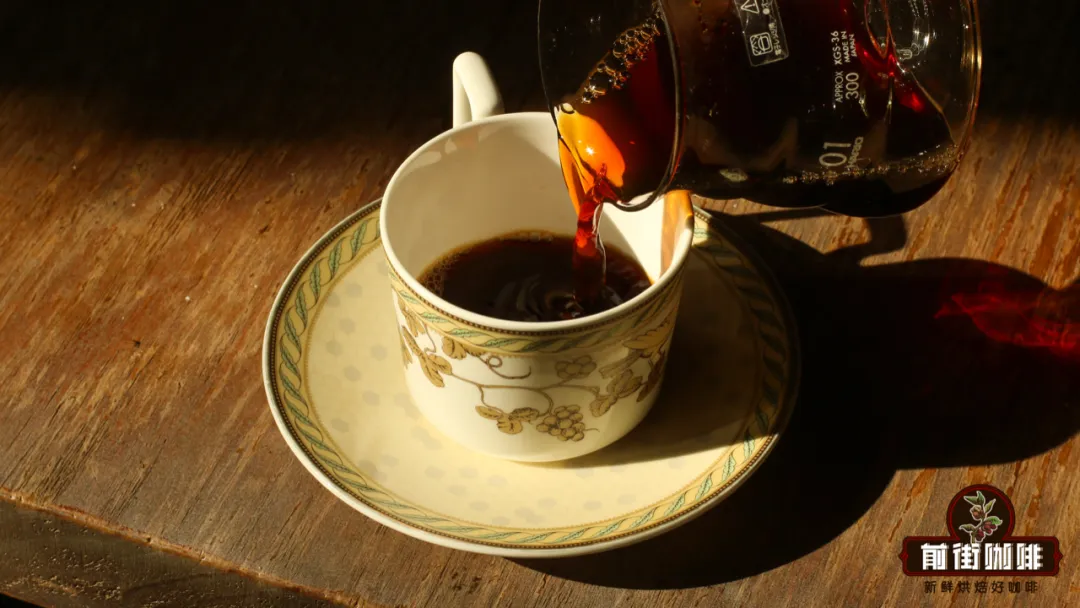
Coffee's "body" refers to the sense of weight, smoothness, and fullness the coffee has in the mouth. A coffee with high body brings a heavy, noticeably tongue-pressing "sense of weight," giving the coffee a fuller, silkier tactile experience. What determines the level of coffee body is the amount of substances contained in the coffee, chiefly solubles and oils. The more solubles and coffee oils present in the cup, the higher the body, and vice versa. Therefore, if you want sufficiently high body, you simply need to increase the proportion of solubles and oils in the cup, which can be achieved through proper extraction and changing filter materials.
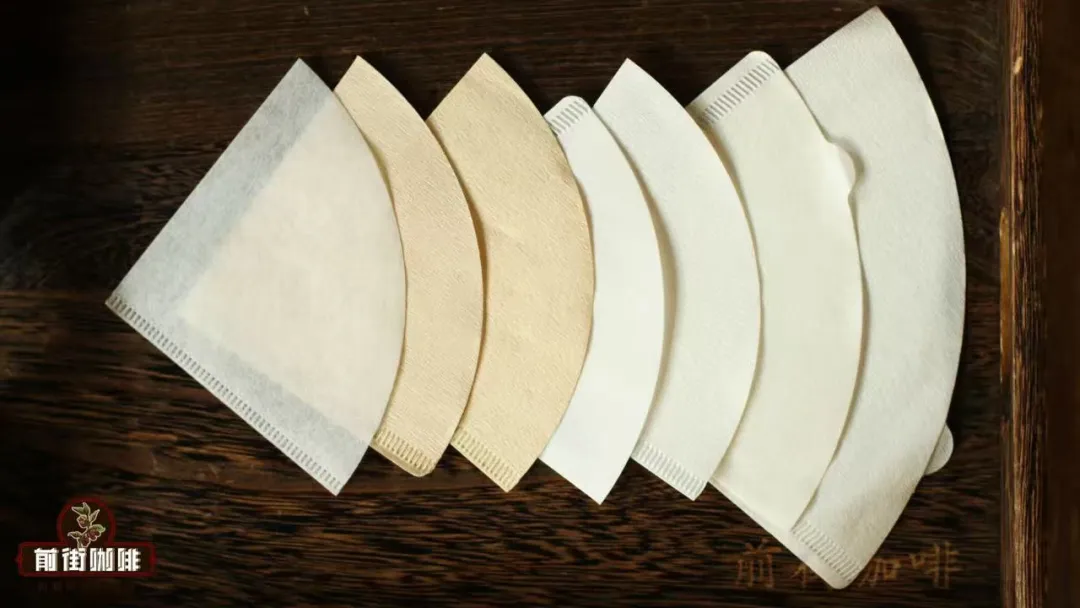
We'll discuss extraction later. Changing filter materials means swapping the highly filtering filter paper for filter cloth, mesh, or other filters with larger apertures. Because filtration performance decreases, the oils that were originally blocked by the filter paper and couldn't seep through can now enter the coffee liquid. This not only effectively increases body but also greatly enhances aroma presentation, because the oils also contain certain aromatic substances whose presence can noticeably improve the coffee's aroma.
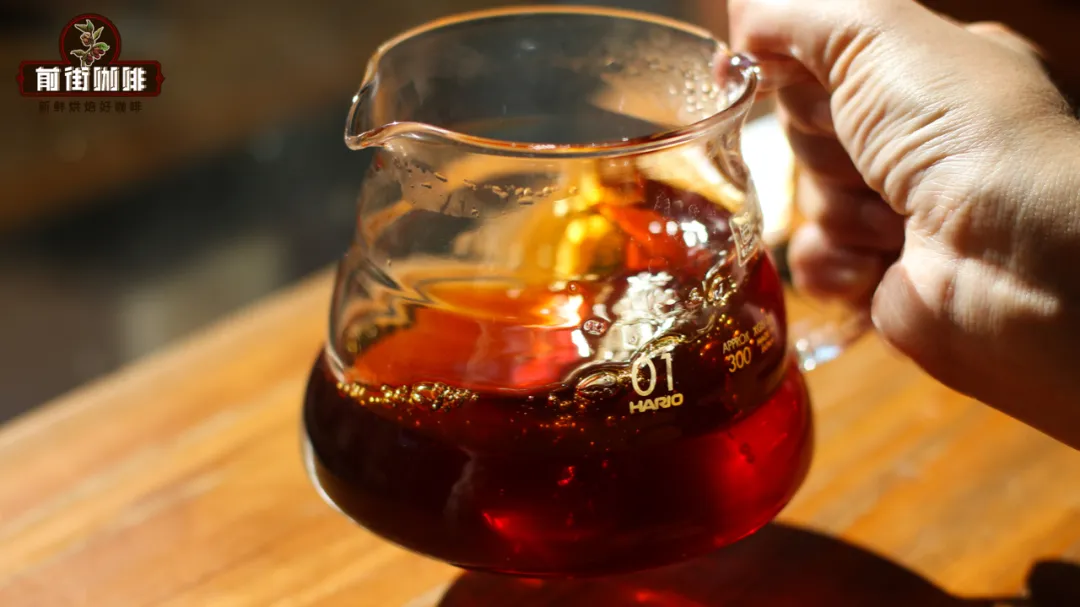
Now let's talk about coffee's aftertaste! So-called aftertaste refers to the taste bud experience where the coffee first has a slight bitterness or astringency upon entering the mouth, then sweetness suddenly emerges, gradually surpassing and covering the bitter (astringent) sensation, ultimately finishing with sweetness. But note, the degree of bitterness and the intensity of aftertaste have no necessary connection—coffee isn't more bitter means stronger aftertaste. Anyone who's had over-extracted coffee knows: the coffee is indeed bitter, but the aftertaste... if any... Because aftertaste needs enough sweetness in the coffee to support it behind the scenes; bitterness alone can hardly produce an aftertaste phenomenon.
So, if we want to brew out the high sweetness and aftertaste of dark-roasted coffee, we can't just single-mindedly "demand" the bitter substances in the coffee—we need sweetness too. But with conventional brewing methods, it's hard to perfectly control the ratio of bitterness to sweetness. Therefore, Front Street here recommends the most most most commonly used "trick" when brewing dark-roasted coffee: High! Concentration! Low! Extraction!
Through high concentration and low extraction, we can suppress bitterness and enhance sweetness. Although the coffee's concentration increases, the bitter substances don't rise along with it. The reason is that the extraction yield is relatively low, so bitter substances don't have much opportunity to be released. Thus, through high concentration and low extraction, we can boost the coffee's sweetness without boosting bitterness. Naturally, the coffee will also have a more outstanding aftertaste performance. Theory formed, now into practice! Let Front Street share how to brew a cup of extremely delicious dark-roasted coffee!
Brewing Share The coffee beans Front Street used for this share are—Sumatra·Golden Mandheling, the filter paper material is non-woven fabric (flannel filter cloth or other oil-permeable filter materials also work), extraction parameters are as follows: Dose: 20g Grind size: Ek43 setting 10.5, 80% pass rate on a No. 20 sieve (one notch finer than conventional brewing) Brewing water temperature: 88°C Coffee-to-water ratio: 1:13 (conventional brewing is 1:15) Dripper used: Kono Brewing method: three-stage
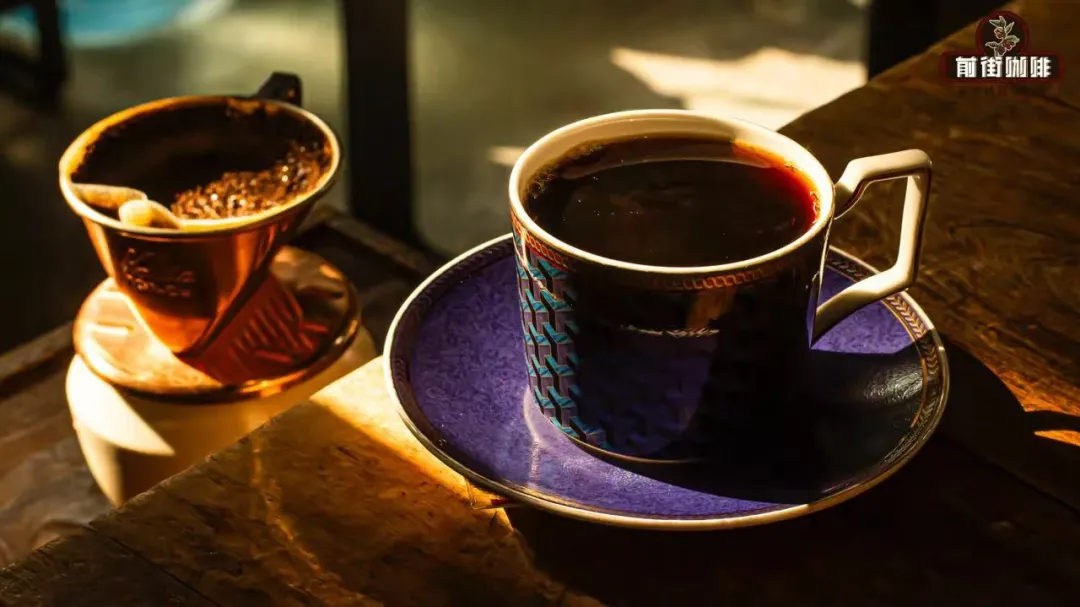
If you're also using non-woven filter paper, before adding coffee grounds it's best to pre-soften the filter paper with hot water, so the non-woven filter paper can have a higher degree of fit with the dripper. When everything is ready, we can begin brewing. First, still use twice the coffee's weight in water (40ml) for a 30-second bloom!
After the bloom ends, we pour the second stage of hot water in a large circular or mosquito-coil spiral path. This stage totals 120ml of hot water, and Front Street completes the pour at the 50-second mark.
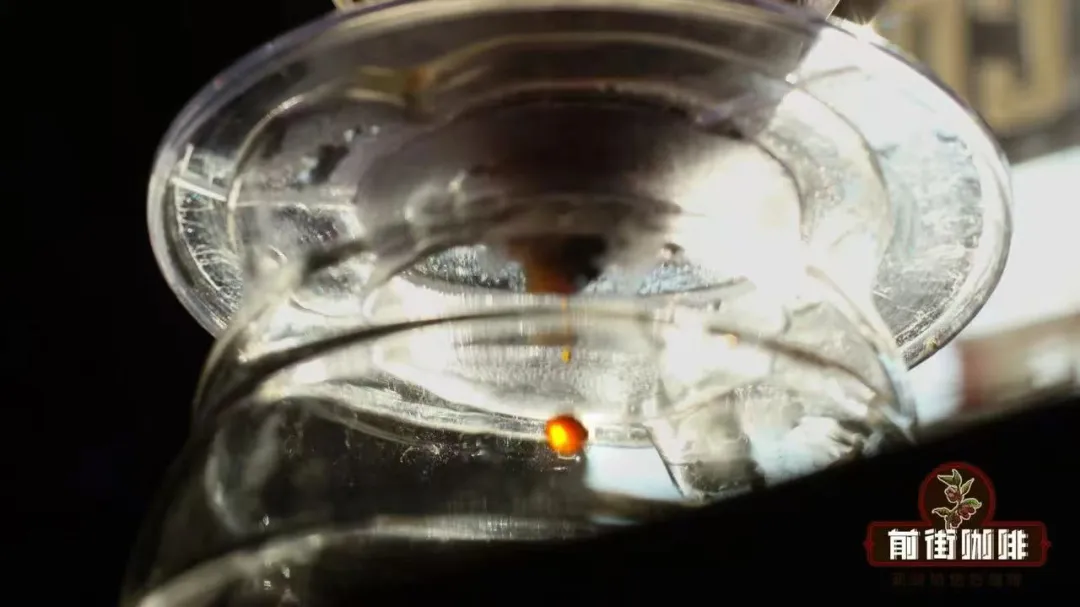
When the hot water in the dripper has nearly permeated and the coffee bed at the bottom is visible, we then pour the remaining 100ml of hot water in a small stream, in a small circle. Next, just wait for the hot water in the dripper to fully permeate through, then remove the dripper and end the extraction!
Total time is 2 minutes! Although it looks not much different from everyday brewing, the coffee's texture is indeed greatly improved. Just as Front Street was about to lean in for a taste, our sense of smell already caught the rich "coffee scent" rushing toward us—a complex aroma composed of nuts, caramel, roasted chestnuts, cream, and spices. Then tasting it, you can clearly drink out flavors of chocolate, nuts, caramel, and pine wood. In terms of mouthfeel, just as Front Street described, it shows a smoothness and body unmatched by light-roasted coffee, thanks to the inclusion of coffee oils and the concentration boost from high concentration and low extraction. At the same time, because of the increased concentration, the coffee tastes a bit stronger. But—strong without being bitter, and instead even sweeter! Without needing to taste carefully, within less than 2 seconds of entering the mouth the coffee turns from bitter to sweet, with the aroma of maltose and caramel; the aftertaste lasts a very long time—we can keep feeling the constantly emerging sweetness for quite a while after swallowing the coffee. No lie, it's really super delicious!! - END -
The above content is compiled by CoffeeHunters, a coffee news website.


