







For professional coffee knowledge exchange and more coffee bean information, please follow Front Street Coffee (FrontStreet Coffee)
How to choose coffee filter paper? How to use coffee filter paper? What types of coffee filter paper are there?

Many enthusiasts who buy their own coffee beans, use a grinder, and purchase equipment to brew coffee will choose the filtering method they commonly use and find convenient. The following analysis compares filter paper, metal filters, and cloth filters. These tools are not only convenient but also easy to use. Beginner Brewing Guide | Simple pour-over equipment selection.Coffee Filter Paper
Using coffee filter paper in drip coffee allows for more even and full immersion extraction of the coffee's essence, resulting in a purer coffee flavor.
How to choose coffee filter paper?
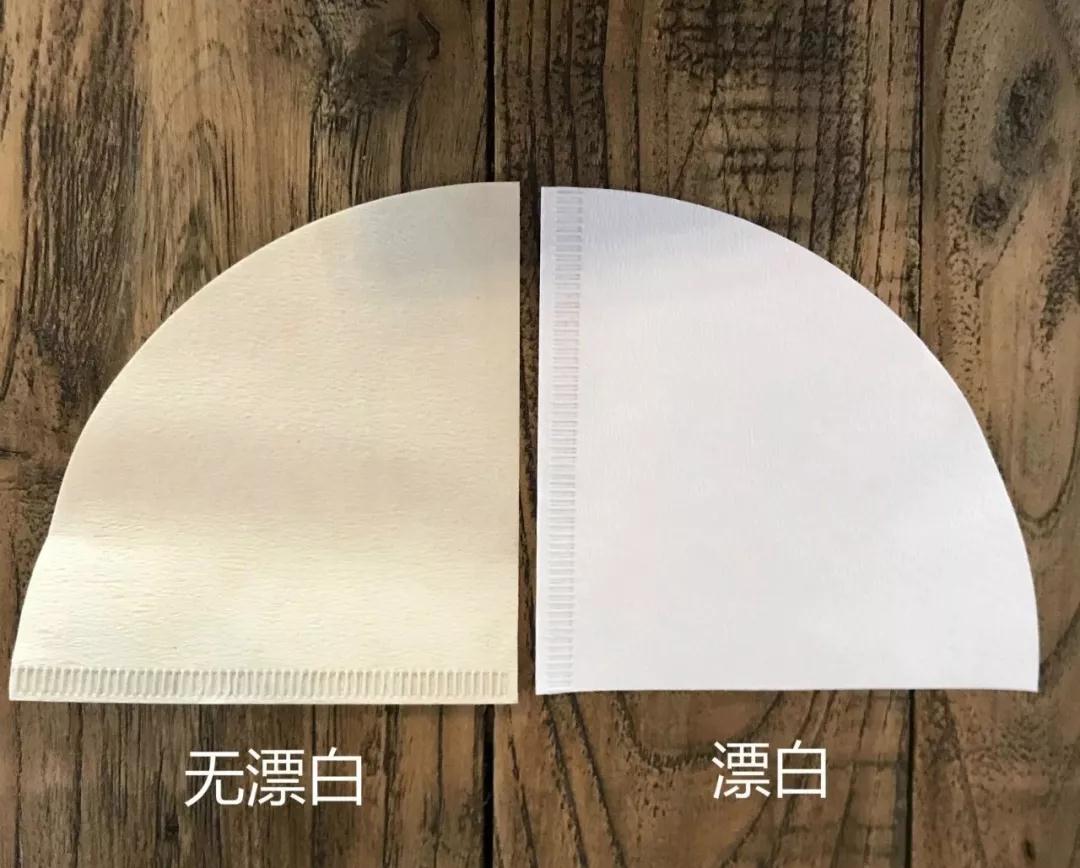
Bleached Filter Paper vs. Unbleached Filter Paper
Coffee filter paper is mostly made from wood. After boiling, the pulp is mostly brown in color, and it must go through several stages of bleaching to become white.
The differences between bleached and unbleached coffee filter paper are as follows:
1. Bleached: Refers to coffee filter paper that has undergone bleaching treatment, making the filter paper look whiter.
2. Unbleached: Refers to coffee filter paper that has not undergone bleaching treatment, making the filter paper look close to light brown.
Simply put, filter paper is generally used for drip coffee, filtering the brewed coffee liquid from the ground coffee beans and coffee grounds into the cup. Filter paper can also filter out the oils in coffee, resulting in a clean coffee solution. Good filter paper can filter out impurities, making the coffee taste mellower and its aroma more pronounced.
Pros: Highly convenient, disposable after use, and you can switch brands; the brewed taste is relatively clean; fewer impurities and off-flavors.
Cons: Less eco-friendly due to paper use; unbleached paper may have a papery taste; oils are filtered out, resulting in a coffee without an oily mouthfeel and a cleaner taste. Daily Brewing | Sharing experience on brewing a cup of coffee with balanced taste and oils extraction method
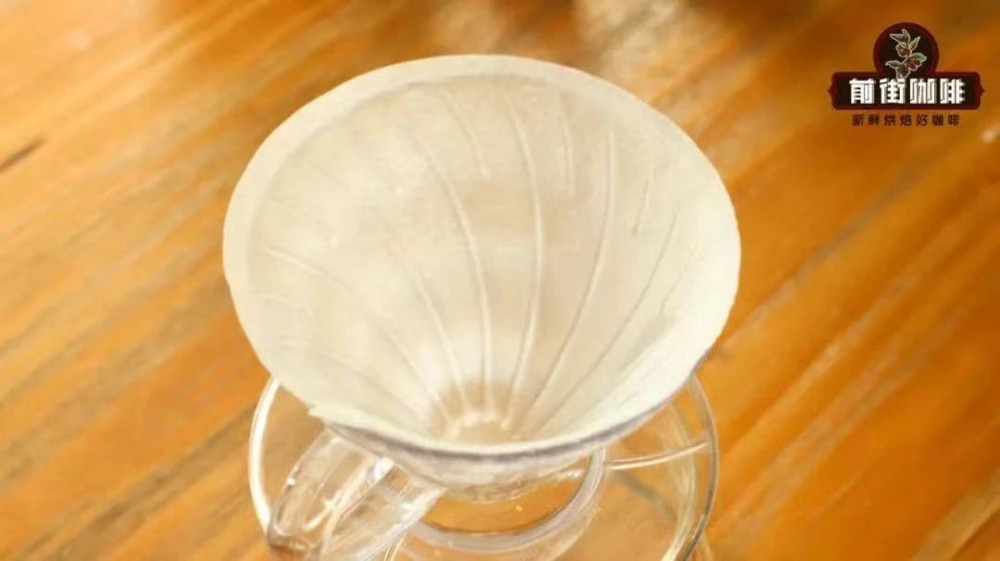
Although we've been comparing bleached and unbleached coffee filter paper, this is not the only difference between filter papers. The quality of the filter paper is also important for keeping coffee equipment clean and maintaining good filtration flow rate. This may sound trivial here, but the impact is actually significant.
In addition, be sure to choose filter paper that fits the size of your dripper, and pay attention to thickness and density—filter paper that is too thin and loose will let water flow through too quickly, while filter paper that is too thick and dense will filter out more coffee oils (such as Chemex).

So must you rinse the filter paper? Rinse? Or not rinse? That is the question...
For beginners, a standard practice is to fold the filter paper, rinse the filter paper, and warm the dripper—just follow along. But some veteran Japanese brewers do not rinse the filter paper, so you can imagine the confusion of "Why must the filter paper be rinsed?"
No worries, let's analyze this in detail below:
1. Consideration of removing the pulp taste
In fact, as introduced above regarding bleached and unbleached filter paper, unbleached filter paper has not undergone rinsing, so the woody pulp taste remains strong, which is why the filter paper needs to be rinsed. As for bleached filter paper, the residual papery taste and bleaching taste vary by brand. High-quality filter paper can indeed be processed to be very clean, so the difference between rinsing and not rinsing is minimal.
2. Consideration of fit with the dripper
Rinsing the filter paper helps improve the fit between the filter paper and the dripper, helping it conform to the dripper's rib design and brewing principle. However, in most cases, when brewing without rinsing the filter paper, the fit between the filter paper and the dripper is slightly worse than when preheated and pre-rinsed.
3. Consideration of the filter paper absorbing coffee oils and the initial extraction liquid
When brewing without rinsing the filter paper, the filter paper will absorb some water and oils during the blooming stage and bring out some questionable off-flavors.
Therefore, for the sake of complete extraction flavor, it is still more appropriate to rinse the filter paper.

【Common Filter Paper Parameters】
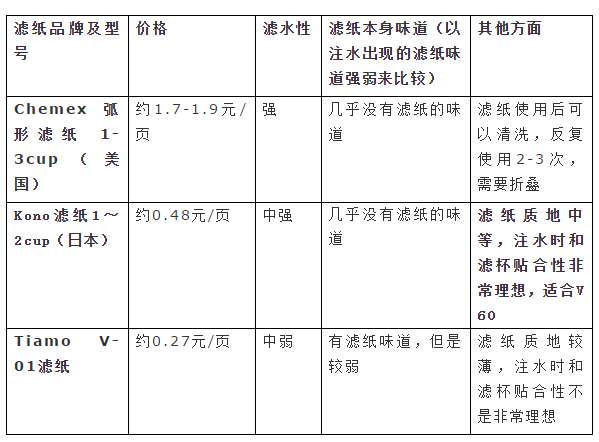
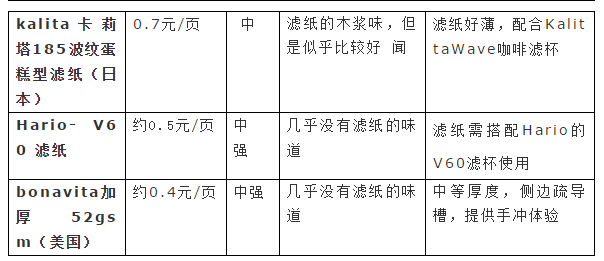
Introduction to 11 Types of Cone-Shaped Filter Paper
hario VCF-01-40W, hario bleached version, relatively soft texture, no obvious papery smell, but there are many counterfeit versions on the market, so dear friends remember to be careful when purchasing. 0.6-0.8g/sheet
hario VCF-01-40W, hario unbleached version, also a relatively soft filter paper, with no obvious papery smell, but when I smell it, the scent feels a bit different from the bleached version. Don't ask me what scent means, I'm just that sensitive a person. 0.8-0.9g/sheet
kono MD-25, a popular filter paper currently used by many coffee shops, colorless and odorless, slightly stiffer than hario. 0.9-1g/sheet
kono MD-25, same model as above, but this is the unbleached version, slightly stiffer than the bleached version and with a very faint papery smell. 0.9-1g/sheet, kono MD-26c, cotton material, very hard texture, the inside of the filter paper is very smooth, and for some reason it has a slight aroma. 1.2-1.3g/sheet
mola bleached filter paper, colorless and odorless, rumored to be OEM-produced by the Sanyo factory and made using the same machines as kono. Whether true or not, the texture is similar, and the cost-performance ratio is indeed high. Anyway, we'll look at the data later. 0.9-1g/sheet
mola unbleached version, also with no obvious smell, feels quite soft to the touch, otherwise similar to the bleached version above. 0.9-1g/sheet
mola hemp filter paper, slightly harder than the other two filter papers from this brand, with no obvious smell, but for some reason it has a fresh scent. 0.8-0.9g/sheet
kinto SLOWstyle, relatively hard texture, feels quite thick, coarse texture, also a cotton filter paper, and also has a special aroma. 1.1-1.2g/sheet
National brand bonavita, no obvious papery smell, but very hard, with relatively sparse texture, feels like notebook paper to the touch. 1-1.2g/sheet
Kanazawaya cotton filter paper, the last cotton filter paper, still has a faint fragrance, but lighter than the previous two cotton filter papers, relatively light texture, belonging to the medium-hard category. 1.2-1.3g/sheet
Metal Coffee Filter

Metal filters eliminate the need for less eco-friendly filter paper. Simply rinse clean after use and they can be reused. Made of stainless steel, they are also durable and sturdy.
Recommendation: After use, gently scrub with a clean toothbrush and use edible baking soda to remove oils, so as not to affect the taste of the next brew. Metal coffee filters allow oils to be extracted as well, resulting in a fuller mouthfeel and a taste closer to the original flavor of the coffee beans. In blind tests, the difference from filter paper can also be perceived.
Pros: More eco-friendly, reusable through rinsing; allows you to taste more of the coffee's original flavor, with a full-bodied mouthfeel.
Cons: Fine grounds can easily cause over-extraction leading to excessive bitterness; fine grounds pass through the filter into the coffee, which may result in a gritty mouthfeel.
//
Coffee Cloth Filter
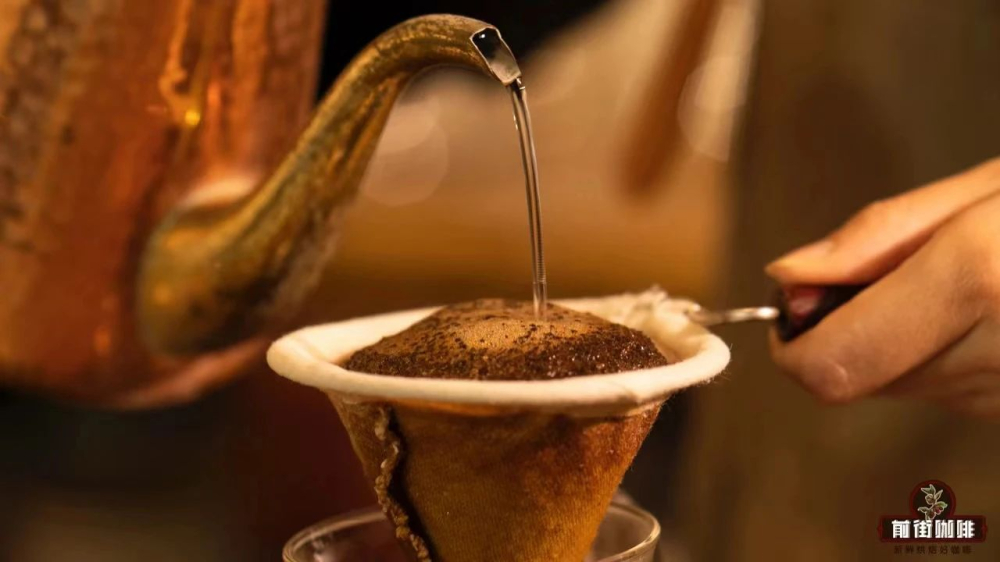
Usually used for flannel cloth filters and Siphon brewers. The troublesome part is cleaning and storage. If the oils on the cloth filter are not thoroughly cleaned, over time it will affect the taste. After washing, it needs to be soaked in water and stored in the refrigerator, and it cannot be used multiple times in a day, which is a rather troublesome point. The brewed coffee taste falls between metal and filter paper, balancing the advantages of both.

Recommendation: Cleaning and storing the cloth filter must be done properly, otherwise a rag-like smell may appear. It is recommended to clean with baking soda when possible. Flannel cloth filters have better permeability and heat retention, and the brewed coffee's aroma and taste are quite rich and full.
Pros: Fibers are coarser than filter paper, and oils adhere to allow water and coffee to interact and blend for a longer time.
Cons: Storage is relatively difficult and requires time and effort; requires more practice and skill.
Comparison of Three Filtration Methods
All three have their own pros and cons. Filter paper is just one small part of brewing coffee, and there are many factors affecting coffee taste. Each type of filter paper also produces a different taste due to different flow rates. You can try several types. Those who prefer the original coffee flavor can refer more to cloth filters and metal filters, which better retain oils and original flavor, while those who prefer a clean and refreshing taste can use filter paper.
Making a cup of drip coffee is not difficult, but making a good cup of drip coffee is not easy either. Like espresso, many variables need to be controlled. Filter paper is one variable, and there are also water quality, amount of water poured, drip rate timing, coffee grind size, etc. You need to manage each variable and continuously adjust to ultimately find the experience your taste buds are looking for.
We at Front Street Coffee (FrontStreet Coffee) rather like this KONO coffee filter paper drip-style pour-over filter paper. It is suitable for any cone-shaped dripper, whether it's a hario V60 dripper or a KONO dripper. The Japanese-imported KONO filter paper has a medium texture—neither thin nor thick—with medium-strong water permeability, and its fit with the dripper during pouring is very ideal.

Drip Bag Coffee
Finally, let's introduce one more type of filter paper, which is more convenient—the drip bag!
The coffee powder used in drip bag coffee is ground from freshly roasted coffee beans. Drip bag coffee can retain the original flavor of coffee to the greatest extent and is generally hot-extracted.
Because there will be coffee grounds, there needs to be a filter bag!
//
Filter Bag Material
This drip bag material is called a degradable non-woven fabric filter bag.

The inner membrane of the drip bag has a filter layer with these mesh holes, and these holes serve to even out the speed at which coffee flows out.
When hot water seeps through the coffee grounds, it extracts their essence and oils, and finally the coffee liquid seeps out evenly through the filter holes.

Grind size: Based on this design, the grind size cannot be too fine—close to the size of granulated sugar.

There is also a type of bagged coffee on the market, similar to a tea bag. It is made by grinding freshly roasted coffee beans and packaging them by cup quantity in disposable filter bags to make convenient coffee bags. The material is like tea bag material, mostly non-woven fabric or gauze, and this material needs to be steeped.
Tear, hang, pour, remove—four steps and done.
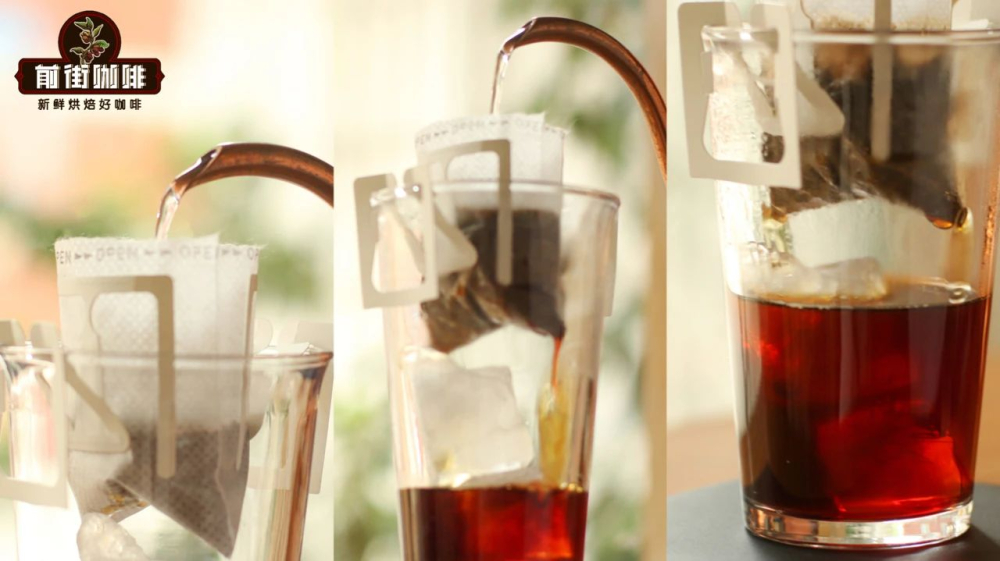
A warm, steaming cup of fragrant coffee is ready.
The above content is compiled by CoffeeHunters, a coffee news website.


