








Can You Brew Coffee Powder Without a Dripper or Kettle?
Ground coffee and hot water are enough to brew a good cup when a dripper, filter paper, or pour-over kettle is missing. Four methods work at home: holding a filter in place with chopsticks, steeping grounds in a teapot, boiling them directly in a pot, and an immersion approach copied from cupping.
Each method has its own parameters, and the coffee still shows clear flavor. The guide uses Front Street Coffee's natural-processed Hamasho beans, which show floral and tropical fruit notes across extraction styles, and a pour-over grind: fine sugar consistency, about 80 percent passing China's No. 20 sieve, or EK43s setting 10.
Returning home for the Spring Festival, your coffee craving kicks in, only to find you forgot your dripper, ran out of filter paper, and your pour-over kettle is missing? Don't panic—as long as you have ground coffee and hot water on hand, you can still brew a delicious cup. This article compiles four simple brewing methods you can do at home: using chopsticks to hold filter paper, steeping in a teapot, boiling directly in a pot, and an immersion method mimicking cupping. Each method comes with detailed parameters and step-by-step instructions, and uses Front Street Coffee's Hamasho natural beans as an example to showcase the flavor performance under different methods, helping you enjoy a satisfying cup even when equipment is scarce.

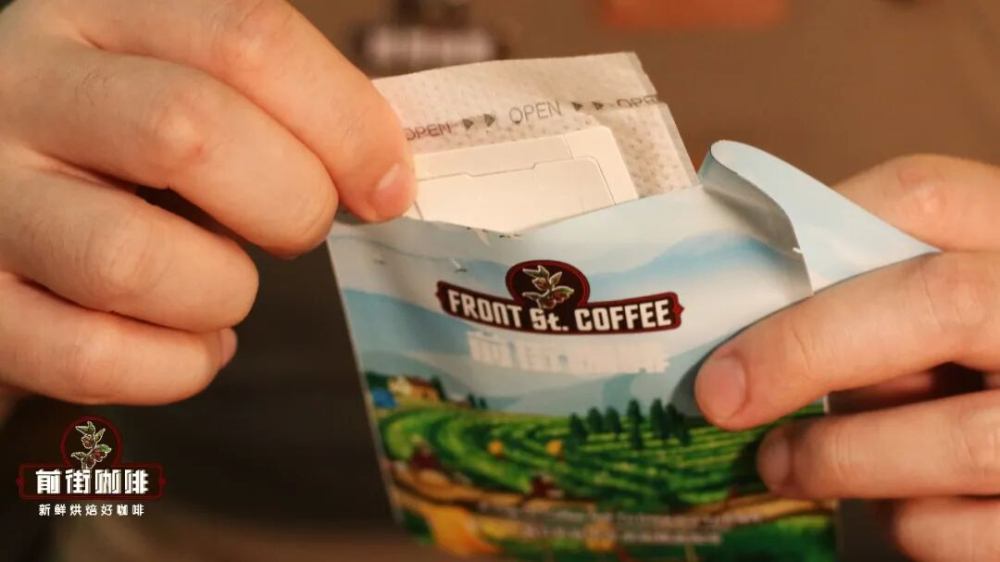
As the year-end approaches, many people's minds have already drifted home, and work mode inevitably becomes a bit loose. But the daily habit of a cup of coffee doesn't get interrupted because of that, so everyone starts stocking up on beans at home. If you bought drip bags, the pre-measured grounds and built-in filter bags can basically handle most brewing scenarios.
However, if you plan to brew it yourself, equipment becomes an unavoidable issue. When you get home, you'll always run into all kinds of unexpected situations—your dripper was left at the rental apartment, the filter paper just ran out, the pour-over kettle can't be found, the timing scale is broken, the coffee pot parts are rusted... Without wasting coffee beans, how to brew a good-tasting cup under limited conditions becomes the problem we need to solve. So today Front Street Coffee will talk about a few 'rustic ways to drink coffee.'
As the saying goes, even a clever housewife cannot cook a meal without rice. The premise of Front Street Coffee's discussion this time is that you have a grinder, or you've already ground the beans into powder in advance, and you're only lacking brewing equipment. If you don't even have a grinder, then it's best to have the merchant grind the beans before shipping when you place your order. Otherwise, you'll have to find another way to grind, such as the 'Can you crush coffee beans without a grinder?' that Front Street Coffee actually tested before.
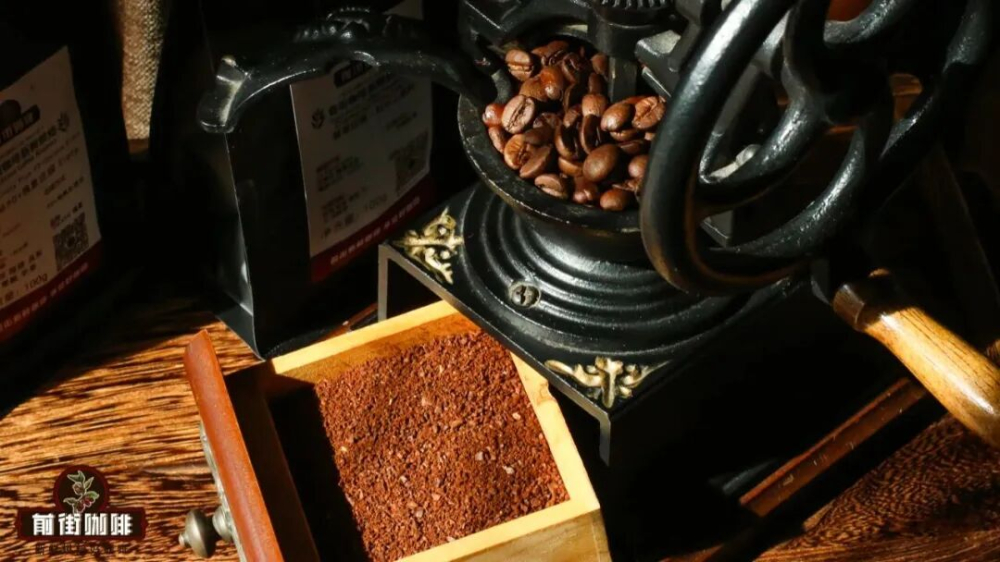
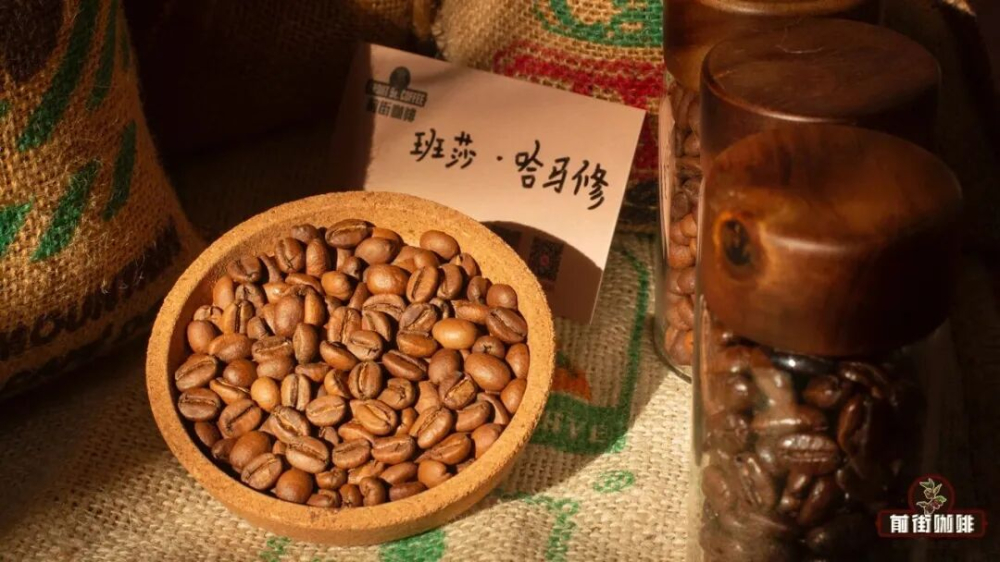
The beans used this time are the natural-processed Front Street Coffee Hamasho, which presents clear floral and tropical fruit notes when brewed, suitable for various extraction methods. The grind size follows the pour-over standard, that is, fine sugar consistency (80% passing rate through China's No. 20 standard sieve), corresponding to EK43s setting 10 (C40 hand grinder setting 24).
① Simple Filter Paper Version
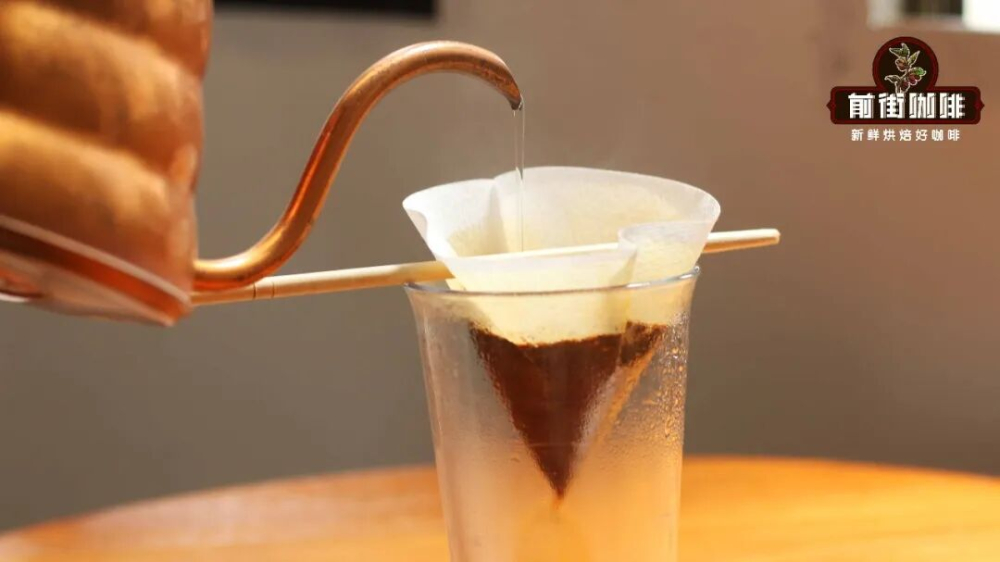
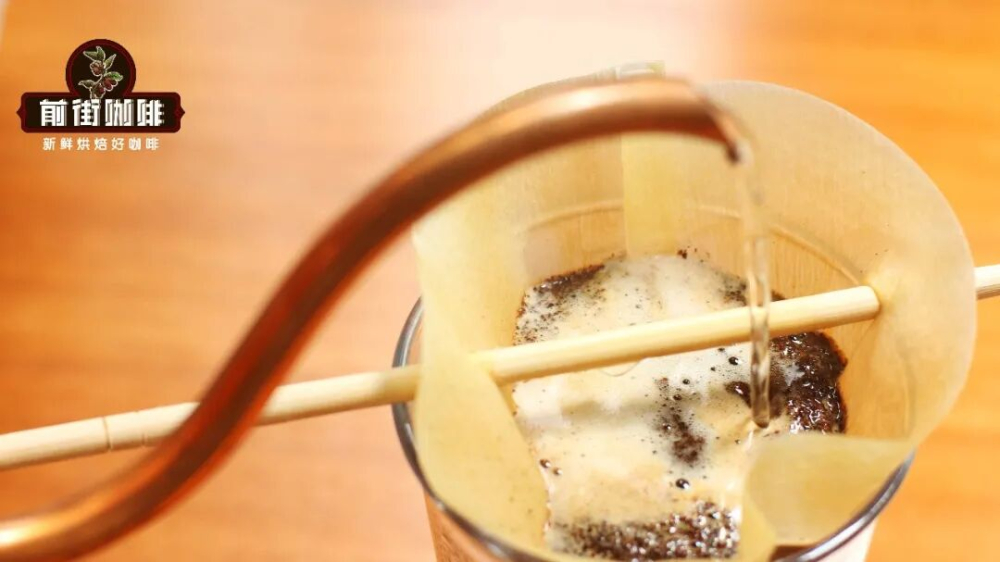
I wonder if everyone has had a similar experience to Front Street Coffee: happily bringing coffee and filter paper home, only to find you forgot the dripper and have to find a temporary substitute. Actually, when you have filter paper but no dripper, brewing coffee isn't complicated. As long as you find something to secure the filter paper, you can complete the extraction smoothly. The tool we used this time is: chopsticks.
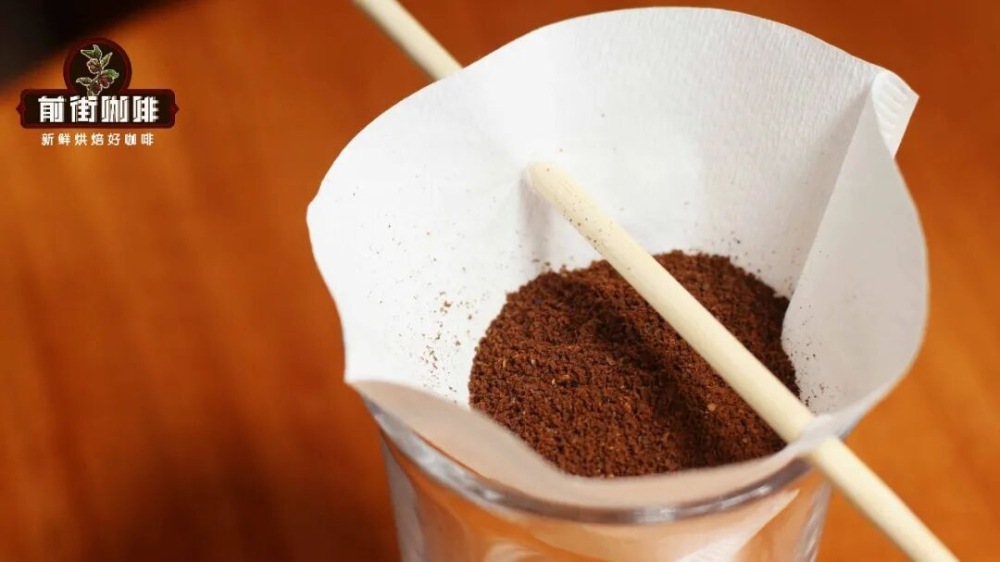
Use chopsticks to forcefully poke through the filter paper at the two-thirds position, then spread it open and rest it on a sharing pitcher (or coffee cup), then pour in 15g of coffee grounds. If you don't have a digital scale, you can refer to the spoon measurement method mentioned in previous articles.
Next, boil water, let it sit uncovered at room temperature (20~25℃) for 1~2 minutes to naturally cool to 88~93℃, then pour in stages by muscle memory. For specific operations, you can check Front Street Coffee's article 'How to brew coffee blindly without a digital scale?'
Note that during brewing, the filter paper will be completely soaked, and the stressed parts are prone to tearing, so pour water gently to avoid breaking the support points. If using a regular kettle, it's recommended to pour water in multiple small batches.
The coffee brewed this way is relatively close to the regular version. You can clearly taste Front Street Coffee Hamasho's berry, floral, guava, and honey-like sweetness, with a rich mouthfeel, high cleanliness, and a hint of black tea aftertaste.
② Teapot Brewing
Almost every Chinese household has a tea set. As long as you're not afraid of being nagged by your elders, this method is actually quite feasible.
The operation is similar to brewing tea. Put 10g of coffee grounds into a purple clay teapot (adjust the amount based on the teapot size), pour in 150~200g of hot water at around 90~95℃, start timing at the same time, and patiently steep for 3 minutes. After 3 minutes, pour out all the coffee liquid.
The Front Street Coffee Hamasho brewed with a teapot has a relatively soft mouthfeel, with overall lighter aroma, more prominent acidity, and notes of orange and berries.
③ Pot-Boiled Coffee
Although it sounds a bit crude, this is indeed the easiest extraction method to do at home. You only need a cooking pot, a heat source, water, and coffee grounds to make a cup of quite strong coffee.
First, pour 300ml of drinking water into the cooking pot and start heating. When small bubbles appear on the water surface, immediately pour in 15g of ground coffee and start timing (the coffee grounds will absorb water, so keep the coffee-to-water ratio at about 1:17~1:20).
After the coffee liquid in the pot comes to a full boil, turn the heat to minimum and stir clockwise with a small spoon to let the grounds fully contact the hot water. At 2 minutes, immediately turn off the heat, find a filter cloth or strainer to remove the large coffee grounds, wait for the fine particles in the coffee liquid to settle a bit, and it's ready to drink.
The Front Street Coffee Hamasho brewed this way tastes rich and full-bodied, with a gritty texture, but at the same time you can feel the aroma of berries, black tea, and caramel, with relatively prominent acidity.
④ Direct Immersion
This method actually mimics cupping, mainly for friends who don't have a teapot, filtering equipment, or a cooking pot. Besides coffee grounds and hot water, you also need to prepare a spoon and two cups.
The initial steps are the same as method ②. Pour the coffee grounds and hot water into the cup one after the other, stir well, and at 3 minutes, first use a spoon to skim off the upper layer of grounds, being careful not to stir up the settled coffee grounds at the bottom.
At 4 minutes, while the coffee grounds are still settled at the bottom, pour the coffee liquid along the cup wall into another cup, and the extraction is complete.
The Front Street Coffee Hamasho made this way, although it also has a slight gritty texture, lets you taste guava, orange, citrus, and floral notes when drinking, with a round, clean, and sweet mouthfeel.
The above content is compiled by CoffeeHunters, a coffee news website.


