







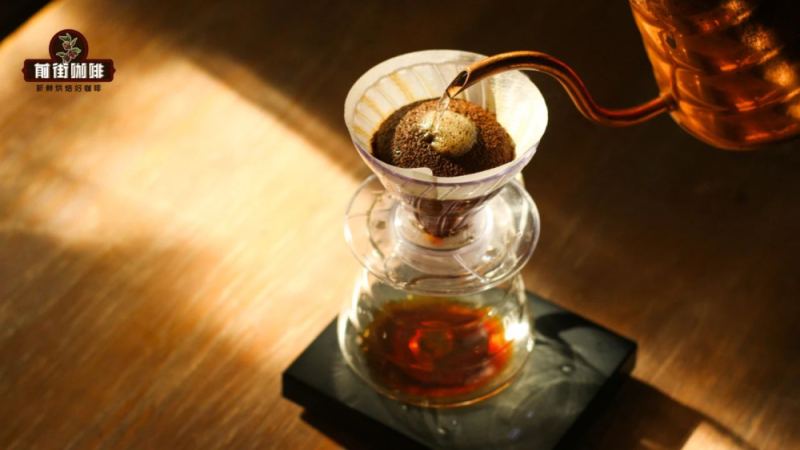
How does immersion coffee extraction make milk coffee possible?
Milk coffee without an espresso machine works if the coffee is concentrated enough first. The method now popular online is immersion extraction: steep coffee grounds and hot water together in a container, then filter the grounds out with a paper filter and dripper. The dripper only filters; the actual extraction happens during steeping, the same principle as a Clever Cup or French press.
Standard pour-over strength turns thin once milk is added, so the coffee-to-water ratio, grind size, and stirring rhythm need to push concentration higher. The article covers bean choice, the full extraction steps, and the milk ratio, while noting this is steeping rather than brewing. The approach suits anyone without pressure-based equipment such as an espresso machine or moka pot.
Can pour-over coffee be turned into a latte by adding milk? Of course it can, but if you dilute milk with coffee at the usual pour-over strength, the result often tastes thin and weak. To enjoy a rich milk coffee without an espresso machine or moka pot, the key is to first obtain a sufficiently concentrated coffee liquid. In this article, Front Street Coffee will share a recently popular "reverse operation"—first steeping and extracting the coffee in a container, then filtering out the grounds with a paper filter and dripper, thereby obtaining a high-concentration coffee suitable for making milk coffee. The article will break down in detail the essential difference between this immersion extraction and regular pour-over, why making milk coffee requires high concentration, which coffee beans are suitable, and the complete steps from coffee-to-water ratio, grind size, stirring rhythm to milk ratio.
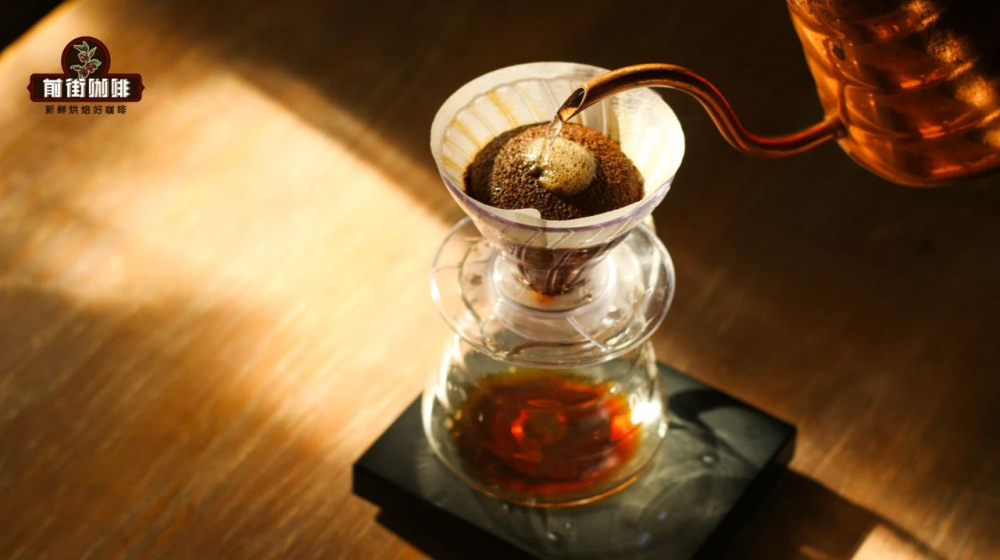
Yesterday, while Front Street Coffee was selling beans at the store, a customer suddenly turned and asked, "Do you know it's trendy now to brew coffee in reverse?"
"In reverse... brew?"
Seeing Front Street Coffee's puzzled look, the customer explained: reverse brewing means first putting coffee grounds and hot water together in a container to complete extraction, then using a paper filter and dripper to filter out the grounds. This way, you get a cup of coffee concentrated enough to make milk coffee. Front Street Coffee then searched online and found that this method is indeed quite popular recently.
Strictly speaking, though, this method can no longer be called "brewing"—it's closer to "steeping." The paper filter and dripper only play a filtering role here; the actual extraction happens during the steeping process. So accurately speaking, this isn't brewing coffee in reverse, but an immersion extraction with the same principle as a Clever Cup or French press. Front Street Coffee has introduced similar methods in past articles.
It must be admitted that this method does yield a high-concentration coffee. If you don't have an espresso machine or moka pot—equipment that extracts by pressure—at home, and want to occasionally satisfy a craving for milk coffee, this method works. So today Front Street Coffee will talk about how to easily make a pot of high-concentration coffee suitable for mixing milk coffee.
Why must milk coffee be made with high-concentration coffee?
Perhaps many friends wonder why Front Street Coffee keeps emphasizing "high concentration"—can't regular black coffee or pour-over coffee be used to make milk coffee?
Of course it can. Regular black coffee can also be used to make milk coffee, such as Café au Lait from France, which uses pour-over coffee plus milk.
But the downside is obvious: because the water proportion is relatively high, the final concentration can't be raised, so it tastes thin and the flavor easily seems weak.
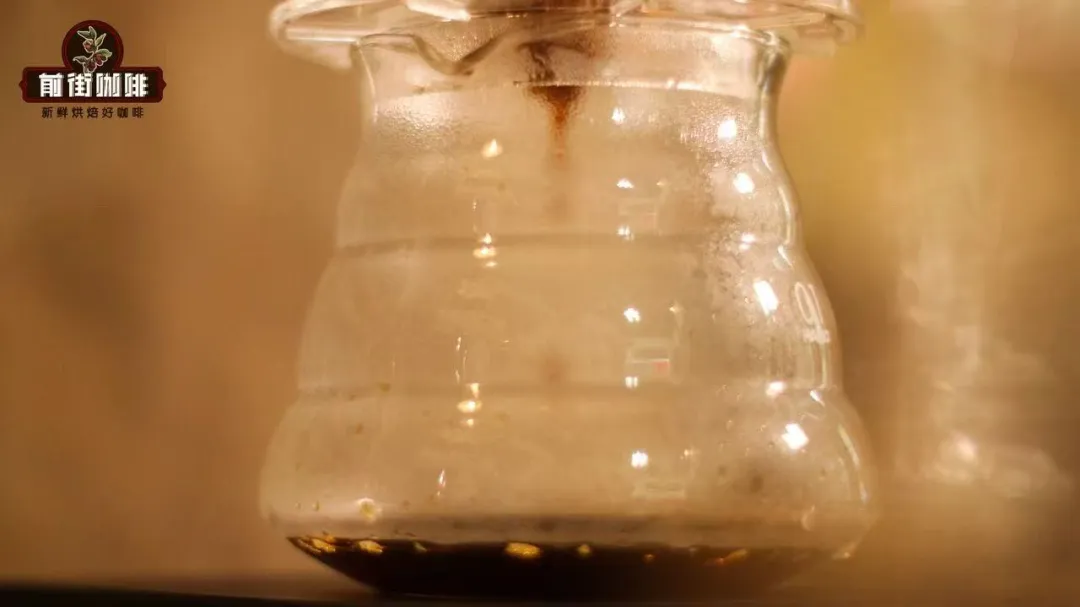
Perhaps some people happen to like this lighter milk coffee, but Front Street Coffee believes most friends want a milk coffee that is higher in concentration, fuller in flavor, and thicker in mouthfeel. Therefore, we need to increase the coffee's concentration and reduce the water content, so that the flavor and mouthfeel won't be overly diluted, and ultimately you can enjoy a milk coffee with satisfying taste and texture.
The method to obtain high-concentration coffee is as simple as Front Street Coffee mentioned at the beginning: pour coffee grounds and hot water into any container, stir, steep, and finally filter out the grounds with a paper filter and dripper or other filtering tools—then you have a high-concentration coffee.
But one thing to remind everyone: although the coffee obtained this way is considered high in concentration, this "high" is only a relative concept, completely incomparable to the high-concentration coffee extracted by pressure from a moka pot or espresso machine.
Moreover, without pressure assistance, it's hard to fully extract coffee flavors with a small amount of hot water, so milk coffee made with this high-concentration coffee won't taste as good as that from a moka pot or espresso machine. But as a substitute, its performance is already quite decent. Alright, enough talk—next Front Street Coffee will share how to specifically make such a cup of high-concentration coffee.
Making Guide
Although this method has no restrictions on coffee beans, Front Street Coffee still recommends choosing beans with a darker roast or deeper fermentation. These two types of beans have richer flavors and are easier to extract, allowing us to dissolve more flavor compounds from the coffee. In other words, using them to make a more flavorful milk coffee will be much easier.
For medium-dark and dark roast beans, you can choose: Front Street Coffee Black Cocoa Basic Blend, Front Street Coffee Classic Blend, Front Street Coffee Commercial Blend, Front Street Coffee Specialty Blend, as well as single-origin beans—Front Street Coffee PWN Golden Mandheling, Front Street Coffee Queen's Estate, etc.
If you want beans with deeper fermentation and more layered flavors, Front Street Coffee's bean list includes: Front Street Coffee Strawberry Candy · Geisha Blend, Finca El Diviso · Sidra/Bourbon, Finca Elida · Anaerobic Natural Catuai. These are all worth trying and can be purchased directly from Taobao Tmall (also available in physical stores). Interested friends can look into them.
This time, Front Street Coffee is still using Front Street Coffee Strawberry Candy · Geisha Blend. The extraction parameters are also simple: 20g coffee grounds; grind setting directly to the finest on the grinder, producing flour-like particles (see image below); water temperature 95°C or above; coffee-to-water ratio 1:4; extraction time depends on your grind size and stirring time.
Step one: pour the ground 20g coffee and 80ml hot water together into any container.
Then press the timer and take out a spoon to start stirring. Stir for about 30 seconds, then let the coffee steep and extract for 3 minutes.
After 3 minutes, pick up the stirring tool again and stir for about 30 seconds, then steep for another 3 minutes.
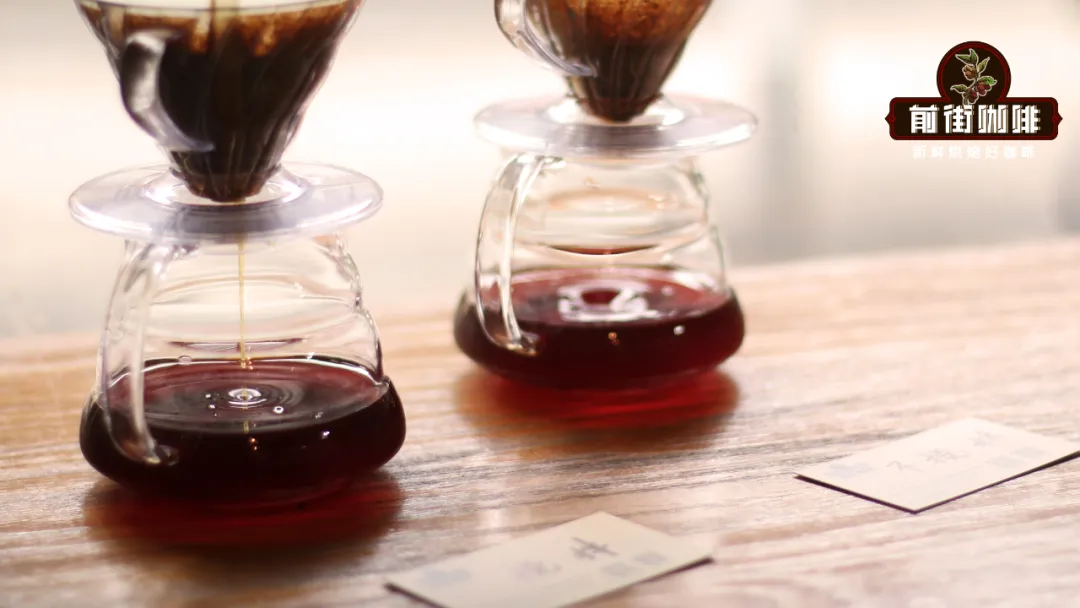
If your grounds haven't reached a flour-like consistency, Front Street Coffee suggests extending the stirring and steeping times appropriately. Don't worry about over-extraction at all! Because once the liquid reaches a certain concentration, the dissolution rate of flavor compounds significantly decreases—that's exactly why we need to stir occasionally to promote flavor dissolution.
When time is up, prepare a paper filter and dripper, filter out the coffee grounds, and a relatively high-concentration coffee is ready.
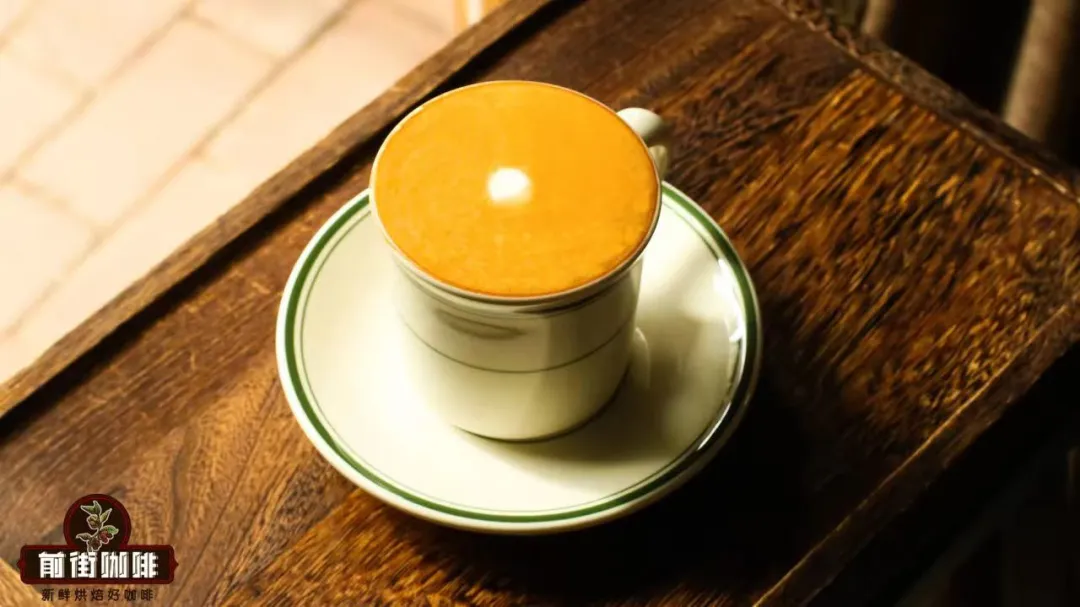
As Front Street Coffee said earlier, the coffee made this way can't match the concentration and taste of espresso from an espresso machine. So when mixing with milk, the ratio can be more flexible. Front Street Coffee uses a ratio of 1:3.5 here, with the final coffee liquid being 36ml, so the milk added is about 126ml.
Finally, you can start tasting this milk coffee. Although it's not as good as espresso machine output, milk coffee made this way still meets the standard of being delicious.
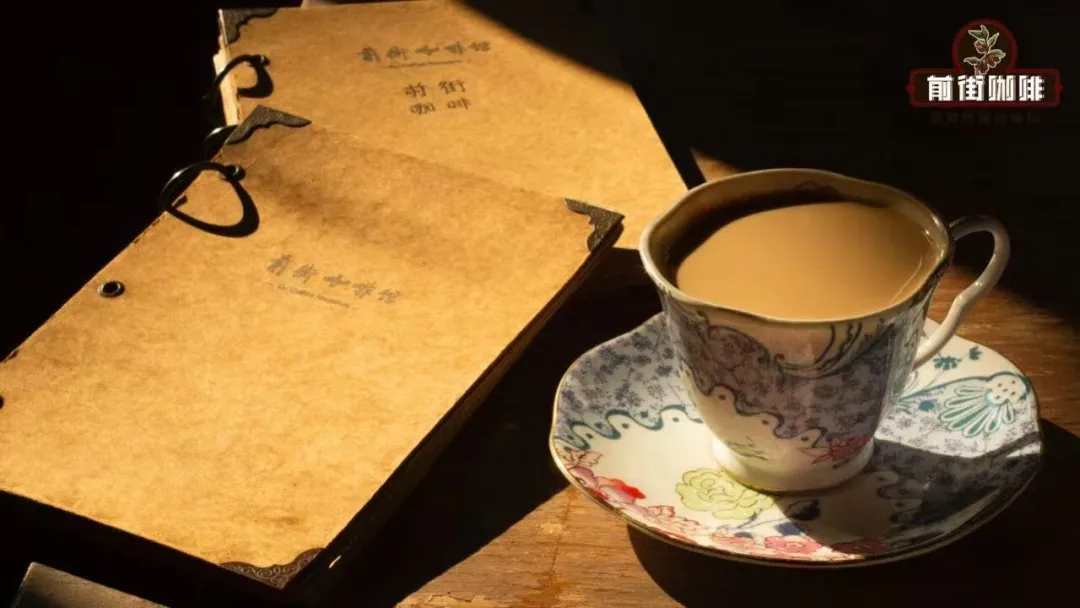
The balance between milk and coffee is just right, with a smooth mouthfeel and balanced taste. You can clearly taste the flavor characteristics of Strawberry Candy, like strawberry gummy, white floral notes, and a slight berry tone. That's all for this Front Street Coffee sharing. Interested friends might as well try it at home.
The above content is compiled by CoffeeHunters, a coffee news website.


