







Search Results for: Wet-hulled method
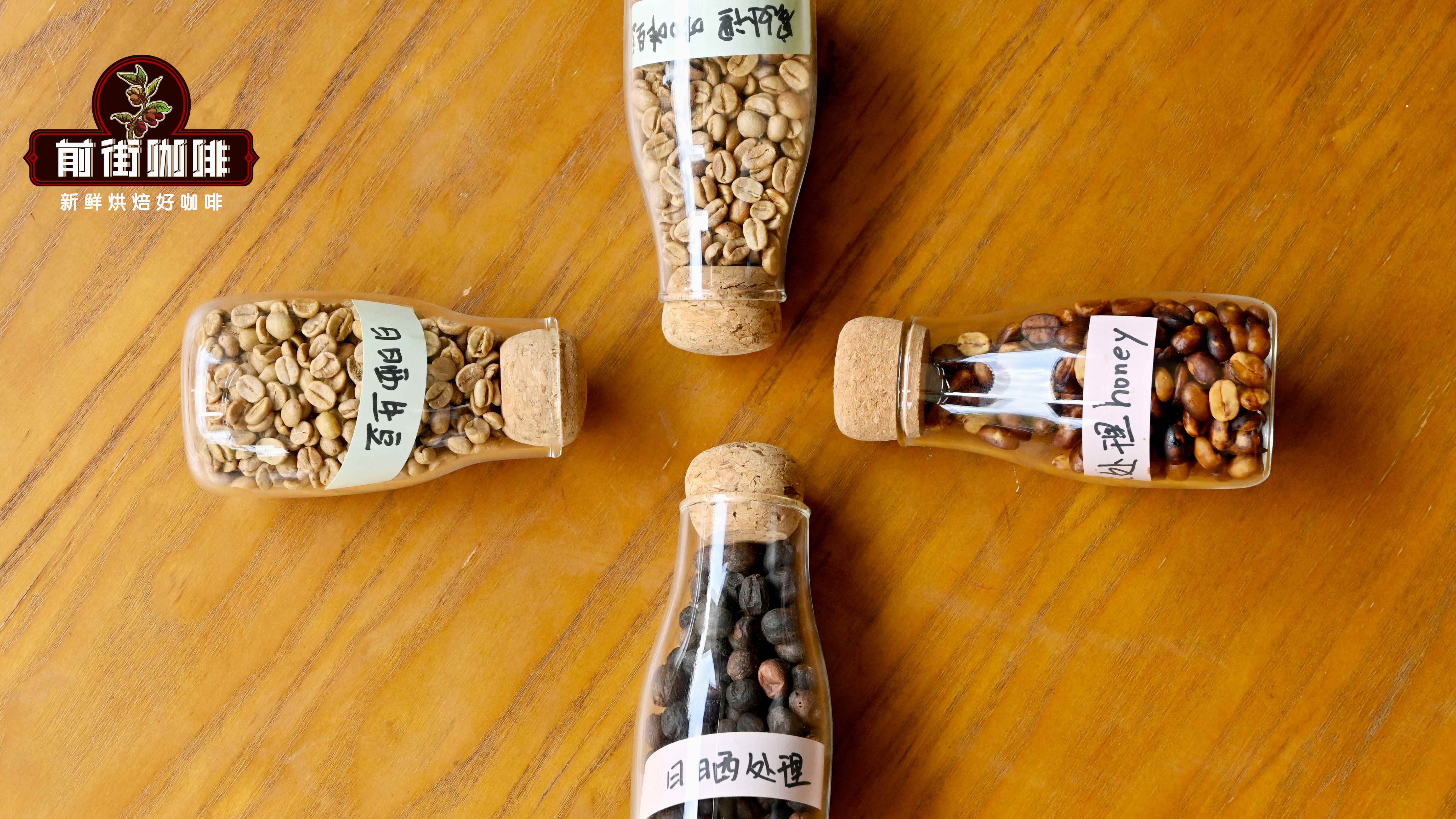
Analysis of the Wet-Hulled Process for Indonesian Mandheling: From Processing Flow to Signature Flavor and Sheep's Hoof Bean Characteristics
The coffee processing method determines the final flavor direction of green beans, and Indonesia's Sumatra island, due to its unique climatic conditions, developed the wet-hulling method that is completely different from natural and washed processing. In this article, Front Street Coffee systematically sorts out the complete process of wet-hulling, from depulping and pulping, short soaking, staged drying, to wet-hulling and hulling, breaking down the impact of each stage on flavor one by one. The article will also explain the cause of the iconic "goat hoof" appearance of wet-hulled Mandheling green beans, and share the brewing parameters and actual taste performance of Front Street Golden Mandheling, helping coffee lovers fully understand the uniqueness of this classic Indonesian coffee. [more…]
Wet-Hulled, Pulped Natural, and Honey Processing: An In-Depth Analysis of Three Major Green Coffee Processing Methods
Coffee processing methods determine the flavor direction of green beans. Besides the common natural and washed methods, there are three processing methods that fall in between: Indonesian wet-hulled, Brazilian pulped natural, and Central American honey. Each was born in response to the climate and water resource conditions of its origin, and they present distinctly different expressions in acidity, sweetness, and body. This article will break down the principles and processes of these three processing methods one by one, and, in combination with specific beans such as Front Street Golden Mandheling, Front Street West Java Arumanis Estate, and Front Street Costa Rica Sumava Estate Black Honey Caturra, explain how processing methods shape the flavor in the cup. Finally, a complete comparison of acidity, sweetness, production risk, equipment cost, and water usage is attached. [more…]
Comparison of Semi-Washed and Wet-Hulled Processing: An Analysis of Flavor and Mouthfeel Differences Between Brazilian Coffee and Indonesian Mandheling
The coffee processing method directly affects the flavor in the cup. Semi-washed and wet-hulled methods represent the classic processing techniques of Brazil and Sumatra, Indonesia, respectively. The semi-washed method combines characteristics of both washed and natural processing, yielding a balanced flavor but slightly weaker intensity; the wet-hulled method, centered on shortening drying time, brings a rich, full-bodied, unique aroma interwoven with herbs and caramel, yet also makes green beans more susceptible to damage. In this article, Front Street Coffee will systematically compare the operational procedures and flavor expressions of the two processing methods, from bean selection, demucilaging, and sun-drying to hulling, helping coffee enthusiasts understand the essential differences between Brazilian semi-washed and Indonesian Mandheling wet-hulled coffee. [more…]
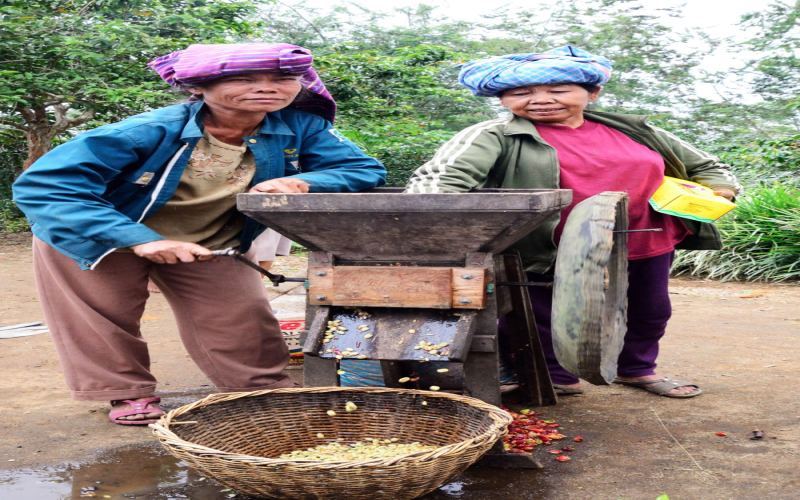
Analysis of Indonesia's Wet-Hulling Method: Comparing Peeled Sun-Dried and Honey Processing Techniques and Flavors
The green coffee bean processing method has a decisive influence on the final flavor. In addition to variety and origin, the processing method is also a key link in shaping coffee's personality. Currently, the mainstream methods include natural, washed, and the in-between semi-washed (wet-hulled), Brazilian pulped natural, and honey processing, among others. This article will provide a detailed explanation of three processes: Indonesian wet-hulled, pulped natural, and honey processing, covering their respective operational steps, flavor characteristics, roasting recommendations, and brewing parameters, and will combine bean examples from Front Street Coffee for cupping comparisons, helping readers systematically understand the taste differences brought by different processing methods. [more…]
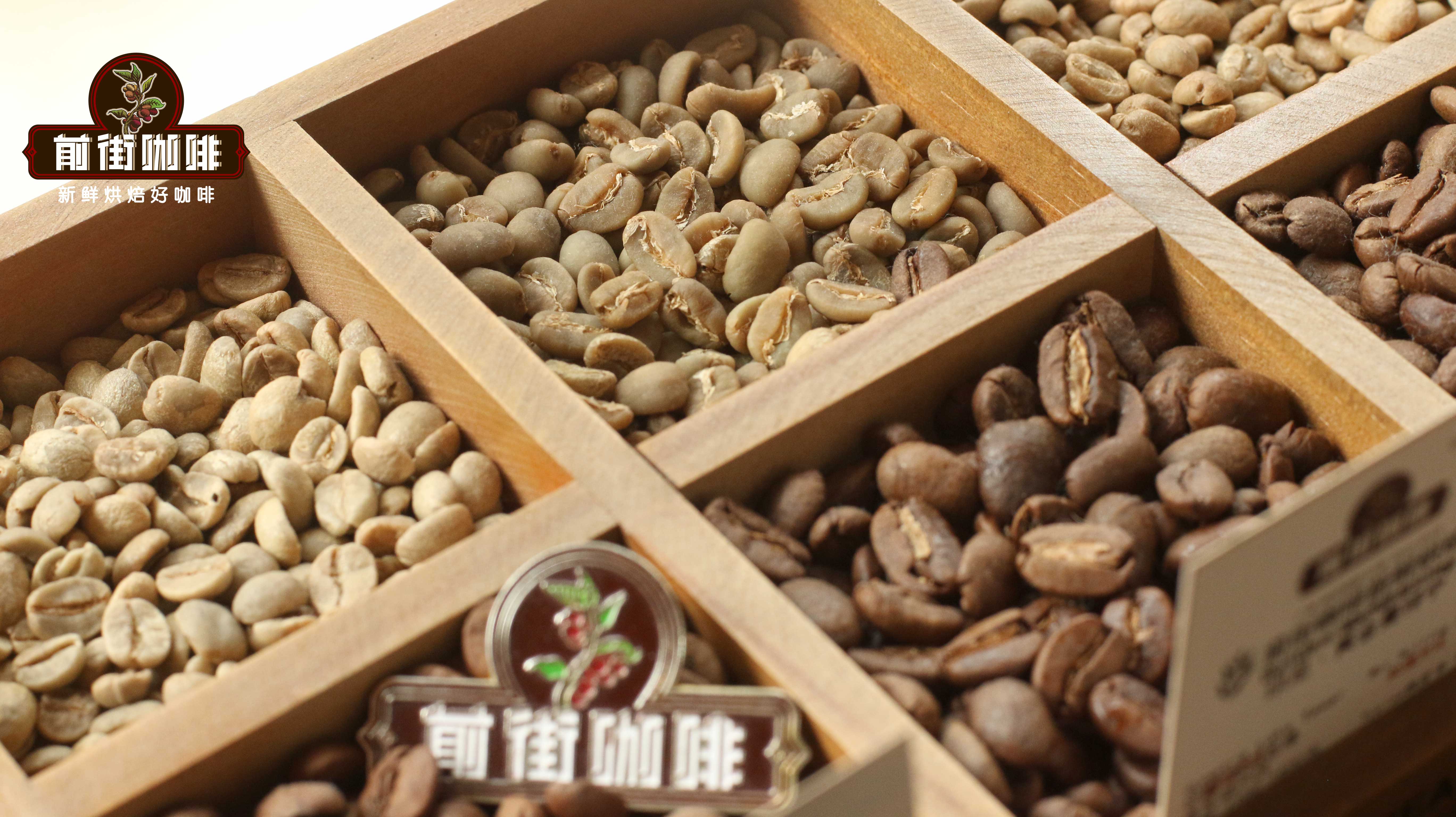
The Bitter Truth About Mandheling Coffee and Brewing Techniques: A Full Analysis of Sumatra Wet-Hulled Flavor
Mandheling coffee is the representative coffee of Sumatra, Indonesia, in Asia, famous for its rich, substantial body and unique herbal and chocolate flavors. Is it actually bitter? How should it be brewed to taste good? Starting from the origin background of Front Street Mandheling, this article provides a detailed analysis of the differences between the Lintong producing region and PWN Golden Mandheling, the flavor changes at different roast levels, and the complete process and flavor formation of Sumatra's wet-hulling method. Finally, using pour-over as an example, it gives specific brewing parameters to help coffee lovers fully understand the character and charm of this classic coffee. [more…]
Indonesia Wahana Estate Sun-Dried Mandheling: A Full Analysis of Variety Characteristics, Processing Method, and Brewing Flavor
When Mantenin is mentioned, most people first think of the mellow herbal and dark chocolate notes brought about by the wet-hulled process. However, in Sumatra, Wahana Estate has reshaped the flavor profile of Mantenin through natural processing. This article will guide you through the growing conditions and varietal composition of Wahana Estate, walk you through the complete processing flow of natural Mantenin, and compare it with traditional wet-hulled Mantenin in terms of brewing parameters and taste performance. At the same time, Front Street Coffee will also share the importance of fresh roasting for coffee flavor, as well as practical tips for everyday brewing, to help you gain a more comprehensive understanding of this unconventional Mantenin. [more…]

How to Identify Coffee Bean Processing Methods? A Full Analysis of Flavors and Bean Appearance for Natural, Washed, Honey, and Wet-Hulled Processes
Faced with a dazzling array of coffee beans, how can you tell from their appearance and flavor which processing method they have undergone? Drawing on the practical experience of Front Street Coffee, this article teaches you to observe bean surface features such as remaining silver skin, the white line in the bean cleft, color, and sugar glazing, so you can quickly distinguish common processing methods like natural, washed, honey, and wet-hulled. At the same time, using examples from producing regions such as Yirgacheffe, it compares the flavor differences between natural and washed processing in terms of sweetness, complexity, and cleanliness, and extends to the craft logic of anaerobic processing and barrel fermentation, helping you understand more systematically how processing methods shape coffee flavor. [more…]
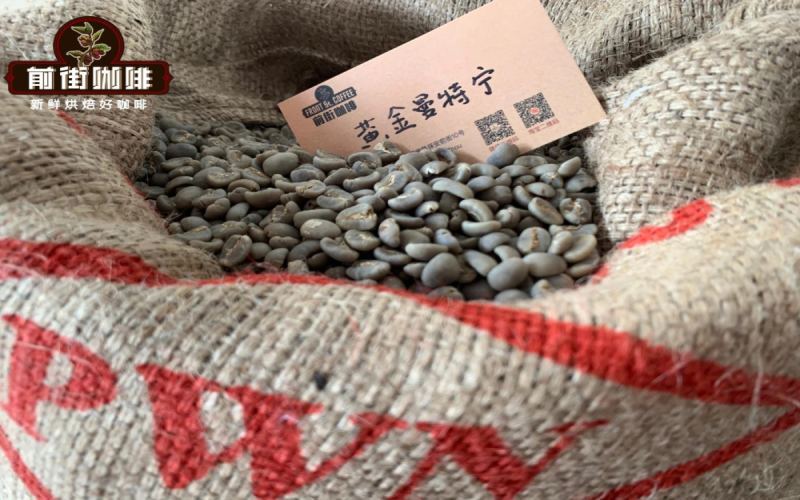
Indonesian Golden Mandheling Coffee Beans: A Complete Guide to PWN Brand Grades, Wet-Hulled Processing, and Medium-Dark Roast Brewing
Mandheling is the representative of Indonesian coffee, and the Golden Mandheling produced by PWN is the finest among them. Starting from Front Street's daily bean list, this article introduces the brand background and grade standards of PWN Golden Mandheling, analyzes the grading system for Indonesian green coffee beans, and takes a deep dive into the terroir logic of the Sumatra producing region and the wet-hulled processing method. At the same time, Front Street will share the flavor characteristics and brewing parameters of medium-dark roasted Golden Mandheling, including water temperature, grind size, and a segmented extraction plan using the Kono dripper, helping coffee enthusiasts recreate a cup of rich, clean, classic Mandheling at home. [more…]

How can you tell coffee bean processing methods apart? Start with silver skin residue and cupping flavors to quickly distinguish natural, washed, honey, and wet-hulled methods
Many coffee enthusiasts hope to determine a coffee bean's processing method simply by observation or tasting, and there is actually a method to this. Drawing on Front Street's practical experience, this article systematically sorts out the classification logic of common processing methods: the globally universal washed and natural methods, as well as the region-specific Indonesian wet-hulled method and Central and South American honey process. The article focuses on how to quickly distinguish processing methods by observing the remaining silver skin on roasted beans, the white line in the bean crease, and the degree of caramelized sugar staining, while also using examples from producing regions such as Yirgacheffe to explain the differences between natural and washed coffees in flavor layering, sweetness, and cleanliness, and extending to the flavor logic of anaerobic processing, helping you build a practical framework for discernment. [more…]
How to roast and hand-brew Golden Mandheling? Front Street explains PWN Golden Mandheling flavor and parameters in detail
Mandheling is the most iconic coffee from Sumatra, Indonesia, and Golden Mandheling is renowned for its strict hand-sorting standards and rich, full-bodied flavor. Starting with the PWN Golden Mandheling from Front Street Coffee, this article outlines its producing region, varieties, and wet-hulling process, and compares the performance of light, medium-dark, and dark roasts in pour-over brewing. It also provides five brewing methods commonly used in Front Street Coffee shops—pour-over, volcano siphon, AeroPress, siphon, and French press—including water temperature, coffee-to-water ratio, grind size, and timing parameters, helping coffee enthusiasts recreate the spice, nut, caramel, and chocolate notes of Golden Mandheling at home and find a brewing method that suits them. [more…]
Wet-Hulled, Semi-Washed, Pulped Natural, and Honey Process: A Complete Analysis of the Flavor Differences Among Four Coffee Processing Methods
Following our previous discussion of the two major processing methods—natural and washed—this time we turn our attention to several post-harvest processes that fall between them: wet-hulled, semi-washed, pulped natural, and honey processing. How is each of these methods carried out? And what impact do they have on coffee flavor? We'll still start with the structure of the coffee cherry: from the outside in, the fruit consists of the outer skin, pulp, mucilage, parchment layer, silver skin, and the coffee bean seed itself. The core goal of all processing methods is simply to remove the outer layers and extract the seed. However, differences in the method, timing, and degree of removal lead to vastly different results in the cup. This article will break down these processing methods one by one—their procedural details, flavor tendencies, and the subtle connections between them—to help coffee enthusiasts more clearly understand the key role processing plays in shaping flavor. [more…]
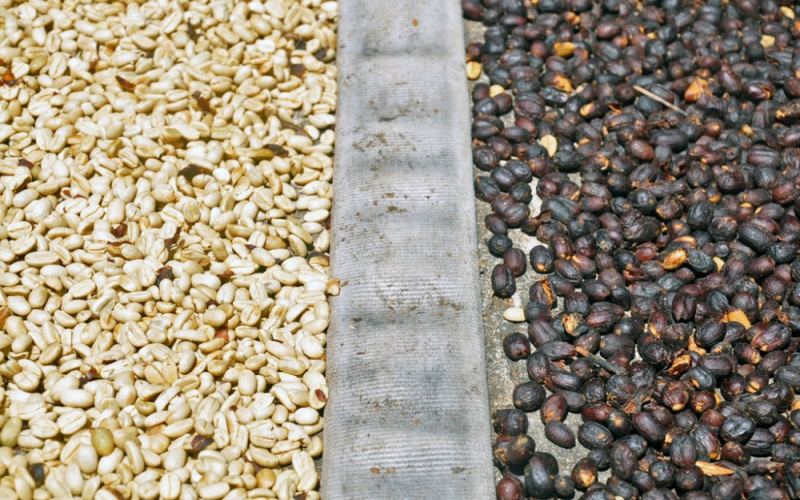
A Complete Guide to Coffee Bean Processing Methods: Flavor Differences from Natural and Washed to Wet-Hulled, Honey, and Anaerobic Fermentation
Where exactly does the flavor of a cup of coffee come from? Beyond the climate of the origin and the variety, the processing method of the coffee beans is also a key variable that shapes the flavor in the cup. From the most common natural and washed processes, to Costa Rica's distinctive honey process, Indonesia's unique wet-hulled method, and the anaerobic fermentation that has been favored in competitions in recent years, each technique quietly reshapes the sweetness, acidity, and body of the coffee. This article will use specific beans such as Yirgacheffe, Mandheling, and the Costa Rica Musician Series as examples to outline the process flow and flavor direction of mainstream processing methods, helping coffee lovers understand the taste differences brought by different processing methods from the same origin, and also explaining the risks and limitations of each processing method. [more…]

A Complete Analysis of Indonesian Aged Mandheling Wet-Hulled Method: From Accidental Aging to Golden Mandheling, A Front Street Coffee Brewing Guide
In the world of specialty coffee, freshness is usually regarded as the key to quality, yet Indonesia's aged Mandheling has won the favor of coffee lovers with a completely different stance. This coffee bean, known for its "expired" name, holds behind it a story of colonial-era shipping and a unique aging process. This article will explore in depth the origins of aged Mandheling, the characteristics of the wet-hulling process, and how it differs from Golden Mandheling, and, using Front Street Coffee's Golden Mandheling as an example, share how to brew a rich, full-bodied Mandheling black coffee at home. Whether you are a beginner just getting to know Mandheling or a seasoned connoisseur seeking advanced techniques, you will gain practical knowledge and inspiration from it. [more…]
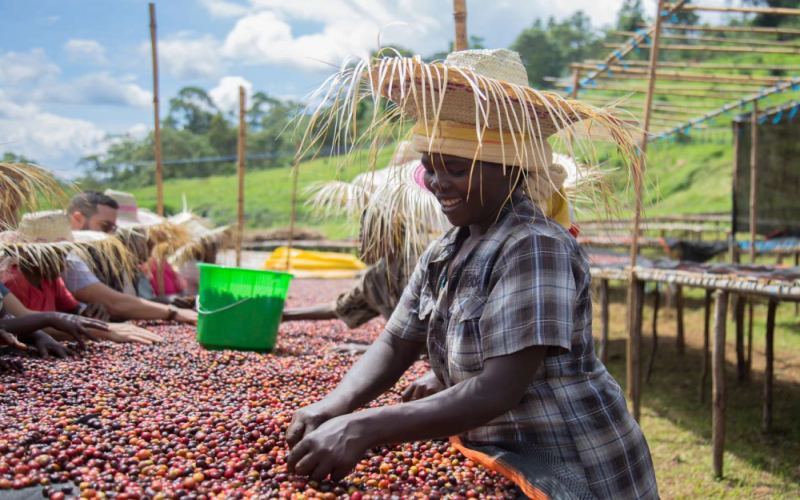
A Complete Guide to Coffee Bean Processing Methods: Flavor Differences Between Natural, Washed, Honey, Wet-Hulled, and Anaerobic Fermentation
From fruit to green beans, coffee cherries must go through a series of processing steps to remove the skin, pulp, mucilage layer, and parchment. The processing method directly determines the final flavor profile of the coffee. This article systematically reviews the operational procedures and flavor characteristics of common processing methods such as natural (dry), washed (wet), honey (semi-washed), wet-hulled (Giling Basah), and anaerobic fermentation, compares their respective advantages and disadvantages, and explains why washed beans have bright acidity, natural beans are rich in fruity aromas, and wet-hulled beans carry a distinctive woody-spicy note. At the same time, the article combines specific Front Street Coffee products such as Red Cherry Yirgacheffe, Gudingding, Lintong Mandheling, Xizhua, and Daduqi to demonstrate the flavor expression of different processing methods in actual coffee beans, helping readers build a complete understanding from processing method to flavor in the cup. [more…]
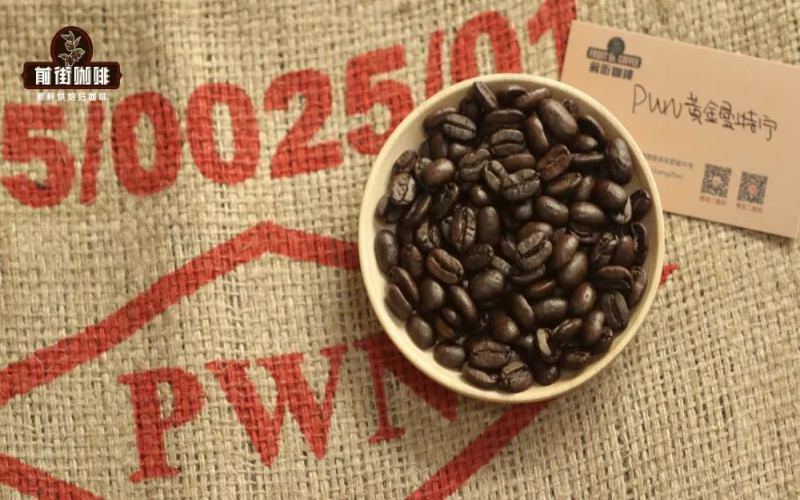
Sumatra Wet-Hulling Revealed: Where Does Aged Mandheling's Unique Flavor Come From?
Sumatra Mandheling coffee from Indonesia has always been loved as the darkest-roasted bean on Front Street Coffee's menu, with a full body and low acidity. Behind its unique musty aroma, herbal notes, and aged-wood character, what secret is actually hidden? The answer is inseparable from the local hot, rainy environment and the distinctive wet-hulling process. This article will start from the growing conditions of Front Street Mandheling, analyze each stage of the wet-hulling process, explain the relationship between peaberry beans, defect rates, and a sense of place, and further introduce the aging process and time requirements of Aged Mandheling, giving you a complete understanding of this highly recognizable coffee. [more…]
What makes Indonesian coffee special? Decoding the flavor secrets of Golden Mandheling and wet-hulled processing
Indonesian coffee, with Mandheling's rich, full-bodied taste and distinctive herbal spice aroma, has become a force that cannot be overlooked in the world of specialty coffee. Among these, the Golden Mandheling produced by PWN, known for its triple hand-sorting and strict quality control, is regarded as a representative of Indonesian specialty coffee. This article will start with Front Street PWN Golden Mandheling coffee, sorting through the green bean grading system of Indonesian coffee, the origins and characteristics of the wet-hulling process, and how the terroir of Sumatra shapes Mandheling's classic flavor. At the same time, it shares brewing parameters and extraction suggestions for medium-dark roasted Mandheling, helping coffee enthusiasts gain a more comprehensive understanding of what makes Indonesian coffee unique. [more…]
Breaking Down the Entire Indonesian Wet-Hulling Process: Where Does the Unique Herbal Flavor of Golden Mandheling Come From?
Front Street Mandheling and Front Street PWN Golden Mandheling are the darkest-roasted pour-over single origins on the Front Street bean list, known for their rich, substantial body and distinctive herbal-spice flavors. Many people wonder: both are medium-dark roasts, so why is it only Mandheling that carries this aroma? The answer lies in the wet-hulling method of Sumatra, Indonesia. With high temperatures, abundant rain, and humidity that stays at 70–90% year-round, plus annual rainfall exceeding 2000mm, local farmers developed this semi-washed approach to shorten the processing cycle. From depulping, a brief fermentation, and drying in parchment, to hulling the seed coat once the moisture content drops to 30–50%, then continuing to dry down to 12%–15%, every step shapes its signature herbal, driftwood, and stuffy aromatics. This article will fully break down the specific steps of the wet-hulling method and explain how this unique regional flavor is formed. [more…]
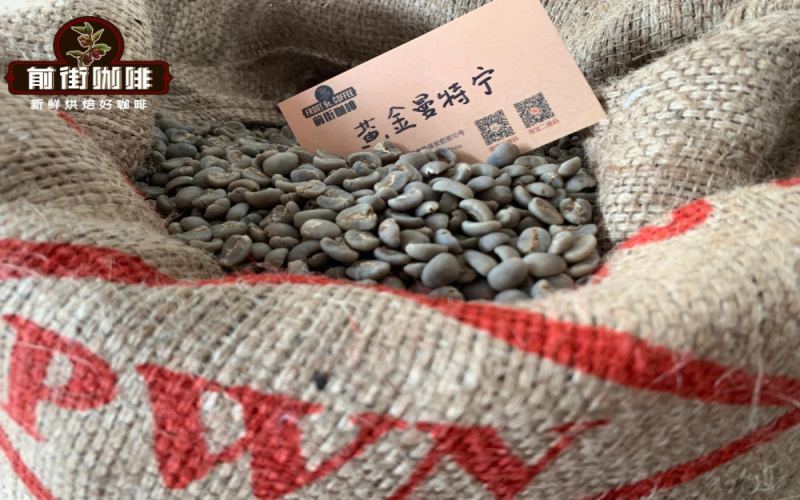
Indonesian Mandheling Pour-Over Guide: Flavor Characteristics of Wet-Hulled Processing and Brewing Parameter Analysis
Mandheling sits at the lowest end of the acidity spectrum in specialty coffee, and this distinctive mouthfeel is largely owed to Indonesia's unique wet-hulling process. Starting from Front Street's Mandheling pour-over method, this article systematically walks through the seven steps of wet hulling and their impact on flavor, and provides a detailed introduction to the growing region information, brewing parameters, and specific techniques for Front Street Indonesia·Golden Mandheling coffee beans. Whether you are a beginner just getting into pour-over or a coffee enthusiast eager to understand the intricacies of wet hulling, you will find practical references and inspiration here. [more…]
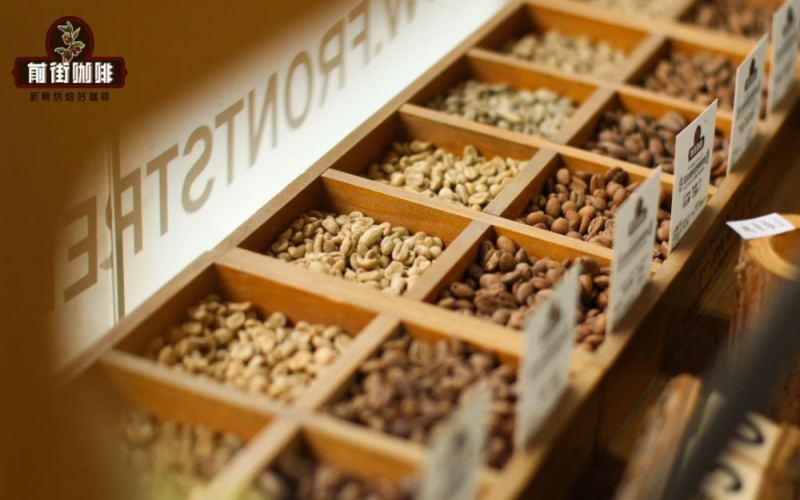
A Detailed Guide to the Four Main Types of Mandheling Coffee: The Flavor Codes of Lintong, Golden, Tiger, and Aged
Mandheling is the most iconic coffee from Sumatra, Indonesia, but did you know it actually comes in several types? Lintong Mandheling, Golden Mandheling, Tiger Mandheling, and Aged Mandheling—each has its own unique origin background, processing method, and flavor profile. The five Mandheling coffees offered by Front Street Coffee each have distinct characteristics, ranging from the classic herbal richness to the soft fruity acidity of natural processing, with differences far beyond imagination. This article will systematically sort out the origin of the Mandheling name, its classification logic, the characteristics of major producing regions, and how the wet-hulling method shapes its signature flavor, helping you truly understand a cup of Mandheling. [more…]
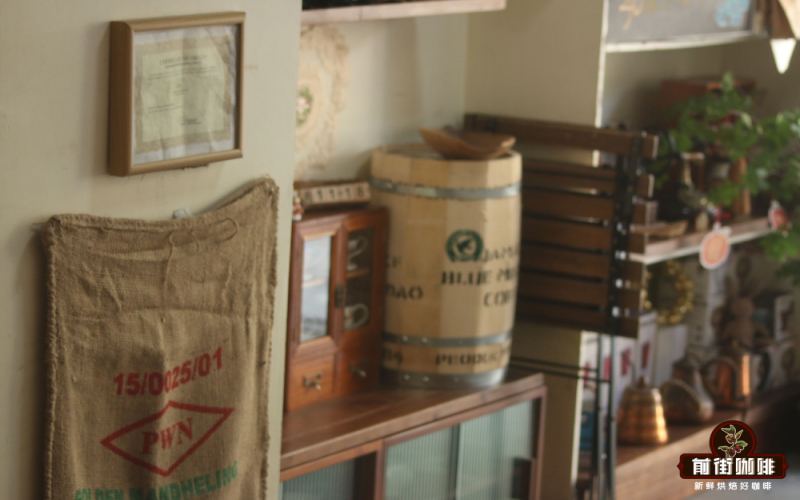
A Complete Guide to Indonesia's Wet-Hulled Process: From Mandheling Flavor Profiles to Roasting and Brewing in Practice
Wet Hulling is a green coffee processing method unique to Indonesian origins. In the local language it is called Giling Basah, and it is often regarded as a semi-washed method. It arose from Indonesia's humid, rainy environment, where sun-drying was difficult to sustain—coffee beans have their parchment removed early while still semi-dry, which not only creates the iconic "goat hoof" bean appearance but also gives rise to the distinctive flavor of Mandheling: low acidity, thick body, and a deep, muted aroma. In this article, Front Street Coffee will sort out the core differences between wet hulling and the washed method, break down the complete steps of depulping, soaking, two-stage drying, and wet-hull demucilaging, and, using PWN Golden Mandheling as an example, share a roasting curve and KONO dripper brewing parameters to give you a comprehensive understanding of the unique charm of Indonesian coffee. [more…]