







From fruit to green bean, coffee cherries must undergo a series of processing steps to remove the skin, pulp, mucilage layer, and parchment. The processing method directly determines the final flavor profile of the coffee. This article systematically reviews the operational procedures and flavor characteristics of common processing methods such as natural, washed, honey (semi-washed), wet-hulled, and anaerobic fermentation, compares their respective advantages and disadvantages, and explains why washed beans have bright acidity, natural beans have rich fruity aromas, and wet-hulled beans carry a distinctive woody spice note. At the same time, the article combines specific Front Street products such as Red Cherry Yirgacheffe, Gutingding, Lintong Mandheling, Xizhua, and Daduqi to demonstrate the flavor expression of different processing methods on actual coffee beans, helping readers build a complete understanding from processing method to flavor in the cup.
Coffee beans are essentially the seeds of coffee cherries, so the skin, pulp, mucilage layer, and parchment must be removed layer by layer before green coffee beans can be obtained. Green beans typically appear white, jade green, or yellow, and only turn dark brown after roasting. The above removal process is collectively called "processing," and different processing methods have a significant impact on the final flavor—this is the core topic of this article.
What are the main types of coffee processing methods?
Traditionally, the more common methods include natural, washed, semi-washed, and honey processing. In recent years, however, various innovative processing methods have emerged one after another to give coffee richer flavors, such as anaerobic fermentation, barrel fermentation, and enzyme treatment. The variety is vast and dazzling.
What is the principle of the natural processing method and the characteristics of the coffee beans?
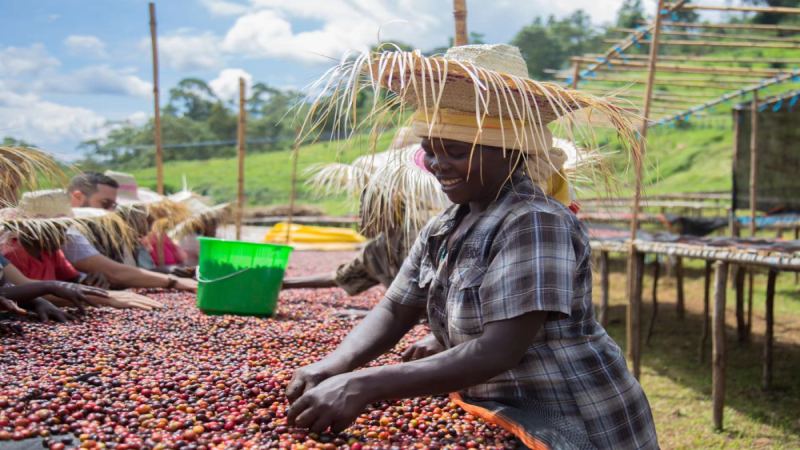
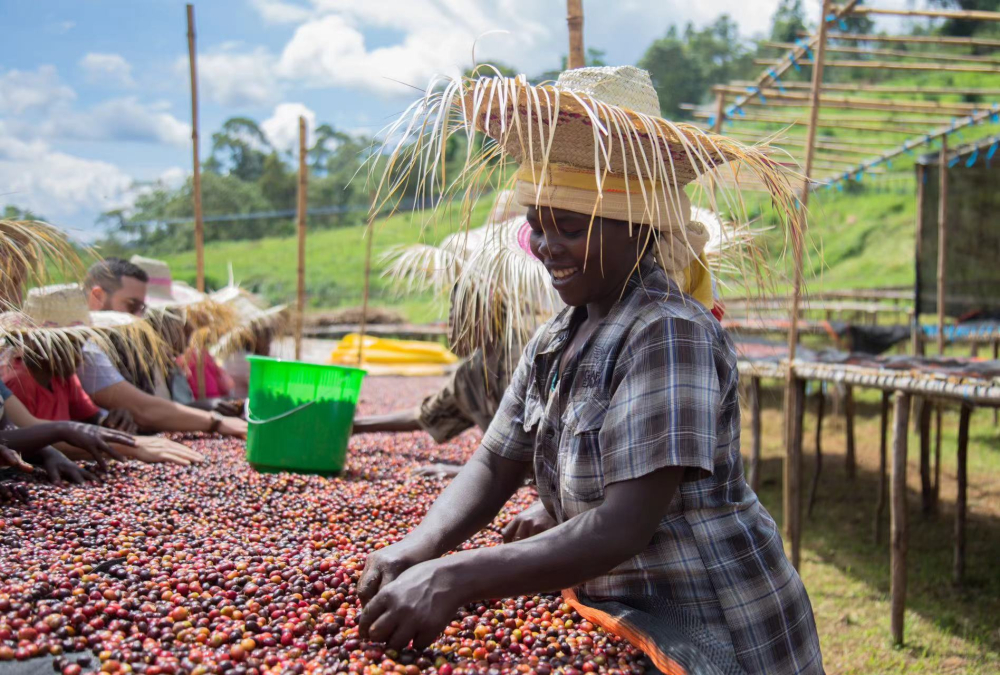
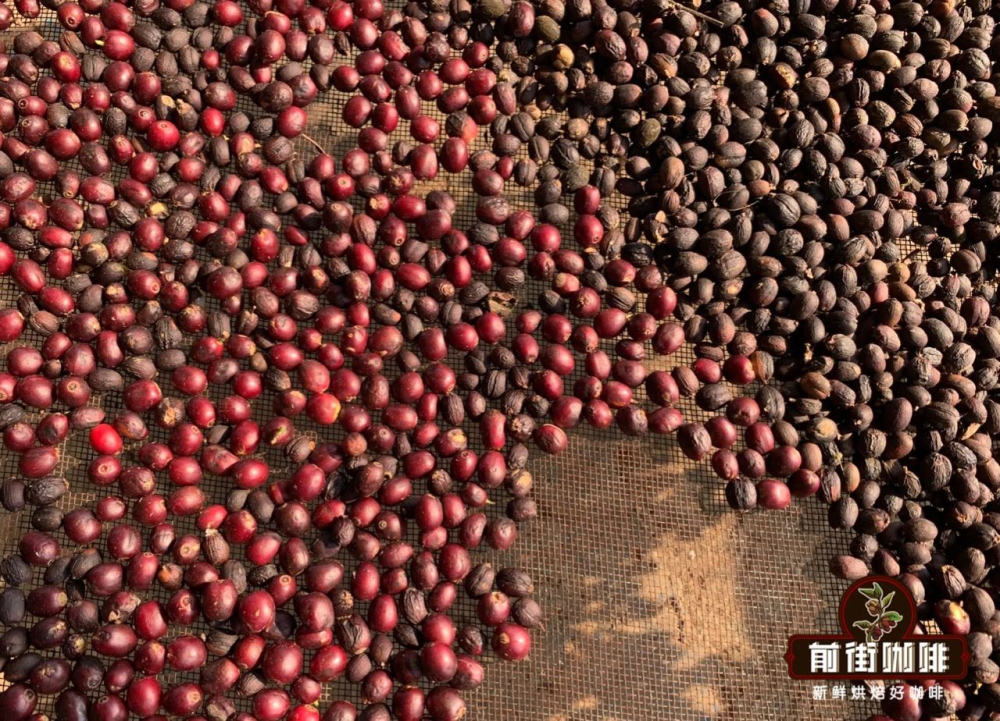
The natural method, as the name suggests, uses sunlight for drying. Ripe red coffee cherries are placed under the sun to dry for about a week, with the specific duration adjusted according to weather conditions. After the skin and pulp dry and darken, they are removed with a hulling machine, and finally defective beans are sorted out to complete the process.
The biggest advantage of this processing method is its low cost—after all, sunlight does not charge rent—and it is also the oldest and most traditional processing method. However, the natural method requires a sufficiently spacious area to spread the coffee beans for drying, and rainy regions are not suitable for adopting it. Another shortcoming is that because it is difficult to precisely control the drying degree of each bean, the proportion of defective beans in rough natural batches tends to be relatively high. In terms of flavor, the pulp undergoes a certain degree of fermentation during the natural process, so the finished product usually has richer fruity and winey aromas, while the acidity is relatively lower.
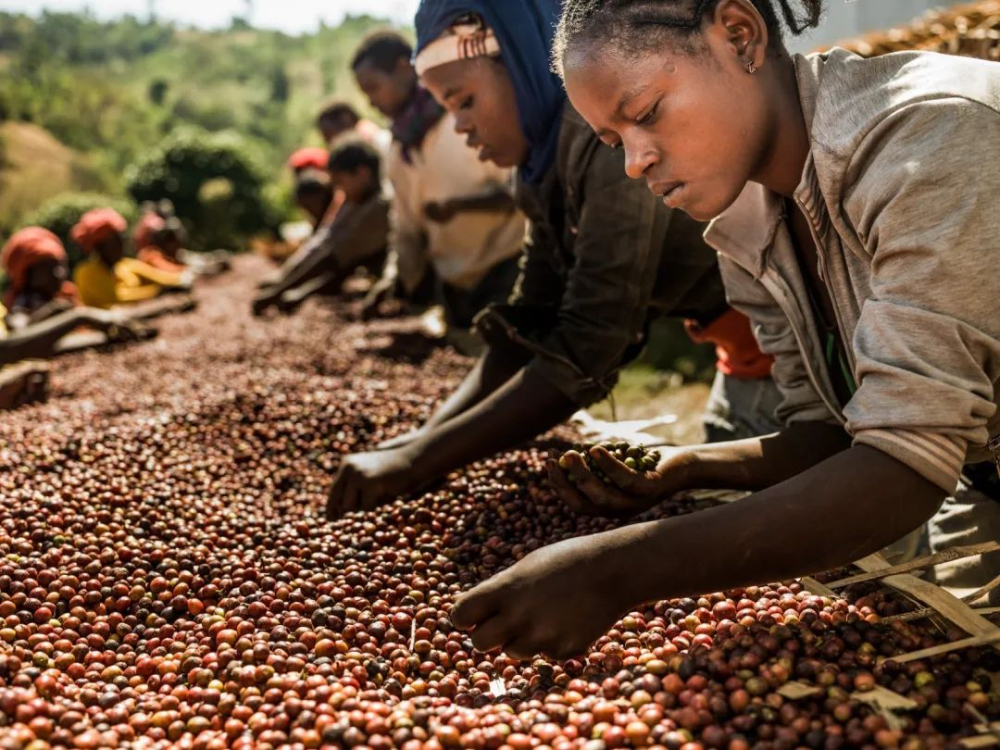
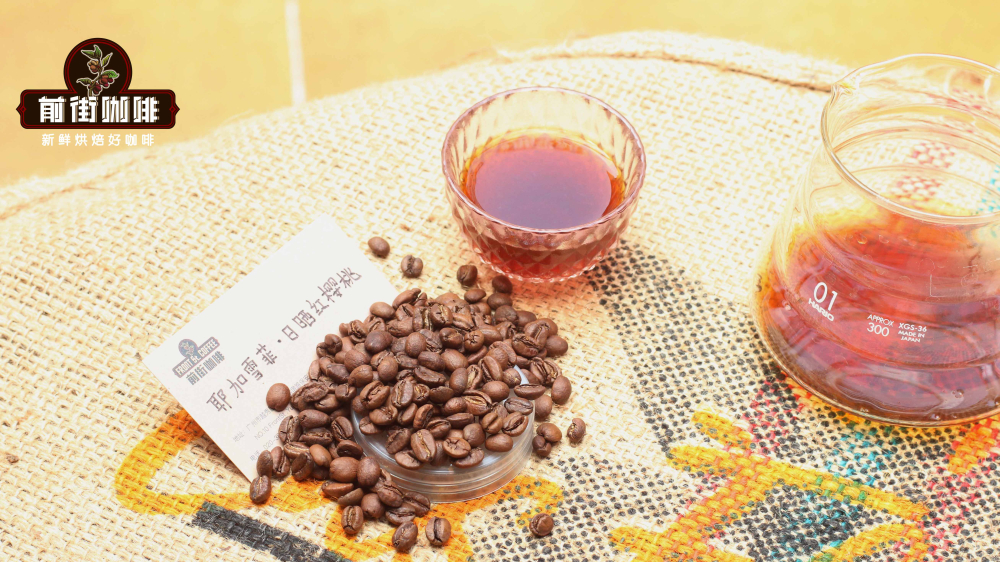
The Red Cherry coffee beans launched by Front Street are natural-processed Yirgacheffe, and their processing flow is more refined than traditional natural processing. Freshly picked red coffee cherries first undergo manual sorting to remove defective beans, overripe beans, and insect-damaged beans, retaining only high-quality fruit. They are then sent to a drying site for processing. Different regions use different drying facilities, including tarps and raised beds, among which African-style drying beds are the most common. The drying process usually lasts 27 to 30 days, until the coffee fruit turns dark purple and the moisture content drops to 11%. Natural Yirgacheffe has a more intense flavor, rich layering, a vinous fermented note, and more prominent sweetness.
People often say washed coffee beans have higher acidity and better cleanliness—what is the reason?
The washed processing method was originally created to solve the difficulty many regions faced in conducting natural processing due to insufficient sunlight. The first step of the washed method is to remove impurities mixed with the coffee cherries in a water tank, then use a pulping machine to strip off the skin and pulp, while the mucilage layer and parchment still remain attached. The beans are then placed in a fermentation tank to let microorganisms break down the mucilage layer. After decomposition is complete, they are rinsed with water and then dried. After drying, a hulling machine is used to remove the parchment, finally yielding coffee beans. Finally, defective beans also need to be sorted out.
The entire process—water tank, fermentation, washing channels, and so on—requires a large amount of water, hence the name "washed." The advantage of the washed method is that the process is highly industrialized and precise, with stable quality, a clean and clear mouthfeel, and relatively vivid fruity acidity. Because no pulp participates in fermentation during washing, the coffee beans retain more acidic aromatic substances such as malic acid and citric acid. In addition, washed coffee beans usually have more prominent floral aromas.
The multiple steps of the washed method can effectively remove bad beans, greatly reducing the proportion of defects and making quality more stable. Since there is no pulp wrapping during the drying stage, the flavor shows elevated acidity, higher cleanliness, and better highlights the flavor characteristics of a single origin. Therefore, if you want to understand the "taste of terroir" or "regional flavor" of a certain origin, Front Street recommends starting with its washed batch first.
Washing is a processing method that Front Street particularly favors, and dozens of coffee beans on the bean list use washed processing. If you want to experience the characteristics of washed beans, Front Street recommends an Ethiopian Yirgacheffe Gutingding coffee bean. Washed processing has changed Yirgacheffe coffee's previous impression of uneven quality, and medium-light roasting preserves Yirgacheffe's fresh citrus notes and elegant white floral aroma, with an overall bright and delicate flavor.
So what happens when natural and washed are combined?
This method does exist, and we call it semi-washed, also referred to in some contexts as honey processing. In semi-washed processing, impurities, skin, and pulp are first removed as in washed processing, but the mucilage layer is not removed by soaking. Instead, a mucilage remover is used to remove the mucilage, followed by sun drying. After drying, a hulling machine is used to remove the parchment. Finally, problematic green coffee beans are sorted out. Let us step back: if the mucilage remover is not used to remove the mucilage and the beans are instead taken directly for sun drying, this becomes honey processing! After drying, the mucilage and parchment are removed together with a hulling machine.
The key lies in the mucilage layer itself, because it is very sticky and similar in texture to honey, which is why it is called "honey processing"—not because any honey is added during the process. How much mucilage is retained during washing becomes the core factor determining the flavor differences in honey processing. If only about 10% of the mucilage is retained for sun drying, it is called "white honey processing," and the coffee has a clean mouthfeel close to washed. Retaining about 25% of the mucilage for sun drying is called "yellow honey processing," because the coffee beans appear yellow. Retaining about 50% of the mucilage is called "red honey processing." Retaining 100% of the mucilage for sun drying is "black honey processing." The more mucilage retained, the greater the processing difficulty and the longer the drying time required. Compared with washed processing, the flavor is richer, more complex, and more variable.
Is semi-washed also called wet-hulled processing?
The coffee cherry harvest season in Sumatra happens to coincide with the rainy season, which is quite troublesome, so the region developed a unique processing method. The early steps of wet-hulled processing are consistent with the washed method: Indonesians first remove the pulp from the coffee fruit, ferment it in water for 3 hours, wash off the mucilage, and then the parchment-covered green coffee beans are dried briefly for 2 to 3 days. When the moisture content drops to 20% to 24% and the beans are in a semi-soft, semi-hard state, the parchment is removed, and drying continues until the coffee's moisture content reaches 13%, at which point it can be bagged.
Because the hulling machine uses relatively strong friction to tear open the parchment layer clinging tightly to the green beans, the friction and mixing make the green beans more likely to be crushed or pinched, especially at both ends, forming small notches and creating "goat hoof" beans. The "naked beans" with the parchment removed dry extremely quickly, and at the same time are directly exposed to a humid environment, making them prone to breeding various microorganisms. This gives Indonesian coffee its unique woody, spice, and herbal notes—what we call "regional flavor."
I believe some friends are already curious about what the flavor of Southeast Asia is really like. If you have not yet tasted Mandheling coffee, Front Street suggests starting with a small-pack, wet-hulled Lintong Mandheling daily drinking bean. It presents the classic Mandheling flavor and is convenient to try at home.
I have heard of anaerobically processed and barrel-fermented coffee beans—what are those?
After reading the above introduction, you will find that the fermentation of the pulp, especially the mucilage layer, during processing has a profound impact on coffee bean flavor. Therefore, people began to think hard about this stage, and anaerobic processing and barrel fermentation are among the more common new processing methods.
Anaerobic processing places coffee beans that still have the mucilage layer after removing the skin and pulp into stainless steel tanks, removes oxygen, and retains only carbon dioxide, allowing anaerobic bacteria to help the coffee beans ferment in the tank for about 18 to 24 hours. Of course, each estate's methods and timing are adjusted slightly (not every estate has stainless steel tanks). This process requires close attention to the amount of mucilage, temperature, pressure, pH, and fermentation time to prevent flavor deviations.
Anaerobic processing can create coffee with extremely complex and diverse flavors. For example, the recently common anaerobic natural is equivalent to adding new elements on top of the traditional natural flavor, such as fermented notes.
Front Street Xizhua coffee beans and Front Street Daduqi coffee beans from the champion-producing Finca El Diviso use anaerobic natural processing. Through long fermentation with temperature control, the coffee gains richer ripe fruit sweetness and fermented aromas. Front Street Xizhua shows high sweetness of grapes, passion fruit, and dried fruit, while Front Street Daduqi has the unique flavor of blackcurrant juice and spices.
The above content is compiled by CoffeeHunters, a coffee news website.


