







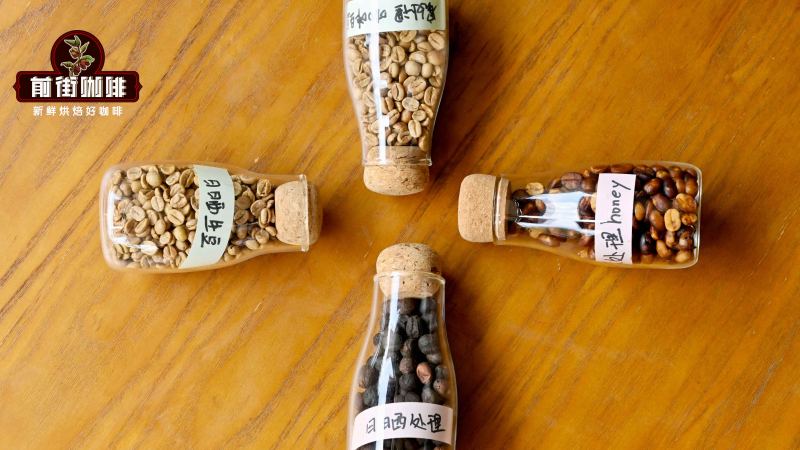
How do wet-hulled, pulped natural and honey coffee processing differ?
Beyond natural and washed, three intermediate coffee processing methods matter: Indonesian wet-hulled, Brazilian pulped natural, and Central American honey. Each grew out of local climate and water conditions. Wet-hulled beans are stripped of parchment at 30 to 35 percent moisture, while natural and washed lots keep the parchment until moisture drops near 12 percent.
The three methods separate clearly on acidity, sweetness, body, production risk, equipment cost, and water use. Beers such as Front Street Golden Mandheling, West Java Arumanis Estate, and Costa Rica Sumava Estate Black Honey Caturra show the difference in the cup. Coffee processing starts with the cherry and ends with green beans ready for export.
Coffee processing methods determine the flavor direction of green beans. Beyond the common natural and washed methods, there are three intermediate processing methods that fall between the two: Indonesian wet-hulled, Brazilian pulped natural, and Central American honey process. Each was born out of the climate and water resource conditions of its origin, presenting distinctly different performances in acidity, sweetness, and body. This article will break down the principles and procedures of these three processing methods one by one, and combine specific beans such as Front Street Golden Mandheling, Front Street West Java Arumanis Estate, and Front Street Costa Rica Sumava Estate Black Honey Caturra to explain how processing methods shape the flavors in the cup. Finally, a complete comparison of acidity, sweetness, production risk, equipment cost, and water usage is provided.
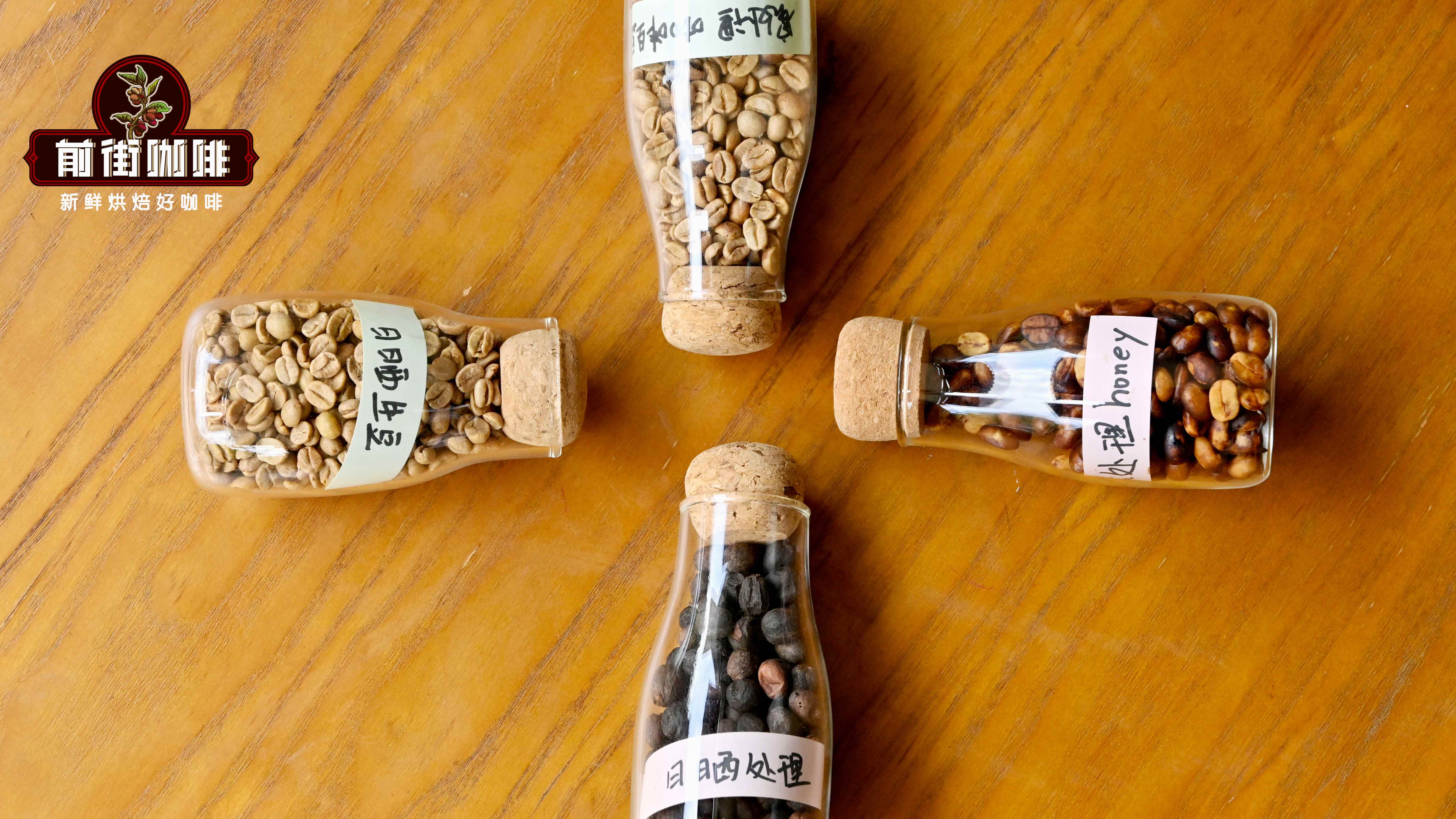
In Front Street Coffee's daily educational content, coffee processing is defined as the entire process of transforming coffee cherries into green coffee beans (i.e., seeds). In summary, there are mainly three paths: the natural method, the washed method, and the intermediate processing methods that fall between the two—covering semi-washed (wet-hulled), Brazilian pulped natural, and honey process.
The steps of the natural method are: selecting beans—drying—hulling—sorting and grading.
The washed method is: selecting beans—removing pulp—fermentation—washing—drying—hulling—sorting and grading.
"Wet-Hulled Method"
The wet-hulled method is widely used in Indonesia, and its operational logic is completely different from conventional washed and natural methods.
Whether washed, honey, or natural, the parchment layer of coffee beans is typically retained until the bean body has dehydrated and hardened, with moisture content dropping to around 12%, or after being sealed in storage for 1 to 3 months of aging before being removed.
The wet-hulled method takes a different path: while the bean body is still moist and soft, with moisture content still as high as 30% to 35%, the parchment layer is removed first, exposing the surface of the green bean directly, and then drying continues. This practice originated from the humid and rainy climate conditions of Sumatra, Indonesia, and is a locally adapted solution for accelerating drying. However, while the drying cycle is compressed, the fermentation time of the coffee beans is also shortened, so acidity is greatly reduced and body is correspondingly enhanced; moreover, because the beans are exposed to humid air, herbal and woody notes also develop. After roasting, caramel and fruity notes are prominent, which is precisely the unique "taste of place" of Mandheling.
Take this Front Street Golden Mandheling coffee bean as an example. It is processed using the wet-hulled method and has undergone three rounds of hand sorting plus one round of machine sorting, reducing the defect rate to an extremely low level, thereby making the coffee both clean and pure in taste.
Front Street Golden Mandheling comes from a hillside at an altitude of about 1,500 meters. The hot and humid tropical rainforest climate brings abundant rainfall, and the volcanic soil provides rich nutrients. However, due to year-round humidity, the estate uses the [wet-hulled method] to shorten drying time. When brewing, it is recommended to use a water temperature of 88 to 89 degrees, a grind size like granulated sugar, a Kono dripper, and a water-to-coffee ratio of 1:15. After a 30-second bloom, pour in one continuous stage. The resulting cup has obvious dark chocolate and creamy texture, with high cleanliness.
"Pulped Natural"
The quality of the natural method is difficult to control consistently, while the washed method consumes a shocking amount of water—on average, processing 1 ton of coffee cherries requires 10 to 20 tons of water, ultimately yielding only about 200 kilograms of coffee beans. Producing countries lacking water resources cannot bear such a burden. In the 1990s, Brazil, leveraging its uniquely favorable dry climate, invented the pulped natural method.
After multiple rounds of improvement, according to the version by the late Dr. Ernesto Illy, the pulped natural process is as follows: coffee cherries first pass through a water tank to remove defective floating cherries, then the skin, pulp, and part of the mucilage layer are removed, followed by washing for one hour. Because the immersion fermentation time is very short, the mucilage is not easily fully washed off, and some mucilage remains on the parchment. At this point, the sticky parchment-covered beans are spread out on a drying patio to dry, preferably using African raised beds with good breathability.
For example, this [Front Street West Java Arumanis Estate] uses the natural honey process. The estate ensures cherry consistency through hand picking. After picking, the outer skin is removed, and drying is carried out with the pulp retained, which is pulped natural. After about one month of sun drying, processes such as washing are carried out, and then the beans are stored for about half a month before packaging. The sole purpose of this series of operations is to create a more complex and fuller flavor.
"Honey Process"
After Brazil's pulped natural method was introduced to Central American countries such as Costa Rica and El Salvador, it was improved into the honey process.
The essence of the honey process is the production process of green beans dried with mucilage still attached. After the outer pulp of the coffee bean is removed, a sticky gelatinous substance remains on the surface. The traditional washed method uses clean water to wash it off, but some high-altitude origins, limited by water resources, gave rise to this method of drying directly with mucilage.
Honey-processed coffee has higher sweetness and higher sugar content than washed beans, and its body is also relatively more prominent (provided the comparison is made at the same roast level).
According to the thickness of mucilage removed, the length of drying time (or the thickness of the drying layer), and the frequency of turning during drying, the honey process can be further subdivided into black honey, red honey, orange honey, yellow honey, and white honey.
Classified by the thickness of mucilage removed:
Black honey: 80% of mucilage removed. Some estates' black honey process removes almost no mucilage, so drying takes the longest, requiring more than 14 days. During the process, to avoid drying too quickly, covers are used to block excessive sunlight, allowing sugar conversion to be more complete.
Red honey: 25% of mucilage removed (specific practices vary among estates), sun drying lasts about 12 days, and shade covers may also be used during the process.
Yellow honey: 40% of mucilage removed, exposed to maximum sunlight for drying, lasting about 8 days.
Some producing regions and estates distinguish them by drying thickness and turning frequency. For example, yellow honey and white honey, when both retain 20% to 30% mucilage:
Yellow honey: thick-layer drying, fewer turns, longer drying time;
White honey: thin-layer drying, more turns, shorter drying time.
For example, this [Front Street Costa Rica Sumava Estate Black Honey Caturra] from Sumava Estate: the estate owner Francisco Men preserves most of the original forest on the property, maintaining the estate's ecological balance, which gives the coffee beans here rich fruity notes and high sweetness. When brewing [Front Street Costa Rica Black Honey Caturra] with a V60, take 15g of beans, water-to-coffee ratio 1:15, grind size like granulated sugar, brew to 225g, and first bloom with 37g of water for 30 seconds. In the first stage, pour 120g with a medium flow to bring out the floral and berry notes of the front and middle sections; in the second stage, use a large flow to bring out a strong black tea sensation. When tasting, the tomato-like acidity is obvious, accompanied by soft berry acidity, retaining bright and delicate citrus acidity along with a deep raisin and nutty finish, with strong sweetness.
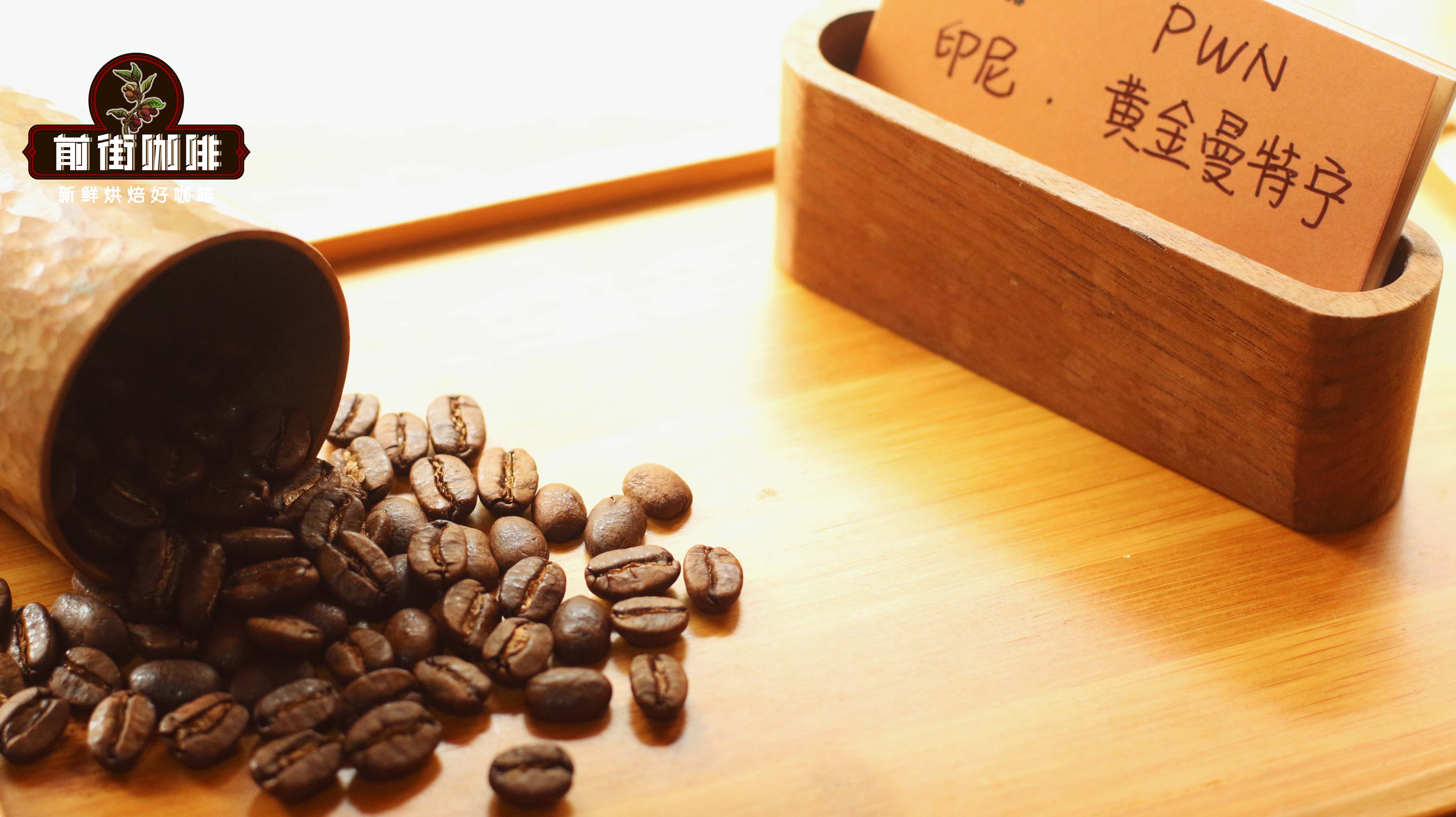
As the coffee market's pursuit of ultimate flavor continues to heat up, many experienced and capable practitioners have begun to control various details in the honey process to produce higher-quality coffee beans and showcase more possibilities of flavor. For example, instruments such as refractometers are used to determine the picking timing of ripe red cherries. Coffee with consistent ripeness tastes cleaner, and riper red cherries with higher sweetness can also enhance the coffee's sweetness. Riper fruit also increases fermentation aroma.
The honey process retains the cleanliness of the washed method—though not as bright as washed processing—while increasing sweetness and caramel mouthfeel.
Finally, the characteristics of various green bean processing methods are summarized as follows:
Acidity: washed > semi-washed > honey process > wet-hulled > natural
Sweetness: natural > honey process > wet-hulled > semi-washed > washed
Production risk: wet-hulled / natural > washed / honey process > semi-washed
Equipment cost: washed / semi-washed > honey process / wet-hulled > natural
Water usage: washed > semi-washed > honey process / wet-hulled
The above content is compiled by CoffeeHunters, a coffee news website.


