







Which Coffee Bean Processing Method Changes Flavor Most?
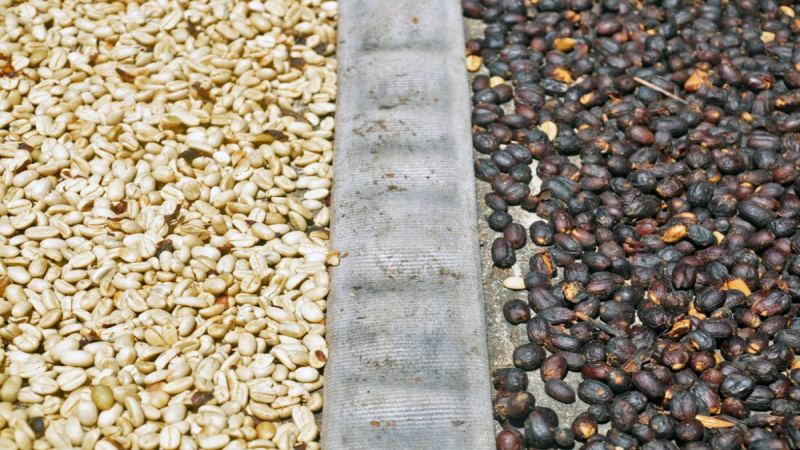
Washed, natural, honey, wet-hulled, and anaerobic fermentation each reshape sweetness, acidity, and body in the cup. Washed coffee uses large amounts of water and yields a clean mouthfeel, while the natural method relies almost entirely on drying the whole cherry, producing fuller body, stronger sweetness, and a more intense floral aroma from the same Yirgacheffe origin.
Honey processing comes in yellow, red, and black levels depending on how much mucilage stays on the bean, and Indonesia's wet-hulled method, known as giling basah, is rare outside that country. Anaerobic fermentation has gained ground in competitions, but every method carries trade-offs: natural lots risk uneven drying, and washed lots demand heavy water use and careful tank management.
Where exactly does the flavor of a cup of coffee come from? Beyond origin climate and variety, the processing method of coffee beans is also a key variable that shapes the flavor in the cup. From the most common natural and washed methods, to Costa Rica's signature honey processing, Indonesia's unique wet-hulled method, and the anaerobic fermentation favored by competitions in recent years, each technique quietly reshapes coffee's sweetness, acidity, and body. This article will use specific beans such as Yirgacheffe, Mandheling, and the Costa Rica Musician series as examples to outline the process flow and flavor tendencies of mainstream processing methods, helping coffee lovers understand the taste differences brought by different processing methods in the same origin, and also explaining the risks and limitations of each method.
The global coffee-growing belt is widely distributed, and for a plump, bright coffee cherry to transform into a beverage in the cup, it must go through a series of complex processing stages. Among them, the choice of processing method can be called the decisive step. Processing habits in different origins are not uniform. Take Indonesia as an example: the wet-hulled method commonly used locally is extremely rare in other regions of the world.
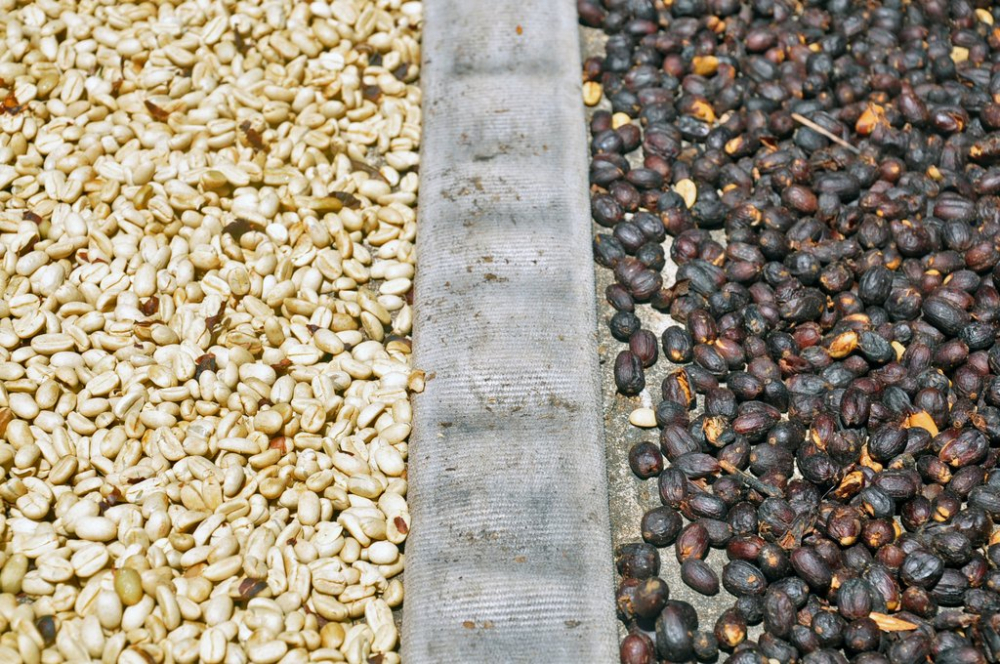
Why does Front Street repeatedly emphasize the importance of processing methods? The reason is that coffee flavor is not only constrained by innate conditions such as terrain and climate; processing technique is also a core variable in shaping the final flavor. Front Street might as well compare two coffees from its own bean list that both come from Yirgacheffe: one uses the traditional natural method, while the other is washed. If extracted separately using the same technique and brewing parameters, the washed Yirgacheffe presents an extremely clean mouthfeel, while the natural version appears fuller-bodied, with more prominent sweetness and a more intense floral aroma.
Although washed and natural both belong to the three basic processing methods, their process paths are very different. Front Street Coffee briefly summarizes them as follows: the washed method consumes a large amount of water, while the natural method relies almost not at all on water. The first step of the washed method is to pour the coffee cherries into a tank or bucket, using buoyancy to remove unripe cherries and impurities such as wood chips, then use a depulper to remove the skin and pulp, and then soak the parchment coffee with mucilage still attached in water to ferment for about eighteen hours. After the mucilage decomposes, it is washed again before entering the drying stage.
The natural method is much more direct: after removing defective cherries, the skin and pulp are retained and the whole fruit is spread out to dry. When the moisture content drops to about 11%, the skin and pulp are then removed and the beans are stored. The special processing methods of many countries are essentially derived from these two basic techniques.
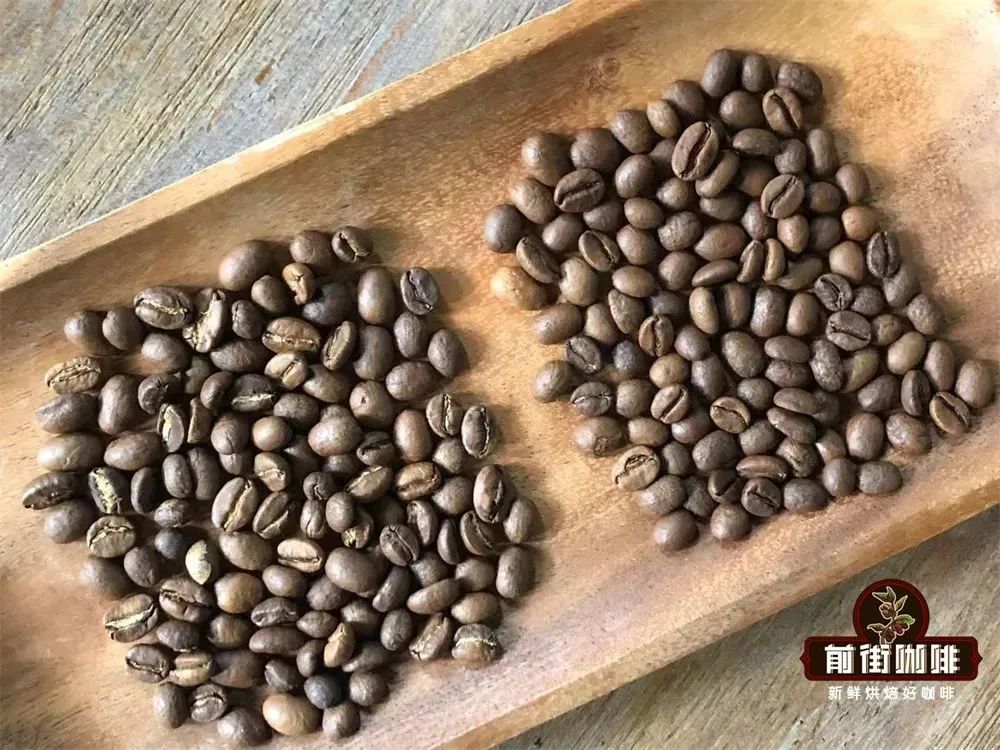
Take Brazil as an example. Locally, a semi-natural method was developed on the basis of the natural method: after removing the skin and pulp, the beans are placed in a water tank and washed for about one hour. Because the time is relatively short, mucilage still remains on the surface of the green beans, and they are then directly dried. Semi-natural is suitable for regions short of water, but Front Street has learned that this method can also easily cause beans to spoil and pick up off-flavors.
In addition to washed and natural, the third major processing method is honey processing. This method is especially common in Costa Rica. Its flow is similar to the natural method—first remove the coffee fruit, but retain the mucilage, skip water fermentation, and dry directly with the mucilage still on. Sugar continuously penetrates into the bean body, so the finished product's sweetness is especially pronounced.
On Front Street's bean list there is a Costa Rica Musician series Bach coffee bean that uses honey processing, but it also has an extra step, so accurately speaking it should be called raisin honey processing. Why is it given the name "raisin"? According to Front Street's understanding, this bean is first dried directly with the whole fruit retained. After drying, the skin and pulp are removed, and then it is dried a second time with the mucilage still on. The whole process is like raisins slowly dehydrating in nature, hence the name.
Another special processing method is the Indonesian wet-hulled method mentioned by Front Street at the beginning. The local environment is humid. If the natural method were used, the beans would very easily become moldy during drying. So Indonesian coffee farmers first dry the beans after removing the skin and pulp. At this point the green beans still have high moisture content, so the parchment is removed by machine, and then they are dried again to bring the moisture content down to about 12% to 13%, completing the process.
Because the beans are still semi-dry when the parchment is removed, the parchment is not easy to strip off, and the bean body is easily compressed, so goat-foot beans often appear. This is also where the name wet-hulled comes from. Front Street also learned that it is precisely this technique that gives Indonesian Mandheling its unique flavor—when handled properly, it can present low body and the character of Mandheling; when handled improperly, it very easily develops a moldy, earthy taste.
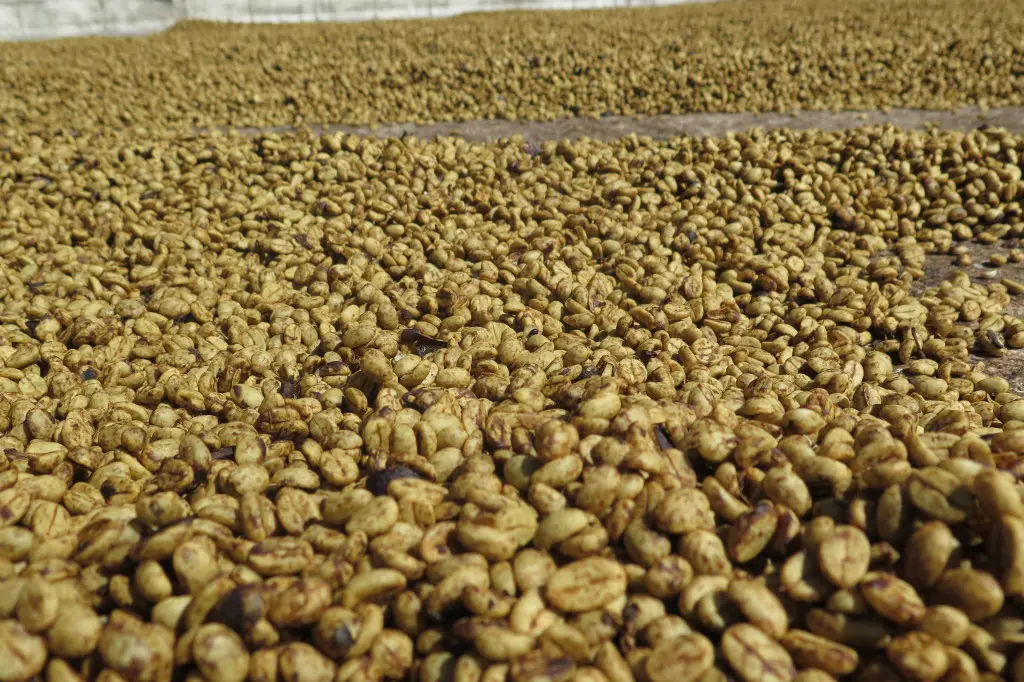
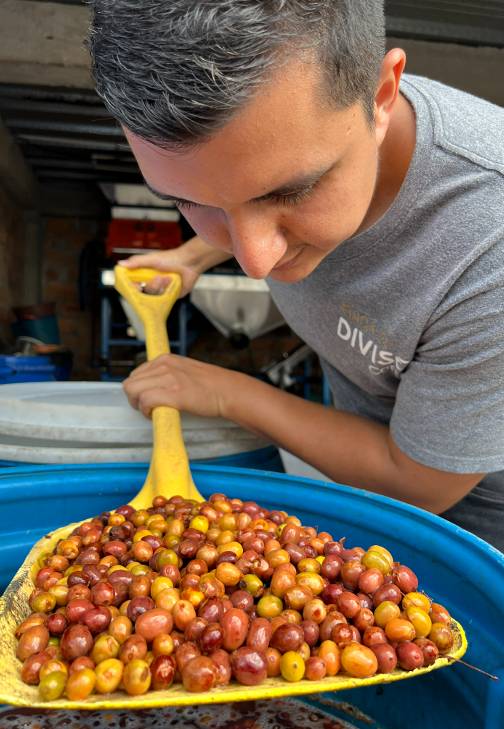
Another method increasingly used today is anaerobic enzyme processing. The Colombia Rose Valley coffee launched by Front Street uses anaerobic fermentation. Freshly harvested coffee cherries with defects removed are placed directly into sealed fermentation tanks and fermented at a low temperature of 10 to 15 degrees Celsius. The anaerobic environment plus low temperature inhibits microbial activity, and the breakdown rate of mucilage sugars slows accordingly. After more than three days of anaerobic fermentation, the fruit in the tank is then dried in the sun. After drying is completed, the skin and pulp are removed, and it can be stored.
Anaerobic fermentation has developed rapidly in the coffee world in recent years. Among the top six contestants in the 2018 WBC competition, five used anaerobic fermentation processing. Front Street believes this is enough to show the uniqueness of this technique.
The fermentation process in traditional processing methods has many variables and is relatively difficult to control, so the risk is naturally high. Anaerobic fermentation, however, can not only control parameters such as time, temperature, and PH, but also bring flavors and mouthfeels that traditional processing methods cannot achieve, thereby reducing risk. However, anaerobic fermentation technology is not yet fully mature and still requires continuous exploration.
For more specialty coffee beans, please add the private WeChat Front Street Coffee (FrontStreet Coffee), WeChat ID: kaixinguoguo0925
The above content is compiled by CoffeeHunters, a coffee news website.


