







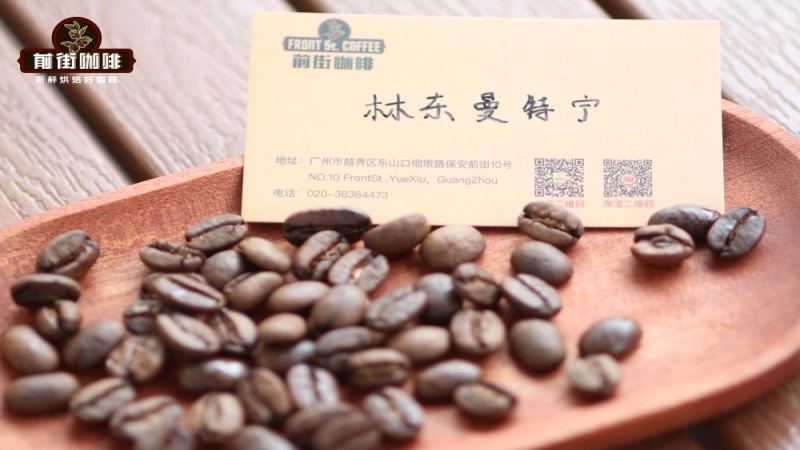
How Does This Java Variety Coffee Differ From Wet-Hulled Mandheling?
Mandheling is usually linked to the wet-hulled process and its herbal, dark chocolate notes. Wahana Estate in North Sumatra has taken a different route with natural processing, producing a Mandheling with a distinct flavor direction. The estate was established in 2005 and covers about 500 hectares near LeaMungkur Village in the Sidikalang district.
Growing conditions support that shift. The estate sits at 1,200 to 1,500 meters with 2,000 to 3,000 millimeters of annual rainfall, a relatively cool climate, and day-night temperature swings above 10°C, so red cherries often exceed 13% sugar content. Thirty hectares are set aside for coffee breeding.
When people mention Mandheling, most first think of the full-bodied herbal and dark chocolate notes brought by the wet-hulled process. However, in Sumatra, the Wahana Estate has reshaped the flavor profile of Mandheling through natural processing. This article will guide you through the growing conditions and variety composition of Wahana Estate, outline the complete processing flow of natural Mandheling, and compare it with traditional wet-hulled Mandheling in terms of brewing parameters and taste performance. At the same time, Front Street Coffee will also share the importance of fresh roasting for coffee flavor, as well as practical advice for daily brewing, to help you gain a more comprehensive understanding of this unconventional Mandheling.
People often ask, if you don't like acidity, what coffee is worth trying? Front Street Coffee usually recommends options with a balanced style or a full body, such as Brazil, Bird of Paradise, Mandheling, and Blue Mountain. Mandheling is always associated in people's minds with herbal notes and a rich, heavy texture, but you may not know that it also has a completely different flavor direction that is enough to refresh your perception.
Traditional Mandheling coffee uses the wet-hulled process, which creates its highly recognizable flavor profile. So, can Mandheling also be processed naturally? Today Front Street Coffee will talk about another processing path for Mandheling and its flavor performance.
Wahana Estate
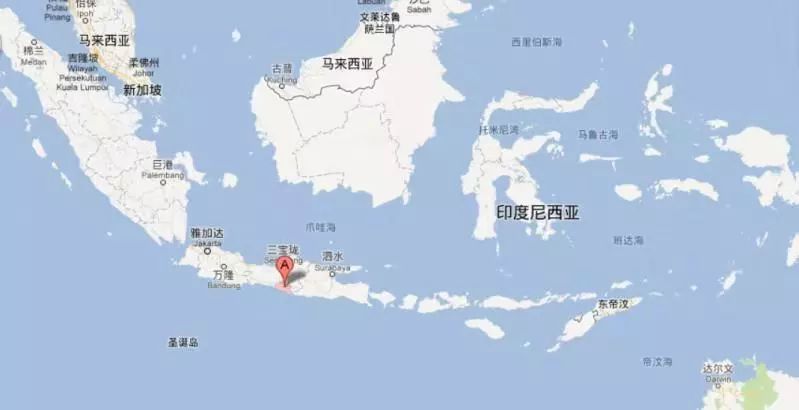
Sumatra Mandheling coffee generally uses the wet-hulled process, while the one attempting natural processing is Wahana Estate. Front Street Coffee also purchased natural Mandheling in 2020. Wahana Estate was established in 2005, covers about 500 hectares, and is located near LeaMungkur Village in the Sidikalang district of North Sumatra, Indonesia, and Sidikalang has long been one of Indonesia's well-known coffee-producing regions. The estate is located at an altitude of 1,200 to 1,500 meters, with annual rainfall of 2,000 to 3,000 millimeters, a relatively cool climate, and a day-night temperature difference that can exceed 10°C. Thanks to this, the sugar content of red cherries produced by Wahana is generally above 13%.
Wahana Estate has also set aside 30 hectares of land for coffee breeding to increase the yield of single-origin coffee in large-scale cultivation. New seedlings are first cultivated in sandy seedbeds for 3 months, then moved into seedling plastic bags to grow for 7 to 8 months. After that, the coffee seedlings are planted in divided cultivation areas and carefully marked for future variety identification.
The varieties of Sumatra Mandheling are mainly Typica, and also include Bourbon, Ateng, or blends with Catimor, Lini, and others. The local seedlings currently planted at Wahana Estate include: Long Berry from Aceh, Toraja from Sulawesi, Rasuna from Sumatra, S795 and dong Sari from Java. International nursery varieties include Villa Sachi from Costa Rica, Caturra from Costa Rica, Cattuai from Costa Rica, and Typica from Colombia.
In order to produce high-quality North Sumatra coffee, Wahana Estate plants shade trees on the farm and uses organic fertilizer (compost), promoting sustainable agriculture. The estate isolates different coffee varieties through plot division and harvests them separately to fully unleash the potential of each variety. In addition, only red cherries are picked and then processed separately.
In 2006, Wahana Estate launched a new coffee project, namely producing natural Mandheling. Traditional Mandheling always uses the wet-hulled processing method, that is, first removing the skin and pulp, briefly washing and fermenting, then only undergoing an extremely short drying period of one to two days, and after the moisture content of the green beans drops to 30% to 50%, they are transported down the mountain to a processing plant for finishing.
In the autumn of 2008, the refining processing plant was completed. At first, conventional Mandheling was still the main product, but Wahana had always hoped to make a different Mandheling, so it started the production plan for natural Mandheling. Initially, the estate used a semi-open space with skylights for drying, attempting to make 100% natural Mandheling, but the drying period was seriously affected by the humid climate, and quality stability was not ideal. Eventually, the processing flow was adjusted to natural sun drying in the early stage plus machine drying in the later stage, refining Wahana's unique natural Mandheling flavor in this distinctive way.
Natural processing method:
Front Street Coffee believes that the natural processing of Mandheling is slightly different from the natural methods of other producing countries, and the root cause lies in differences in local climate conditions. Mandheling natural processing first requires manually removing defective beans as well as underripe or overripe fruits. Then the coffee cherries are evenly spread on the drying yard and turned several times a day. The drying process usually lasts 2 to 3 weeks, depending on local weather, and Indonesia's humid and rainy climate often extends this time further. When the internal moisture content of the coffee beans drops to 11% to 13%, the natural drying step is complete. After drying, the outer shell of the fruit has hardened, and it only needs to be removed with a huller.
Front Street Coffee believes that the natural processing method is quite challenging locally in Indonesia. Indonesia's climate is hot and humid, and the drying time is difficult to control consistently, and it is precisely this factor that gave rise to the highly local wet-hulled method. However, most Mandheling coffee on the market still uses wet-hulled processing, and the emergence of natural Mandheling gives consumers an option for a change of taste. Although Front Street Coffee has also purchased natural Mandheling before, Front Street Coffee believes that the wet-hulled method better reflects the flavor characteristics of local coffee and better highlights the personality of Mandheling coffee, so Front Street Coffee has always purchased wet-hulled Mandheling coffee beans.
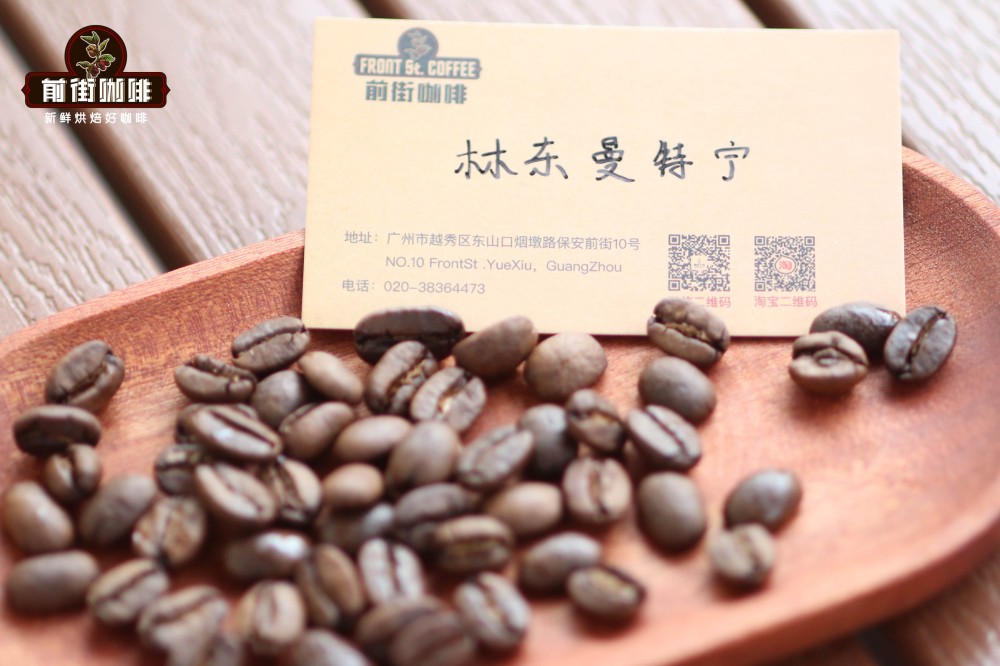
How should natural Mandheling be brewed to taste good? Is it the same as wet-hulled? Front Street Coffee will explain: traditional Mandheling uses the wet-hulled process and is usually dark roasted; while natural Mandheling coffee uses a medium-light roast, so there are also differences in the choice of brewing equipment.
Front Street Coffee wet-hulled Mandheling brewing parameters:
Kono dripper, water temperature 88°C, 15 grams of coffee, coffee-to-water ratio 1:15, medium-fine grind (70% passing through a No. 20 sieve).
Front Street Coffee natural Mandheling brewing parameters:
Wahana Estate natural Mandheling coffee uses a light roast. It is recommended to use a V60 dripper, water temperature about 91°C, coffee-to-water ratio 1:15, 15g of coffee, and a finer grind than Lintong Mandheling, BG#6S (80% passing through the Chinese standard No. 20 sieve), in order to extract richer layered flavors.
[Lintong Mandheling Coffee Flavor] The entry has a rich herbal aroma, dark chocolate, caramel, and a sweet finish.
[Wahana Estate Natural Mandheling Coffee] The entry has the sweet-and-sour taste of tropical fruits, obvious fermented aroma, and a smooth mouthfeel.
FrontStreet Coffee Brewing Suggestions
Of course, to brew a good cup of coffee, the freshness of the beans is crucial. Front Street Coffee recommends using freshly roasted coffee beans for brewing, so that you can experience the rich flavors of coffee to the greatest extent. The coffee beans shipped by FrontStreet Coffee are all products within 5 days of roasting, because Front Street Coffee deeply understands the huge impact of freshness on flavor. Front Street Coffee's roasting principle is "freshly roasted good coffee," so that every customer who places an order can receive the freshest beans when the coffee arrives. The coffee resting period is about 4 to 7 days, so when customers receive it, it is exactly at the stage of best flavor.
Of course, some customers need Front Street Coffee to help grind the coffee, which is no problem, but Front Street Coffee wants to remind you: once coffee beans are ground in advance, there is no need to rest them anymore, because during transportation the pressure generated by carbon dioxide inside the package can also make the coffee flavor smoother, so you can brew a cup immediately after receiving the ground coffee. However, ground coffee needs to be brewed as soon as possible, because after contact with air it oxidizes faster and loses flavor more quickly, so the coffee performance will not be as ideal. Therefore, Front Street Coffee recommends buying whole beans and grinding fresh before brewing, so you can better taste the coffee flavor.
For professional coffee knowledge exchange and more coffee bean information, please follow Coffee Workshop (WeChat public account cafe_style)
For more specialty coffee beans, please add the private WeChat of FrontStreet Coffee, WeChat ID: qjcoffeex
The above content is compiled by CoffeeHunters, a coffee news website.


