







Search Results for: Water Blending Concentrate

Coffee Brewing Water Blending, Paragon Ice Ball, and Tasting Cup Stacking Effect Test: Front Street Coffee Huakui Blind Test Comparison
When brewing coffee, water quality, cooling methods, and tasting cup types are often treated as independent variables, but can combining all three lead to more significant sensory improvements? Front Street Coffee designed a controlled experiment using Huakui beans as samples: one group used regular mountain spring water, no ice ball, and a standard espresso cup, while the other used a custom water concentrate, a Paragon ice ball, and an aromatic tasting cup, with completely identical brewing parameters. Through concentration measurements and blind tasting, the actual contributions of these tools at different stages were verified. This article documents in detail the TDS control of the custom water concentrate, the cooling mechanism of the Paragon ice ball, and the aroma-concentrating effect of the tasting cup, and invited colleagues and customers to participate in a blind selection. The final results were highly consistent, providing coffee enthusiasts with a reproducible reference for combined techniques. [more…]

Analysis of Espresso Tasting Methods and Recommendations for Blend Beans Suitable for Making Espresso
Espresso is the soul of the Italian coffee system—a single small cup can concentrate the essence of a region's flavors. Drawing on the production experience of Front Street Coffee, this article systematically explains the correct way to taste espresso—from cleansing the palate to drinking it down in one go—and provides an in-depth analysis of why espresso requires a blend rather than a single-origin bean. It details the recipe concepts and flavor profiles of Front Street Sunflower Warm Sun espresso beans (Honduras Sherry 6 : Yirgacheffe Red Cherry 4), the Nut Chocolate flavor blend (Yunnan 3 : Brazil 7), and the commercial espresso blend (Colombia 3 : Brazil 6 : Robusta 1), helping coffee lovers find the espresso beans that suit them. [more…]
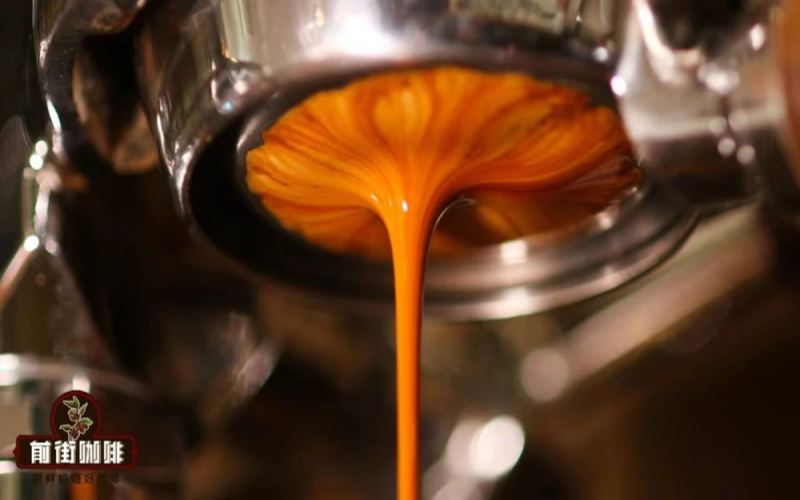
Analysis of the Causes of Espresso Channeling and Distribution and Tamping Techniques to Avoid Uneven Extraction and Burnt, Bitter Flavors
Espresso serves as the foundation of all Italian-style coffee, capable of amplifying a bean's strengths while exposing its flaws without reservation. Many baristas and enthusiasts are often troubled by negative flavors such as burnt bitterness and astringency, and these issues are frequently linked to channeling during the extraction process. Channeling occurs quite often and has a notably significant impact on the taste of espresso. From the perspective of Front Street, this article first discusses what kind of coffee beans are suitable for espresso, then explains what channeling actually is, and finally provides specific optimization techniques for distribution and tamping. As long as distribution and tamping are done solidly, making a satisfying and delicious espresso becomes much easier. [more…]
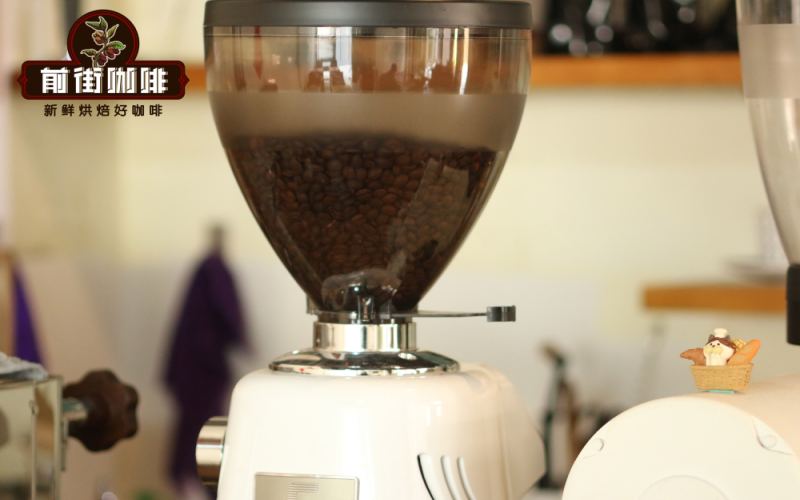
A Complete Analysis of Coffee Bean Blending: The Flavor Design Logic of Espresso Blends and a Comparison of Four Front Street Coffee Products
Blending coffee is not simply mixing several kinds of beans together at random; rather, it is the blender using their understanding of flavor to let different coffee beans complement each other, achieving a more balanced and stable taste. This article starts with the basic concept of blending, explaining why blending is not simple addition, and also discusses how, under specialty coffee standards, blended beans can equally become specialty coffee. The article focuses on the four purposes of Front Street Coffee's blended coffee production and four medium-dark roast espresso blend products, including recipes, prices, and flavor descriptions, and explains why blending is mostly aimed at espresso, as well as the significance of post-roast blending methods and shipping after roasting for flavor stability. [more…]
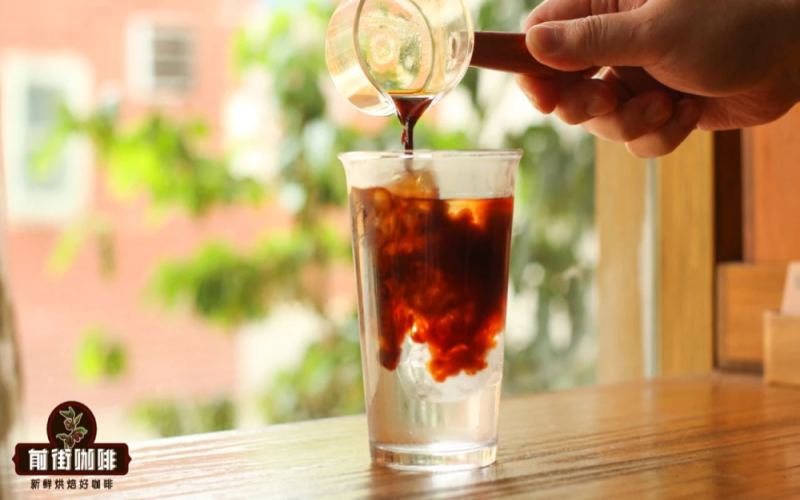
American Coffee Bean Recommendations | Which Coffee Beans Make American Black Coffee Not Sour? Should Pour-Over Coffee and American Coffee Be Drunk Hot or Cold?
This article is a Americano brewing tutorial from Front Street Coffee (FrontStreet Coffee). Before the article begins, let me first explain what espresso is, what Americano is, what pour-over is, and what black coffee is. Espresso refers to the concentrated liquid extracted by an espresso machine, most [more…]
Coffee blend bean plans | What is the difference between single-origin pour-over beans and espresso blend beans? How do you determine the types of espresso blend coffee beans and the blending ratio?
What are blended coffee beans? What is the blending ratio for Front Street Coffee's espresso beans? Which beans are best for blended coffee beans? Recently, a friend asked Front Street Coffee: "Are all coffee beans suitable for making espresso?" No~ not all [more…]
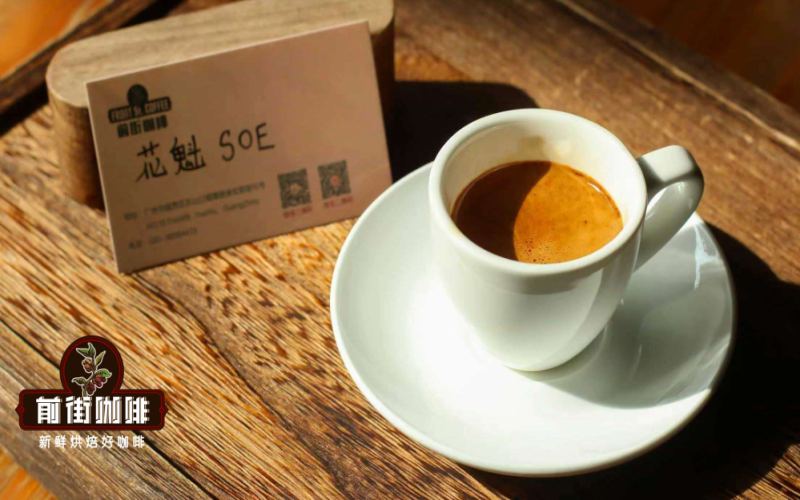
Coffee blend bean planning | What is the difference between single-origin beans for pour-over and espresso blend beans? How do you determine the types of espresso blend coffee beans and the blending ratio?
What are blended coffee beans? What is Front Street Coffee's espresso blend ratio? Which beans are best for blended coffee beans? Recently, a friend asked Front Street Coffee (FrontStreet Coffee): "Are all coffee beans suitable for making espresso?" No~ not all [more…]

What are the characteristics of espresso blend coffee recipes? Can specialty blend beans be used for pour-over brewing?
Blending coffee is not simply mixing different beans together; rather, it relies on the blender's understanding of flavor to let coffee beans from various regions complement each other's strengths and weaknesses, presenting a more balanced and enchanting taste. Based on the four goals of balanced taste, cost reduction, showcasing characteristics, and stable flavor, Front Street Coffee has launched four Italian-style medium-dark roast blends. So, can these blends designed for espresso also be used for pour-over? This article will analyze the formulation approach of blended coffee, the specific composition of the four Front Street products, and explain in detail how grind size, water temperature, and pouring method should be adjusted when using medium-dark roast blends for pour-over. [more…]
Ceylon Black Tea Brewing Tips: Master the Tea-to-Water Ratio, Temperature, and Time to Say Goodbye to Bitter Taste
Ceylon black tea is renowned for its rich, robust flavor, but improper brewing can easily produce a bitter and astringent taste. This article provides a detailed analysis of the flavoring processes for Ceylon black tea, including internal substances, natural extraction, artificial flavorings, and smoking methods, and introduces classic flavored black teas such as Earl Grey, ginger, cinnamon, and Masala. At the same time, drawing on the practical experience of Front Street Coffee, we share the key parameters for brewing Ceylon black tea—the tea-to-water ratio, water temperature, and time—to help you easily brew a cup of good tea that is neither bitter nor astringent and full of aroma. Whether you are a black tea enthusiast or a beginner, these practical tips can take your tasting experience to the next level. [more…]

A Comprehensive Analysis of Cold Brew Coffee and Iced Latte: Origins, Recipes, Brewing Tips, and Flavor Comparison
Cold brew coffee and iced latte are the two most popular coffee drinks in summer. The former showcases the pure flavor of black coffee through low-temperature slow extraction, while the latter brings a silky mouthfeel through the fusion of espresso and milk. This article will start with the origin story of cold brew coffee, introduce its production method and flavor characteristics in detail, then gradually break down the composition, extraction parameters, and blending techniques of iced latte, and share how to improve drink quality by selecting beans, adjusting the milk-to-coffee ratio, and paying attention to operational details. The article also specifically combines the practical experience of Front Street Coffee to recommend coffee beans and specific recipes suitable for making cold brew and iced latte, helping coffee enthusiasts easily replicate professional-level flavors at home. [more…]
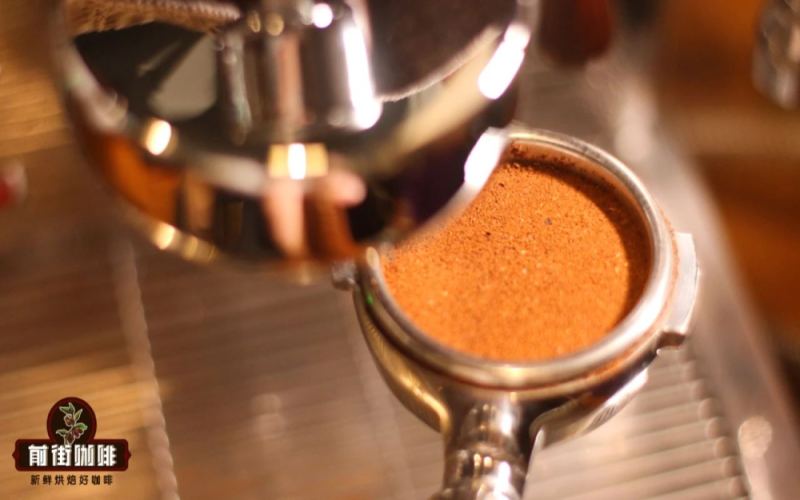
Master the Four Key Details of Espresso and a Flavor Analysis of Four Front Street Coffee Blend Beans
Espresso is the cornerstone of the Italian coffee system. A cup of Espresso may look simple, but in reality every step from dosing to extraction hides its own subtleties. Drawing on years of hands-on experience, Front Street Coffee has sorted out four core details that cannot be overlooked when making espresso: drying the portafilter basket, distributing the grounds evenly, tamping level, and extracting quickly, and it points out the mistakes that easily occur at each stage along with the corresponding solutions. At the same time, the article also introduces the blending approach behind Starbucks Espresso Roast beans, and shares in detail the recipe ratios, roasting direction, and flavor characteristics of four espresso blend beans under Front Street—Specialty Blend, Commercial Blend, Basic Blend, and Sunflower Warm Sun—to help coffee enthusiasts and café owners choose the espresso beans that suit their own needs. [more…]

The Benefits of Black Coffee and How to Make It: A Flavor Guide from Americano to Latte
Original coffee is black coffee without sugar or milk, covering a variety of categories such as pour-over, cold brew, and Americano. Among these, Americano is made by diluting espresso with water and places high demands on bean quality and extraction technique. This article explains in detail the differences between Americano and latte, Front Street Coffee's brewing parameters, and how to choose suitable beans based on roast level to balance bitterness and acidity. It also explains the benefits of drinking black coffee in moderation, such as aiding digestion and cutting greasiness, reducing bloating, and boosting metabolism, while reminding readers that adding syrup or non-dairy creamer brings extra calories, and recommending no more than three cups per day. [more…]

More Than Starbucks: A Guide to American Black Coffee's Flavor Profile, Brewing Logic, and Bean Selection
Americano is the starting point for many people's journey into freshly ground coffee, and it is often regarded as one of the more affordable choices on the Starbucks menu. It seems simple—espresso plus water—yet it involves extraction parameters, bean blending, and flavor balance. This article begins with why Americano became so popular, explaining that it is quick to serve, cost-effective, low in calories, and has a certain refreshing and diuretic effect, then returns to the historical origins of Americans diluting espresso with water during World War II. It then breaks down Starbucks' serving method and the flavor differences among various beans, and offers selection advice for home use and shop openings centered on Front Street Classic Blend, Dark Cocoa Blend, and Strawberry Candy espresso, finally including reference extraction ratios and preparation steps. [more…]

Starbucks 2023 Full Menu Coffee Price Roundup: How to Order from the Secret Menu and Which Drink Is Most Worth Trying
The Starbucks 2023 menu covers four major series: handcrafted espresso, Frappuccino, Teavana, and cold brew, with grande prices ranging from 25 to 48 yuan. This article compiles the complete price list for each series and explains the essence of the secret menu—it is not an official offering, but rather customized adjustments to flavors and ingredients based on regular drinks. The article also summarizes popular orders such as cold brew with cream, oat milk black tea espresso latte, and vanilla cream iced Americano, while reminding readers that seasonal limited-edition ingredients may be out of stock and that good looks do not equal good taste. At the end, Front Street Coffee brand recommendations and communication channels are included for coffee enthusiasts' reference. [more…]
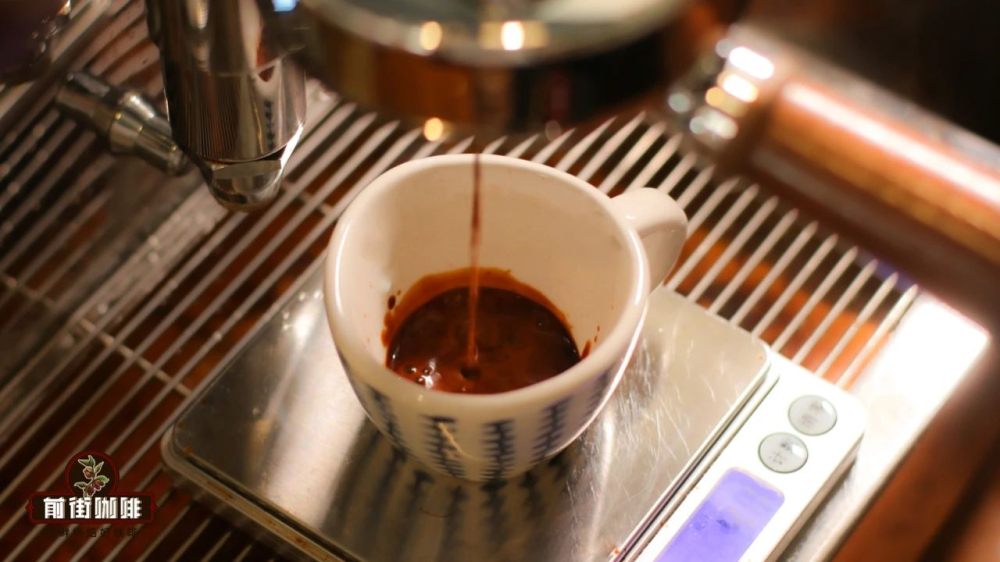
Beginner's Guide to Espresso Machines | How Can Coffee Beginners Use Coffee to Extract Espresso? How Do You Judge Whether Espresso Extraction Is Correct?
For more specialty coffee knowledge and sharing, please follow: Front Street Coffee (FrontStreet Coffee). When talking about Italian coffee, one cannot fail to mention Espresso. As the main tool for extracting Espresso, the espresso machine is an indispensable piece of equipment. Espresso [more…]
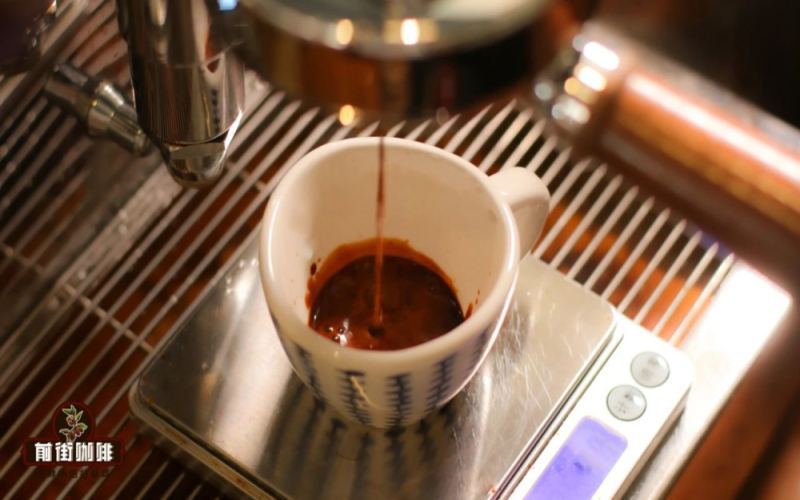
A Detailed Guide to Espresso Extraction Techniques and Operating Procedures for Home Espresso Machines
Espresso is loved worldwide for its rich, full-bodied flavor, but many coffee enthusiasts who try to make it at home often struggle to match the intensity and flavor of café-quality shots, and may even end up with a burnt, bitter taste. In this article, Front Street Coffee will provide a systematic explanation of the principles and practical methods behind café espresso extraction, including how espresso machines work, how to set and adjust extraction parameters, how to choose suitable coffee beans, and the complete process from grinding to extraction. Whether you are a beginner who has just bought a home espresso machine or an advanced player looking to refine your skills, you will find useful references and advice here. [more…]
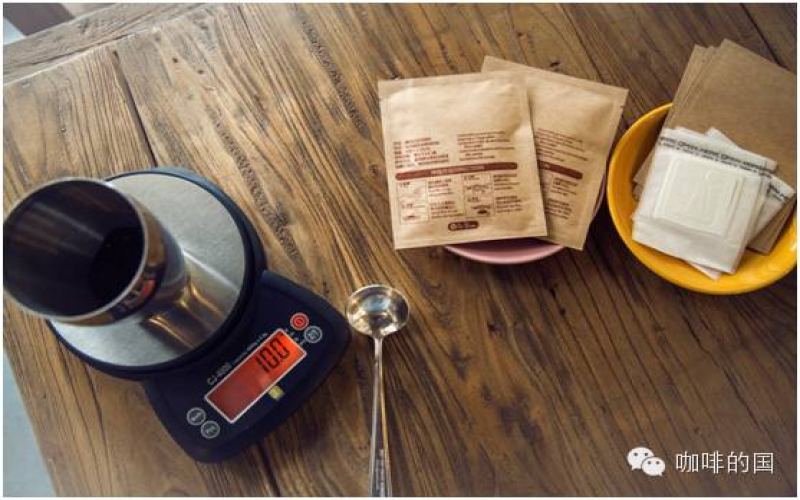
Instant Coffee Powder vs. Single-Origin Drip Bags: Taste Differences, Brewing Tips, and Front Street Brand Recommendations
Instant coffee powder and single-origin specialty drip bags are both convenient coffee options, but their flavor performance differs significantly. This article starts with processing techniques to analyze the root causes of aroma loss in instant coffee, then around the two dimensions of portability and taste, explains in detail the requirements of drip bags for water flow control and water temperature maintenance, as well as the key role of the gooseneck kettle in extraction. The article also compares the similarities and differences between drip bags and French press extraction, provides brewing ratios and flavor pairing suggestions, and recommends urban pour-over cafes such as Front Street Coffee, helping coffee enthusiasts find a balance point for specialty coffee in a busy life. [more…]
Is It Feasible to Mix Ingredients into the Espresso Puck for Extraction? Looking at the Key to Even Espresso Extraction Through the Lens of Channeling
In coffee-making, some people wonder: since soaking and stirring are a hassle, why not add ingredients directly into the extraction process and let the hot water bring out the flavors along with it. For most brewing methods, this can indeed simplify the process and blend the flavors, but Front Street Coffee explicitly does not recommend using it for espresso. The reason is that espresso extraction relies on about 9 bar of pressure, with a 58mm puck bearing roughly 240 kilograms of force, making extraction extremely efficient and extremely sensitive. Once the puck's structure is disrupted by foreign objects, hot water will preferentially flow along the path of least resistance, forming channeling, which causes some coffee grounds to be over-extracted and others under-extracted, resulting in an imbalanced flavor. This article starts from the principles of pressure extraction and the relationship between Fick's law and grind size, and combines experiments and cases such as adding sugar and adding butter to explain why espresso should not be mixed with other materials, as well as safer ways to add flavor when desired. [more…]
Ethiopian Natural Sidamo Queen of Flowers Coffee: A Complete Guide to Heirloom Flavors, G1 Grade, and Pour-Over Parameters
Front Street Sun-Dried Sidamo Huakui coffee is renowned for its elegant floral aroma and rich fruity notes; it is sweet on the palate with a honey-like finish, yet very affordable at only 65 yuan for half a pound. Ethiopia, the birthplace of Arabica, is home to two renowned specialty regions—Yirgacheffe and Sidamo—each with distinct characteristics: the former uses washed processing to showcase a clean, bright jasmine aroma, while the latter uses natural processing to give the coffee a richer fragrance and sweetness. Huakui is the flagship representation of Sidamo natural beans. This article will walk you through the terroir of the Sidamo region, the origins of the Heirloom native variety used in Huakui, Ethiopia's G1 grading standard, and Front Street's recommended V60 brewing parameters, offering a comprehensive analysis of this bean's flavor code. [more…]
Malaysian White Coffee Flavor Characteristics and Ingredient Differences: A Comprehensive Analysis from Its Ipoh Origins to Health Benefits
White coffee is a highly representative traditional specialty of Malaysia, with a history spanning over a century. It is not white in color; rather, it is made from three types of coffee beans—Liberica, Arabica, and Robusta—subjected to medium-light low-temperature roasting and special processing that greatly reduces caffeine, burnt bitterness, and astringency, resulting in a pale milky-golden hue and a mellow, gentle flavor. Compared with black coffee, white coffee differs fundamentally in bean selection, roasting methods, and brewing techniques; it contains no trans fats, has lower caffeine and calories, is gentler on the stomach, and does not easily turn sour after cooling. This article will systematically outline the flavor components, processing characteristics, historical origins, health benefits, and brewing methods of white coffee, offering you a comprehensive understanding of this classic Nanyang coffee. [more…]