







What isblended coffee beans?Front Street Espresso BlendWhat are the ratios?blended coffee beansWhich beans are best for blending?
Recently, a friend asked Front Street Coffee: "Are all coffee beans suitable for making espresso?" No~ Not all coffee beans are suitable for extracting espresso, especially light-roasted coffee beans used for pressurized extraction, which easily amplifies the acidity of the coffee beans, ultimately giving the coffee a sharp sour taste. So what coffee beans are suitable for making espresso?
When Front Street Coffee generally recommends beans suitable for espresso, it usually suggests using espresso blends, because they were created specifically to "serve" espresso machines. Their biggest feature is that the roast level is darker than coffee beans used for pour-over, while maximizing the stability of espresso's flavor and quality.
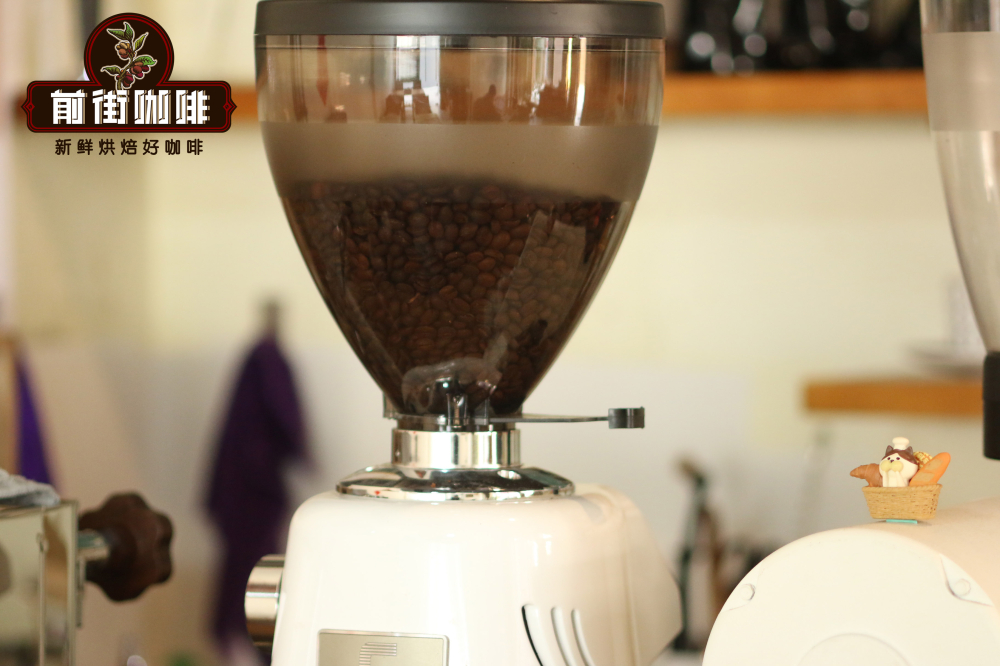
Generally, single-origin coffee beans used for pour-over are not suitable for espresso machines. This is because single-origin coffee beans cannot guarantee consistent espresso output in every cup. As a crop used as a concentrate, coffee beans—even the same coffee bean—will show certain differences in flavor performance due to the influence of climate and soil cultivation, different roasting approaches, and the different condition of the coffee beans each day.
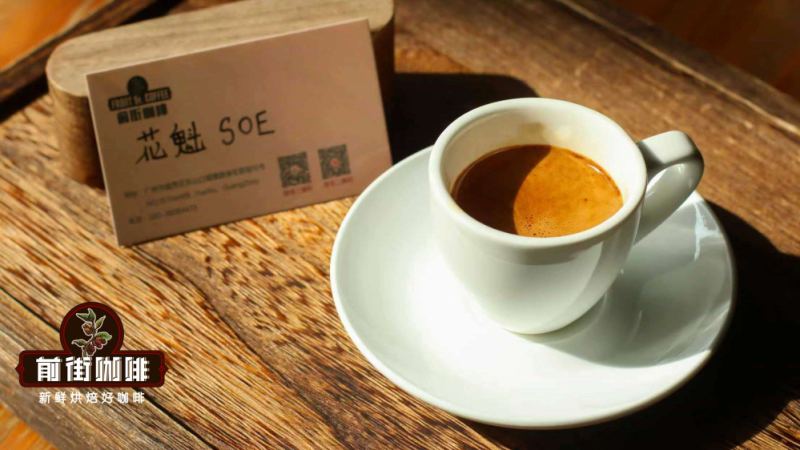
So what is SOE (Single Origin Espresso) all about? Although SOE uses single-origin coffee beans to extract espresso, the single-origin coffee beans used for SOE are roasted darker than those used for pour-over, French press, ice drip, cold brew, and other single-origin coffee beans. The reason is that light-roasted coffee beans generally have obvious acidity; with drip or immersion extraction, the acidity may perform just right, and the final coffee powder layers will also be relatively rich.

However, an espresso machine is a device that uses pressure to force water at a higher temperature than pour-over to pass quickly through coffee particles to extract very concentrated coffee (generally, the coffee powder-to-water ratio for pour-over is 1:13, and the coffee powder-to-liquid ratio for espresso is 1:2). Therefore, the acidity in the coffee beans will be more obvious, and the coffee may develop unpleasant flavors such as sharp acidity or astringency. Light-roasted coffee beans have a harder texture, and soluble substances are not easily released in water. The fast-flowing water in pressurized extraction also cannot dissolve the rich, full-bodied substances and can only dissolve sweet and sour substances, so the final espresso will also be very thin.
The practice of blended coffee beans emerged because coffee people in the past felt that single-origin coffee beans could not maintain stable coffee flavor over the long term, nor could every single-origin coffee bean extract delicious coffee. Therefore, they improved coffee flavor through blending coffee beans. This solved the problem of overly large differences in a shop's espresso flavor regardless of harvest time, slight differences in roasting approach, or crop failure of a certain coffee bean. At the same time, it also reduced severe output differences caused by different extraction approaches among baristas. In addition to improving the flavor of the extracted coffee and making espresso output more stable, there is another important reason: it can lower costs.
The reason most espresso beans use dark roasting is, on one hand, to reduce the amplification of acidity during pressurized extraction and enhance the release of soluble substances (the darker the roast, the looser the bean texture and the easier it is to extract flavor), increasing the coffee's body, and on the other hand, to require a longer roasting time so that the coffee beans retain more carbon dioxide and form more crema.

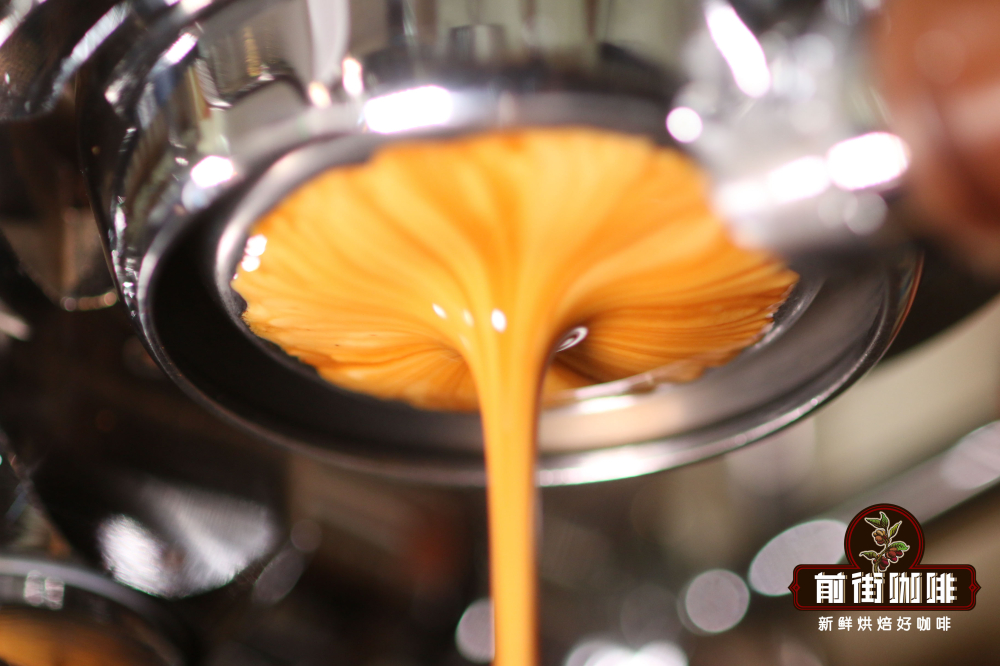
"Ah! What is the relationship between espresso crema and carbon dioxide??" Espresso crema is not all coffee oil! During extraction, an espresso machine generates more than 9 bars of pressure to "squeeze" the coffee puck. Because the pressure is too high, water becomes supersaturated with the carbon dioxide in the coffee powder, so the carbon dioxide cannot be released and can only dissolve directly into the coffee liquid. During extraction, the fats in the coffee are emulsified, and these fats wrap around the carbon dioxide and are released together. Since oil is lighter than water, the extracted espresso will have a golden crema floating on the surface.
Seeing this, I believe everyone can roughly understand why Front Street Coffee recommends using specially made espresso blend coffee beans when making espresso. So what good espresso blend coffee beans are recommended? Front Street currently sells these four espresso blend coffee beans, namely:
Warm Sun Blend: Ethiopian natural Red Cherry coffee beans + Honduras coffee beans, with rich fermented aromas, vanilla cream, berry sweetness and acidity, and roasted nut flavors. Suitable for friends who like coffee with rich layers.
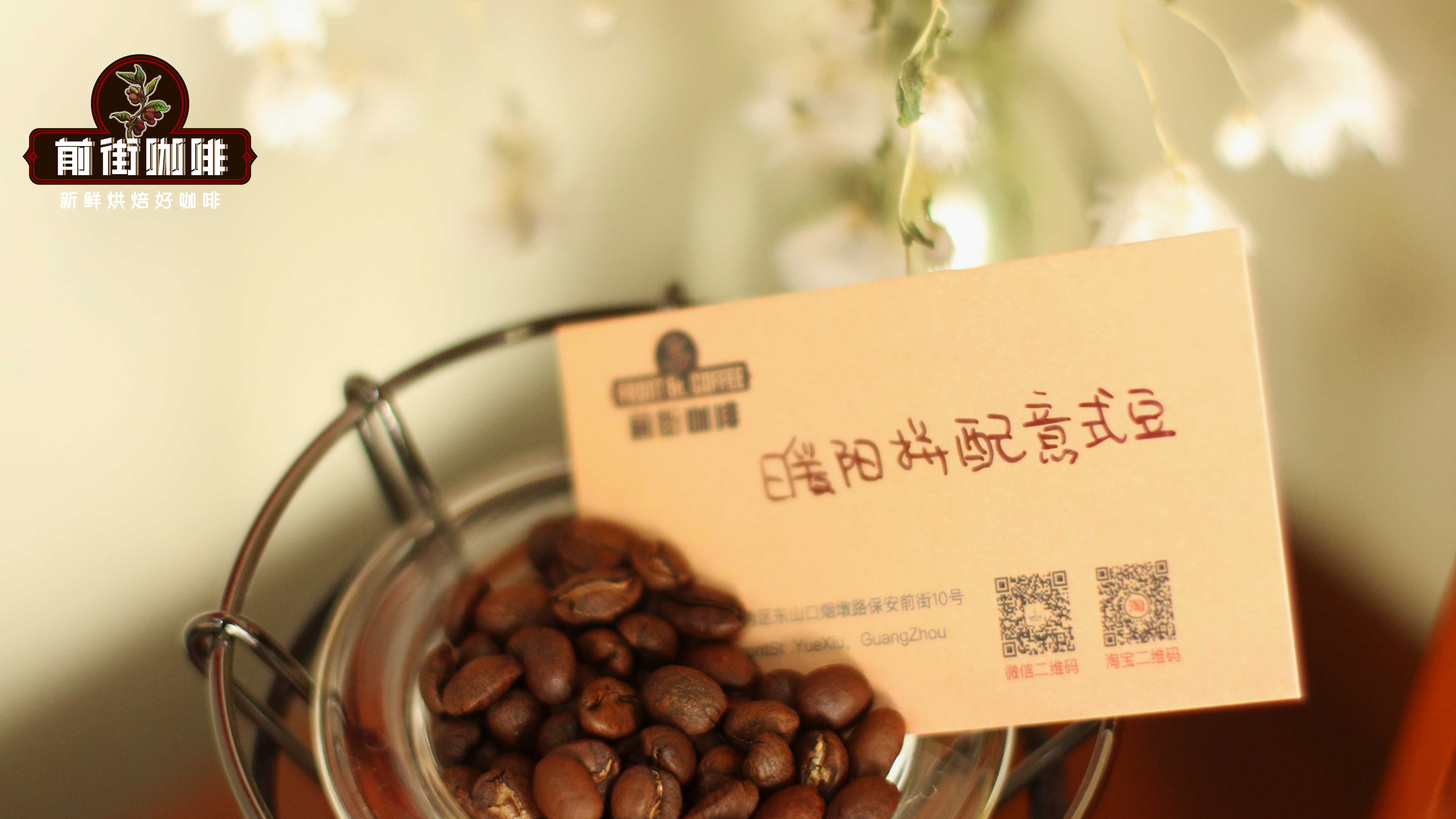
Front Street Specialty Blend: Colombian washed coffee beans + Brazilian semi-washed coffee beans, with nut, dark chocolate, and caramel flavors. Suitable for friends who like full-bodied coffee.

Front Street Commercial Blend: Robusta washed coffee beans + Colombian washed coffee beans + Brazilian semi-washed coffee, with nut, cocoa, and caramel flavors. Suitable for friends seeking value for money.
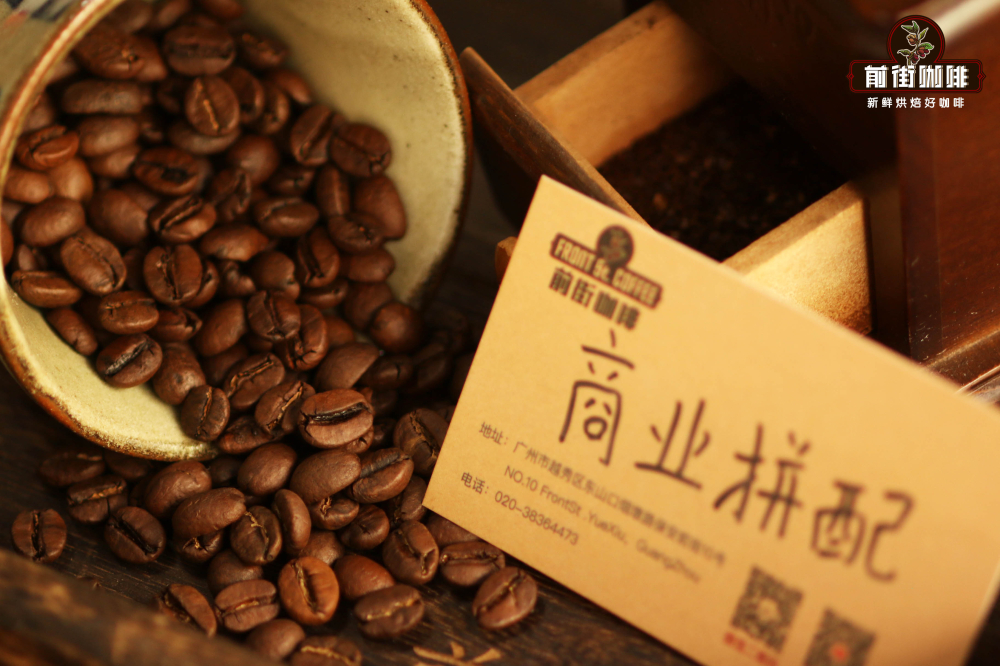
Front Street Dark Cocoa Blend:Yunnan washed small-bean coffee + Brazilian semi-washed coffee beans, with soft fruity acidity, caramel, and nut flavors. Suitable for friends with higher demand for everyday coffee.

Everything sold by Front Street is freshly roasted coffee beans shipped within 5 days after the roast date. After receiving espresso beans, everyone should not rush to use them, because too much carbon dioxide will affect the overall extraction of espresso, easily causing uneven extraction, prolonging extraction time, and leading to unpleasant flavors such as bitterness in the final coffee. Although carbon dioxide is key to how rich the crema is, too much carbon dioxide will make the crema very thick. If used to make hot latte coffee, overly thick crema will affect the integration of milk and coffee, ultimately affecting the formation of patterns and the overall mouthfeel of the coffee.
The above content is compiled by CoffeeHunters, a coffee news website.

