







For more specialty coffee knowledge sharing, please follow: Front Street Coffee (FrontStreet Coffee)
When it comes to Italian coffee, Espresso is something that must be mentioned. As the main tool for extracting Espresso, the espresso machine is essential equipment. Coffee extracted by an espresso machine is rich and mellow, but for ordinary coffee lovers, the method of using an espresso machine is too complicated, and it is difficult to extract high-quality Espresso without professional training. Today Front Street Coffee will talk about the simple method of using an espresso machine.
Espresso, as the world's most famous coffee product/category, has always been known for being rich, mellow, and extremely concentrated. Some friends say that no matter how they brew it at home, they cannot produce espresso as concentrated as what is sold in coffee shops, and they even end up burning it!
How to extract espresso?
Actually, espresso is not made by directly boiling coffee grounds in water, nor is it made by heating extracted coffee to concentrate it. Making espresso requires a special coffee machine, which is the espresso machine we see in coffee shops that can spray steam.
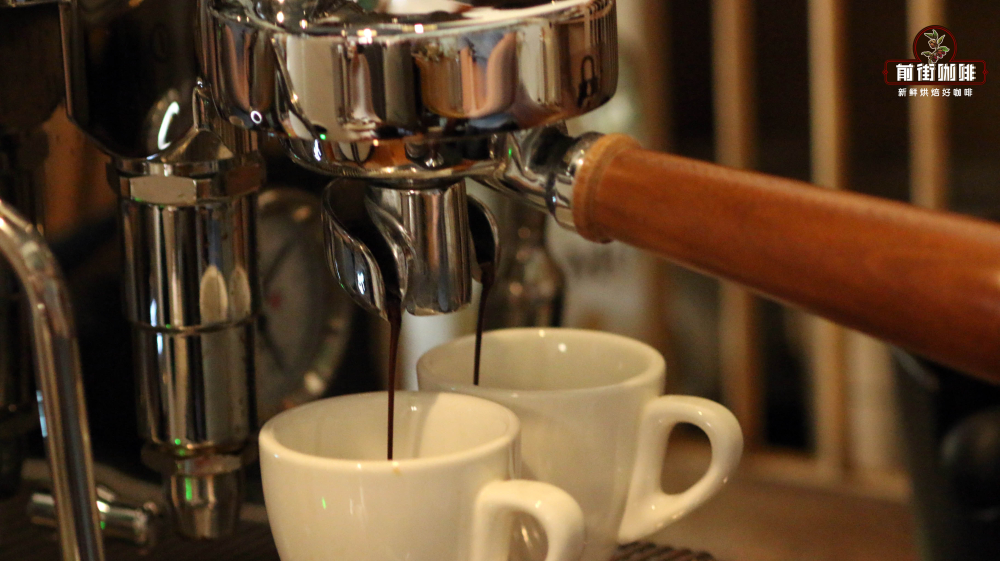
The extraction principle of an espresso machine is to heat the water in the boiler to produce steam. Using the pressure of the steam, hot water at 94°C is quickly passed through very finely ground coffee under 9-10 bar of pressure, extracting a coffee liquid as thick as honey.
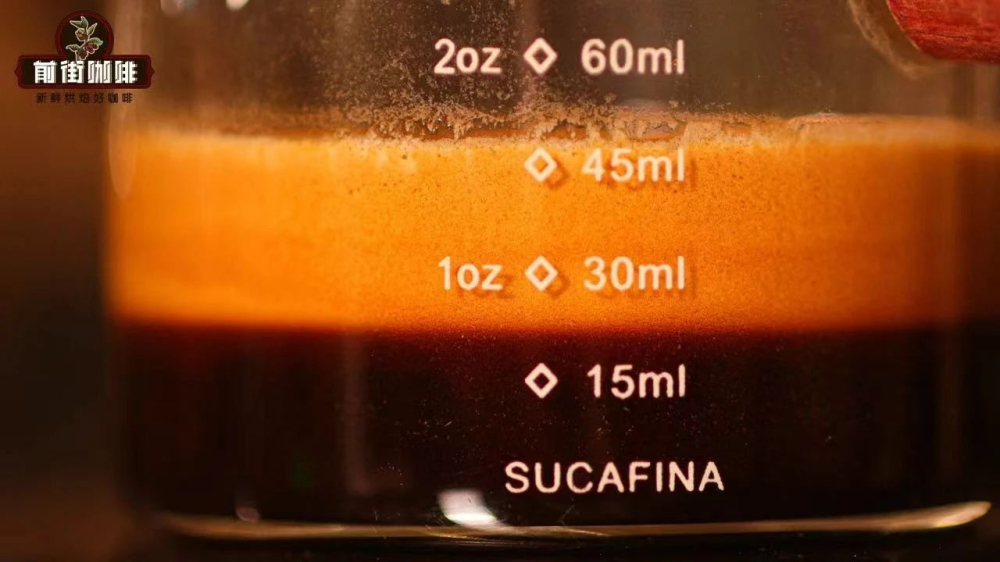
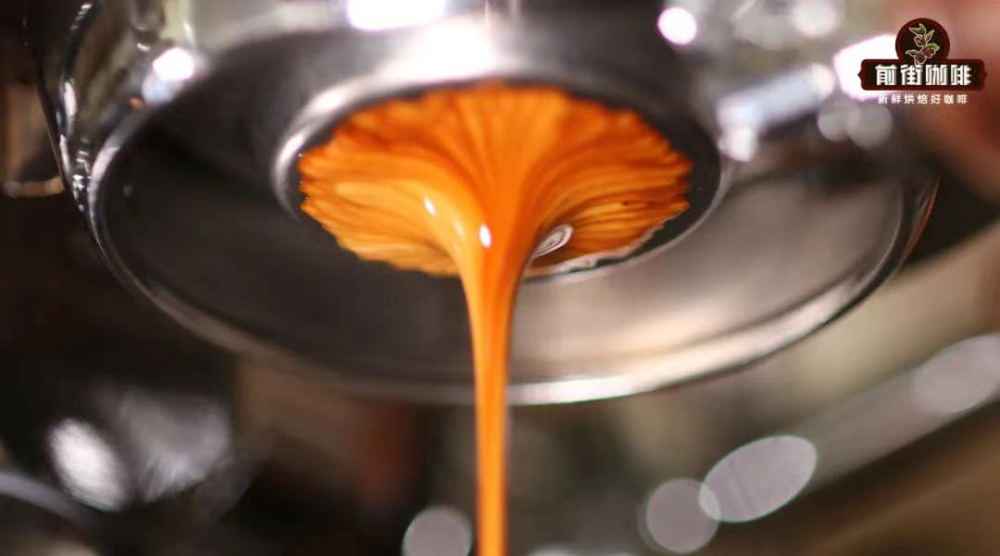
In the early stage of extraction, the coffee liquid appears brownish-red, with a concentrated and smooth texture. As the extraction time increases, the coffee liquid gradually turns golden yellow, and then light golden yellow.
How can you tell whether espresso has been extracted properly?
The extraction of a full serving of espresso is very fast. Espresso can usually be extracted in 25-30 seconds. However, because the performance of each coffee machine and grinder varies, there is no specific parameter for espresso that can be used as a reference.
Therefore, Front Street Coffee (FrontStreet Coffee) can only provide everyone with initial parameters. You can adjust based on the final taste performance of the espresso: (double basket) use 20g of grounds at a 1:2 ratio + 9 bar of pressure + 94°C hot water to extract 40g of coffee liquid; (single basket) use 10g of grounds at a 1:2 ratio + 9 bar of pressure + 94°C hot water to extract 20g of coffee liquid. The extraction time is both between 25-30 seconds.
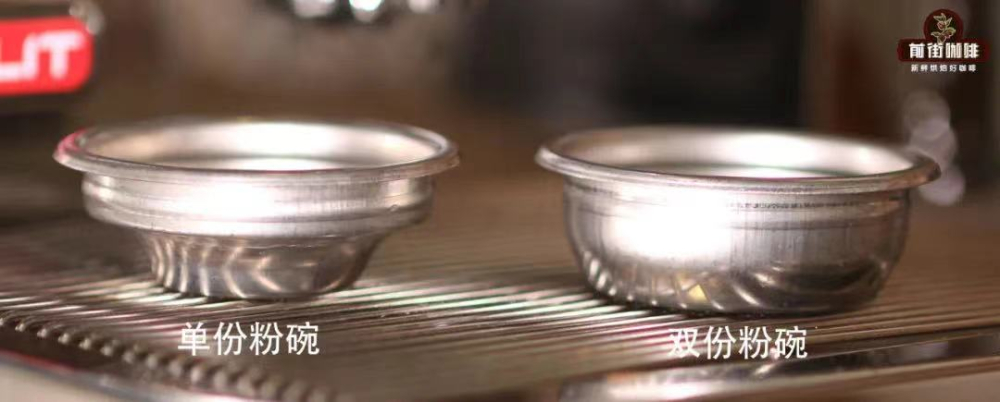
If the flow rate is too fast during extraction/the espresso tastes thin, you can adjust to a finer grind/increase the amount of coffee grounds used for extraction (choose one). If the flow rate is too slow during extraction/the espresso tastes burnt and bitter, you can adjust to a coarser grind/reduce the amount of coffee grounds used for extraction (choose one).
What coffee beans are used to extract espresso?
If you are just starting to get into espresso, Front Street Coffee (FrontStreet Coffee) recommends that everyone use blended coffee beans specially made for espresso. The advantage of blended coffee beans is stability! And they are cost-effective. Through blending different origins and different proportions, it reduces the shortcomings that single-origin coffee beans (coffee beans from a single origin) will show under high concentration + increased extraction.
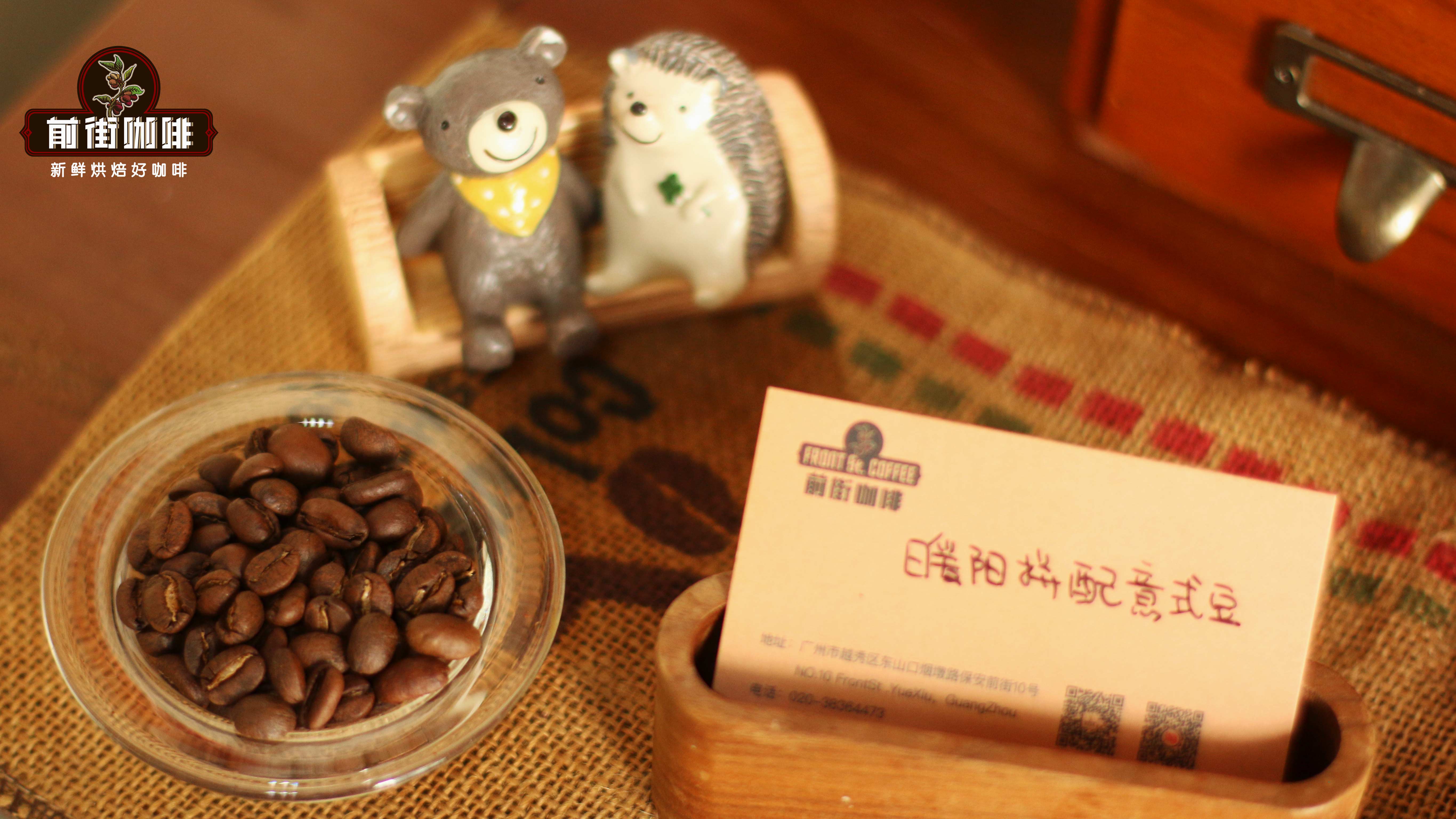
If you want espresso to have a unique and rich aroma and flavor, you can try the "Front Street Sunflower Warm Sun Blend Coffee Beans" used in Front Street Coffee (FrontStreet Coffee) stores. The 227g packaging is very suitable for home use. This coffee bean uses Ethiopian Yirgacheffe natural coffee beans + Honduras Moca Estate Sherry coffee beans. It has a rich fermented aroma like whisky, smoothness like vanilla cream, berry-like sweetness and acidity, and a hazelnut caramel-like sweetness.
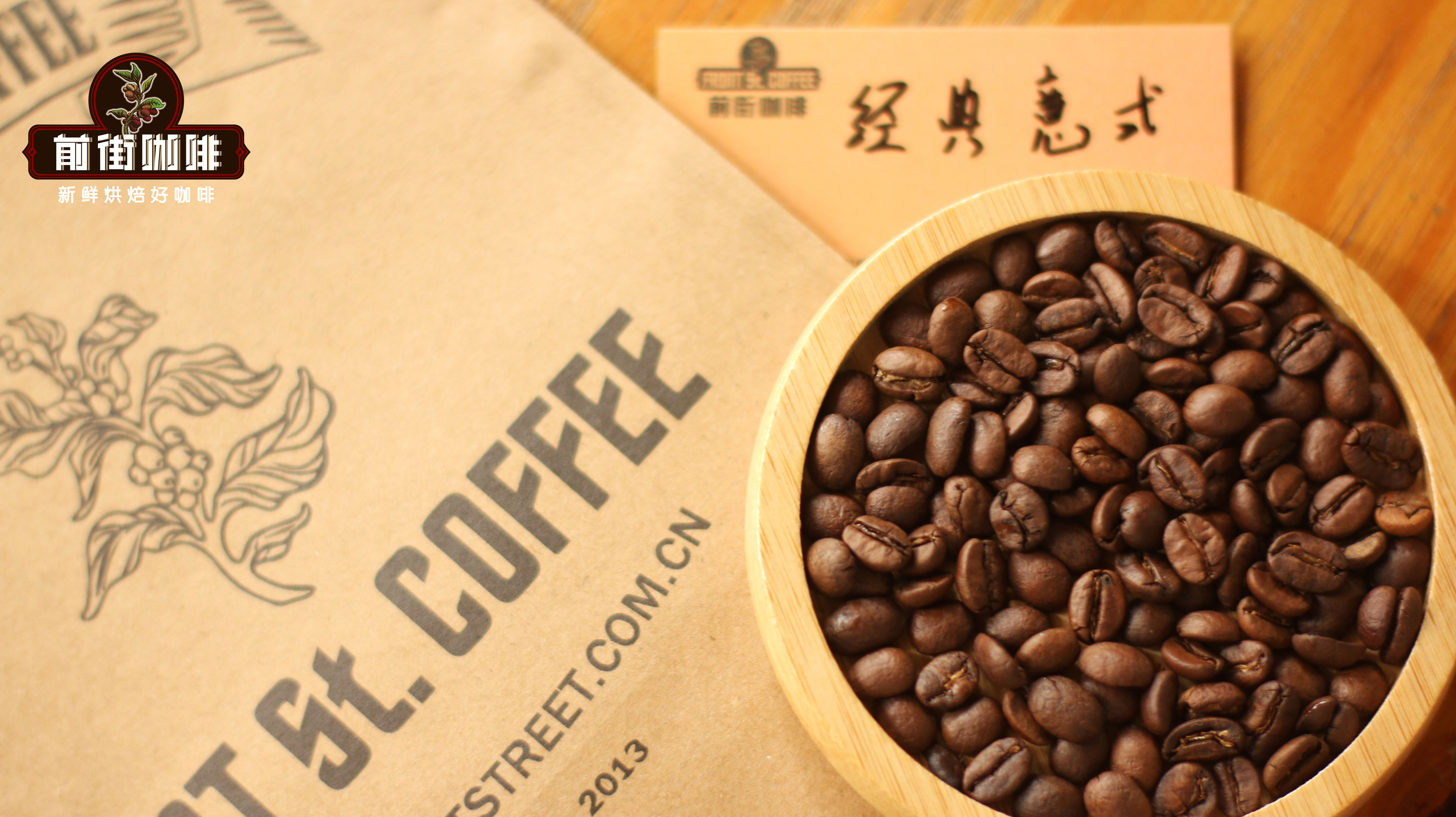
If you want espresso to be mellow without being sour, full of aroma, and rich in crema, you can try Front Street Classic Espresso Blend Coffee Beans. It is very suitable for friends who like Americano with a sweet and mellow taste, and who want lattes that can easily create latte art patterns. This coffee bean uses Arabica coffee beans from the Cerrado region of Brazil and Sumatra Island in Indonesia, as well as a small amount of Robusta. The extracted espresso not only has a rich roasted nut-like aroma, and a rich mellowness like dark cocoa, as well as a caramel-like sweetness and lingering sweetness, but the key is that it also has very beautiful golden crema.
Steps for extracting espresso
First turn on the coffee machine switch and wait for the coffee machine to heat automatically. When the temperature on the display reaches 94°C, you can begin preparing to extract.
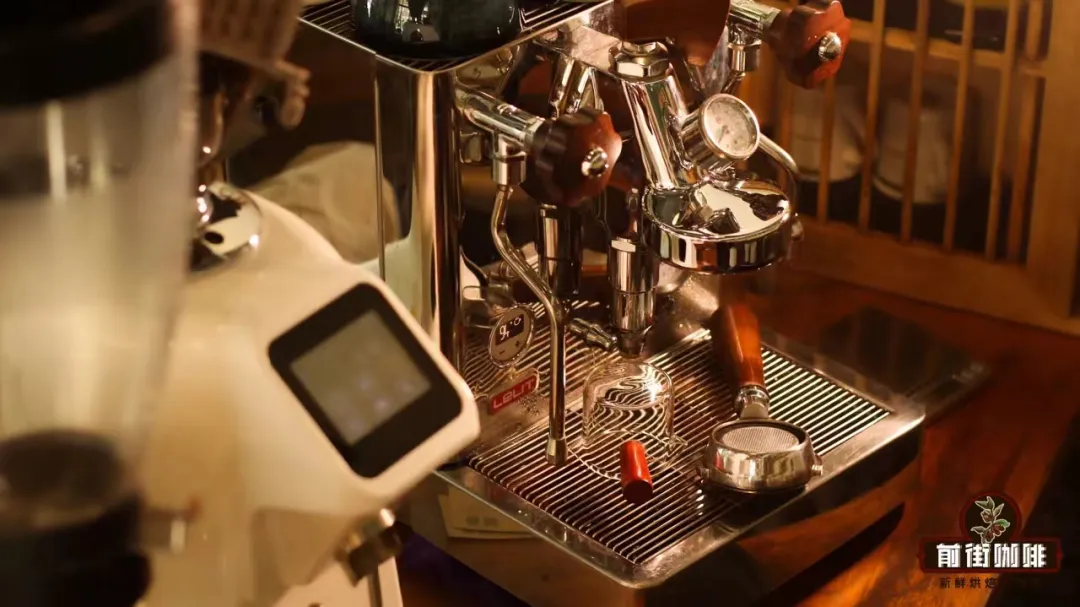
Before extraction, first wipe the portafilter basket dry, turn on the grinder, grind the amount for a double shot of coffee grounds, place it on an electronic scale to adjust up or down, and reach a weight of 20 grams.
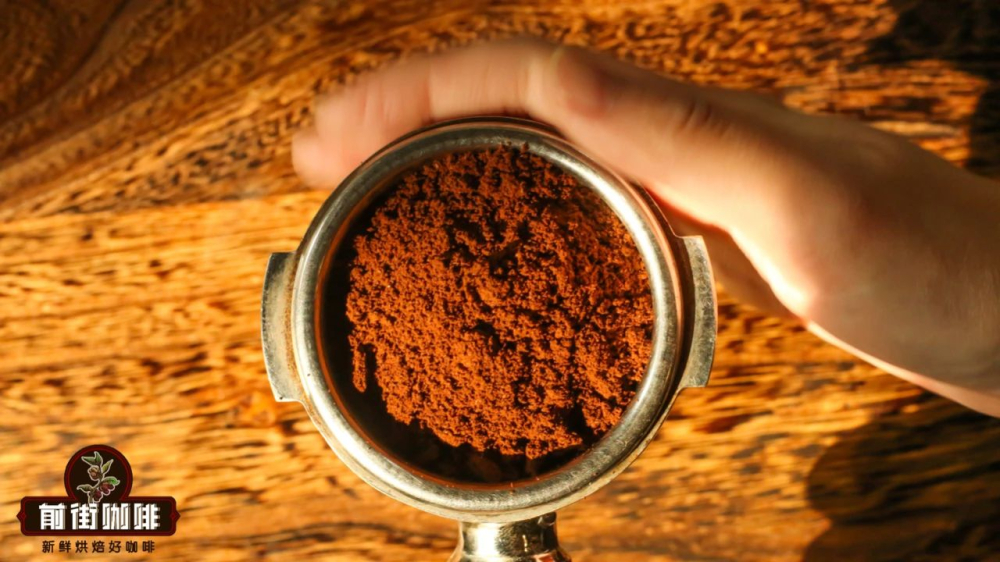
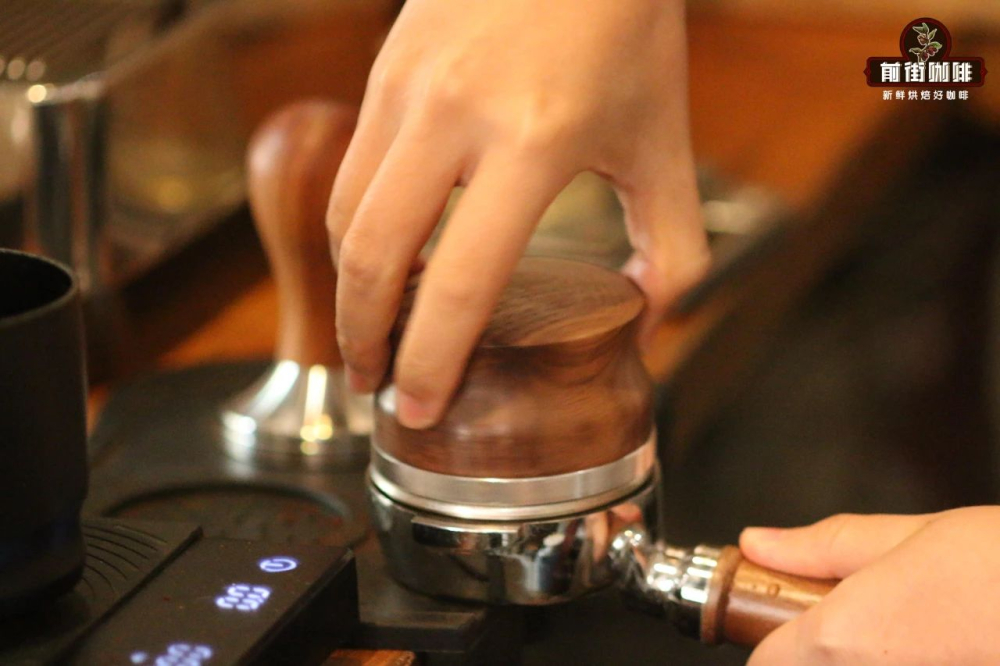
Then use a distribution tool to level the coffee grounds, and press the tamper vertically downward with force to tamp the coffee puck firmly, ensuring more stable coffee extraction.
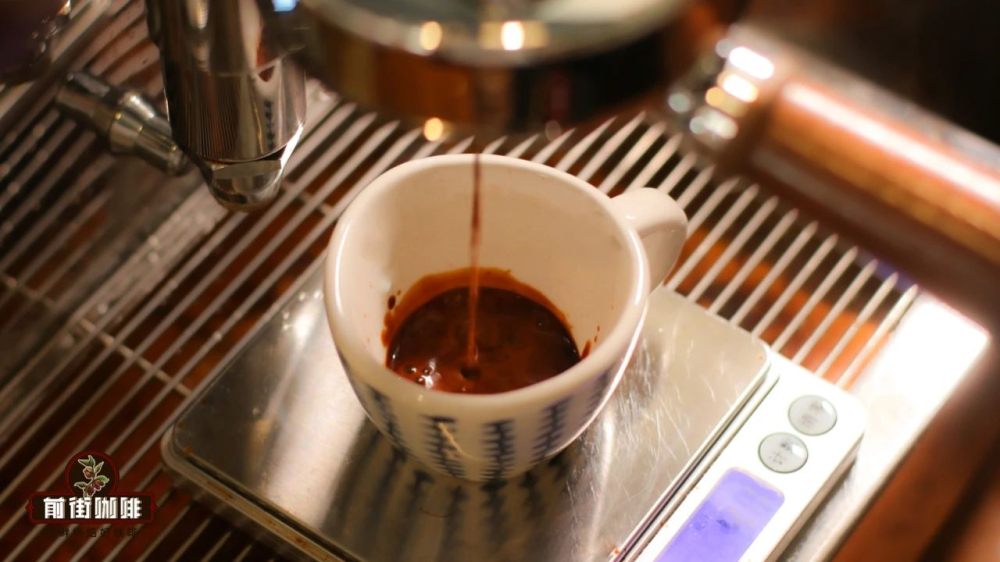
Then turn on the extraction switch and release water for 1-2 seconds to wet the group head, while also removing coffee grounds stuck to it. Next, place an electronic scale under the cup that will catch the Espresso, and reset the weight to 0. During extraction, place it together under the group head.
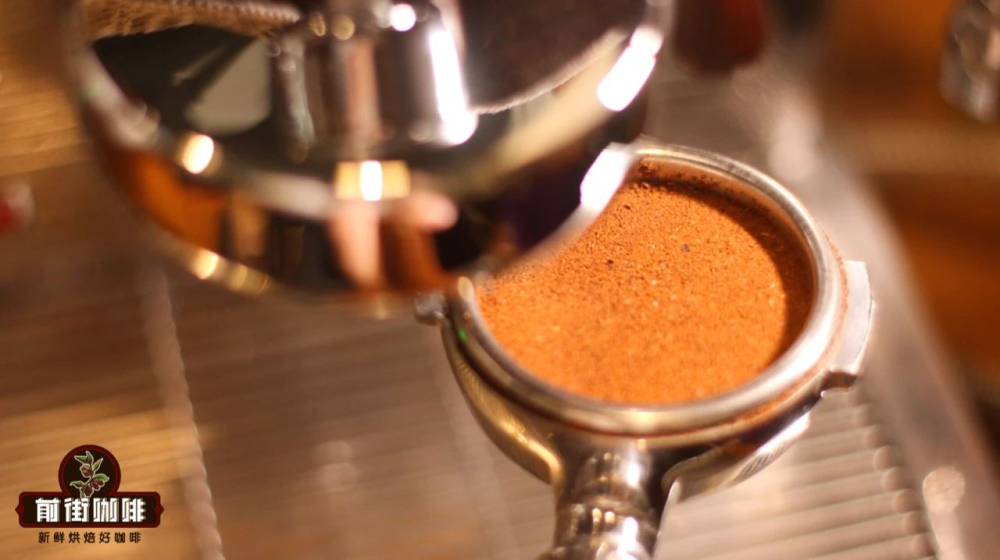
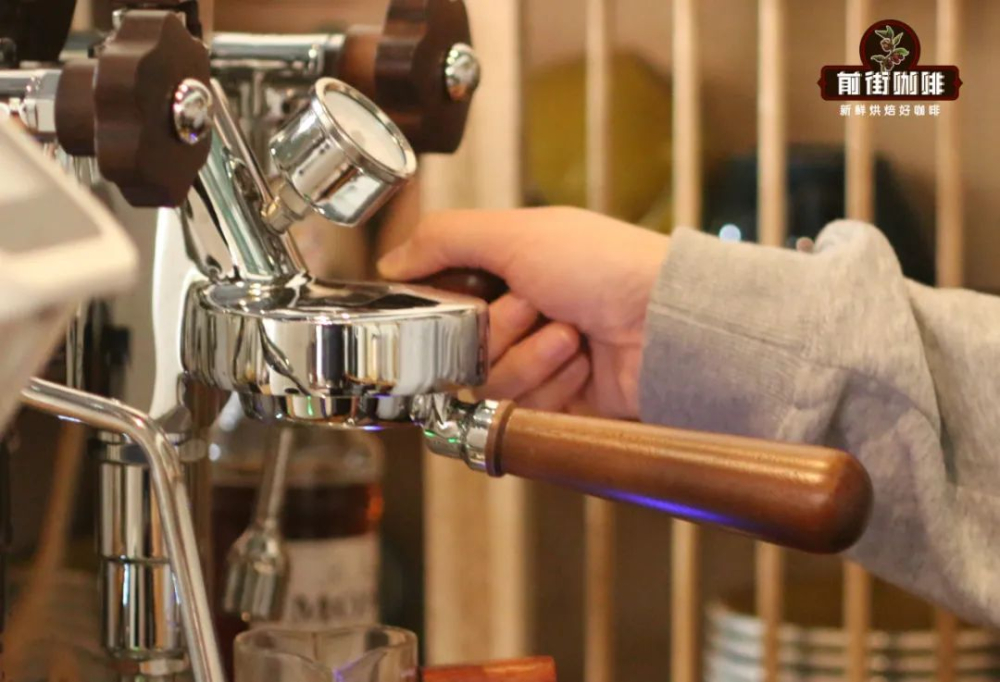
Lightly and slowly lock the portafilter onto the group head, and begin turning down the extraction switch. Observe the changes in the extracted liquid. When the electronic scale shows that 40 grams of coffee liquid has been extracted, at about 30 seconds, turn off the extraction switch.
If you need to make an Americano, prepare a cup with a capacity of 200-250ml, pour in 160-200g of warm hot water, then pour in the espresso, and a cup of hot Americano is ready.

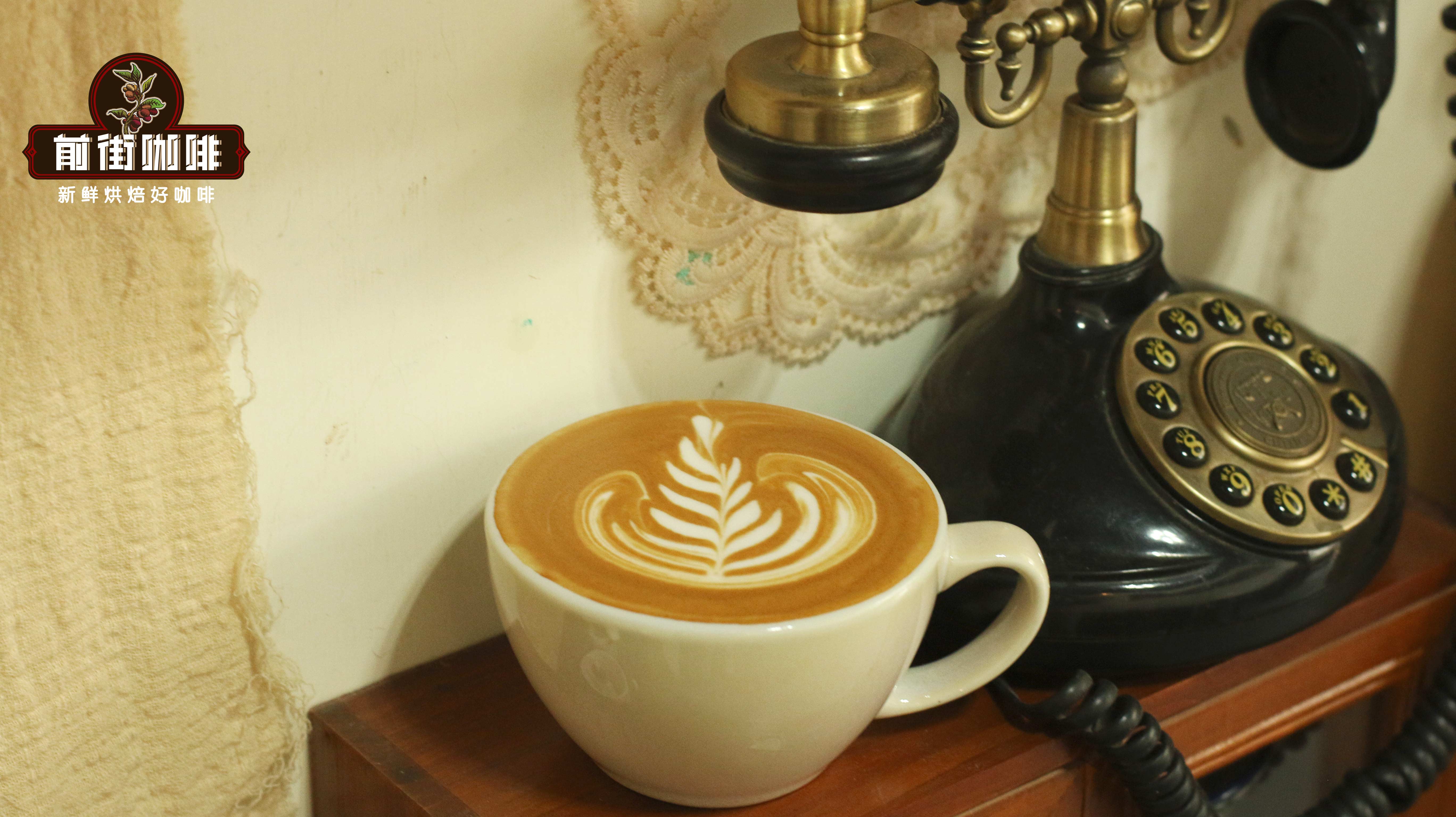
If you want to make a cup of hot latte, you need a 300ml cup. First pour in the espresso, then pour 220ml of fresh milk into the milk pitcher, then steam it to 55-60°C, making sure it has a layer of smooth milk foam, and blend the two evenly. You can also create a nice pattern along the way.
It should be noted that the brewing parameters will change subtly according to the daily air humidity and the condition of the coffee beans, so it is necessary to adjust the amount of coffee grounds, the grind setting, and the extraction yield of the coffee liquid up or down.
The above content is compiled by CoffeeHunters, a coffee news website.


