







Why Coffee Bean Blending Is More Than Just Mixing Beans
Coffee bean blending combines two or more coffees, or the same variety at different roast levels, in a set proportion. The goal is not simple addition: the blender uses flavor judgment so one bean covers another's gaps, producing a more balanced and stable cup. Under SCA standards, a blend scoring above 80 points can still qualify as specialty coffee.
Blends are mostly built for espresso, because a mix of origins holds its taste steadier across the year than a single harvest does. Post-roast blending and shipping shortly after roasting both help flavor stay consistent. Four medium-dark espresso blends illustrate how recipes, roast level, and bean choice work together in blended coffee beans.
Blending coffee is not about casually mixing several beans together; rather, the blender uses their understanding of flavor to let different coffee beans complement each other, achieving a more balanced and stable taste. This article starts with the basic concept of blending, explaining why blending is not simple addition, and also discusses how, under specialty coffee standards, blended beans can also become specialty coffee. The article focuses on the four purposes of Front Street Coffee in making blended coffee and four medium-dark roasted espresso blend products, including recipes, prices, and flavor descriptions, and explains why blends are mostly aimed at espresso, as well as the significance of post-roast blending methods and shipping after roasting for flavor stability.
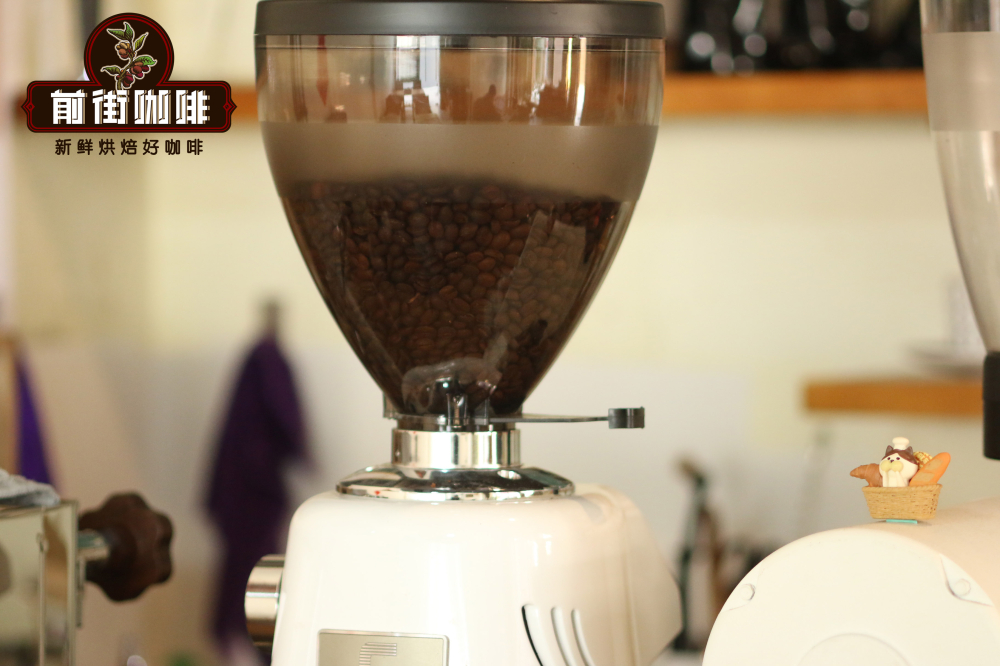
So-called blended coffee is made by mixing two or more varieties of coffee beans, or beans of the same variety but with different roast levels, in a set proportion.
Blending coffee is not simply adding beans together, but rather expecting the blender to use their judgment of flavor to let different coffee beans compensate for each other's shortcomings, ultimately creating a blended coffee bean with better performance.
Nowadays, many people pursue the unique flavors of a growing region when drinking coffee, and single-origin coffee beans are often regarded as the representative of specialty coffee, but not every single-origin bean can present the distinctive character of its region.
Specialty coffee emphasizes presenting everything professionally, from bean quality to service. As long as the coffee beans themselves can score above 80 points under the Specialty Coffee Association SCA evaluation method, and the roaster and brewer sufficiently understand and interpret the bean, then whether single-origin or blended, it can be a cup of specialty coffee.
Coffee blending is somewhat like a painter mixing captivating colors on a palette. A blender can create enticing flavors based on the respective characteristics of the coffee beans. It is not an exaggeration to say that blending is an art. As artists, blenders not only need experience and inspiration, but also rely on a certain amount of scientific calculation. The birth of a work of art is not accidental, but an eruption after long-term accumulation.
Front Street Coffee (FrontStreet Coffee) has 4 purposes in making blended coffee beans: balancing taste, reducing cost, showcasing the unique flavors of coffee beans, and stabilizing coffee flavor. Currently, Front Street Coffee (FrontStreet Coffee), based on the taste needs of general consumers and different consumers' varying cost requirements, has developed 4 medium-dark roasted Front Street espresso blend coffee beans.
"Front Street Sunflower Warm Sun Espresso Blend Coffee Beans" 79/227g: Front Street Ethiopia natural Red Cherry coffee beans (30%) + Front Street Honduras Sherry Barrel coffee beans (70%), with rich wine aroma, vanilla cream, berry sweetness and acidity, and roasted nut flavor performance.
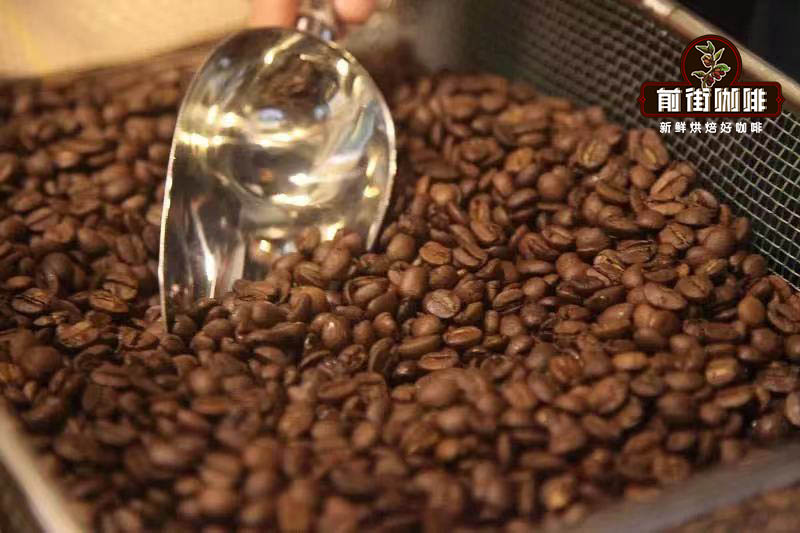
"Front Street Specialty Espresso Blend Coffee Beans" 75/454g: Colombia washed coffee beans (30%) + Brazil semi-washed coffee beans (70%), with nut, dark chocolate, and caramel flavor performance, meeting the daily output needs of coffee shops.
"Front Street Commercial Espresso Blend Coffee Beans" 60/454g: Robusta washed coffee beans (10%) + Colombia washed coffee beans (30%) + Brazil semi-washed coffee (60%), with nut, cocoa, and caramel flavor performance, suitable for coffee shop opening needs.
"Front Street Basic Espresso Blend Coffee Beans" 50/454g: Yunnan washed small-bean coffee beans (30%) + Brazil semi-washed coffee beans (70%), with soft fruit acidity, caramel, and nut flavor performance, suitable for opening shops and home users who prioritize cost and have average requirements for coffee flavor.
These 4 Front Street espresso blend coffee beans produced by Front Street Coffee (FrontStreet Coffee) use the post-roast blending method. When formulating the blending plan, they continuously adjust the roast level and blending ratio, and finally record the roasting curve and ratio plan to achieve a stable state. All coffee beans sold are shipped within 5 days after roasting is completed, allowing consumers to drink the coffee beans in their freshest state.
The advantage of doing this is that the separate roasting method allows for better control of the roasting situation. Moreover, using post-roast blending allows for more precise formulation of the ratio plan (each type of coffee bean has different weight loss), and also makes it more convenient to adjust the proportion and weight of the blended coffee.
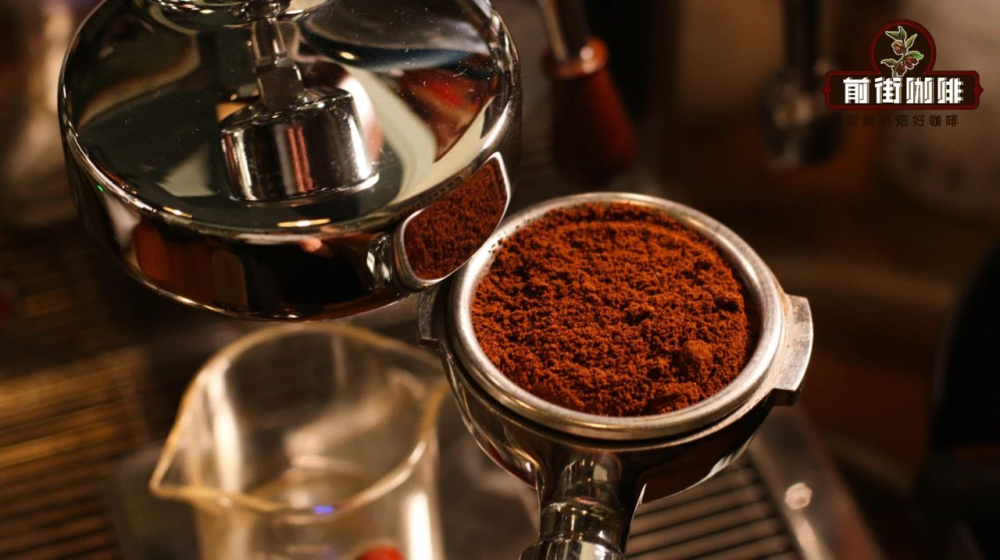
Why are blended coffee beans aimed at espresso?
As a concentrate, coffee beans, even if the same variety is grown in the same region, will differ in flavor. The unpleasant tastes of some coffee beans themselves, under the pressure-free, large coffee-to-water ratio (usually 1:15) coarse grind drip method (such as pour-over coffee), are relatively light in concentration, so the acidity of many fruits appears very charming.
However, when an espresso machine pressurizes and forces high-temperature hot water quickly through extremely finely ground coffee powder, extracting an extremely high-concentration coffee liquid at a 1:2 ratio, many flavors in the coffee become concentrated at once. At the same time, because of the high concentration, some acidity that tastes very charming in pour-over coffee will show up as sharp acidity in espresso.
In blended coffee beans, Front Street Coffee (FrontStreet Coffee) usually uses Brazil Cerrado region Red Bourbon coffee beans as the main note, providing the coffee with a rich and solid nut-chocolate base, and then through coffee beans from different regions, injects soft acidity/more full-bodied flavor into the coffee.
The appearance of Front Street Sunflower Warm Sun Espresso Blend Coffee Beans is because if Front Street Sherry coffee beans are directly used for espresso extraction, although the overall cup has an obvious fermented aroma, it would be somewhat monotonous. Therefore, later Front Street Coffee (FrontStreet Coffee) added Front Street Yirgacheffe natural Red Cherry to inject soft acidity into the coffee and enhance the layering.
Are blended coffee beans suitable for pour-over coffee?
Blended coffee beans can be used to make pour-over coffee, but since most blended coffee beans are aimed at espresso, in order to ensure that espresso has a rich and solid mouthfeel, medium-dark or darker roasting is usually used. Therefore, when making pour-over coffee with blended coffee beans, medium-coarse grinding + lower-temperature hot water is needed.
The above content is compiled by CoffeeHunters, a coffee news website.


