







How do cold brew coffee and iced latte differ in method?
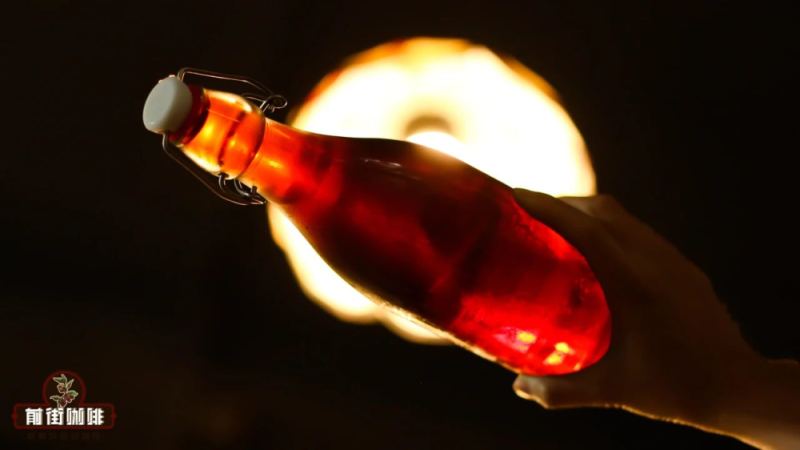
Cold brew is black coffee made by steeping grounds in cold water for more than twenty hours, producing a concentrate with higher caffeine and a longer shelf life. Iced latte starts with espresso pulled on a machine and then mixed with cold fresh milk, giving a silkier, milk-forward drink. One relies on time and low temperature, the other on pressure and dairy.
The earliest documented cold brew appeared in the Netherlands in the 17th century, when Dutch sailors soaked grounds in cold water during long voyages and sometimes drank the concentrate directly. Iced latte follows espresso culture instead, so its quality depends on extraction parameters, bean choice and the milk-to-coffee ratio. Questions such as when were coffee makers invented matter less here than grind size and steep time, since cold brew needs no heat at all.
Cold brew coffee and iced latte are the two most popular coffee drinks in summer. The former showcases the pure flavor of black coffee through low-temperature slow extraction, while the latter brings a silky mouthfeel through the fusion of espresso and milk. This article will start with the origin story of cold brew coffee, introduce its brewing method and flavor characteristics in detail, then gradually break down the composition, extraction parameters, and mixing techniques of iced latte, and share how to improve drink quality by selecting beans, adjusting the milk-to-coffee ratio, and paying attention to operational details. The article also specifically combines the practical experience of Front Street Coffee to recommend coffee beans and specific recipes suitable for making cold brew and iced latte, helping coffee lovers easily replicate professional-level flavors at home.
Cold brew belongs to the category of black coffee and uses a low-temperature immersion extraction method; latte is the most representative style of milk coffee, requiring an espresso machine to extract espresso and then mixing it with fresh milk. Today, Front Street will take everyone to deeply understand these two coffees and compare the differences between them.
The Origin Story of Cold Brew Coffee
Speaking of the origin of cold brew coffee, after reviewing the materials, Front Street found that the earliest documented cold brew coffee appeared in the Netherlands. In the 17th century, the Netherlands had extremely strong maritime power, possessing the world's best sailors and shipbuilding techniques at the time, even once surpassing England, the maritime hegemon. During that period, Dutch colonists controlled global trade for a long time.
To solve the problem of sailors wanting to drink coffee during long sea voyages, they came up with a special brewing method: soaking coffee grounds in cold water for more than twenty hours, allowing the coffee's flavor to slowly release. The coffee concentrate made this way had a higher caffeine content and a quite good taste. It required no heating and had a longer shelf life, bringing great convenience to sailors and merchants on sea voyages.
At that time, people on ships were still accustomed to diluting the concentrate with water and heating it before drinking, but occasionally, for convenience, they would also drink the original liquid directly. As colonial hegemony continued to expand, the Netherlands established the East India Company, the first multinational corporation in history. The company monopolized Asian trade for a long time, with its business extending as far east as Japan, and this cold brew coffee method also spread to Japan. Japan already had a tradition of cold brewing tea, so cold brew coffee did not seem particularly novel there. Combining their own experience with cold brewed tea, the Japanese invented the Kyoto-drip method of coffee brewing. Today, some small cafes still use the Kyoto-drip method to make cold brew coffee, which has become one of the must-experience items for coffee lovers.
How to Make Cold Brew Coffee
Taking a coffee-to-water ratio of 1:13 as an example, Front Street uses 30g of coffee beans, with the grind size controlled so that about 80-85% passes through a 0.85mm standard sieve (medium-fine grind). "It should be noted that although low-temperature extraction can reduce the release of bitter substances, it is not absolute. If the grind is too fine, after the sweet and sour substances in the coffee grounds are quickly extracted, the mellow substances will be released as well. An appropriate amount of mellow substances can enhance the coffee's body, but if the immersion time is too long, woody flavors will emerge, affecting the overall cleanliness of the coffee."
After the coffee beans are ground, place them in a clean, oil-free sealed container, add 150g of ice cubes and 240ml of purified water, tightly cover the lid and gently shake to ensure the coffee grounds fully contact the ice water, then place it in the refrigerator and let it sit for 12-24 hours. After extraction is complete, filter out the coffee grounds with filter paper or a fine mesh strainer, and it is ready to drink.
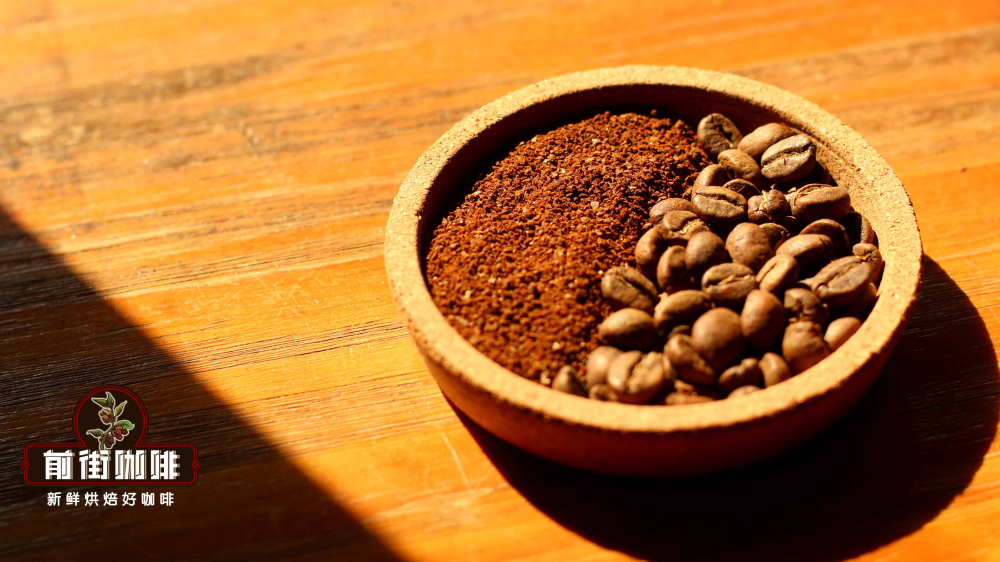
Since low-temperature extraction makes it difficult to fully extract mellow substances, using medium-dark roasted coffee beans for cold brew may result in a thinner finished product, lacking substance and body. Therefore, Front Street recommends choosing light-medium or medium roasted coffee beans, prioritizing beans with prominent sweetness and acidity or rich aroma.
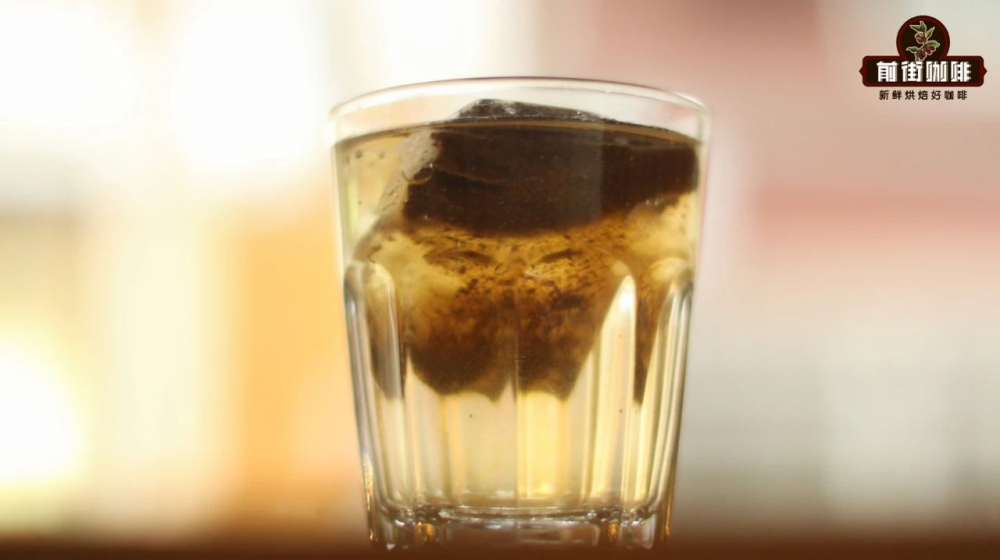
Front Street Coffee's Ethiopia Natural Red Cherry coffee beans, when made into cold brew, present a full, complex fruity juice-like quality and a tea-like sensation reminiscent of black tea.
How to Make Iced Latte Coffee?
First, let's look at the composition of an iced latte: espresso + milk + ice. Once you understand what it consists of, you can then complete each step one by one. First, pour ice cubes and milk into a cup, then start making the espresso.
The coffee machine used by Front Street has a double-shot basket capacity, requiring 20 grams of coffee grounds each time, with an extraction ratio of 1:2, meaning 40 grams of coffee liquid is obtained within a reasonable time. The extraction time is related to the flow rate of the coffee grounds, and a single extraction is usually controlled between 20 and 35 seconds. If it is less than 20 seconds, the coffee taste tends to be thin and bland; if it exceeds 35 seconds, it is prone to over-extraction, causing the coffee to develop a burnt and bitter taste. Therefore, when producing drinks, Front Street controls the espresso time within the range of 26 to 32 seconds.
Before extraction, wipe the portafilter basket dry, turn on the grinder, grind a double shot of coffee grounds, place it on an electronic scale and adjust by adding or removing until the weight reaches 20 grams. Then use a distribution tool to level the coffee grounds, and then use a tamper to press down vertically with force to compact the coffee puck, ensuring more stable extraction.
Then turn on the extraction switch and let water run for 1-2 seconds to moisten the group head while rinsing off any coffee grounds stuck to it. Place an electronic scale under the cup that will receive the Espresso, tare the weight to zero, and place it together under the group head during extraction. Then gently and slowly lock the portafilter onto the group head, and flip down the extraction switch. When the electronic scale shows that 40g of coffee liquid has been extracted, stop the extraction. Finally, gently pour it into the cup containing ice cubes and milk.
So are there any tips to make it taste better? Of course there are.
First: Choose the right coffee beans to make espresso
The flavor of coffee beans can very intuitively determine the flavor direction of an iced latte. Most espresso blend coffee beans will give an iced latte a rich aroma of nuts, chocolate, and baked bread. Front Street Classic Espresso and Front Street Commercial Blend Coffee are recommended. The rich and dense crema not only enhances the body of the iced latte but also complements the sweetness of the milk.
The flavor of coffee beans can very intuitively determine the flavor direction of an iced latte. Dark-roasted espresso blend coffee beans will give an iced latte a rich profile of nuts, chocolate, caramel, and a heavier coffee taste, while medium-roasted coffee beans can give the iced latte a softer mouthfeel.
Second: A reasonable milk-to-coffee ratio
After choosing the coffee beans, it is time to choose the milk. To make a delicious iced latte, Front Street believes it is best to use fresh milk with a higher protein content! Then, let the milk and coffee liquid fall within a reasonable ratio range.
The iced latte at Front Street uses Front Street Classic Blend coffee beans and Bright Fresh Pasture milk as ingredients, with a ratio of 40g espresso, 150ml fresh milk, and 75g ice cubes. This ratio is for everyone's reference and is not the golden ratio for latte coffee. Front Street obtained these parameters through multiple ratio adjustments using the above materials, mainly based on real tasting feedback.
Third point: Operational details
The iced latte coffee operation of [adding ice, pouring milk, pouring coffee] may seem simple and clear, but in reality there are still some small details to pay attention to. The most important among them is the extraction of espresso. Whether a latte tastes good or not depends on whether the espresso extraction meets the standard. Common issues such as channeling and incorrect extraction time will naturally also affect the taste of the iced latte. The process of making an iced latte should also be fast. Fast here means the time the ice and milk spend in the cup should be as short as possible, and the extracted espresso should be poured into the cup as soon as possible.
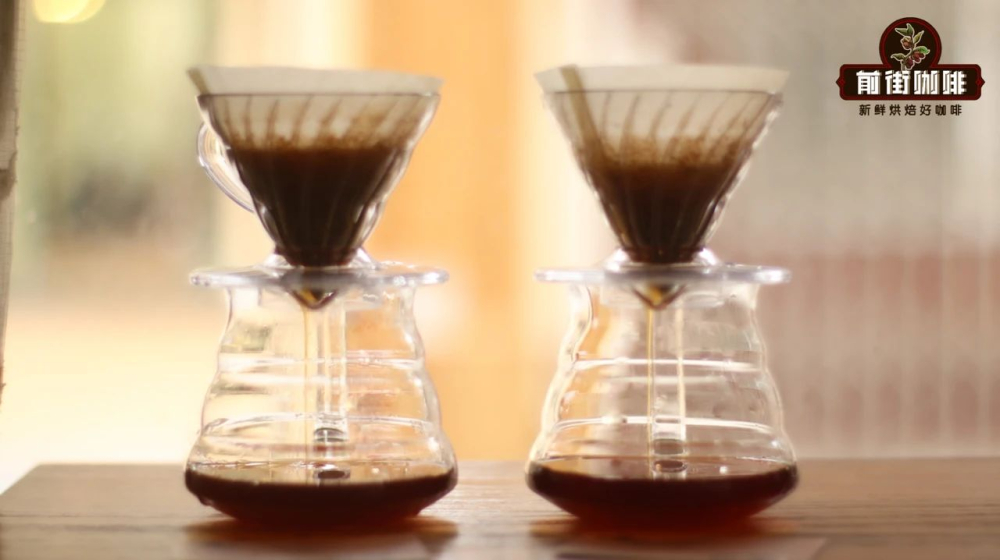
By mastering these details, Front Street believes you can easily make a delicious iced latte at home too.
The above content is compiled by CoffeeHunters, a coffee news website.


