







Search Results for: Tough Guy Coffee
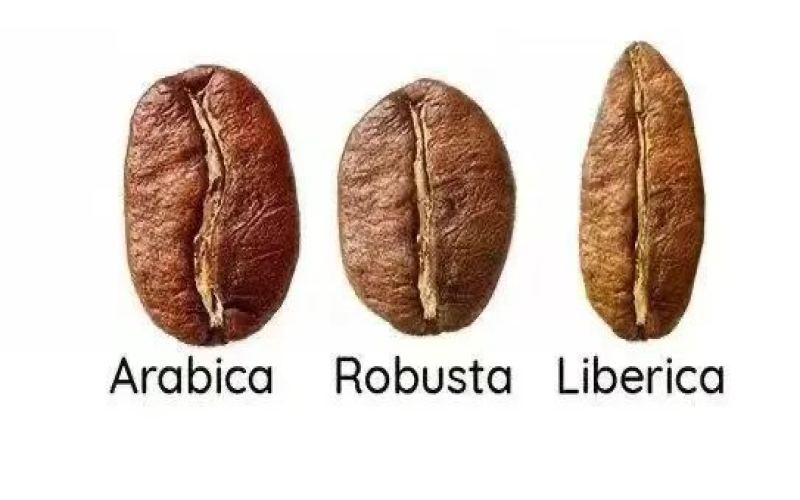
Why did Liberica take the deepest root in the Philippines? From the origins of the large-bean species to the rise of a tough-guy coffee
Liberica, a coffee variety known as "large bean," originated in Liberia, Africa. Its beans are large but extremely low in caffeine, with a flavor profile dominated by smoky, earthy, and woody notes, even described as "liquid tobacco." It was not favored by the commercial market, yet found its widest cultivation ground in the Philippines. Why did the Philippines become the largest producing country of Liberica? This is inseparable from the rise and fall of the country's coffee industry: from the introduction of Arabica in 1740, to the leaf rust disease at the end of the 19th century that caused production to plummet by 80%, to the government's introduction of disease-resistant varieties and implementation of a five-year revival plan in the 1950s, the demand from instant coffee factories ultimately allowed Liberica to gain a foothold. This article will trace this history and explore whether Liberica also has the potential to move toward specialty coffee. [more…]
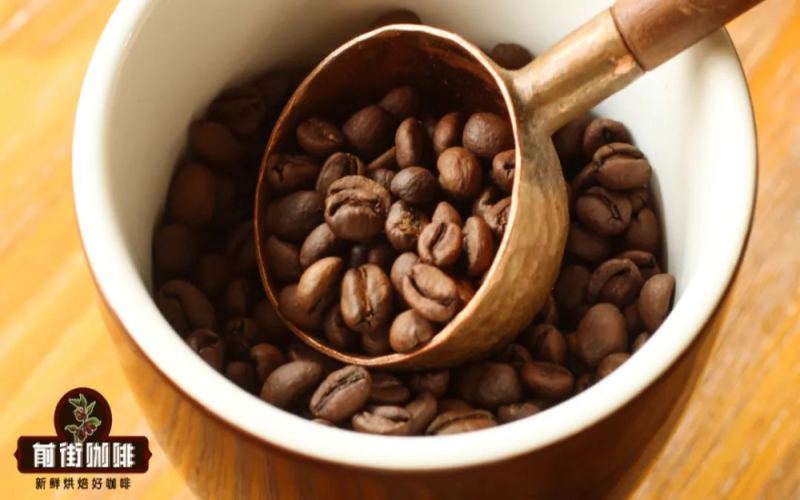
Can coffee beans be eaten dry? What do they taste like? Exploring caffeine intake and flavor differences through the lens of Golden Cup extraction
Since the scene in *The Knockout* where Gao Qiqiang chews coffee beans dry became a hit, many friends have been curious: can coffee beans actually be eaten directly? What do they taste like when chewed? Will you take in more caffeine? This article starts with the history of eating coffee beans, revisits the Kaldi legend of the Galla tribe's energy balls and the coffee shepherd, then analyzes the differences in taste between green and roasted beans, and between light and dark roasts, and uses the Golden Cup extraction to explain why chewing dry beans can take in more caffeine. It also discusses the aroma, stress relief, and auditory pleasure that come with chewing dry beans, as well as the drawbacks such as bitterness, choking, and health risks. Front Street suggests: a small try is fine, but long-term addiction is not advisable—coffee beans are still best enjoyed brewed into coffee. [more…]
How Indonesia's Wet-Hulling Process Shapes the Unique Flavor of Mandheling: From Sumatra's Climate to the Causes of Sheep Hoof Beans
In the world of coffee, Indonesian Mandheling stands out with its solid, mellow body and unique herbal, woody aromas. Front Street Mandheling, the darkest-roasted single origin on the bean list, presents a character of low acidity, high body, and a long intertwining of bitter notes and sweetness. This highly recognizable flavor comes not only from the terroir of Sumatra's high-altitude growing regions, but more crucially from the region's unique wet-hulling process. This article will provide an in-depth analysis of the complete wet-hulling process, from the climatic background and semi-washed operation to the formation of the sheep's hoof bean, and explore how the humid environment, through mold and the Maillard reaction, ultimately creates Mandheling's signature funky aroma and regional taste. [more…]
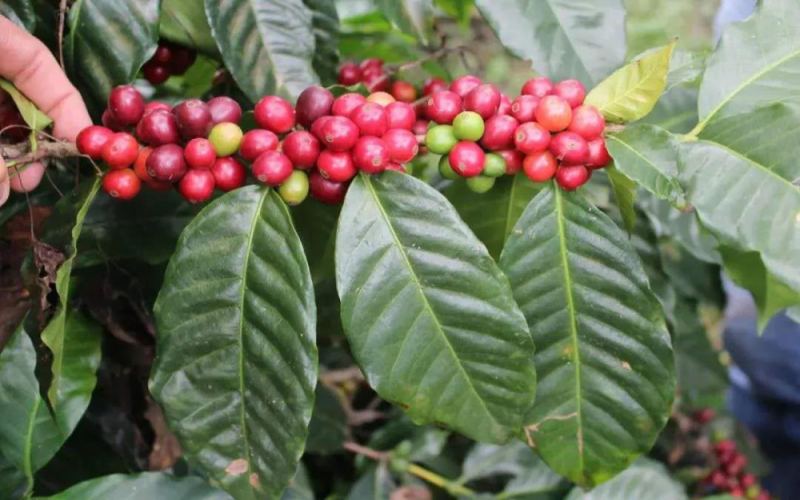
What Variety Is Liberica Coffee? A Full Analysis of Its Origin, Flavor Characteristics, and Current Cultivation Status
There are three main species of coffee cultivated commercially worldwide: Arabica, Robusta, and Liberica. The first two are ones we encounter frequently in daily life, while Liberica is rarely mentioned. It originated in Liberia, West Africa, and has a tall tree form and large fruit, which is why it is called "large bean." Liberica is extremely adaptable and once became a replacement crop in Southeast Asia after the coffee rust outbreak at the end of the 19th century; today the Philippines is the world's largest producer. However, it has a one-dimensional flavor, strong bitterness, and an intense smoky character, and has even been described as "liquid tobacco." Add to that the difficulty of harvesting and its scarce yield, and it accounts for only about 5% of total world coffee production. This article will comprehensively sort out Liberica's origin, spread, flavor characteristics, and cultivation in China, and will include Front Street Coffee's brewing suggestions. [more…]
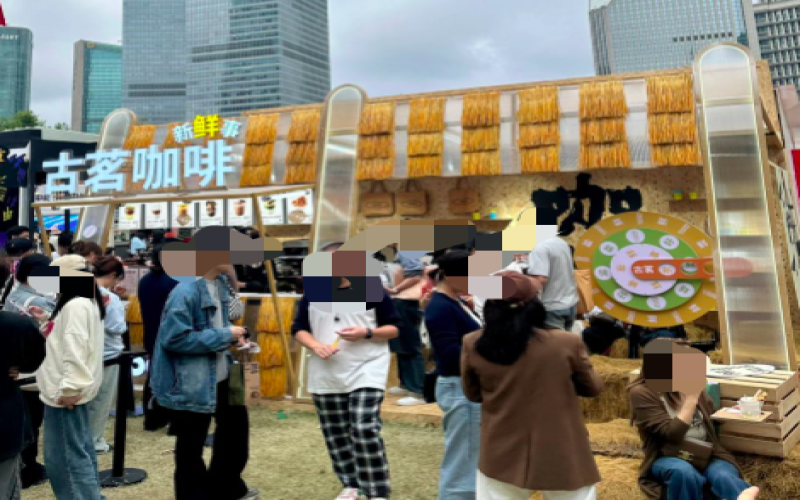
WBC champion Boram appeared at the Good-Me Coffee Festival booth shaking milk tea, while Luckin's collaboration with a coffee master sparked heated discussion.
A heavy downpour brought a distinctive African estate vibe to the coffee festival, and among the many stalls that insisted on staying open, the coffee pop-up stall from milk tea brand Good-mee unexpectedly became the center of attention. Besides the high-value-for-money specialty coffee that drew passersby to check in, the one-day store manager standing behind the bar attracted an even bigger crowd—none other than Boram Julio Um, champion of the 2023 WBC World Barista Championship, founder of Brazilian coffee brand Um Coffee Co., and one of the chief coffee masters collaborating with Luckin. The sight of this highly popular champion shaking milk tea for customers caught many people off guard, with some in the comments even calling out to Luckin, saying "Your handsome guy has been poached by Good-mee." So why exactly did this coffee industry star show up at the Good-mee stall? Let's revisit the lively scene together. [more…]

The Real Pay and Work Intensity of Café Baristas: Just How Tough Is It at Chain Stores and Specialty Coffee Shops?
Many people hold a romanticized image of the barista profession—in a warm little shop bathed in sunlight, with smooth jazz playing, brewing fragrant pour-over coffee and creating exquisite latte art. However, the real life of a barista is far less cozy. Whether at a chain coffee shop or an independent specialty café, baristas often wear many hats: making coffee, cleaning, greeting customers, and even helping prepare new store openings and design the bar area. Wages are generally low, while the work intensity is considerable. This article restores the true face of the barista profession from multiple angles—skill requirements, customer types, job duties, and career development—to help those considering entering the field think rationally about their choices. [more…]

Earth Day Starbucks Bring-Your-Own-Cup Event: Coffee Lovers Gather at Stores with Creative Containers
Every year on Earth Day, Starbucks launches a free coffee promotion for customers who bring their own cups, drawing a large crowd of coffee lovers who show up with all kinds of containers. This year the event fell on a Monday, yet many people still lined up early, aiming straight for the top 30 oat lattes. Among the crowd were creative containers like pots and pans, rice cookers, and pickle jars, and even cups from brands like Luckin and Manner made a "cameo" appearance. This brief and joyful freebie frenzy was both a show of support for environmental protection and a display of coffee fans' humor and enthusiasm. Though the event has ended, everyone looks forward to meeting again next year. [more…]
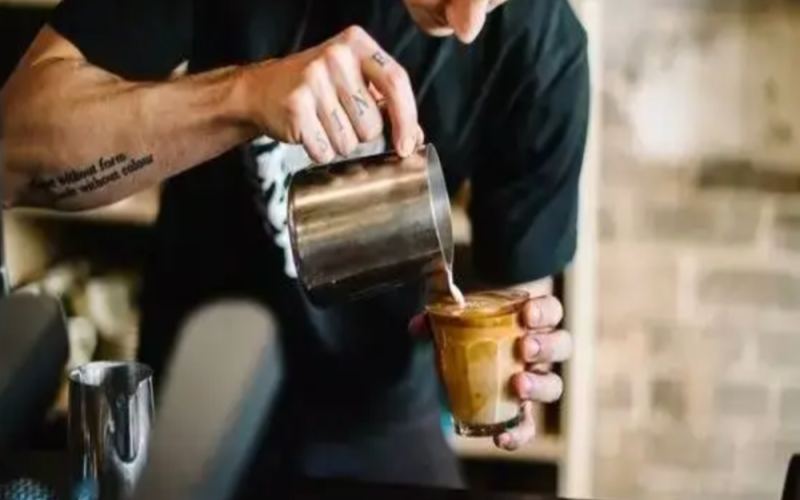
Why is a barista's service mindset so important? Looking at this job through the lens of professional identity, is it really that tough?
The profession of barista has gained increasing popularity among young people in recent years, but controversy surrounding it has never ceased. Some believe that baristas should be individualistic and cool, and need not grovel before customers; others feel that coffee shops ultimately belong to the service industry, and providing quality service is simply part of the job. Starting from the professional positioning of baristas, this article explores what service awareness means for this line of work, and how baristas should correctly view their own role. It also analyzes why professional knowledge and skills must complement a service spirit, with neither being dispensable. If you are working in the coffee industry, or are curious about the real situation of baristas, this article may offer you some inspiration. [more…]
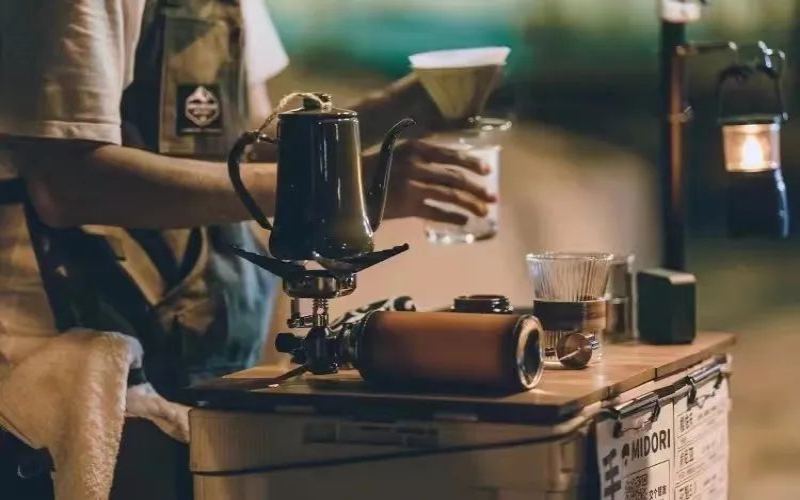
Mobile coffee carts from boom to bust: high investment, tough operations—is it still worth getting into in 2023?
Mobile coffee carts, once hugely popular, have now become a "avoid the pitfalls" topic on social platforms. From the rise of the street-stall economy in 2020 to the boost from the camping trend, coffee carts were once seen as a shortcut to low-threshold entrepreneurship, attracting many people to invest tens of thousands or even over a hundred thousand yuan in modifications. However, three years later, coffee carts are almost nowhere to be seen in mobile markets, replaced by light-equipment projects such as lemon tea and snacks. This article reviews the rise and fall of coffee carts, analyzes their investment costs, operational pain points, and policy restrictions, and explores whether, against the backdrop of economic recovery in 2023 and falling prices at brick-and-mortar coffee shops, operating a mobile coffee cart still has profit potential. [more…]

Under the sales pressure of the Dragon Boat Festival, Starbucks employees: livestreaming shout-outs, giving out lottery tickets, and setting up stalls for tastings, all just to sell Frappuccino Zongzi
As Dragon Boat Festival approaches, Starbucks employees once again face the annual "zongzi ordeal." To meet the sales targets for Frappuccino zongzi, some set up microphones at the bar to livestream and hype, some hand out lottery tickets for good luck, some advertise in the message book, and others set up stalls for free tastings. From co-branded microphones to mystical prayers, a variety of clever tactics take turns on stage, reflecting the pressure and helplessness behind holiday marketing. This article takes you to see these workers doing their utmost for zongzi, and how they respond to KPIs with creativity and humor. [more…]
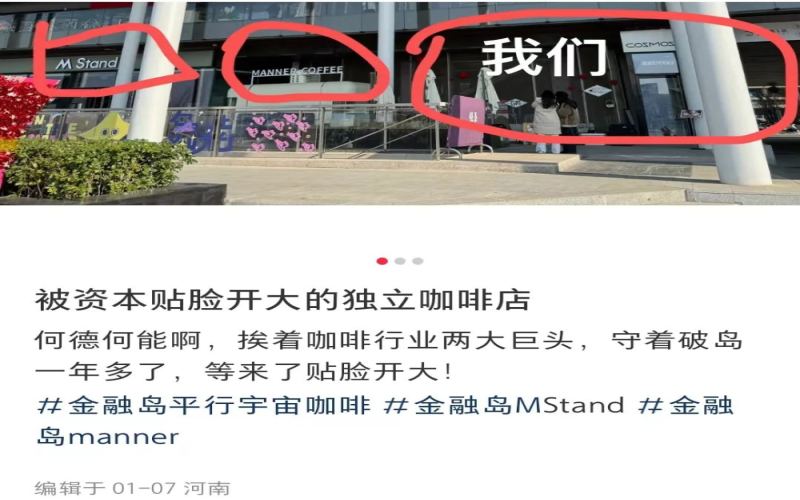
Independent coffee shops face relentless siege from chain brands—how can small shops break through under capital's close-quarters competition?
A café owner who runs an independent coffee shop recently posted about how two chain brands, M Stand and Manner, had moved in one after another right next to his store, and how a turf he had held for more than a year was suddenly "challenged head-on" by capital. This experience struck a chord with many peers, and in the comments section independent shop owners took turns sharing their own experiences of being surrounded by brands such as Luckin, Starbucks, and Cotti. Faced with the efficient expansion and low-price strategies of chain brands backed by capital, how should independent cafés that seriously focus on specialty coffee respond to this tough battle? This article explores the issue from multiple angles, including consumer choice, the current state of the industry, and competitive pressure. [more…]

An Analysis of the Causes of Bitterness in Japanese-Style Dark Roast Coffee, and How to Brew Out the Sweet Finish of Dark Roast Beans
For those who encountered coffee around the turn of the millennium, black coffee often meant an lingering bitterness. This impression came from the dark-roasted beans popular in the last century, standing in sharp contrast to today's light-roast trend that pursues floral and fruity notes. So why exactly is dark-roasted coffee bitter, and what makes it so captivating? The answer lies in its aroma, body, and the sweet aftertaste that follows the bitterness. From Front Street's perspective, this article explores the unique charm of dark-roasted coffee and, addressing the challenges of dark-roasted beans being prone to over-extraction and their sweetness easily masked, offers a practical brewing strategy—including details such as the Kono dripper, coarse grinding, low water temperature, and a three-pour method—to help you brew the caramel sweetness and solid, full body of Golden Mandheling at home. [more…]
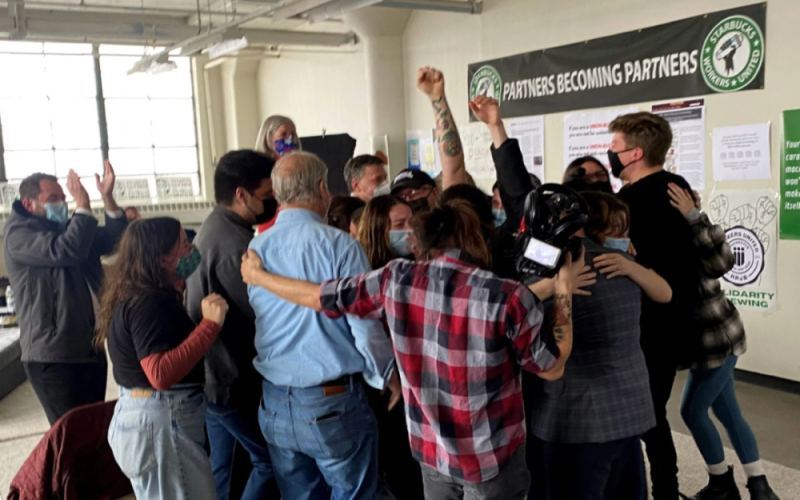
Schultz's Post-Return Benefits Strategy at Starbucks: Why Unionized Stores Are Excluded
After Howard Schultz returned to Starbucks as interim CEO, he immediately suspended billions of dollars in stock buybacks and redirected the funds toward employee benefits and store operations. Some U.S. Starbucks employees saw this move as a victory for union efforts, but Schultz later made clear that the new benefits could not legally cover unionized stores and partners, because federal law requires separate negotiations for the pay and benefits of union members. Labor law experts pointed out that companies have the right to explain differences in benefits, but suggestive maneuvering could constitute an unfair labor practice. This tug-of-war between benefits and unions showcased the shift in Schultz's management style from tough to tender. [more…]

From Gao Qiqiang chewing coffee grounds to the Italian Mafia's lemon zests: alternative ways to eat coffee grounds and how to make them
Recently, the scene in *The Knockout* where Gao Qiqiang eats dry black coffee powder has left a deep impression on many viewers. Some even dug out instant coffee powder to imitate it, only to end up choking and looking rather狼狈. In reality, there is indeed a group of tough characters who can swallow raw coffee powder without batting an eye—the Italian Mafia. They are fond of a dessert called Lemon Mafia: thin slices of lemon sprinkled with sugar and roasted into caramel, then topped with coarsely ground dark roast coffee powder or simply whole coffee beans, all downed in one bite. The sweet, sour, fragrant, and bitter flavors explode in the mouth instantly, refreshing and alerting. This article explores the origins of this way of eating and includes simple, easy-to-follow steps so you can experience the taste of a "boss" yourself. [more…]
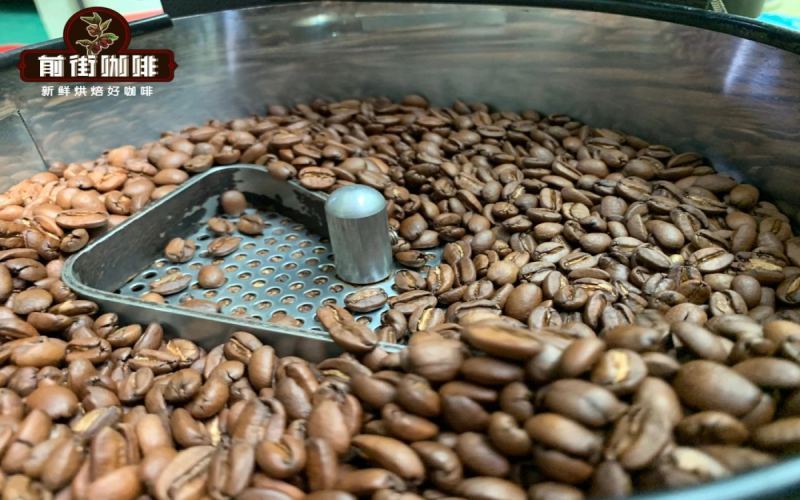
The Chemical Principles of Coffee Bean Roasting and a Detailed Explanation of Eight Roast Levels: Which Roast Suits Golden Mandheling
Roasting is the key step that transforms green coffee beans into an aromatic, flavorful beverage. Under the effect of heat, the starches inside the green beans break down into sugars and acidic compounds, the cellulose gradually carbonizes, moisture and carbon dioxide escape, and proteins convert into enzymes and bind with fats, ultimately forming an oily film on the bean surface. During roasting, the beans expand like popcorn and make a cracking sound, but the outer skin is so tough that it does not actually split open. The roast level determines the coffee's color, the balance of acidity and bitterness, and the direction of its flavor, and is divided into eight levels from extremely light to Italian roast. This article analyzes the characteristics of each roast level one by one and, combined with Front Street Coffee brand recommendations, helps coffee lovers find the cup that suits their taste. [more…]

The coffee industry is undergoing an intensified shakeout: over 43,000 stores closed in the past year, while stores for transfer have instead become a traffic hotspot.
Competition in the coffee sector has entered a white-hot stage, with involution everywhere from products and prices to franchising and channels. Data from Canbaodian shows that the coffee shop closure rate is 13.3%, lower than the restaurant industry average of 22.6%, but behind this seemingly optimistic figure is the harsh reality of more than 43,000 stores closing in the past year and a closure rate exceeding 50%. Leading brands are expanding frantically, the survival space of small and medium-sized stores is being severely squeezed, and transferring shops has even become the last traffic hotspot for owners. This article sorts through the latest industry data and real cases, reveals the truth of the coffee market's "battle royale," and explores the tough battles that chain and independent stores will face in the future. [more…]

The Truth About Being a Barista: Why Is It So Quiet Behind the Bar? Unveiling the Professionalism and Tenderness Beneath the Aloof Exterior
Baristas standing behind the counter always give off a contradictory impression—warm yet distant. Why do they stay silent while brewing? Is it introversion or a deliberate choice? Starting from everyday observations, this article restores the barista's true working state—silence stems from an extreme focus on flavor, but once they open up, they can chat with you from coffee beans to all of life's ups and downs. At the same time, a reminder: don't blindly romanticize this profession. Getting along with baristas requires understanding their unusual schedules and coffee-saturated minds. Want to invite a barista for a chat? Take a look at this "icebreaker guide" first. [more…]
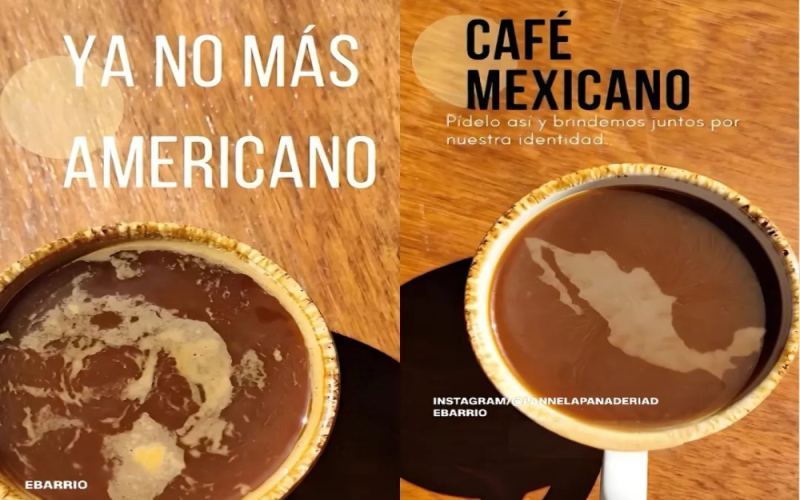
Mexican Coffee Shops Rename Americano to Mexicano, Responding to U.S. Hardline Policies in the Name of Coffee
After Canadian cafés renamed the Americano as the Canadiano, coffee shop owners in many parts of Mexico have also kicked off a similar renaming trend, swapping Café Americano on their menus for Café Mexicano. Behind this seemingly small gesture is a collective response by the Mexican public to a series of hardline measures by the United States — its immigration policies, tariff threats, and the renaming of the Gulf of Mexico. From Mexico City to Monterrey and Guadalajara, the campaign is spreading rapidly through social media, and the name of a cup of coffee is turning into an expression of identity and political stance. [more…]

Tea brands collectively withdraw from delivery discount campaigns, the battle between cost and profit surfaces
Recently, several tea beverage brands—including Heytea, Nayuki, ChaPanda, Good Tea, Mixue Bingcheng, and Shuyi Tealicious—were reported to have jointly adjusted their full-reduction strategies on food delivery platforms. The original full-reduction discounts have been uniformly changed to 1 off 50, 1 off 70, or even canceled outright. Once the news broke, related topics quickly trended on social media, with views exceeding 180 million. Merchants say profits are thin, while netizens question why milk tea, which isn't cheap, still isn't making money. Behind this controversy lie both the pressure of platform commissions and delivery costs, and a reflection of the difficult position of the new tea beverage industry, caught between price cuts and losses. [more…]
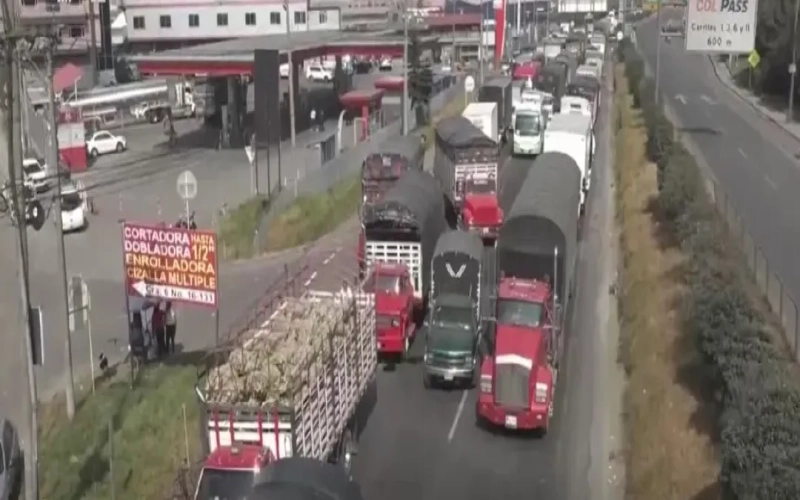
Colombian truck drivers block roads to protest diesel price hikes, disrupting transport and supply chains for coffee and other agricultural products
Colombia has been hit by truck driver protests blocking roads since September 2, triggered by the government's decision to gradually phase out fuel subsidies and raise the price of diesel by 1,904 pesos per gallon. The protests have continued to escalate, with 136 road blockades reported nationwide, nearly 1.6 million people affected in their travels, and schools suspended in many places. Goods are piling up at ports and airports, and agricultural products such as fruit and coffee beans are rotting faster due to the high temperatures of the dry season. Colombia's Ministry of Mines and Energy has said diesel prices may continue to rise in the future, and although the government is willing to hold talks, its stance remains tough. Factors such as rising logistics costs, a shortage of truck drivers, and wildfires in Cauca Department that have destroyed coffee fields are compounding, driving Colombian coffee prices steadily higher and putting the supply chain at risk of further deterioration. [more…]