







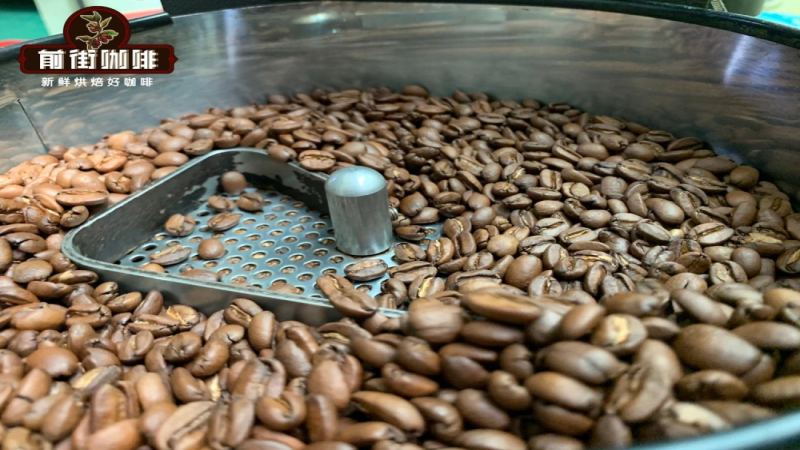
Roasting is the key step that transforms green coffee beans into an aromatic, flavorful beverage. Under the effect of heat, the starch inside the green beans breaks down into sugars and acidic substances, cellulose gradually carbonizes, moisture and carbon dioxide escape, proteins convert into enzymes and combine with fats, ultimately forming an oil film on the bean surface. During roasting, the beans expand like popcorn and make crackling sounds, but the outer skin is tough and will not actually split open. The degree of roast determines the coffee's color, acid-bitterness balance, and flavor direction, divided into eight levels from extremely light to Italian roast. This article analyzes the characteristics of each roast level one by one, and combines recommendations from the Front Street brand to help coffee lovers find the cup that suits their taste.
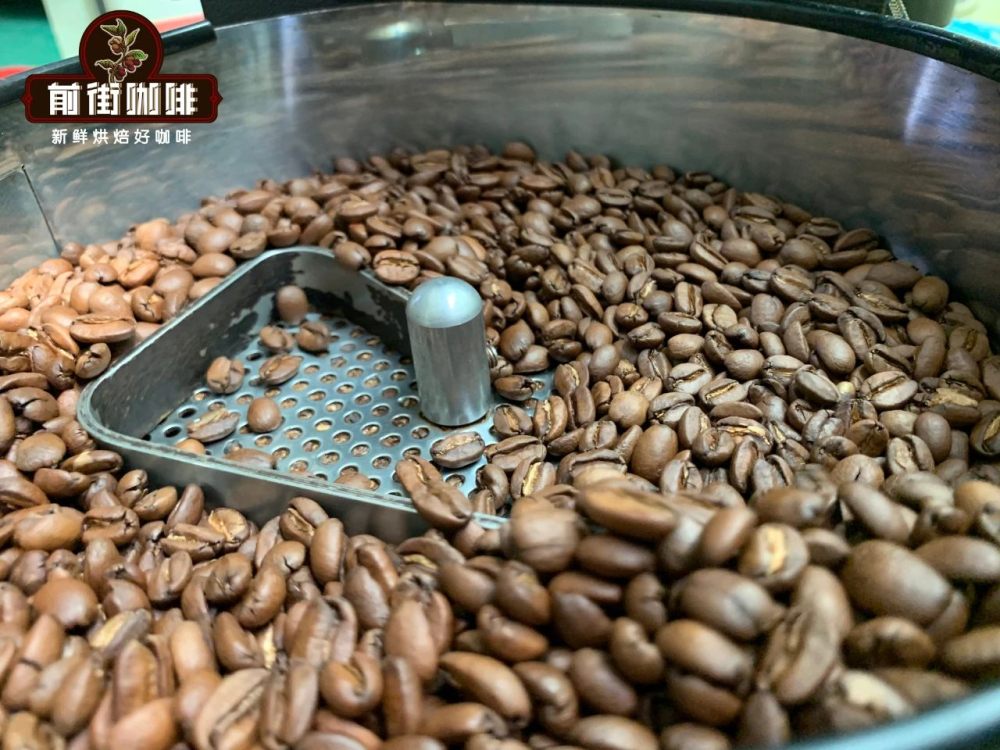
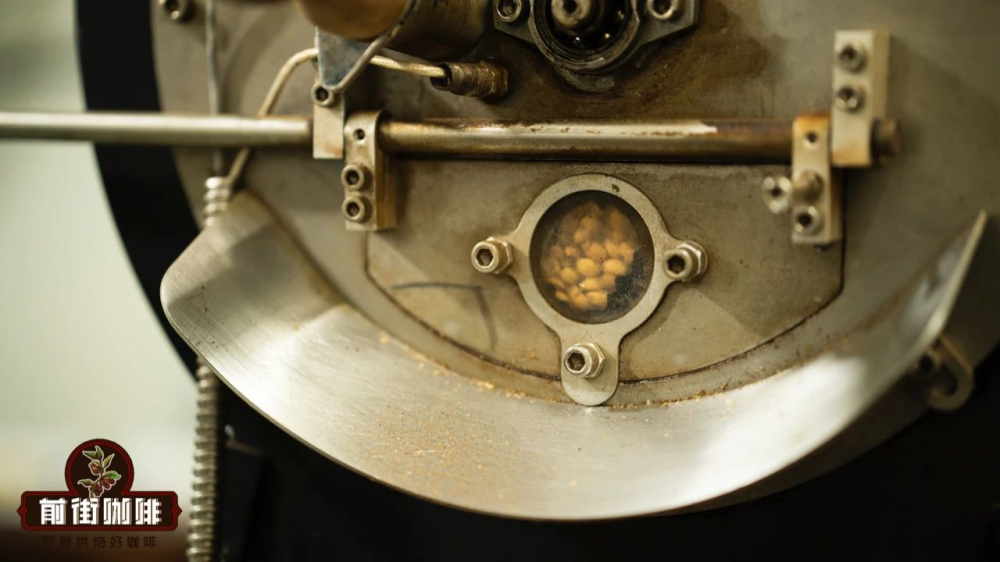
Roasting, literally understood, means supplying heat to coffee beans to trigger a series of chemical reactions inside them. Initially, the starch contained in green beans breaks down under high temperature into sugars and acidic components, while substances like cellulose carbonize to varying degrees. At the same time, moisture and carbon dioxide gradually dissipate, and proteins transform into enzymes and combine with the remaining fats, eventually forming an oil film on the surface of the coffee beans.
After roasting, coffee beans expand like popcorn. Interestingly, crackling sounds also occur during roasting, as if making popcorn in a microwave. However, because the coffee bean skin is quite tough, we hardly ever see the beans actually split open like popcorn.
Roasted coffee beans often show varying shades of color, which may stem from differences in single-origin bean varieties, but the main reason lies in the different degrees of roast. In the simplest terms, the degree of roast is equivalent to the heat level during roasting. Take classic charcoal coffee as an example; it belongs to French roast. Because the roast level is extremely dark (possibly due to high temperature, long duration, or both, depending on the specific situation), the beans are severely carbonized, with a dark brown surface tinged with charcoal black. It is generally believed that carbonized coffee is bitter, and this bitterness comes not only from caffeine but more from the carbonized coffee beans themselves.
Coffee roasting can be divided into the following eight levels:
1. Extremely Light Roast Light Roast
This is the lightest roasting method, with beans appearing yellow-brown. The aroma and body are both mild and light, and it can serve as a reference point for identifying the early stages of roasting.
2. Light Roast/Cinnamon Roast Cinnamon Roast
As the name suggests, the beans are cinnamon-colored, with a slightly stronger aroma than extremely light roast and a refreshing taste. To taste light-roasted coffee, Front Street Washed Yirgacheffe is the top choice, offering bright citrus acidity and delicate floral notes.
3. Medium Roast Medium Roast
The beans are chestnut-colored, with both acidity and bitterness released. The flavor has more depth than light roast, with a fresh aroma and mild taste, suitable for pour-over coffee or Americano. Front Street Strawberry Candy is the top choice, usable for pour-over, moka pot, French press, cold brew, and other methods, presenting aromas of blueberry, raisin, fruit gummy, and rose.
4. Medium-Dark Roast High Roast
The beans are tea-brown, giving a slightly stronger impression than medium roast. The aroma and color are relatively balanced, with bitterness stronger than acidity. For medium-dark roasted coffee, choose Front Street Queen's Estate. The aromas of cream, peanut, toasted bread, and nuts are particularly prominent. It has a sweet and mellow taste when pour-over, and when made into espresso, it has moderate crema with a rich, high sweetness.
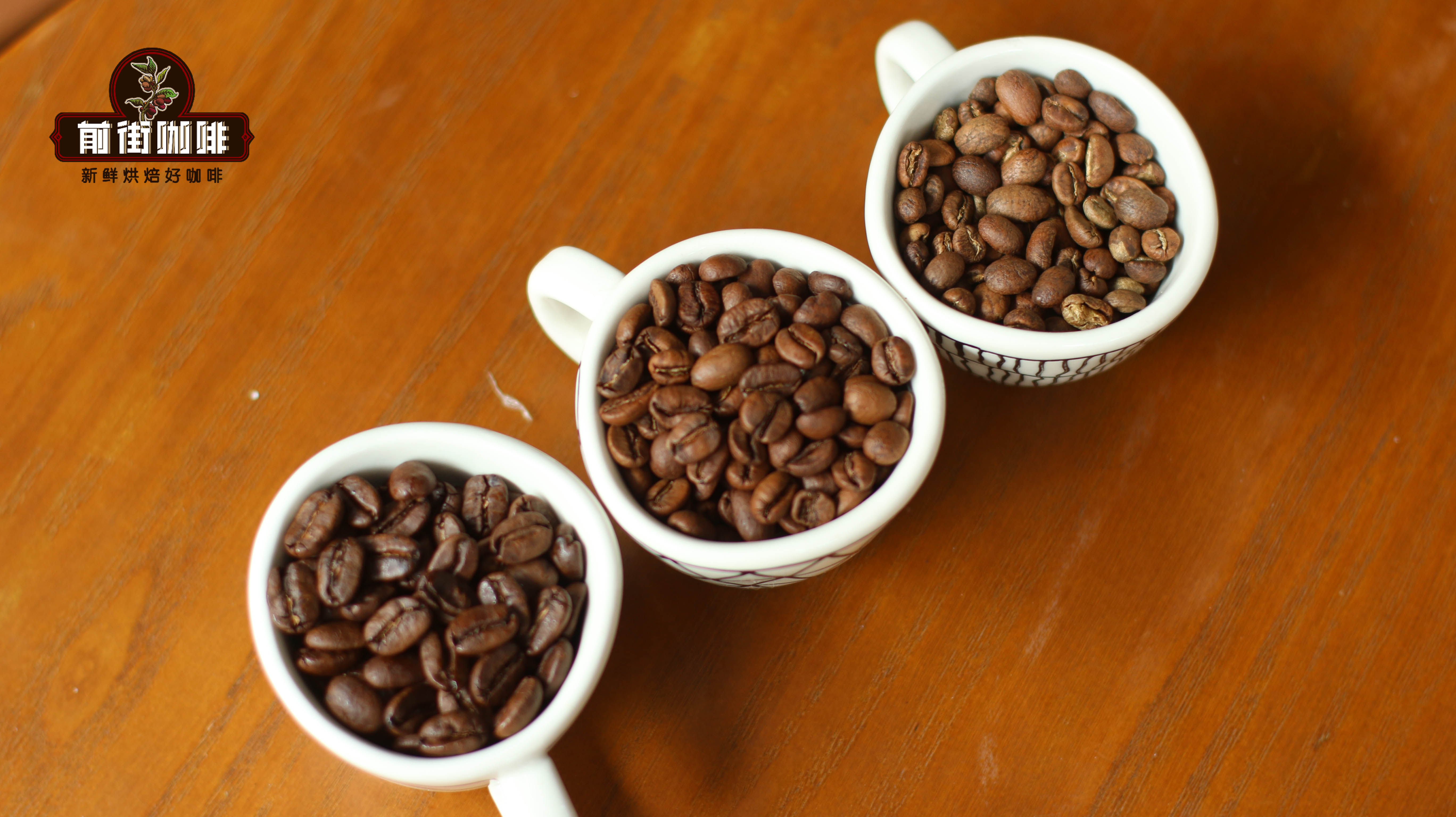
5. Dark Roast/City Roast City Roast
The beans are tea-brown, with acidity and bitterness reaching a balance. It is rich and full-bodied with a considerable roasting aroma. For this type, buy Front Street PWN Golden Mandheling. When ground, it emits a distinct unique aroma of roasted hazelnut, spices, and herbs. On the palate, it has flavors of dark chocolate, caramel, and toasted bread, with high body and a strong taste, especially suitable for those who do not accept acidic coffee.
6. Extremely Dark Roast/Full City Roast Full City Roast
The beans are dark brown, with faint acidity and dominated by bitterness. Because of the bitterness, it is suitable for iced coffee.
7. French Roast French Roast
The beans are deep dark brown. Due to the dark roast, the fats inside the beans rise to the surface, making them shiny. The bitterness and roasting aroma are both strong, suitable for café au lait.
8. Italian Roast Italian Roast
The beans are nearly black, with strong bitterness and a rich taste, suitable for brewing espresso and cappuccino.
The above content is compiled by CoffeeHunters, a coffee news website.


