







Can coffee quality help independent cafés survive chain competition?
Independent coffee shops are being squeezed by chain brands such as M Stand, Manner, Luckin, Starbucks and Cotti, which expand quickly and push low prices. An owner who held her spot for over a year saw two chains move in next door. For many regular drinkers, the cheaper, consistent cup from a chain wins on convenience and reliability alone.
The complaint cuts both ways: customers say some niche cafés start around 38 yuan, taste inconsistent, and depend on luck. Chains train staff to unified standards, so output stays steady. That gap is why coffee quality alone does not guarantee loyalty; shops must make their quality predictable, readable and worth the price difference.
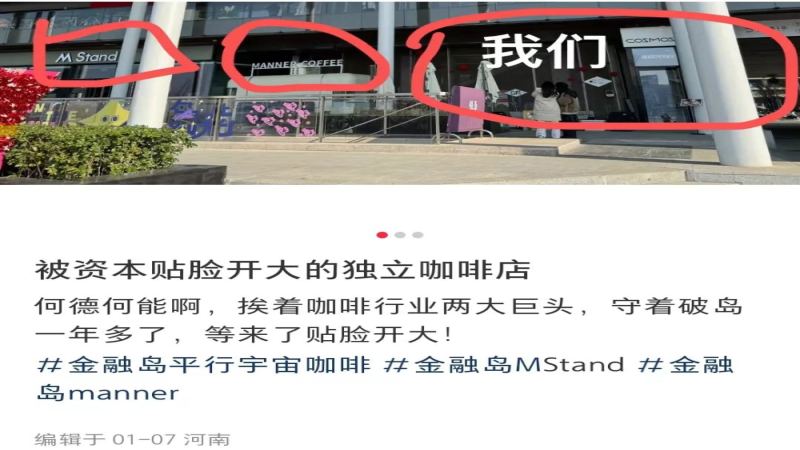
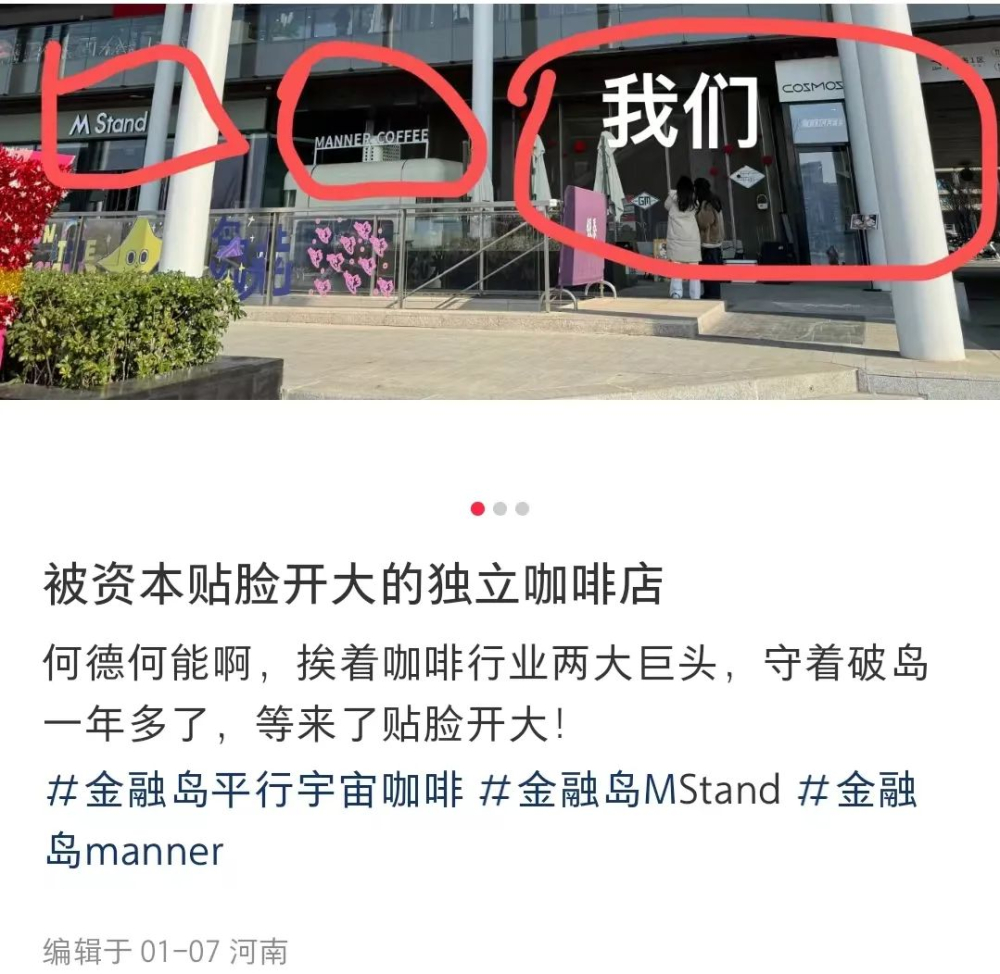
An independent coffee shop owner recently posted about how two chain brands, M Stand and Manner, had moved in next door one after another, and a territory she had held for over a year was suddenly "blown wide open by capital right in her face." This experience struck a chord with many peers, and in the comments section, independent shop owners shared their own stories of being surrounded by brands like Luckin, Starbucks, and Cotti. In the face of efficient expansion and low-price strategies by capital-backed chains, how should independent cafés that focus on quality respond to this tough battle? This article explores the topic from multiple angles, including consumer choice, the current state of the industry, and competitive pressure.
▲
Click to follow | Daily specialty coffee culture magazine Coffee Workshop
Recently, an independent coffee shop owner "vented" on social media that two chain brands had suddenly appeared next to her shop one after another. First M Stand moved in, and then Manner followed. After holding her ground for over a year, she never expected what she would ultimately get was "capital blowing up in her face."
For people who drink coffee regularly, many admit that compared with independent cafés, they tend to choose nearby chain brands.
With the backing of capital, a cup of coffee that is affordable and tastes good has become easily accessible. Staff at branded stores are trained according to unified standards, ensuring efficiency and consistency in output. Some independent shops' baristas, however, have stronger personalities, and the moment customers walk in and see the prices on the menu, they may be put off. Whether the coffee tastes good depends entirely on luck, and sometimes customers even end up being inexplicably "lectured."
Therefore, compared with niche shops that often start at 38 yuan and whose quality is hard to guarantee, chain brands with stable prices and reliable output are clearly more attractive. One netizen commented: "The range between the best and worst niche coffee shops is just too big. For office workers seeking consistency, commercial coffee really is a bit better." "Some niche shops are just small workshops, and their output is not stable at all." "Private cafés are more expensive than many chains, and the taste is like drawing a lottery."
In response to these discussions, the shop owner also responded. She explained that her shop was the first coffee shop in this commercial district, and her team members have been working in the coffee industry for more than ten years, and their prices have never exceeded 30 yuan. From the beginning, when almost no one came, to now just starting to gain some traction, they have been squeezed in various ways by the mall, which allowed brands to enter the district in the form of rent-free coffee carts, and even placed them right next to her shop's outdoor seating area. In a coffee market dominated by capital like this, independent shops are destined to face a tough battle.
Regarding the phenomenon mentioned by netizens that "niche independent shops are prone to landmines," she said she completely understands that businesses that are both unprofessional and absurdly priced should indeed be eliminated by the market. But should those conscientious independent shops that steadily pursue a specialty coffee path also be dragged down because of this?
Just as this shop owner was still complaining about unfair leasing, many peers immediately showed up in the comments section after seeing the post, rushing to share their own experiences of being "blown up in the face by brands." According to these independent shop owners, their cafés were originally the only one of their kind on the street, but now either Luckin opened on the left and Manner came on the right, or a Starbucks appeared across the street, or otherwise K Coffee or Cotti was added diagonally across the way...
Of course, some netizens in the comments section also comforted the shop owner, believing that the customer base of independent cafés is ultimately different from that of chain brands, so there is no need to be overly pessimistic. Independent shops focus on specialty coffee, friendly service, and a unique spatial atmosphere, while affordable coffee is aimed at office workers who buy and leave, mostly for caffeine intake. Moreover, stores can bring foot traffic to each other, and as long as service standards and coffee quality are solid, they can make it through.
Chain coffee brands backed by capital, relying on strong financial strength and extensive operational experience, can use market gaps to expand rapidly and attract and lock in a large number of consumers with low prices or discounts. In addition, brands also use technological means to proactively collect user data and consumption preferences, and then improve sales through market analysis and precision marketing. This playbook is almost impossible for independent cafés to replicate, and it also puts independent shops under greater pressure in market competition.
Finally, speaking about the impact brought by the entry of the "giants" into the commercial district, the shop owner said: We will not easily admit defeat, but competing with capital is destined to be a tough battle, and losing is not shameful.
Image source: Xiaohongshu
Disclaimer: Some images in this article are from the internet, and for some content on the website, such as images, we will respect the original author's copyright and indicate the source. However, due to the large quantity, there may be individual images or texts that have not yet been credited. Please understand. If the original author has any dispute, they may contact the website for handling, and once verified, we will correct it immediately. Compiled and edited by "Coffee Workshop." Please indicate the source when reposting. If there is infringement, please inform us for deletion. Thank you~!
The above content is compiled by CoffeeHunters, a coffee news website.


