







Why Does Manners Coffee Service Define the Barista Job?
A barista's service mindset matters because a coffee shop is still a service business, even when it borrows the look of foreign cafe culture. Treating coldness, impatience and poor manners as personality traits hides a simple fact: serving customers is part of the job, not an optional extra. Baristas who reject that reality tend to give worse service and limit their own growth in the industry.
The bias coffee workers carry often starts early, since many entering the field are young and have little service experience. Some see being served as normal but find serving others beneath them, so they use an unapproachable attitude as armor. Professional knowledge and technical skill cannot replace courtesy; a barista who pairs brewing skill with genuine service awareness serves customers better and is valued more by employers.
The profession of barista has gained increasing popularity among young people in recent years, but controversy surrounding it has never ceased. Some believe that baristas should be individualistic and cool, and need not humble themselves before customers; others feel that coffee shops ultimately belong to the service industry, and providing quality service is simply part of the job. This article starts from the professional positioning of baristas, exploring what service awareness means for this job and how baristas should correctly view their role. The article also analyzes why professional knowledge and skills must complement the spirit of service—neither can be missing. If you are working in the coffee industry, or are curious about the real situation of baristas, this article may bring you some inspiration.
There was a time when baristas gave people the impression of being warm and friendly. But at some point, some among them began deliberately keeping their distance from customers, even treating coldness, impatience, and lack of manners as their own labels, with "that's just my personality" becoming a shield for all inappropriate behavior.
Whether they are coffee apprentices just entering the field or baristas who already have some foundation in knowledge and skills, many share this mindset: working in a coffee shop is something extraordinary, and extraordinary people should have "personality," so baristas must present themselves as different from everyone else.
But many people overlook a fundamental fact: even though coffee shops wear the cloak of foreign culture, they are essentially still part of the service industry, and the job of a barista inherently includes the responsibility of serving customers. The reason for this cognitive bias may be that those entering the coffee industry today are mostly young people who generally lack service awareness, or it may be that they are consciously or unconsciously avoiding the reality that baristas need to serve others. In the eyes of these young people, having others serve them is only natural, while serving others seems to make them "lose face" or appear "inferior."
This is precisely why so many baristas choose to arm themselves with "personality." Because once they project an unapproachable attitude, customers won't bother them, and they won't have to be polite to customers either. Most importantly, as long as they look "cool" enough, no one will call them a "waiter."
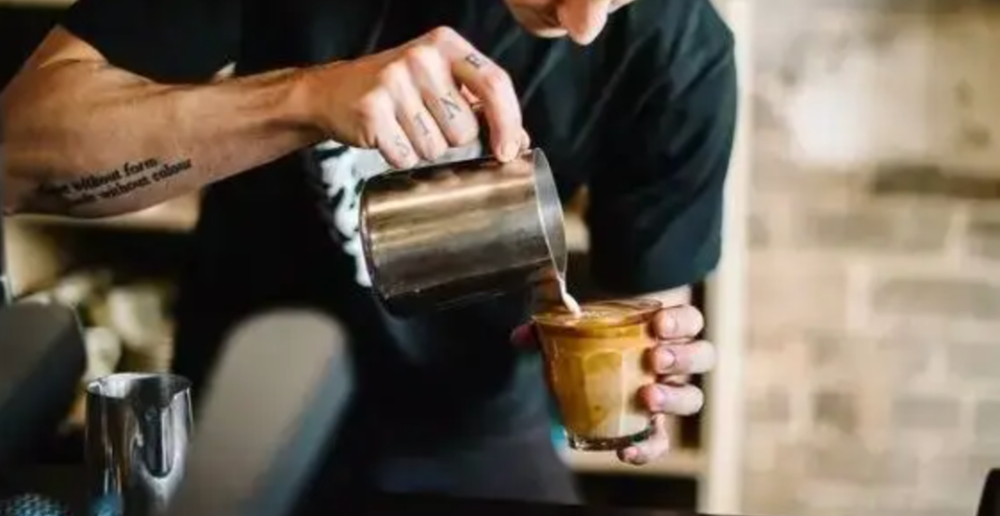
Is providing service to customers really shameful? Of course not. No matter which industry you work in or what position you hold, service ability is a reflection of professional competence. If you want more people to encounter and understand specialty coffee, you must convey this culture through service. If you have clearly mastered professional knowledge and honed excellent skills, yet are content only with self-indulgence, or are willing only to exchange ideas with a few "gurus," then where is the value of the barista profession?
The position of barista was created in the hope that practitioners would use their professional accumulation to help more people know and understand coffee and to promote the spread of coffee culture in a healthy, correct direction. Yet many baristas today are walking the opposite path. They care only about whether they can learn more advanced knowledge and think only of showing off their superiority in front of a group of coffee novices. They take endless delight in joking about novices not understanding coffee, yet are unwilling to shoulder the responsibility of spreading coffee culture. Isn't this a departure from the meaning represented by the word "master" in "coffee master"?
"Then I'll open my own shop and be my own boss—I can be as individualistic as I want, right?" Sure, but you might first want to think clearly about what the purpose of opening a café really is. Even if it's not to make a living but purely to realize a passion, wouldn't you want your shop to have customers the moment it opens every day, and then for you to calmly and intently brew every cup of coffee in the sunlight while customers happily savor the coffee you make? But if you are unwilling to provide even the most basic service, how many people would be willing to walk into your shop?
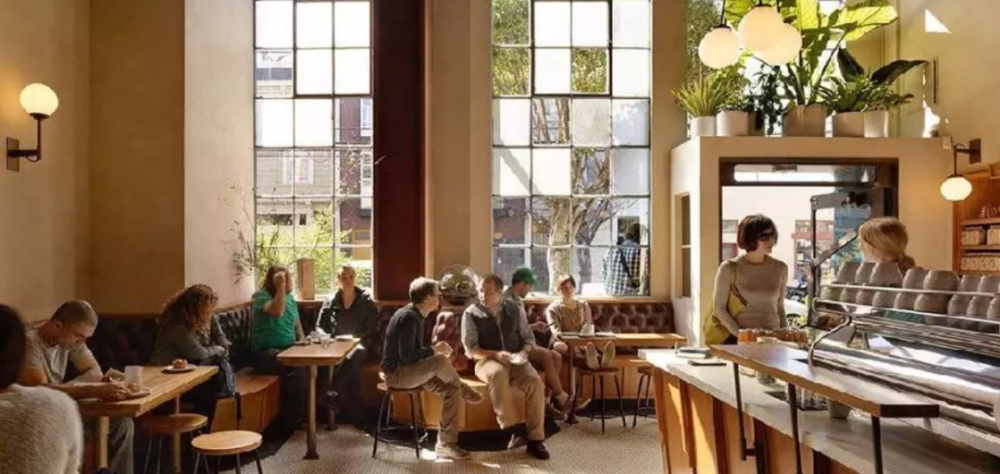
No matter how much professional knowledge you master or how exquisite your roasting and brewing skills are, once service is missing, everything becomes hollow and powerless. Knowledge and skills are the foundation, while professional service is the soul—neither can be neglected, and losing the soul will destroy the foundation. Don't think that serving others means being servile, and don't be afraid of customers making more demands. After all, the most challenging thing in this world is to make someone willingly pay for your service, and everyone weighs whether their effort is worthwhile.
Being "given a hard time" by customers is not necessarily a bad thing, because the process of dealing with difficult situations precisely reflects shortcomings in one's own professionalism. A small setback is instead a kind of motivation. You should not, just because you encountered a few difficult situations or don't want to hear criticism, waste the professional ability and skills you worked so hard to accumulate.
Everyone has the right to drink coffee, and everyone deserves to enjoy professional service in a coffee shop. Baristas, stop being so aloof.
Image source: Internet
For professional coffee knowledge exchange and more coffee bean information, please follow Coffee Workshop (WeChat public account: cafe_style).
For more specialty coffee beans, please add the private WeChat of Front Street Coffee, WeChat ID: kaixinguoguo0925.
The above content is compiled by CoffeeHunters, a coffee news website.


