







Search Results for: T2722 variety
Unraveling the Origins of the BOP Champion Geisha: The Varietal Legend from Ethiopia's Gesha Forest to Panama's T2722
Geisha is the most renowned specialty coffee variety after Blue Mountain, and it is also the priciest signature treasure of many cafés. Yet beans sold under the Geisha name can differ wildly in flavor. This article begins with the 2004 BOP competition, tracing Geisha's complete journey from the Gesha forest in Ethiopia to Kenya, Tanzania, and Costa Rica, before it finally shone at Hacienda La Esmeralda in Panama. It explains the origin of the key designation T2722 and answers why Geisha from Ethiopia and Costa Rica tastes noticeably different from Panama's. Front Street Coffee helps you understand the varietal truth behind sky-high Geisha in one article. [more…]
A Complete Guide to Panama Geisha Coffee: From Its 1931 Wild Discovery to the T2722 Variety and Hacienda La Esmeralda's Red and Green Labels
Geisha coffee is the most dazzling variety in the specialty coffee wave of the past two decades, constantly breaking global coffee price records. In 2022, the Lamastus family of Panama auctioned a batch of just 7 pounds of honey-processed Geisha for a staggering $6,034 per pound, drawing attention once again. However, Geisha's legend was not built overnight—it was discovered in Ethiopia in 1931, and after being cultivated and passed through Kenya, Tanzania, Costa Rica, and other places, it finally took root in Panama as the T2722 line. This article will trace the complete thread of Geisha from wild collection to fame, introduce in detail Hacienda La Esmeralda's Red Label and Green Label product lines, and share Front Street Coffee's Geisha brewing suggestions, giving you a comprehensive understanding of this rare variety. [more…]
The Difference Between Panama Geisha and Ethiopian Geisha: The Origins and Naming Code of the World's Most Expensive Coffee
Geisha consistently tops the list of the world's most expensive coffees, but many people ask: why is Panama always emphasized whenever Geisha is mentioned? Are Panama Geisha and Ethiopian Geisha actually the same thing? This article begins with the 1931 collection in Ethiopia's Kaffa forest, tracing the complete journey of Geisha as it passed through Kenya and Costa Rica, and was eventually discovered and made famous at Hacienda La Esmeralda in Panama through the Best of Panama (BOP) competition. It explains the origin of the T2722 designation, as well as the commercial logic behind the many "Geisha" names on the market. The article also explains how to distinguish origin by the spelling difference between Gesha and Geisha, and includes Front Street Coffee's purchasing advice and product recommendations. [more…]
What Kind of Coffee Is Geisha?|Why Are Geisha Coffee Beans Always Associated with Panama? Which Coffee Regions Grow Geisha? What Makes Panamanian Geisha So Unique?
Many friends have noticed this phenomenon: whenever people chat about Geisha coffee, even though no specific region is mentioned, the first thing that often comes to mind is Geisha from Panama; or when talking about Panamanian coffee, they will directly assume it is the Geisha variety; some even go so far as to directly [more…]
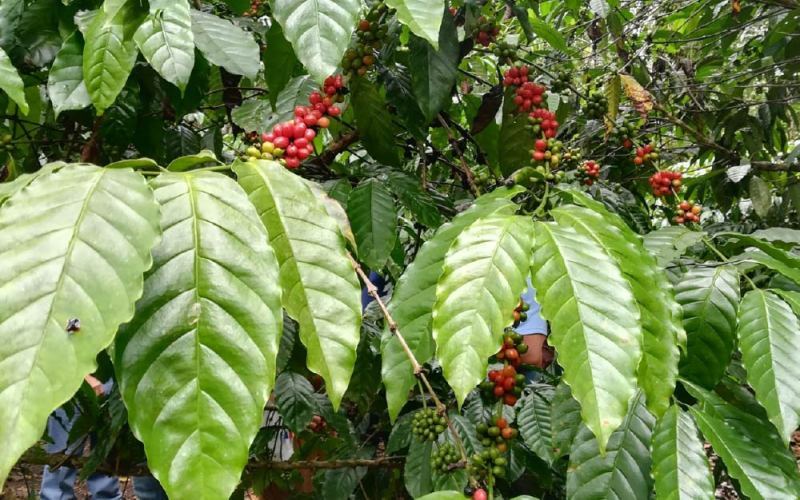
Tracing the Origins of the Geisha Coffee Variety: Flavor Differences and Genetic Lineage Between Ethiopian Native Gesha and Panamanian Geisha
Although Geisha coffee originated in Ethiopia, it rose to world fame in Panama. What many people do not know is that the Geisha grown in Central America today and the native Geisha of Ethiopia are actually two different varieties, a fact hinted at by the difference in spelling between Gesha and Geisha. Through comparison, Front Street Coffee found that Panamanian Geisha is known for its refined fruit acidity, floral aroma, and tea-like body, while native Ethiopian Gesha presents notes of citrus, almond, and tea, with slightly less complexity. This article traces Geisha's century-long journey from being collected in the Kaffa forest to achieving fame in Panama, sorts out the genetic relationship between T2722 and Gesha1931, and introduces the flavor characteristics of the Ethiopian Gesha Village and Panamanian Hacienda La Esmeralda series Geisha coffee beans currently sold by Front Street Coffee. [more…]
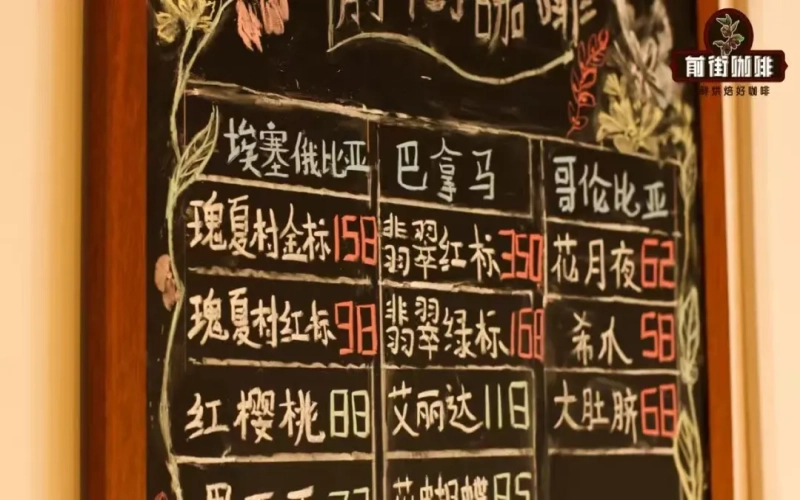
An Analysis of Geisha Coffee Flavor Profiles: Comparing the Differences Between Panama, Ethiopia, Peru, and Costa Rica Geisha
Why does coffee that is also called Geisha taste so different? From Front Street Coffee's perspective, this article systematically sorts out the flavor tiers and producing-region differences of Geisha coffee. The article points out that variety, terroir, processing method, and roasting together determine the taste of coffee, among which variety accounts for 70% of the base flavor and terroir accounts for 30%. Front Street Coffee recommends the washed Geisha from the Boquete producing region of Panama as the entry-level choice for the classic "Geisha flavor," and compares in detail Hacienda La Esmeralda's Red Label and Green Label, 90+ Eleta Anaerobic Geisha, Costa Rica Strawberry Candy, Peru Cajamarca Washed Geisha, as well as Ethiopia Gesha Village's Gori Geisha and Geisha 1931. Whether you want to get to know traditional Geisha or explore the style variations of different producing regions and processing methods, you can find clear references in it. [more…]

How to Make Delicious Cold Brew Coffee: Single-Origin Bean Selection Ideas and Brewing Parameters Explained
Cold brew coffee is made in a special way and needs to be prepared a day in advance, so cafes usually do not offer as many bean choices as they do for pour-over. This article focuses on the brewing method and water-to-coffee ratio parameters for cold brew, starting with Front Street Coffee's cold brew procedure: using 50 grams of coffee grounds as the base, with a grind size referencing an 85% pass rate through a No. 20 standard sieve, paired with 400 milliliters of room-temperature water and 200 grams of hard ice cubes, at a coffee-to-water ratio of 1:12, left to steep in the refrigerator for 12 to 24 hours before filtering, then refrigerated for about 4 hours before drinking. It then combines the characteristics of cold brew—not bitter, mildly acidic, mellow in flavor, and with a low-temperature aging and fermentation feel—to share directions for selecting single-origin beans suitable for cold brew, including washed process and Geisha (T2722), and gives specific recommendations from Front Street Coffee's bean list. [more…]
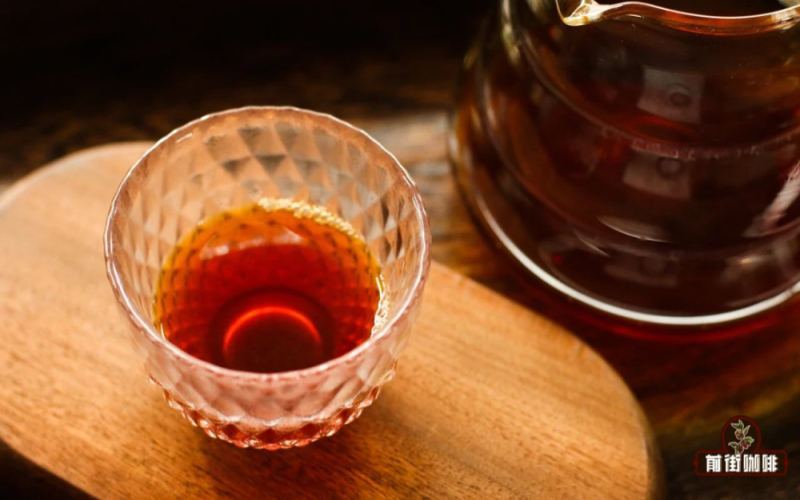
The Origin of the Geisha Coffee Name: A Variety Legend from Geisha Mountain in Ethiopia to Hacienda La Esmeralda in Panama
Geisha is one of the most highly regarded varieties in today's specialty coffee world, having won over countless coffee lovers with its complex flavors woven from floral notes and tropical fruits. This variety originated in the Geisha Mountain Kaffa forests of southwestern Ethiopia, yet rose to fame through its discovery at Hacienda La Esmeralda in Panama. From being collected and recorded as T2722 in 1931, to winning first place in the BOP competition in 2003, and then stunning the world at the SCAA evaluation in 2005, Geisha has traveled a long and winding road. This article will provide a complete overview of the origin of the name Geisha, the historical spread of the variety, the terroir advantages of the Boquete producing region, and Front Street Coffee's professional recommendations for roasting and brewing, guiding you to a comprehensive understanding of this new king among specialty coffees. [more…]
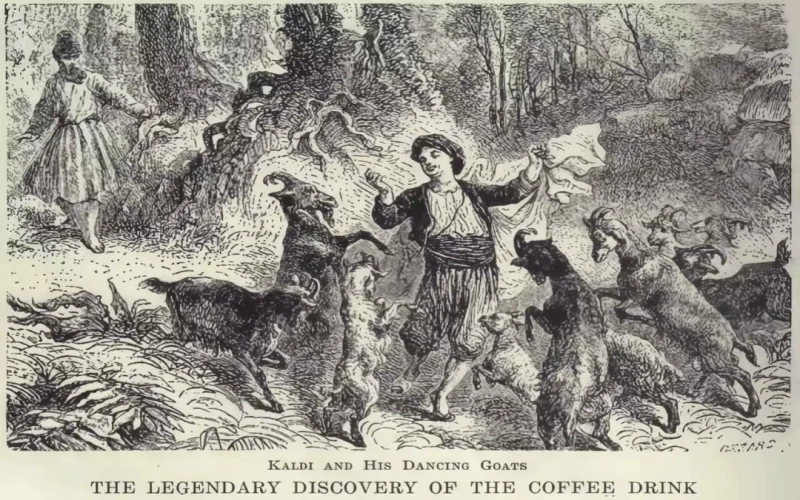
How does Ethiopian Kafa Forest Geisha coffee taste? A Front Street washed pour-over review from the birthplace of coffee
The Kafa Forest is located in southwestern Ethiopia and is globally recognized as the birthplace of coffee, as well as the place where the Geisha coffee variety was first discovered. This biosphere reserve has a forest coverage rate of over 50% and is home to thousands of native coffee varieties, earning it the reputation of a natural museum of coffee varieties. Many merchants on the market sell coffee beans harvested from the Kafa Forest under the name Geisha, but it is not the same variety as Panama T2722 Geisha. Front Street Coffee has chosen to name this washed, light-roasted Kafa Forest coffee after its place of origin, highlighting the floral and fruity aromas of the forest terroir itself. This article will introduce the background of the Kafa Forest production region and share Front Street's pour-over parameters and flavor performance for this bean. [more…]

Luckin Panama SOE Bean-Hunting Conjecture: Flavor Characteristics of Caturra and Catuai Varietals and Their Performance in Latte and Dirty
After launching the Huakui SOE and Geisha SOE, Luckin Coffee has once again set its sights on the Panama producing region, sparking widespread attention in the coffee community. Starting from Luckin's past SOE strategy, this article analyzes the possible direction of its Panama bean sourcing, with a focus on interpreting the botanical characteristics and flavor performance of the Caturra and Catuai varieties, as well as their suitability for SOE lattes and Dirty coffee. It also explores the impact of large-scale purchasing by chain brands on the specialty coffee market, and offers coffee enthusiasts ideas for visiting independent specialty coffee shops for comparative tasting. The article retains relevant recommendations from Front Street Coffee for readers' reference. [more…]
A Full Comparison of Three Famous Ethiopian Coffees: Gesha, Yirgacheffe, and Huakui—Origins, Varieties, and Flavors
Ethiopia is the birthplace of Arabica coffee and, in the minds of coffee lovers worldwide, a region with an exceptionally high quality-to-price ratio. Within this genetic treasure trove, Geisha, Yirgacheffe, and Huakui are collectively known as the "Three Giants of Ethiopian Coffee" thanks to their fame. Although most coffee enthusiasts have heard of them, not everyone can clearly explain the specific differences among the three in terms of regional attributes, the meaning of their names, and flavor expression. From the perspective of Front Street, this article systematically sorts out the origins and development of these three coffees: Yirgacheffe is actually the name of a region, Geisha is the name of a variety but has two references, and Huakui is a commercial name. Only by understanding their identities and flavors can one truly appreciate the rich charm of Ethiopian coffee. [more…]
An Analysis of the Regional Characteristics and Flavor Differences of Ethiopia's Three Renowned Coffees: Yirgacheffe, Geisha, and Huakui
Ethiopia, as the birthplace of Arabica coffee, is rich in natural genetic resources, and the coffee it produces is deeply loved for its affordable price and excellent quality. Among the many Ethiopian coffees, Geisha, Yirgacheffe, and Huakui are collectively known as the "Three Giants of Ethiopian Coffee" due to their extremely high popularity. However, many enthusiasts still do not fully understand the specific characteristics and differences of the three. From the perspective of Front Street, this article provides a detailed review of Yirgacheffe's producing region definition and washed flavor, Geisha's variety origins and its differences from Panama Geisha, and the origin of Huakui's commercial naming and its version evolution, helping readers gain a comprehensive understanding of the unique charm of these three major coffees. [more…]
Ethiopia Gesha Village Gold Label Gesha: A Full Analysis of the Grades and Varieties of Gold Label Batch Geisha Beans
Geisha coffee is often classified in China by terms such as Red Label, Gold Label, and Green Label, but what exactly do these "labels" represent? What are the similarities and differences between the labeling systems of Gesha Village and Hacienda La Esmeralda? Starting from the common questions at Front Street Coffee's stores, this article systematically sorts out the naming logic of Gold Label Geisha, the geographical and varietal background of Gesha Village, and the grade positioning of Gold Label lots. It also explains in detail the relationship between Geisha 1931 and Panama Geisha, and includes the origin information and brewing suggestions for Front Street Coffee's Gold Label Geisha, helping coffee enthusiasts fully understand the origins and development of this rare treasure. [more…]
Kenya AA Coffee Beans | Introduction to Kenyan Coffee Varieties SL28, SL34 and Their Flavor Characteristics
Just as different grape varieties produce wines with vastly different flavors, the variety of coffee beans is also one of the key factors influencing the flavor of the coffee in your final cup. Panama's T2722 Geisha is the best example—it has drawn widespread attention for its white floral aromas and citrus fruit notes. And today, Front Street Coffee wants to share [more…]
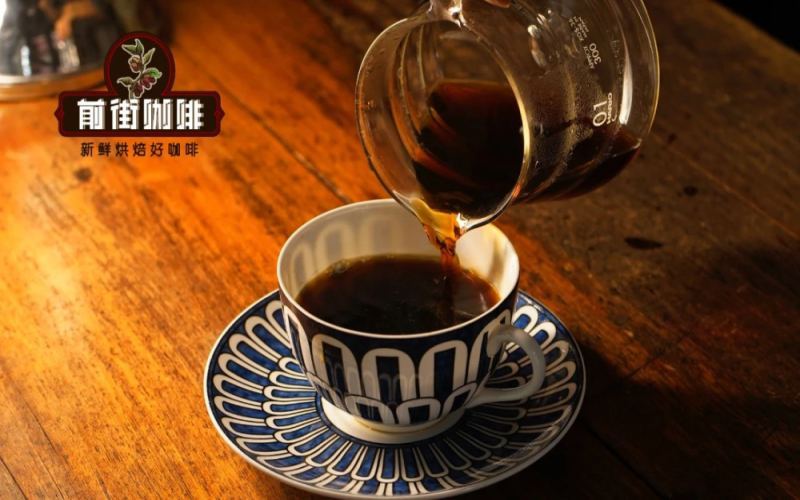
Why Is Panama Geisha So Expensive? A Full Analysis of Hacienda La Esmeralda Geisha Coffee's Variety Origins and Plots
Today, as the specialty coffee wave sweeps the globe, Geisha has long become synonymous with high-end coffee, and Hacienda La Esmeralda in Panama is the core driving force behind this legendary variety. From the T2722 seedlings introduced from CATIE in the 1960s, to the stunning breakthrough at the 2004 BOP, to the establishment of grading systems such as Red Label and Green Label, Hacienda La Esmeralda spent decades elevating Geisha to iconic status. This article will systematically review Geisha's varietal characteristics, Hacienda La Esmeralda's three major Geisha-growing plots, the microclimate differences among the farms, and the flavor distinctions between Red Label and Green Label, along with a hands-on comparison from Front Street Coffee, to help coffee enthusiasts understand why this cup of coffee, as elegant as floral-fruity tea, is so precious. [more…]
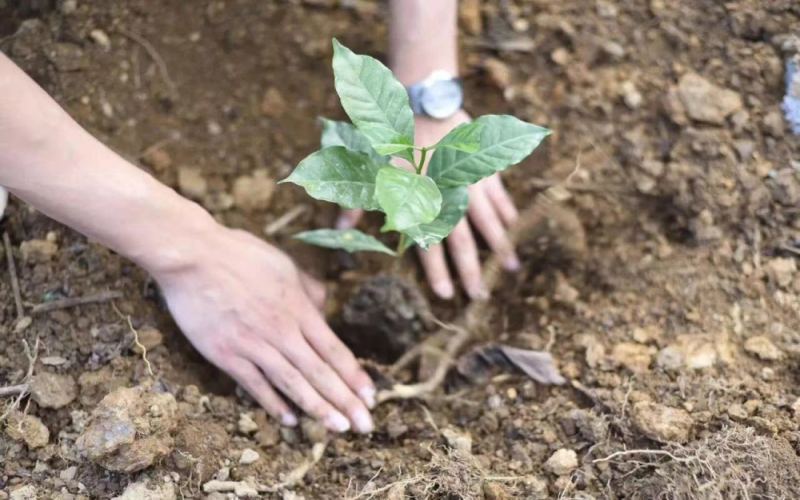
The Cultivation Origins of Geisha Coffee at Zuoyuan in Baoshan, Yunnan, and an Analysis of the Flavor Characteristics of Yunnan Arabica Coffee
Although the cultivation history of Yunnan Geisha coffee is not particularly long, it has taken root and grown in Zuoyuan in the Baoshan production area, becoming a bright spot in China's specialty coffee sector. The Geisha variety traveled from the primitive forests of Ethiopia to high-altitude estates in Panama, undergoing a long process of genetic adaptation and flavor transformation, and after being introduced to Yunnan, its flavor has taken on a different character due to differences in altitude, soil, and climate. This article will trace the spread of Geisha coffee, compare the flavor differences of Geisha from Ethiopia, Panama, and Yunnan, and specifically describe the plum acidity, berry-like sweet-tartness, black tea fermentation note, and nutty finish displayed by Yunnan Geisha coffee beans, giving you a comprehensive understanding of this variety's cultivation status and taste characteristics in Yunnan. For more specialty coffee bean information, you can follow the Coffee Workshop WeChat official account or add Front Street Coffee's personal WeChat for exchange. [more…]
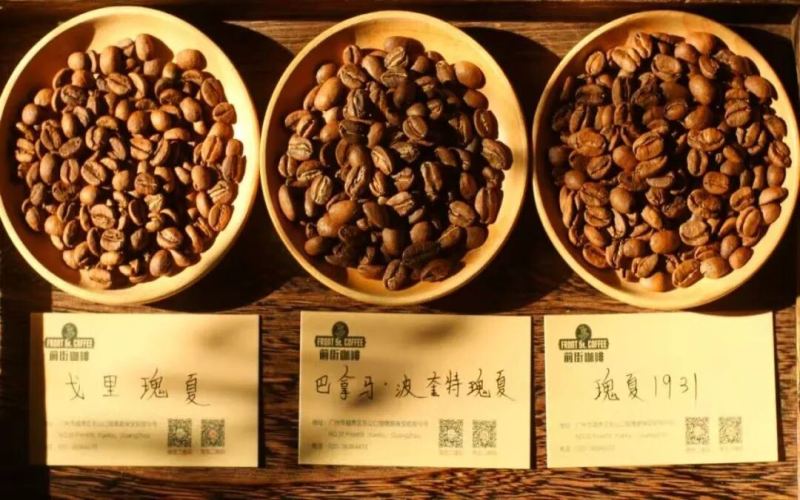
Gesha Village Coffee Grades | What Are the Differences in Flavor and Mouthfeel Between Ethiopia's Gesha Village Gold Label and Red Label Coffee?
Besides Hacienda La Esmeralda's Red Label and Green Label Geisha, there is another group of somewhat well-known "labeled" Geishas on Front Street Coffee's bean menu board. These are the Gold Label Geisha and Red Label Geisha from Ethiopia's Gesha Village. Front Street Coffee has previously shared the grading system of Hacienda La Esmeralda, and has also shared about two estates. [more…]
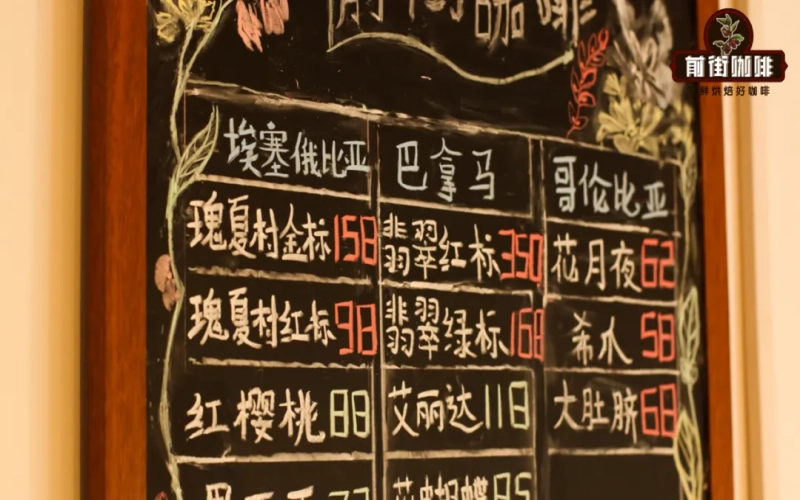
What is the difference between Gold Label and Red Label from Gesha Village? Do Gesha 1931 and Gori Gesha belong to the Gesha variety?
The Gold Label and Red Label coffees produced by Gesha Village Estate are a focal point for many enthusiasts. What exactly are the differences between these two products in terms of variety, grading, and flavor? And do the Gesha 1931 used for the Gold Label and the Gori Gesha used for the Red Label truly belong to what we commonly call Gesha? In this article, Front Street Coffee will sort out Gesha Village's grading system for you, from geographical divisions and variety tracing to cupping performance, and bring a specific brewing comparison of two natural-process lots, helping you more clearly understand the differences between these two lots. [more…]

Why is Panama Hacienda La Esmeralda Geisha so expensive? Analyzing top-tier Geisha flavor and key buying points
Geisha coffee has always been a hot topic in the coffee world, thanks to its unique flavor and jaw-dropping price. A single cup of auction-grade Geisha can cost thousands of yuan, and even regular lots sell for far more than ordinary varieties. What exactly makes Geisha so expensive? This article takes an in-depth look at the logic behind Geisha's high prices from the angles of yield, cultivation difficulty, and market demand, while also explaining in detail the classic flavor characteristics of Panama's Hacienda La Esmeralda Geisha and how to select coffee beans that truly carry that "Geisha taste." The article also specifically rounds up several Front Street Coffee Geisha products that meet the criteria of Panamanian origin, washed processing, and medium-light roasting, for enthusiasts to reference when making a purchase. [more…]
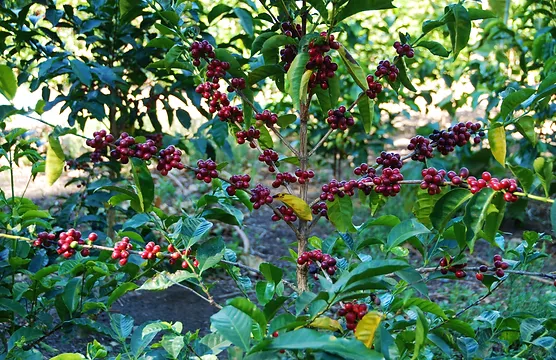
Panama Geisha | How is the quality of Hacienda La Esmeralda Green Tip Geisha coffee beans? What are the flavor characteristics of Panama BOP champion Geisha?
Every year, when the green coffee bean competition season arrives, the coffee community starts to get excited. Rubbing their hands in anticipation, they wait for the latest results, then immediately look for opportunities to taste the beans on the list. Besides classic regions like Ethiopia and Brazil, a new rising star region has emerged in recent years. Because of Panama's Geisha [more…]