







Ethiopia, as the birthplace of Arabica coffee, possesses rich natural genetic resources, and its coffee is deeply loved for its affordable price and excellent quality. Among the many Ethiopian coffees, Geisha, Yirgacheffe, and Huakui are collectively known as the "Big Three of Ethiopian Coffee" due to their extremely high reputation. However, many enthusiasts still do not fully understand the specific characteristics and differences among the three. This article, from the perspective of Front Street, provides a detailed overview of the Yirgacheffe production region definition and washed flavor, the varietal origins of Geisha and its differences from Panama Geisha, and the commercial naming origin and version evolution of Huakui, helping readers gain a comprehensive understanding of the unique charm of these three coffees.
Ethiopia is not only the birthplace of Arabica coffee but also a vast natural gene bank. This land has nurtured countless coffees with outstanding flavors, and combined with affordable prices, it has become the preferred production region for most coffee enthusiasts.
In Ethiopia's coffee landscape, there are three coffees whose fame is so prominent that they are collectively known as the "Big Three of Ethiopian Coffee." They are: Geisha (Gesha), Yirgacheffe, and Huakui.
Even those new to coffee often hear the names of these Big Three from seasoned enthusiasts. But if asked about their respective characteristics and differences, most people might find it hard to explain clearly, because most friends have not delved deeply into them. Therefore, today Front Street will have a good chat with everyone: what exactly are the characteristics of Yirgacheffe, Geisha, and Huakui, the "Big Three of Ethiopian Coffee"!
Yirgacheffe
If asked which coffees are the most representative of Ethiopia, Yirgacheffe will definitely be among the answers. Yirgacheffe is not the name of a coffee variety but the name of a coffee production region. Before the concept of specialty coffee became widespread, coffee was always named after its place of origin. Therefore, coffee beans produced in Yirgacheffe can all be called: Yirgacheffe coffee.
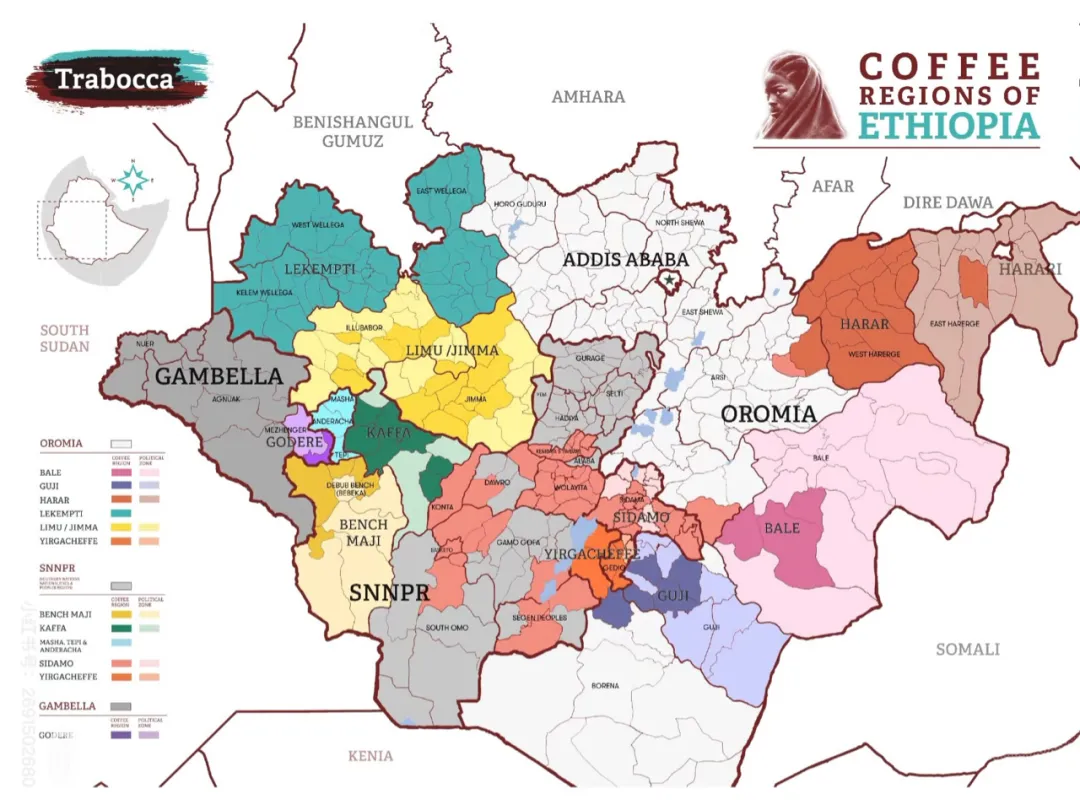
(Production region map drawn by the well-known specialty coffee green bean trader Trabocca)
As can be seen from the map, the Yirgacheffe production region is located on the eastern edge of the East African Rift Valley, with a cool and foggy climate year-round, spring-like conditions in all four seasons, and an average altitude between 1,700 and 2,100 meters, making it one of the highest coffee production regions in Ethiopia. Before 1995, Yirgacheffe referred only to a small town under the Sidama administrative region.
However, Yirgacheffe's superior geographical environment and unique cultivation system provided excellent growing conditions for coffee beans, enabling the coffee produced here to absorb more nutrients during growth and develop better flavors. Gradually, people discovered that Yirgacheffe coffee's flavor differed from other Sidama coffees, so after the abolition of provinces in favor of a federal system and several adjustments to the EXC (Ethiopian Commodity Exchange) coffee classification table, Yirgacheffe became independent from the Sidama production region and established its own category. The flavor that distinguishes Yirgacheffe from other production regions is also called: Yirgacheffe flavor.
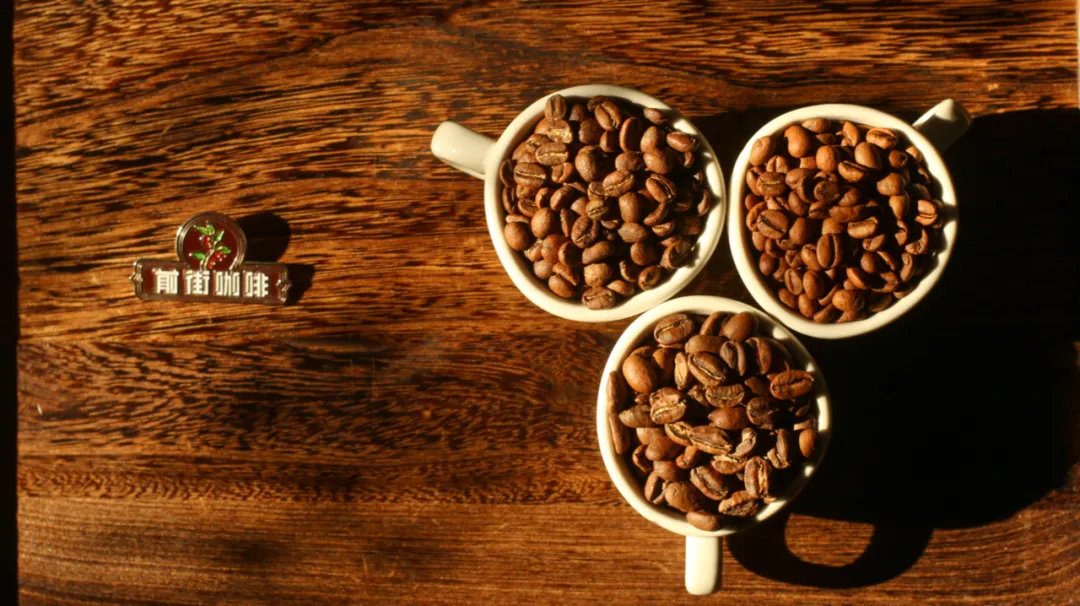
"Rich jasmine floral aroma, fresh lemon acidity, and a clean green tea finish" — this is what people call "Yirgacheffe flavor." To experience this deliciousness, washed processed beans from the Yirgacheffe production region are absolutely the best choice. This is because part of the reason Yirgacheffe became famous is that it adopted washed processing earlier than other production regions. Washing does not allow the coffee beans to over-ferment, allowing the beans' inherent flavors to be fully expressed, resulting in a cleaner overall performance. For example, the washed Gutingding that Front Street often shares is a representative selected by Front Street to emphasize the flavor of the Yirgacheffe production region.
That's all for the story of Yirgacheffe for now; Front Street will open a new chapter to chat in detail with everyone later. Next, what Front Street wants to share is the coffee that has been popular since 2004 to this day — Geisha.
Geisha (Gesha)
When mentioning Geisha, I believe everyone is familiar with it. "Geisha" is the name of a coffee variety. Since 2004, when Hacienda La Esmeralda used it to stun the world and outshine all competitors at its home country's BOP, Geisha became the "new overlord" of the coffee world. "Intense citrus acidity, elegant white floral aroma, and complex, varied fruit aromas" were the stunning impressions Geisha brought when it first emerged, and this also became what people call "Geisha flavor." But don't be fooled by Geisha's current glory — the road before fame was not smooth at all.
Although Geisha became famous in Panama in 2004, it was discovered more than seventy years earlier. Through sample comparison, people traced Geisha back to Ethiopia. In the 1930s, leaf rust caused severe damage to the coffee industry, and people needed to find coffee varieties with disease resistance to breed improved varieties to combat the disaster. Ethiopia, as a natural gene treasure trove, was naturally the best place to search, so the British traveled to Ethiopia to collect coffee varieties, attempting to find coffee with disease-resistant genes.
At that time, the team came to the Gesha area southwest of the Kafa forest to collect coffee varieties and named this batch of beans after the local name. The beans then traveled through Kenya, Tanzania, Uganda, and other places for research, and were later cataloged by Costa Rica's CATIE as an antifungal variety. "Geisha T2722" is the number of the Geisha variety in this batch of beans that ultimately reached Panama and rose to prominence.
So in a broad sense, what people call Geisha refers to "Geisha T2722" from Panama. This variety has slender, elongated beans that are oval-shaped, pointed at both ends, and plump in the center. The Geisha "Gesha" listed among the Big Three of Ethiopian Coffee does not refer to it! As can be seen from the above, the Geisha variety is named after the local Gesha area in Ethiopia, that is, the name of the collection site.
In other words, coffee beans from that area can all adopt this naming method and can all be called "Geisha." So later, when the Geisha wave became hugely popular, many "Geisha" varieties appeared in Ethiopia. They are not T2722 but native species from Gesha Mountain; they are simply called Geisha because of the same naming method. Among them, the most famous are Gori Gesha and Gesha 1931 from Gesha Village Estate.
After 2004, many people who were stunned by Panama Geisha traveled to the birthplace of Geisha — the Kafa forest — attempting to find the same Geisha variety locally. Among them was Adam, the current owner of Gesha Village Estate. Accompanied and guided by Willem Boot, owner of Finca La Mula, Adam went to the place where Geisha was originally discovered to select seeds. Because genetic comparison technology was lacking at the time, they could only identify similar beans by referencing the plant appearance, bean shape, and flavor performance of Panama Geisha. Ultimately, they identified Gori Gesha and Gesha 1931.
Currently, the Red Label Gesha from Gesha Village used by Front Street is the Gori Gesha variety, and its appearance differs somewhat from Panama Geisha. When brewed as a natural process coffee, its taste is more of the terroir of the Ethiopian production region itself, with a bright and full-bodied juice-like quality, showing flavors of citrus, pineapple, and mango.
The bean variety used for Gesha Village Gold Label is Gesha 1931! Compared to Gesha Village Red Label, its appearance and flavor performance are closer to Panama Geisha: delicate chamomile floral aroma, sweet-tart berries, citrus, honeydew, and a relatively pronounced tea sensation in the finish.
Huakui
The last of the Big Three is Huakui! When it comes to the fame of Ethiopian beans, Huakui's reputation may be even higher than the previous two. This is because Huakui has introduced "version numbers" (i.e., 2.0, 3.0, 4.0...), making everyone eagerly anticipate what surprises the new version of Huakui will bring each year. Last year, Huakui reached version 8.0, meaning Huakui has been known to the world for 8 years.
Huakui is neither the name of a coffee bean variety nor the name of a production region in Ethiopia; it is a commercial name. In early 2017, a naturally processed coffee bean from Hambela won the COE championship that year. This batch of beans was subsequently imported by a domestic green bean trader, who then gave it the name "Huakui" in the Chinese context, meaning "leader of a hundred flowers."
The Huakui coffee bean variety is a native species from the Hambela production region. However, because this name clashed with the Taiwan translation of Geisha as "Geisha" (geisha is a Japanese profession, and Huakui is the top-ranking geisha), many people developed the misunderstanding that "Huakui is Geisha." But in reality, the two are completely different concepts.
The earliest Huakui amazed everyone with its rich strawberry cream aroma, and the latest version, Huakui 8.0, still retains this major characteristic. In addition to strawberry and cream aromas, Huakui 8.0 also emits high-sweetness flavors such as guava, citrus, and melon. Moreover, it has a distinct rose aroma, with a sweet and rich fragrance.
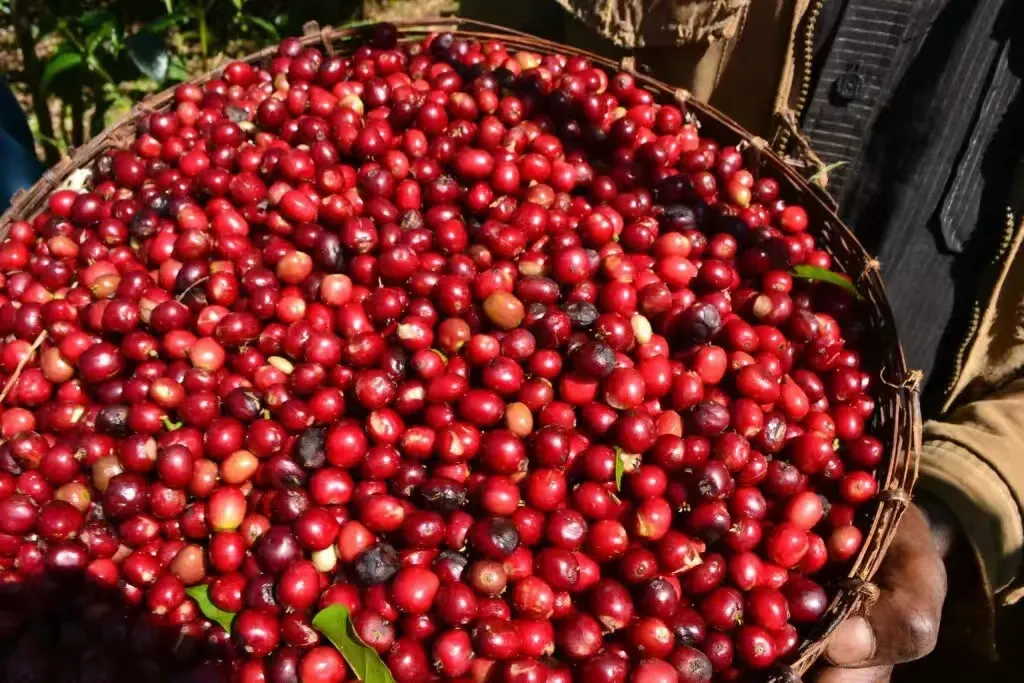
What are the differences among the Big Three of Ethiopia?
In summary, we can see that the characteristics and differences of the "Big Three" are very obvious. From the production regions they belong to, the meanings represented by their names, to their respective flavor characteristics, they are all completely different. So finally, Front Street's question is: among these Big Three, which one do you, the viewer, like the most?
The above content is compiled by CoffeeHunters, a coffee news website.


