







What Does the Geisha Coffee Variety Taste Like in Kafa Forest?
Kafa Forest in southwestern Ethiopia is the recognized birthplace of coffee and the original discovery site of the Geisha coffee variety. Front Street Coffee offers a washed, light-roasted lot from this region, named after its origin rather than sold as a Geisha. In the cup, that approach puts the forest terroir forward: floral and fruity aromas with the clarity typical of a washed Ethiopian pour-over.
Kafa Forest coffee is not the same as Panama Geisha, which descends from the T2722 selection. The Kafa Biosphere Reserve covers about 760,144 hectares, with forest on more than half of that land and thousands of native coffee varieties growing within it. The article covers the production background plus Front Street's pour-over parameters and flavor notes for this washed lot.
Kafa Forest is located in southwestern Ethiopia and is globally recognized as the birthplace of coffee, as well as the original discovery site of the Geisha coffee variety. This biosphere reserve has a forest coverage rate exceeding 50% and is home to thousands of native coffee varieties, earning it the reputation of a natural museum of coffee varieties. Many merchants on the market label coffee beans harvested from Kafa Forest as Geisha for sale, but it is not the same variety as Panama T2722 Geisha. Front Street Coffee chooses to name this washed-process, light-roasted Kafa Forest coffee after its origin, highlighting the floral and fruity aromas of the forest terroir itself. This article will introduce the background of the Kafa Forest production region and share Front Street's pour-over parameters and flavor notes for this bean.
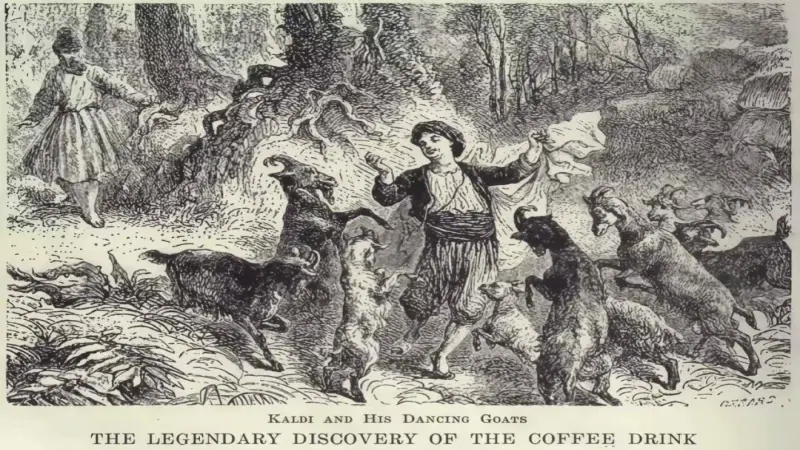
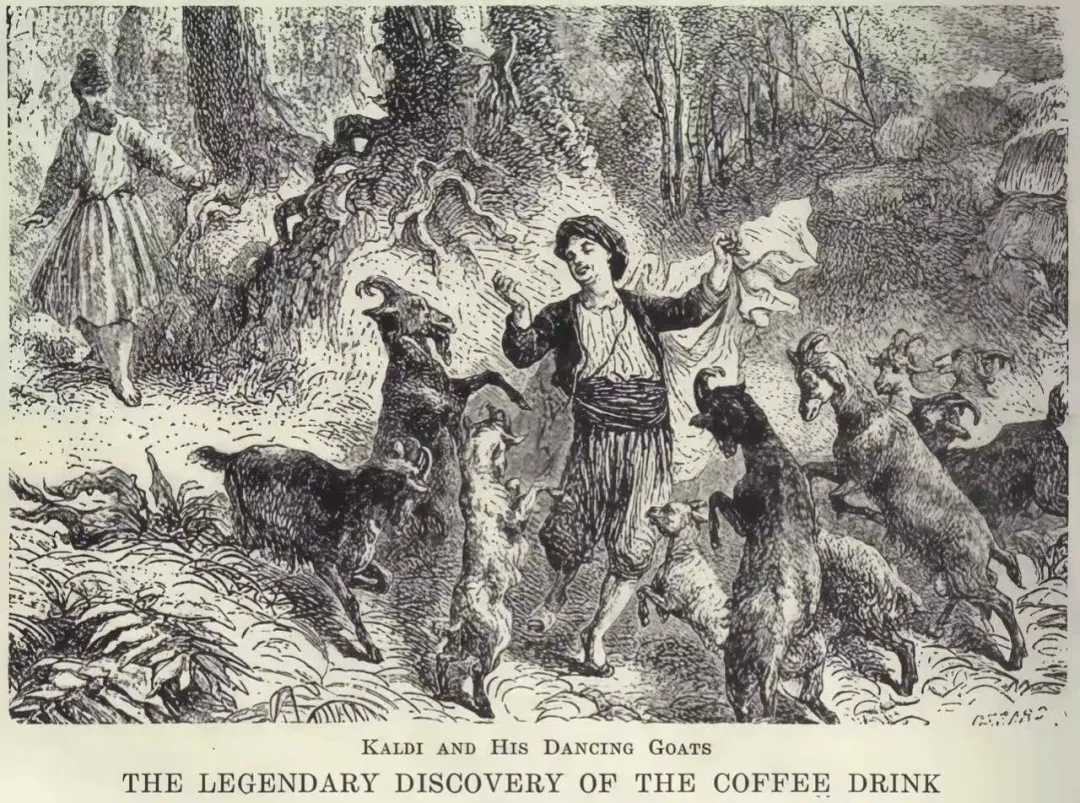
Not long after, he noticed that his drowsiness gradually faded and he became refreshed and clear-headed, realizing that the red fruit had a remarkable energizing effect. From then on, the shepherd boy Kaldi would graze with his flock in the forest every day, eating this red fruit for enjoyment. The miraculous effects of the red fruit quickly spread, and as its reach grew wider, people's use of it evolved from initially chewing it directly to boiling it in water, ultimately becoming what we now know as coffee."
The above is the widely circulated "Legend of the Coffee Shepherd Boy" among coffee origin stories, telling of how a young shepherd accidentally discovered coffee in a forest in Ethiopia. The forest mentioned in the story is none other than Kafa Forest. Not only in the shepherd boy legend, but in many coffee-related narratives, Kafa Forest is designated as the primary discovery site of coffee—why is that?
The reason is that this forest is globally recognized as the birthplace of coffee. Additionally, if you have read Front Street's previous articles on Geisha, you would know that this is also where Geisha coffee was discovered. So today, Front Street will introduce you to this famous Kafa Forest and the coffee it produces, and what flavors it presents.
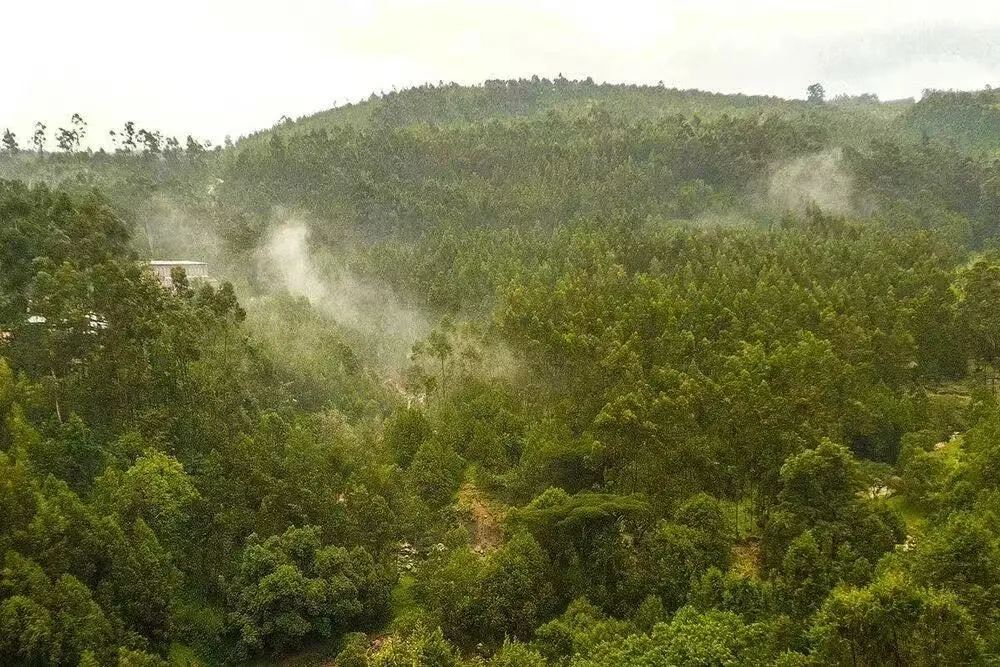
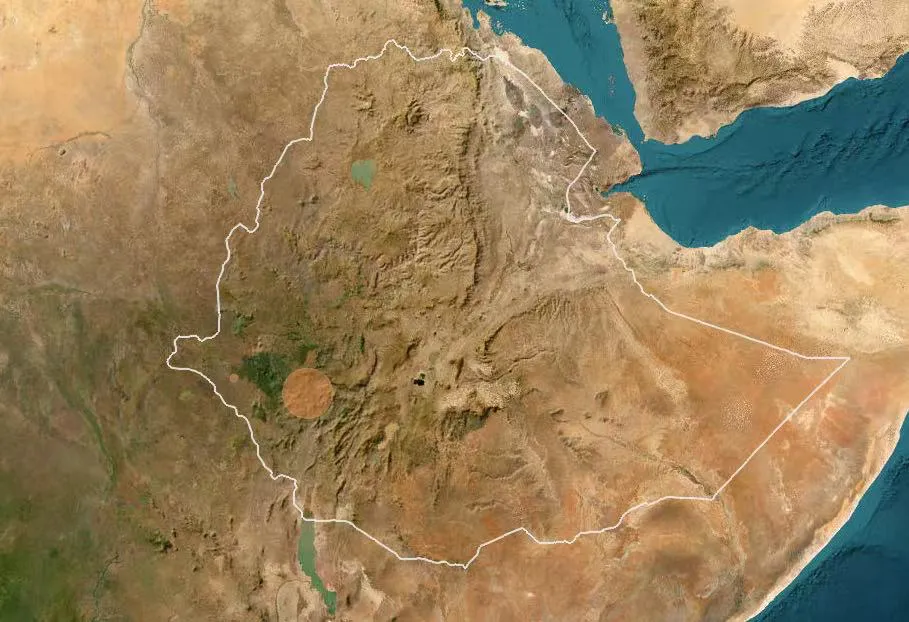
Kafa Forest Kafa Forest is located in southwestern Ethiopia, within the Kafa Biosphere Reserve, approximately 460 kilometers from the capital Addis Ababa. It is both the globally recognized birthplace of coffee mentioned earlier and a natural treasure trove for growing coffee. The Kafa Biosphere Reserve covers a total area of approximately 760,144 hectares, of which forest coverage accounts for 422,260 hectares, more than half. Because of this, it is highly suitable for coffee cultivation. The dense and flourishing vegetation provides excellent shade for coffee trees, and with mineral-rich red soil, ample rainfall, a suitable microclimate, and high altitude, all favorable factors are in place.

For this reason, Kafa Forest is now the richest gene pool of Arabica coffee. After centuries of natural evolution, the coffee varieties cultivated in this forest number in the thousands. A large number of ancient coffee trees have long integrated into the local ecosystem, becoming an indispensable part of it, which is why it is also called a "natural museum of coffee varieties."
Due to the extremely rich coffee resources, local production methods differ from the common garden-style cultivation model in Ethiopia (the common Ethiopian model is for coffee farmers to grow coffee in their own backyards and sell after harvest). During the coffee fruit ripening season, farmers enter the forest to harvest, then deliver the cherries to nearby cooperatives or processing stations for unified processing and sales. As mentioned earlier, this forest is also the birthplace of Geisha. In the origin story of Geisha, a British expedition ventured deep into the mountains of Ethiopia in 1931 and collected what would later become the world-stunning Panama Geisha T2722, and the forest in that story is Kafa Forest. They discovered Geisha in the Geisha Mountain area (Geisha Mountain) and named this batch of beans after the mountain—Geisha.
Because of this, many merchants apply the same naming convention to coffee beans harvested from Kafa Forest, calling them "Geisha," and sell them on the market under the name "Kafa Forest Geisha." But in reality, these "Geisha" beans are not the same as the well-known T2722 Geisha—they are completely different in both bean appearance and flavor, and at best can only be considered distant relatives. Therefore, when Front Street released its Kafa Forest beans, it did not follow this commercial naming logic to call them Geisha. The variety column is labeled with the common local native species of Ethiopia, and the coffee is named after the origin "Kafa Forest."
This is done for three reasons: first, because it is not actually Geisha; second, because it is composed of a blend of hundreds of different varieties; and third, because Front Street wants to highlight the terroir characteristics of this forest. After all, this coffee comes from the birthplace of coffee, so naming it after the origin is only natural. To showcase the origin flavors of this forest, Front Street ultimately selected washed-process Kafa Forest coffee. Washed processing involves a relatively lighter fermentation, which well preserves the coffee's own terroir. Combined with light roasting, it reduces the impact of roasting on flavor, allowing the coffee's inherent floral and fruity aromas to be more fully expressed.
Front Street Coffee: Ethiopia · Kafa Forest Coffee Beans Country: Ethiopia Region: Kafa Forest Altitude: 1,800 meters Variety: Native species Processing: Washed Grade: G1
Flavor: Bergamot, white floral, orange, apricot
Since the roast level is on the lighter side, extraction efficiency can be appropriately increased during brewing. The parameters used by Front Street are as follows: 15g dose, 1:15 coffee-to-water ratio, 92°C water temperature, grind size of 75%–80% passing a No. 20 sieve, extraction time of 2 minutes.
When the coffee first enters the mouth, Front Street's first impression is a bright and clean fruity acidity, accompanied by rich aromas of sweet orange, nectarine, white flowers, and oolong tea. As the temperature drops slightly, the coffee gradually reveals a juicy quality reminiscent of apricot and citrus. The overall mouthfeel is light, and after swallowing, a subtle melon and oolong tea sweetness lingers in the mouth, with a long, very pleasant finish.
- END -
The above content is compiled by CoffeeHunters, a coffee news website.


