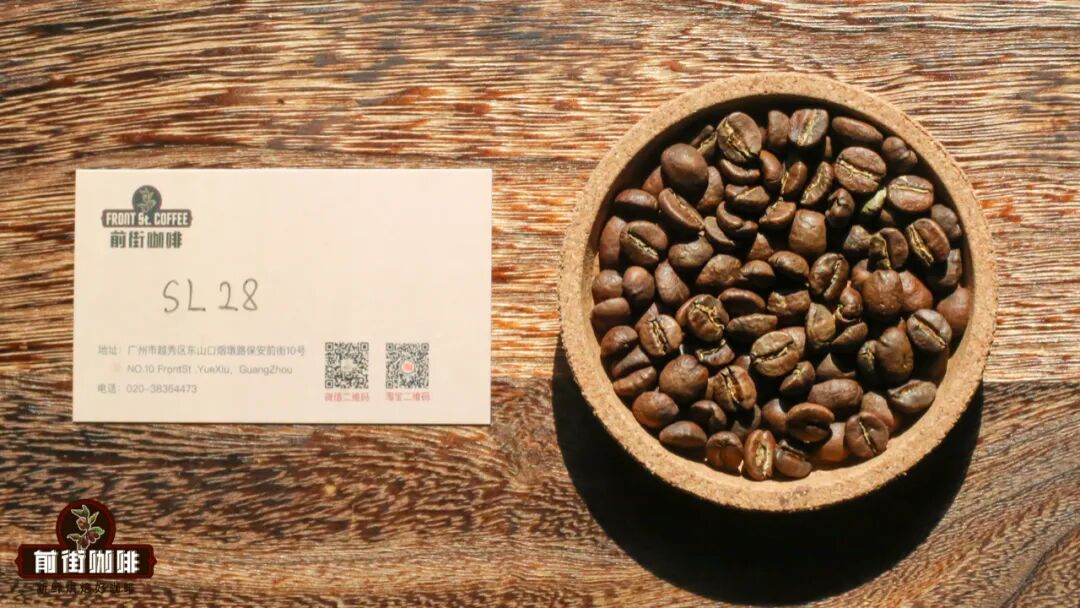
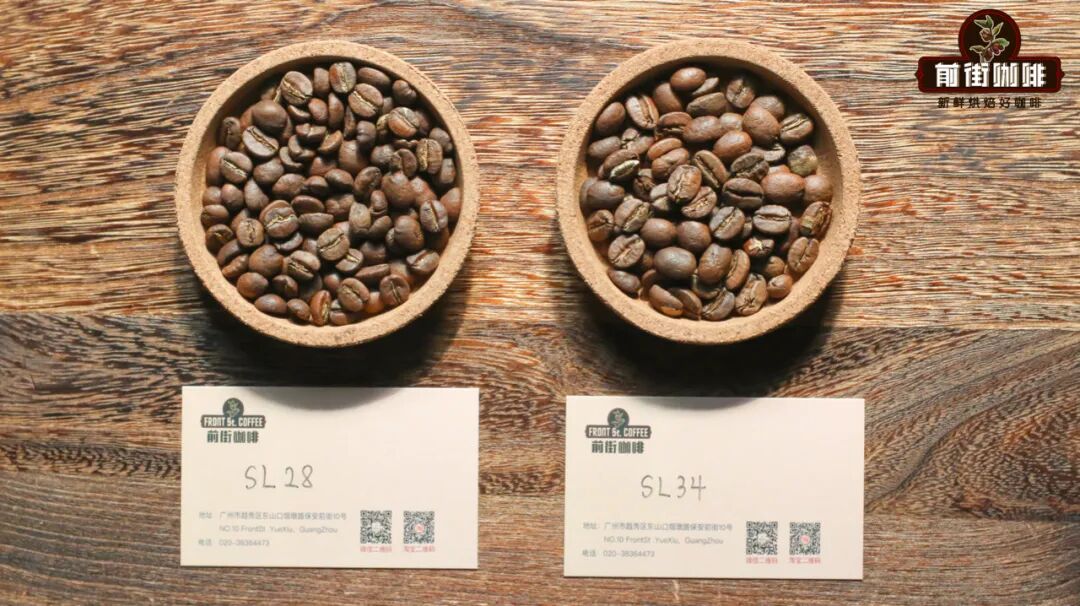
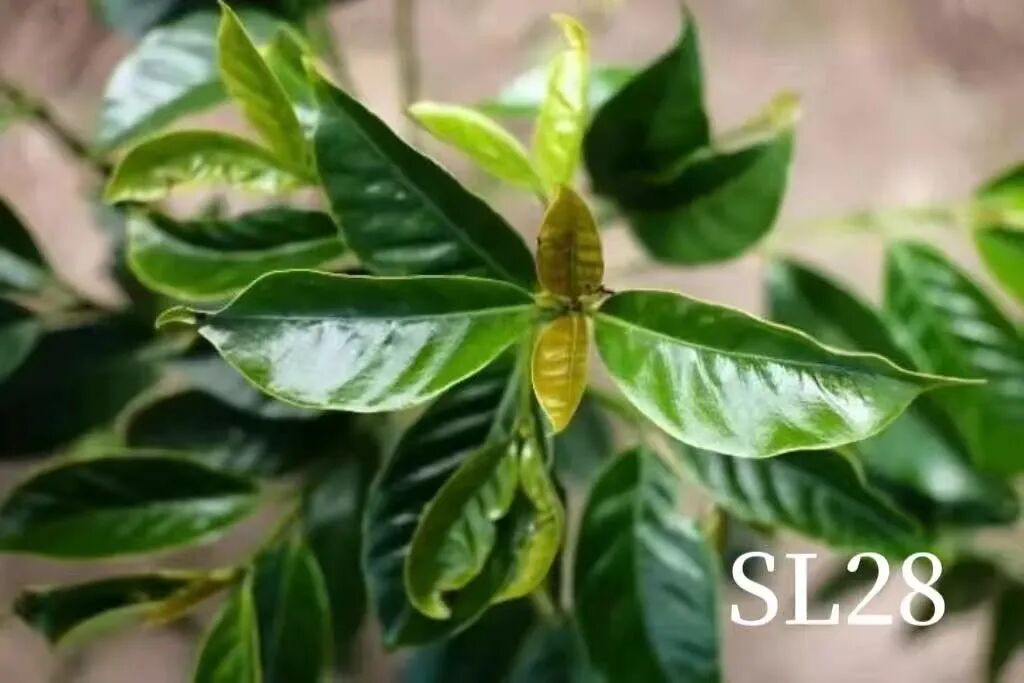
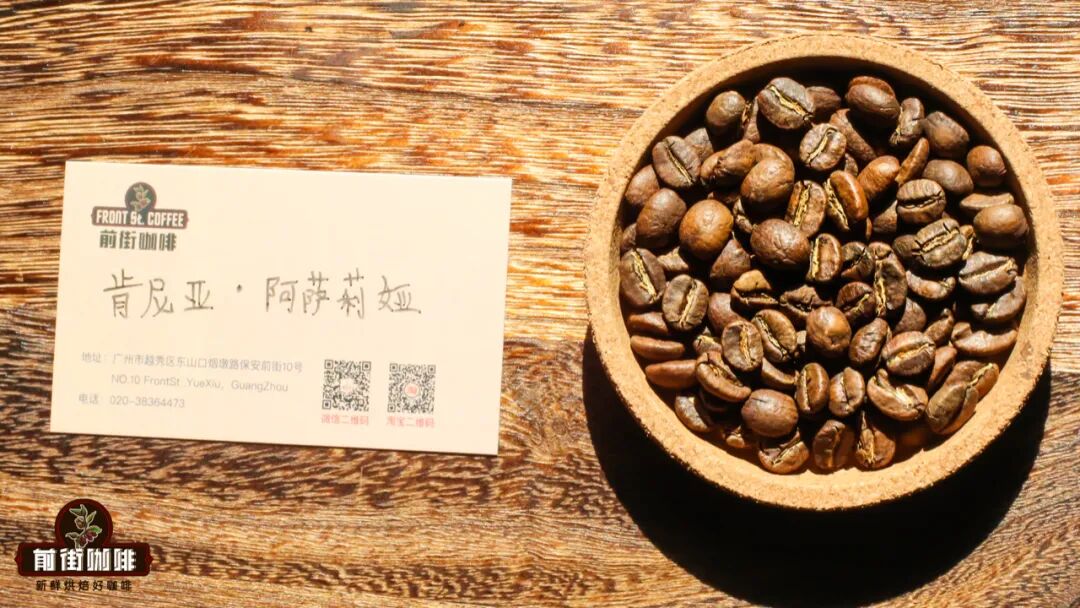
Just as different grape varieties produce wines with distinct flavors,the variety of coffee beans is also one of the key factors influencing the flavor of the final cup of coffee. Panama's T2722 Geisha is the best example—it garners attention for its white floral notes and citrus fruit character.And today, Front Street is going to share another star variety with equally outstanding flavor performance—SL28, which comes from Kenya. Kenya coffee's famous dark plum flavor and bright acidity owe part of their credit to it.SL28 is one of Kenya's most iconic varieties. It is a direct Bourbon lineage that was selected and bred in Kenya in the early 20th century. The one responsible for selecting and breeding SL28 was the Scott Laboratories. The "SL" in SL28 stands forthe abbreviation of Scott Laboratories, and "28" was the number assigned to this variety in the experiments at that time.In the 1930s, the Kenyan government commissioned the Scott Laboratories to conduct research on coffee breeding, with the aim of finding varieties that could adapt to Kenya's terroir and be suitable for large-scale cultivation with commercial value. Then, from 1935 to 1939, the Scott Laboratories collected42 different varietiesbrought back from different origins, and studied their yield, quality, drought resistance, and disease resistance. In the end, quite a few varieties stood out. Among them, SL28 and SL34 are the two most well-known varieties, and they are also the key varieties that create the "Kenya flavor" today. According to records that Front Street has looked up, in 1931, a senior official of the Scott Laboratories was in Tanganyika(present-day Tanzania)in the Monduli area in the northeast(Monduli)and discovered a coffee variety that appeared to be tolerant to drought, disease, and pests, so it was brought back to Kenya for research, and its drought resistance was confirmed. Thus, by 1935, this variety was put into the breeding program, and it was SL28.In addition to drought resistance, SL28 also has excellent yield, flavor, and bright acidity.This made it become a hot rising star immediately after being released by the Kenyan authorities. It started with Uganda, and later even major producing countries in Central America began to plant SL28, which shows just how extraordinary its popularity was.However, SL28 also has shortcomings. Like SL34, it does not have disease resistance and is susceptible to various coffee diseases.Research has also found that SL28 belongs to the Bourbon genetic group, meaning that SL28 evolved from Bourbon, which is why its bean appearance is as round and short as Bourbon, making it highly recognizable.Today's Kenyan coffee is mostly produced as a mix of SL28 and SL34. Becausethe two differ greatly in bean appearance,(SL34 is a Typica variant, with an elongated, oval shape)we can very easily distinguish the two from a Kenyan coffee.To date, Front Street has tasted SL28 from various producing countries, such as SL28 from El Salvador and Costa Rica. They all carry obvious blackberry acidity and also very bright acidity. However, compared with SL28 produced in Kenya, their body is not as full. And this brings us to Kenya coffee's unique growing environment and processing methods—like the variety itself, they are indispensable to creating the Kenya flavor.Now that we've talked this far, Front Street definitely has to brew a pot of coffee and taste it! And the Front Street Kenya Asalia from Front Street's bean list is the one to be brewed this time. It comes from the Asalia processing plant in the Thika producing region, is a single-origin bean produced from a mix of SL28 and SL34, and its processing method is the classic Kenyan washed process.
Front Street Coffee: Kenya Asalia
Region: Thika
Processing Plant: Asalia Processing Plant
Altitude: 1,550–1,750 meters
Variety: SL28, SL34
Processing Method: Washed
Flavor: Dark plum, cherry tomato, yellow sugar, black plum
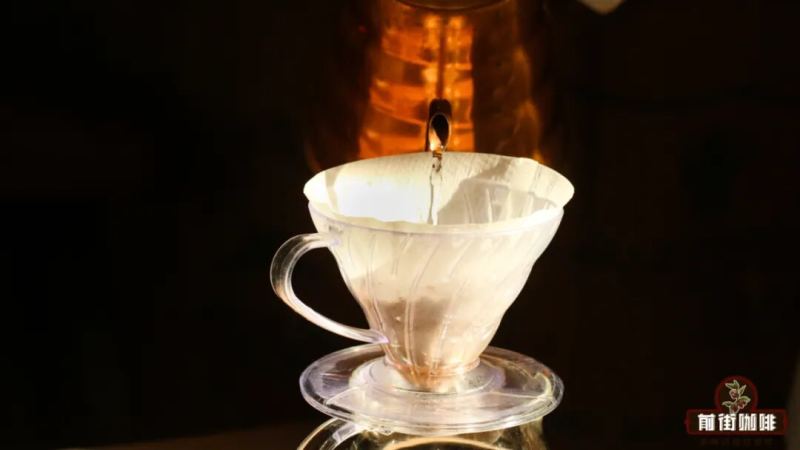
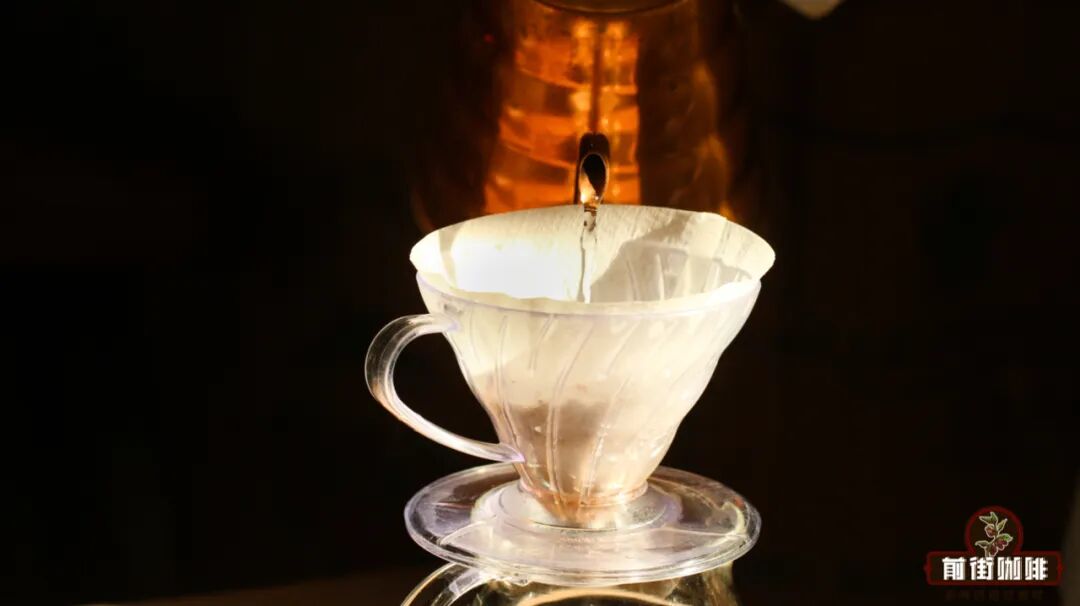
When grinding this bean, you can already smell obvious dark plum and cherry tomato acidity. As the hot water is poured in, the coffee begins to give off the sweetness of yellow sugar. After brewing is completed and it is tasted, the entry is a very full acidity, with flavors mainly of dark plum, cherry tomato, and plum, carrying obvious yellow sugar sweetness and a slight oolong tea finish. The mouthfeel is round and full, making it comfortable and pleasant to drink~ The above content is compiled by CoffeeHunters, a coffee news website.