Every year, when the green coffee bean competition season arrives, the coffee community starts to get excited. Rubbing their hands in anticipation, they wait for the latest results, then immediately look for opportunities to taste the beans on the list. Besides classic regions like Ethiopia and Brazil, a new star region has emerged in recent years. Panama is famous for Geisha coffee, and the annual Best of Panama (BOP) competition has become a worldwide celebration for coffee lovers, all in pursuit of tasting and owning a champion Geisha flavor of the year.
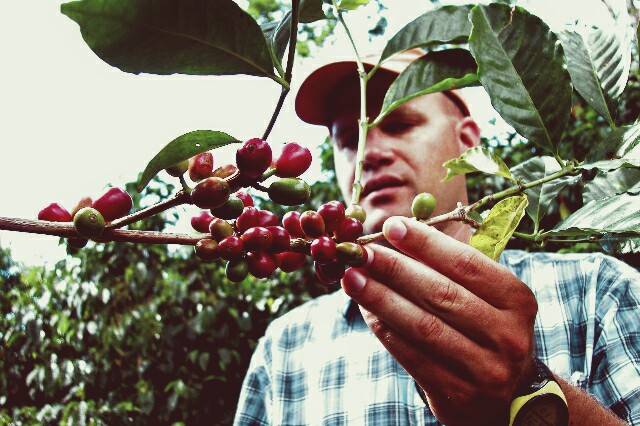
As popular as Geisha coffee is today, it was once just as ignored. In the 1930s, the Geisha coffee variety was discovered in the Geisha forest in Ethiopia, then harvested and sent to agricultural research institutes in several East African countries. After several twists and turns, in the 1950s, the Geisha variety traveled from Africa to CATIE in Costa Rica and was labeled as variety T2722. It was not until the 1960s that the Geisha variety was distributed to Panama for planting as a coffee variety resistant to coffee leaf rust.
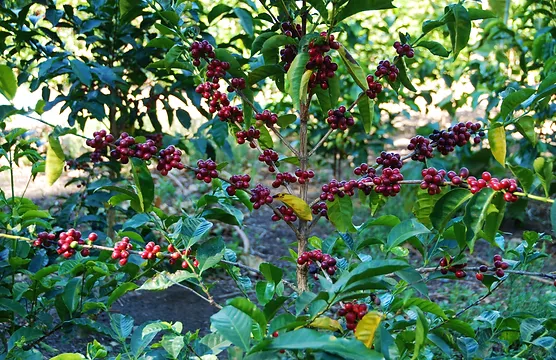
Those with in-depth knowledge of the Geisha coffee variety know that it has defects such as low yield and fragile plants. Coffee farmers did not pay much attention to the Geisha coffee variety, merely planting it on the periphery of plantations as windbreak trees to protect the varieties they valued more at the time, such as Caturra, Catuai, and Typica.
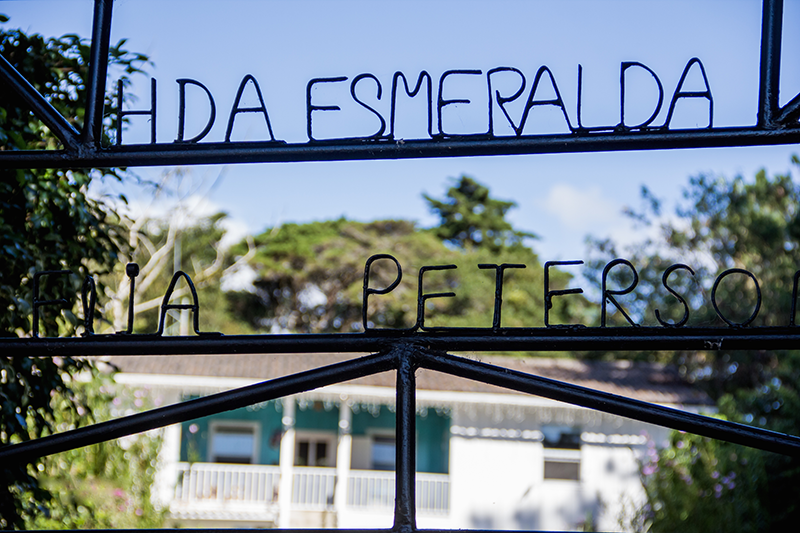
It was not until 2003 that Hacienda La Esmeralda in the Boquete region of Panama discovered the potential of Geisha coffee and sent it to compete in that year's BOP competition, gaining some fame. When you find something good, of course you want to share it with the world. In 2004, Hacienda La Esmeralda continued to sendGeisha coffee beansto compete in the 2004 BOP competition, and ultimately won the championship, even breaking the record for the highest auction price for green coffee beans. Since then, Geisha coffee has become the object of everyone's admiration.
Those who have visited Front Street stores know that Front Street's bean list includes Geisha coffee from multiple regions: Ethiopia, Costa Rica, Colombia, and Panama. More and more regions are growing Geisha coffee, but only Panama's Geisha coffee has such outstanding flavor.
The Geisha coffee variety in Panama is mainly the green-tip Geisha variety. Green-tip coffee is considered the best green bean grade among Geisha coffee beans. The Geisha varieties grown in Central and South America may trace their lineage back to the T2722 variety labeled by CATIE in Costa Rica. But interestingly, each coffee estate is different, and cross-pollination may occur. In addition, not every estate's Geisha variety seeds come from CATIE; they may have been obtained through trades between estates.
In the book "God in a Cup: The Obsessive Quest for the Perfect Coffee," Price Peterson from the Peterson family even acknowledged the possibility that the Geisha variety at Hacienda La Esmeralda might be different from the T2722 variety. He explained: "Early botanical descriptions indicated that the Gesha cultivar had bronze-colored new leaves, inferior cup performance, and considerable fungal resistance. Panama Geisha, on the other hand, has tender green leaf buds, excellent cup flavor, and resistance to leaf rust, but not to Ojo de Gallo, the coffee leaf spot disease that Central and South American coffee farmers fear most."
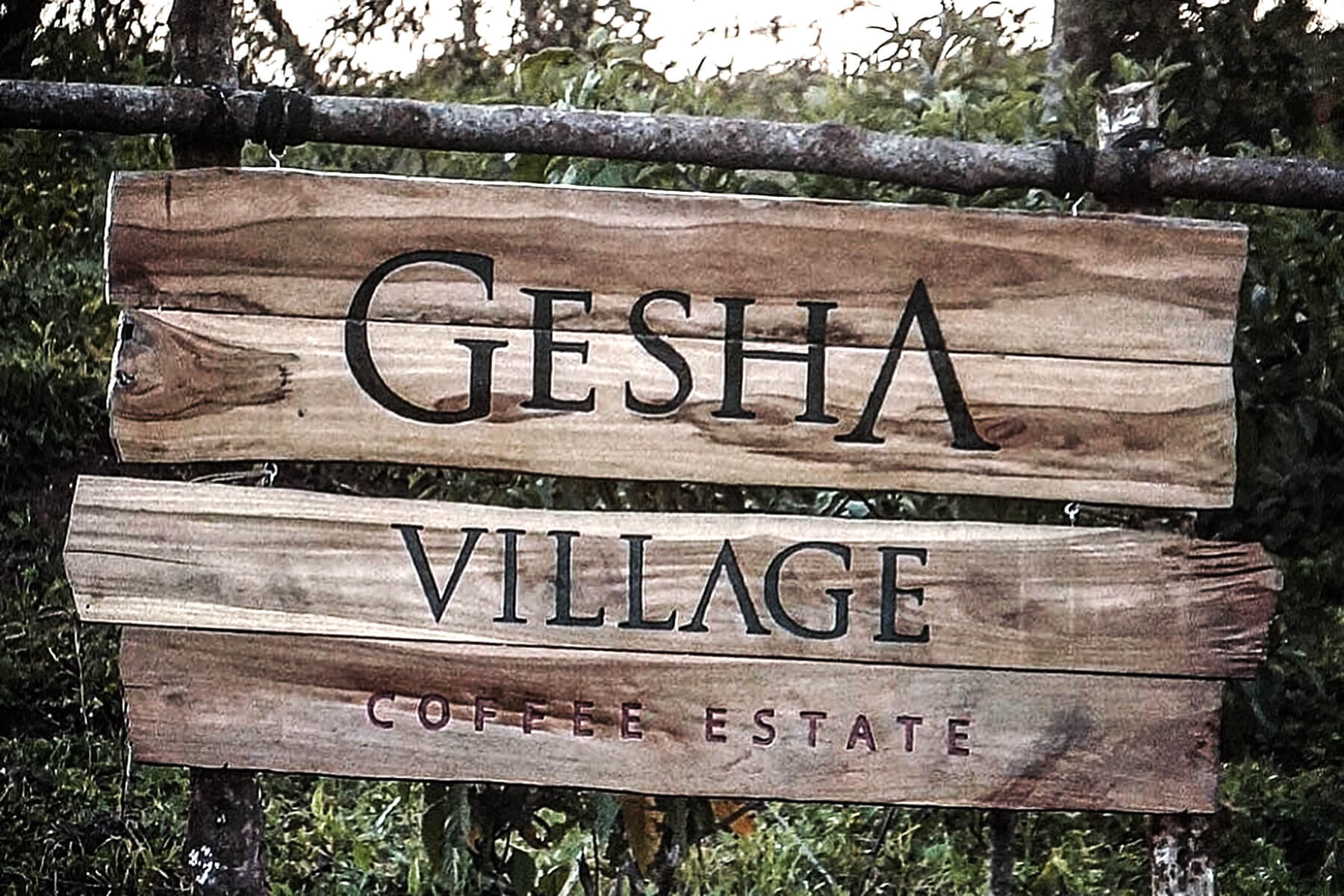
Many coffee shops have two kinds of Geisha coffee on their menus at the same time: one is Panama Geisha coffee, and the other is Geisha coffee from Gesha Village in Ethiopia. Front Street is no exception.
Curious customers often ask Front Street Coffee baristas about the difference between Gesha Village and Panama Geisha. Actually, Gesha Village is the name of a coffee estate in the Bench Maji region of Ethiopia, near the birthplace of the Geisha variety—the Geisha forest. However, the Geisha coffee variety at Gesha Village is very different from the Geisha coffee variety in Panama. The coffee flavor of Gesha Village is closer to people's impression of Ethiopian coffee. Since Gesha Village's coffee cultivation management and green bean post-processing techniques are equally advanced, Gesha Village's Geisha coffee is still worth trying even if it doesn't have the Panama Geisha flavor that everyone wants.
As for Panama Geisha coffee, we believe Front Street doesn't need to say much, as you've probably already heard about it. Hacienda La Esmeralda's Geisha represents the most classic Panama Geisha flavor, but Front Street wants to talk about a Panama Geisha coffee estate that has only become popular in recent years.
On Front Street's bean list, there are only two Panama Geisha coffee estates: Hacienda La Esmeralda and Deborah Estate. One bean that Front Street has sourced from Deborah Estate is the Deborah Estate Savage Series coffee beans.
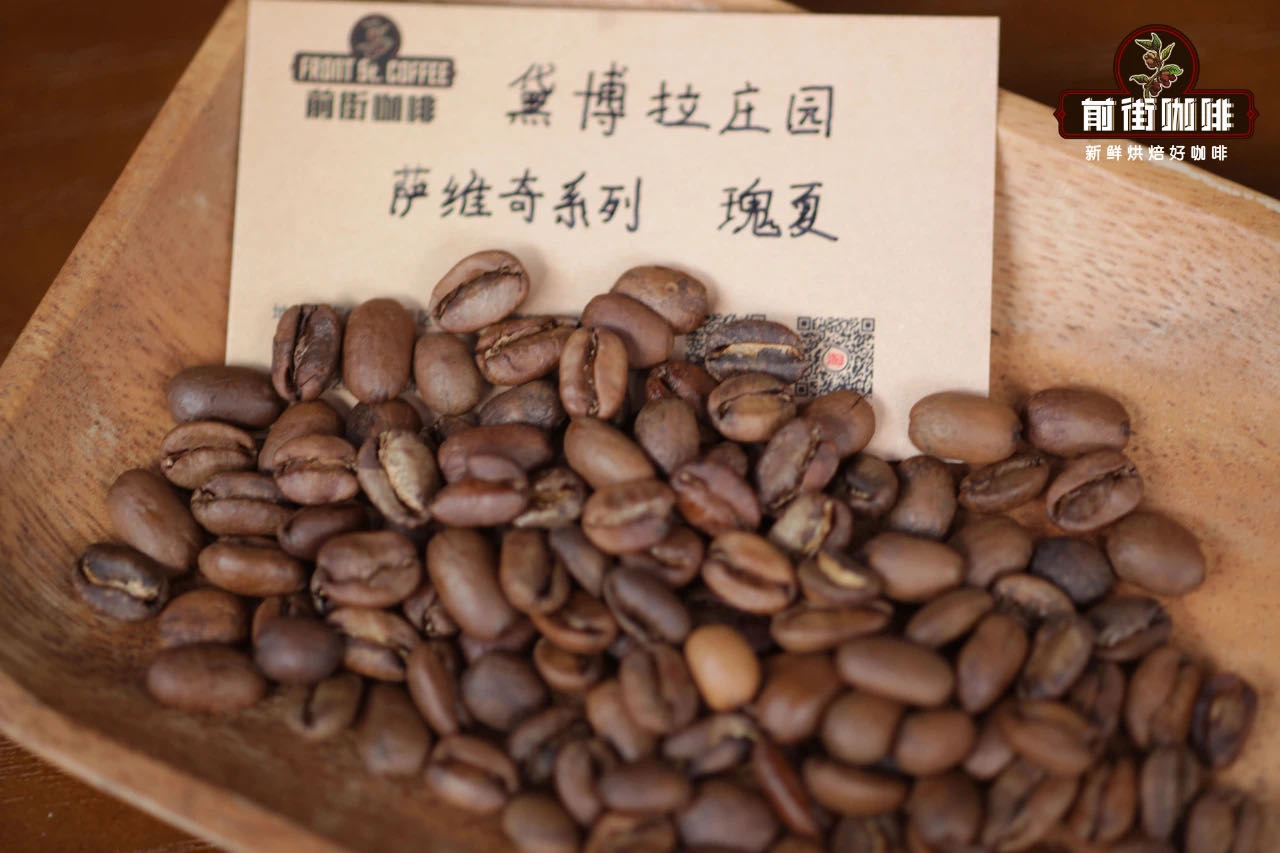
Front Street Coffee Deborah Estate Savage Series Geisha
Origin: Volcan region, Panama
Estate: Deborah Estate
Estate Owner: Jamison Savage
Altitude: 2000m—2350m
Variety: Geisha
Grade: SHB
Processing Method: Anaerobic Natural
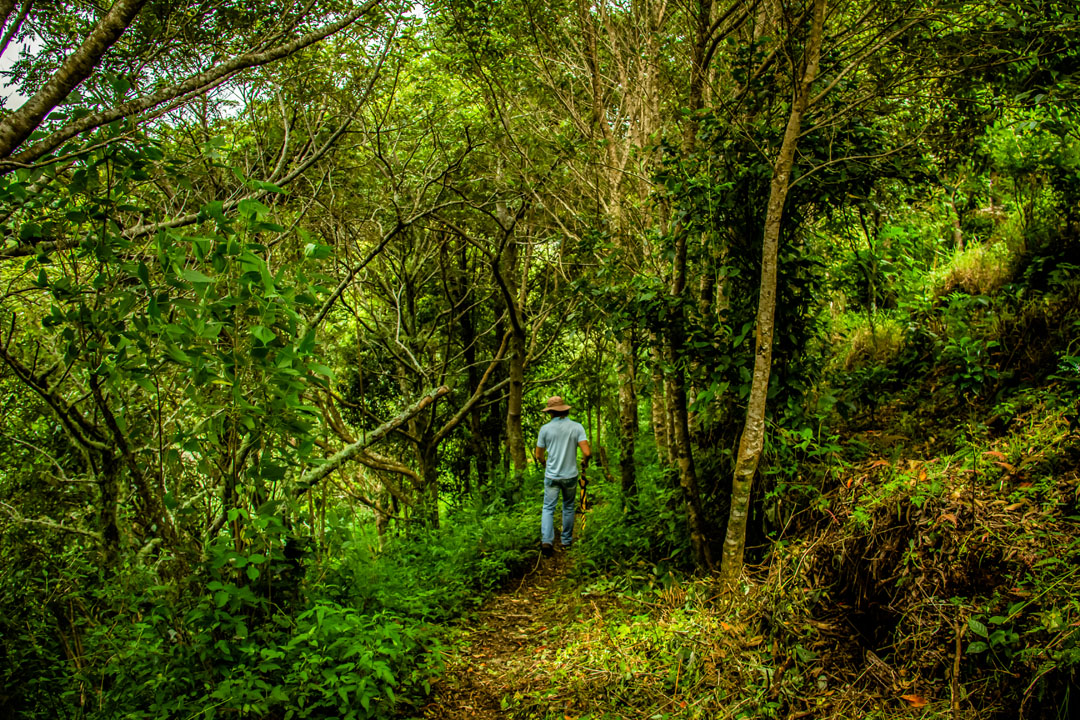
Deborah Estate is located in Panama's well-known specialty coffee region, the Volcan region, and the estate's Geisha coffee is grown at altitudes above 1900 meters. Deborah Estate is one of the highest-altitude and most remote coffee estates in Panama. In such a high-altitude environment, low temperatures delay the ripening period of coffee cherries, about a month later than normal, and the fertile volcanic soil provides ample nutrients for the coffee. Combined with the unique microclimate brought by Baru Volcano, this place is often shrouded in rain and mist, so Deborah Estate's Geisha coffee can repeatedly achieve excellent results in various cupping competitions.
The Savage Series is a coffee project initiated by Deborah Estate owner Jamison Savage. Members of the Savage coffee project include Geisha coffee growers in the Boquete and Volcan regions. The Savage Series Geisha that Front Street has sourced is high-quality Geisha coffee cherries purchased by Jamison Savage from near Deborah Estate at the same altitude (2000 to 2350 meters), then processed using Deborah Estate's green bean post-processing techniques.
In order to highlight the floral and fruity aromas and the sweet-tart fruit juice sensation of Panama Geisha coffee, Front Street's roaster used a light roast level. When brewing, Front Street recommends using a V60 dripper, medium-fine grind size, and a water temperature of 92 degrees Celsius.
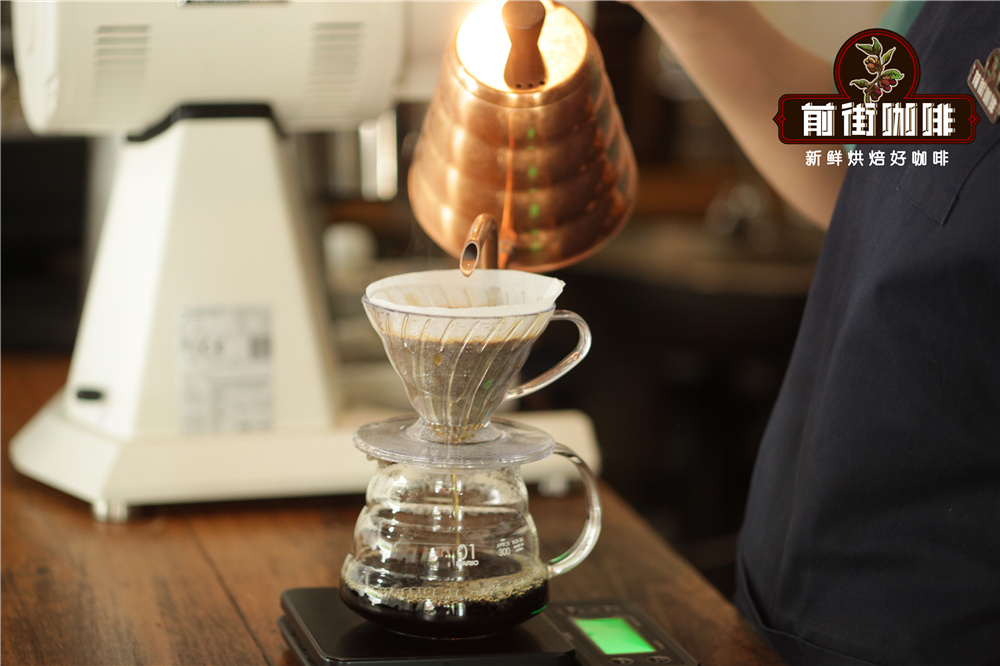
Dripper: Hario V60
Water Temperature: 92 degrees Celsius
Dose: 15 grams
Coffee-to-Water Ratio: 1:15
Grind Size: 80% passing through Chinese Standard No. 20 sieve
After brewing with a three-stage pouring method, Front Street's Savage Series Geisha has obvious white floral notes on the palate, with a sweet-tart sensation like pineapple and lactic acid drinks, a full body, and an overall clean and balanced profile.
More coffee bean information Please follow Coffee Workshop (WeChat official accountcafe_style ) Professional coffee knowledge exchange Please add WeChat ID kaixinguoguo0925
The above content is compiled by CoffeeHunters, a coffee news website.