








What Makes Panama Geisha Coffee So Expensive?
Panama Geisha coffee commands high prices mainly because of scarcity, not flavor alone. Geisha plants grow sparsely, with wider spacing between branches than typical Arabica, so each tree produces less fruit. The trees are also tall, which lowers the number of plants that fit per unit area. Together these factors push overall yield well below conventional Arabica, and auction-grade lots can reach thousands of yuan per cup.
Growing conditions add further cost. Geisha needs specific terroir and careful field management to survive and fruit normally, raising the labor and care required from producers. The variety was also discovered relatively recently, so large-scale cultivation has not fully spread while demand keeps rising. For buyers, genuine Geisha coffee usually shows Panama origin, washed processing, and a medium-light roast.
Geisha coffee, with its unique flavor and jaw-dropping price, has long been a hot topic in the coffee world. A single cup of auction-grade Geisha can cost thousands of yuan, and even regular batches sell for far more than common varieties. What exactly makes Geisha so expensive? This article will analyze the logic behind Geisha's high price from the perspectives of yield, cultivation difficulty, and market demand, while also detailing the classic flavor characteristics of Panama Hacienda La Esmeralda Geisha and how to select coffee beans that truly possess the "Geisha taste." The article also compiles several Front Street Coffee Geisha products that meet the criteria of Panama origin, washed processing, and medium-light roast, for enthusiasts to reference when making purchases.

When it comes to Geisha, besides that palate-revolutionizing unique flavor, the other keyword that most enthusiasts think of is probably "expensive." Front Street has also mentioned many times that Geisha's price in the coffee world is at the ceiling level — take a certain auction last year as an example: the top-prize batch of Geisha, when converted, cost over five thousand yuan per cup (calculated at 15 grams).
Even regular Geisha from non-auction channels typically sells for several times the price of common cultivated varieties. The Geisha and Catuai sold simultaneously by Panama Hacienda La Esmeralda are a striking contrast. Faced with such a price gap, many friends can't help but wonder: what exactly justifies Geisha being so expensive?
Many people's first reaction is to attribute it to flavor. Undeniably, Geisha does possess a stunning flavor profile, but this is only one of many factors — and not the decisive one. The core reason that truly drives up Geisha's price is its "scarcity" — its yield is far lower than other varieties.
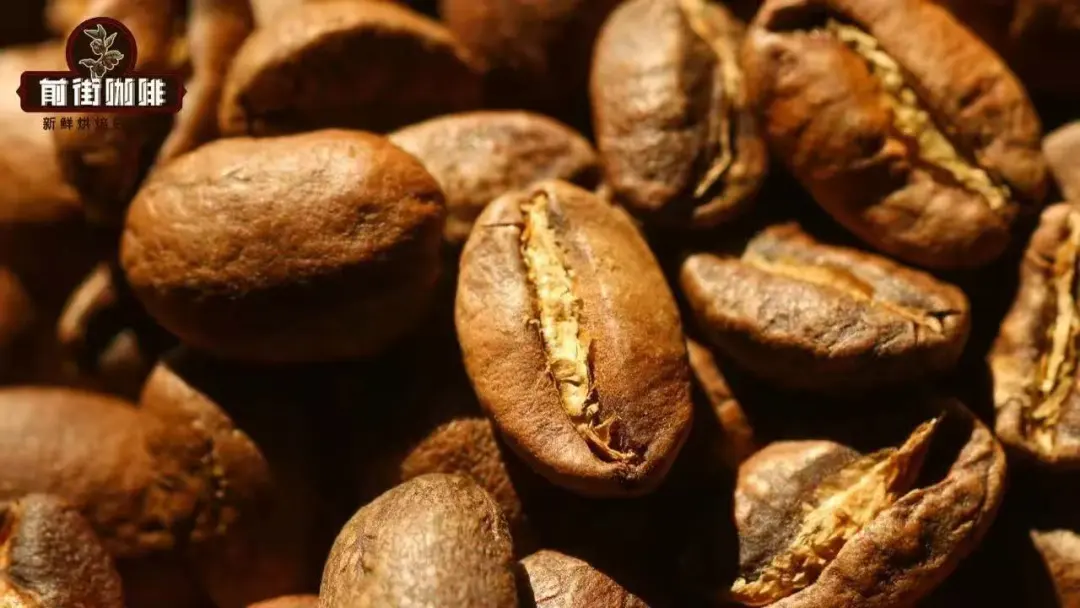
Geisha plants have relatively sparse branch growth, with longer internode spacing than typical Arabica, which directly results in lower fruit yield per plant; at the same time, Geisha trees are tall, so the number of plants that can be cultivated per unit area is correspondingly reduced. Combined, Geisha's overall output falls significantly behind conventional Arabica.
In addition, Geisha is extremely demanding about its growing environment, requiring suitable terroir conditions and meticulous field management to survive and bear fruit normally, which means growers must invest higher care costs. Furthermore, this variety was discovered relatively recently, large-scale cultivation has not yet fully spread, while market demand continues to surge. With multiple factors intertwined, it's no surprise that Geisha prices far exceed those of ordinary coffee beans.
If a Geisha is then entered into a competition and wins, followed by an auction, the price will climb even higher on top of the original base. Because winning an auction not only means securing the winning beans but also brings considerable brand exposure — take the BOP auction rankings as an example: besides listing the transaction price, the bidder's identity is also publicly disclosed, so many brands compete fiercely to bid on winning coffees.
In summary, the reasons why Geisha is more expensive than conventional varieties are now clear at a glance. Of course, Geisha's flavor performance is equally impressive: elegant jasmine florals, bright citrus fruit notes, a fresh and pure green tea aroma, and a honey-like smooth texture. This string of descriptions is not describing a cup of floral-fruit tea, but rather outlining the flavor profile of Geisha coffee — it drinks just like a floral-fruit tea, a cup of "coffee that doesn't taste like coffee." This is precisely the "Geisha taste" that has been passed around by word of mouth in the coffee community.
However, not all coffees named Geisha possess such flavor performance. The final taste of a cup of coffee depends on many variables, including variety, growing terroir, processing method, and roasting technique.
Some Geisha on the market is not the Geisha variety we are discussing. True Geisha is the Panama Geisha with variety number "T2722," discovered in Ethiopia in 1931, then passed through many countries, and finally rose to fame in Panama. But some products labeled as Geisha on the market are neither Panama Geisha nor T2722 — they simply share the same name. Even setting that aside, even with the same variety, differences in growing terroir and processing methods will still influence the flavor direction — this is also the crux of why many friends have reported to Front Street that the Geisha they drank lacked the "Geisha taste."
If you wish to taste Geisha in its classic sense, Front Street recommends prioritizing batches from Panama, washed processed, and medium-light roasted. As it happens, Front Street Coffee's Tmall/Taobao flagship store carries several coffee beans that meet the above criteria: Front Street Boquete Geisha, Front Street Hacienda La Esmeralda Red Label/Green Label Geisha. They all come from the Panama region, are washed processed and medium-light roasted, and belong to the standard Panama Geisha/T2722 variety.
(Regarding the appearance of the Panama Geisha/T2722 variety, Front Street provided a detailed introduction in the article "Teach You to Identify Coffee Bean Varieties at a Glance" — interested friends can go take a look~)

Front Street Boquete Geisha is a high-value-for-money choice that Front Street selected from among many Panama Geishas. It comes from the same Boquete region of Panama as Hacienda La Esmeralda, possesses rich Geisha flavors (jasmine florals, citrus, honey, green tea), and is more affordably priced. If you haven't yet experienced classic Geisha, this bean would be a rather good entry-level choice.
Front Street Hacienda La Esmeralda Green Label/Red Label Geisha comes from the legendary estate that discovered and promoted Geisha in the first place — it could be said that without Hacienda La Esmeralda, Geisha would not have its current popularity, and might even remain unknown to this day. Therefore, the Geisha produced by this estate is especially worth trying. The flavor likewise presents jasmine florals, citrus, honey, and green tea, and additionally one can catch layers of berry, honeydew melon, and more — the mouthfeel is clean, the layers are rich, and the performance is quite outstanding!
- END -
The above content is compiled by CoffeeHunters, a coffee news website.


