







How Does Geisha Coffee Differ Across Producing Regions?
Geisha coffee does not taste the same everywhere it is grown. Variety sets roughly 70 percent of the base flavor, while terroir contributes about 30 percent, and processing and roasting add further variation. Washed Panamanian Geisha from Boquete is the reference point for the classic profile, and lots from Ethiopia, Peru, and Costa Rica each show their own character.
The classic profile was defined in 2004, when a Panamanian Geisha lot won a reliable of Panama competition with white floral aromatics, gentle citrus acidity, an oolong tea-like finish, and a honey-like mouthfeel. That lot was the T2722 variety. Washed Panamanian Geisha from Boquete remains the standard against which other origins are compared.
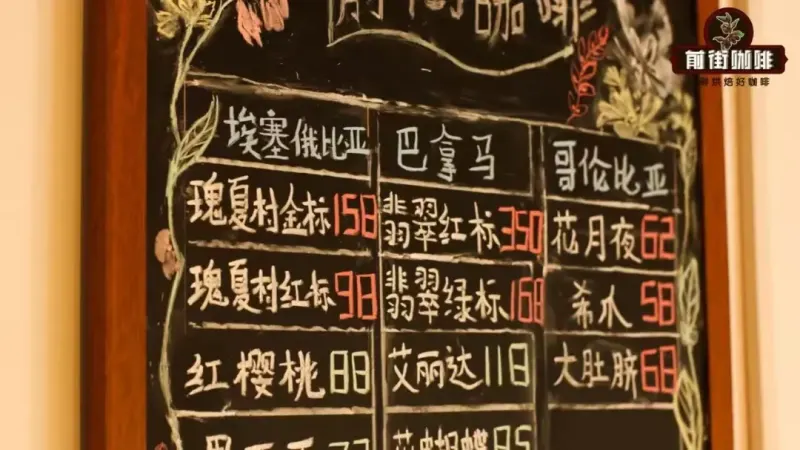
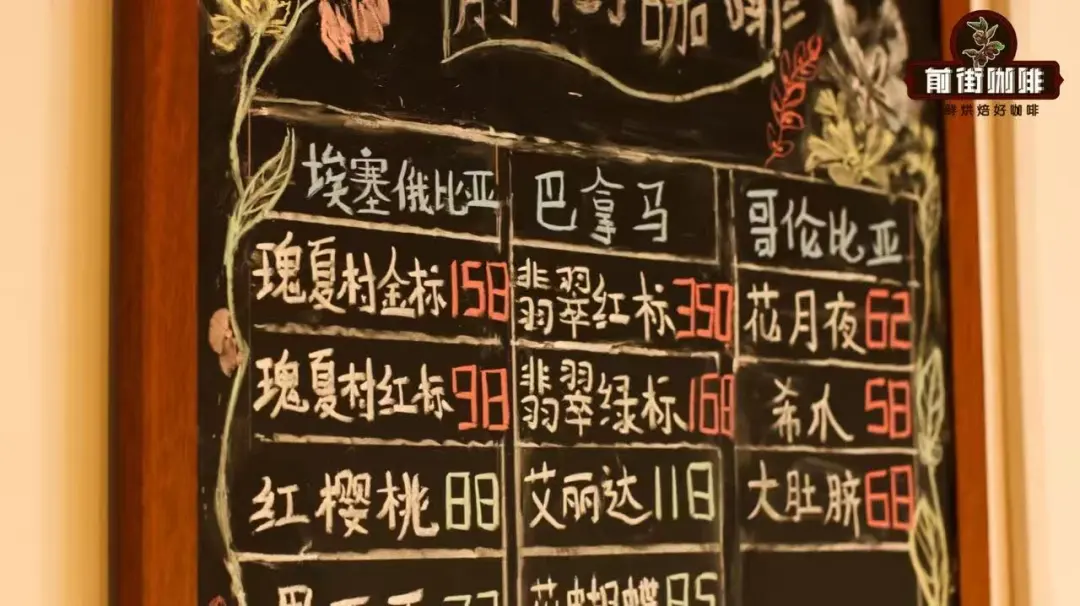
Also called Geisha, so why does it taste so different? From Front Street's perspective, this article systematically sorts out the flavor tiers and producing-region differences of Geisha coffee. The article points out that variety, terroir, processing method and roasting jointly determine coffee's taste, among which variety accounts for 70% of the base flavor and terroir accounts for 30%. Front Street recommends washed Geisha from Panama's Boquete region as the entry choice for the classic "Geisha flavor," and compares in detail Hacienda La Esmeralda Red Label and Green Label, 90+ Eleta Anaerobic Geisha, Costa Rica Strawberry Candy, Peru Cajamarca Washed Geisha, as well as Gesha Village's Gori Geisha and Geisha 1931 from Ethiopia. Whether you want to understand traditional Geisha or explore the stylistic variations of different producing regions and processing methods, you can find clear references here.
As Front Street has always emphasized, coffee flavor is not determined by variety alone; terroir conditions, processing methods and roasting techniques also bring significant influence. Even if two lots of beans are both called Geisha, as long as these variables differ, their performance in the cup may be vastly different, and this is precisely one of the most fascinating things about coffee.
If you want to experience the most classic Geisha flavor, Front Street suggests giving priority to washed Geisha from Panama's Boquete region. At the 2004 Best of Panama (BOP) competition, Geisha conquered all the judges with its unique flavor—elegant white floral notes, gentle citrus acidity, an oolong tea-like finish, plus a honey-like mouthfeel—making this lot famous overnight and thereby defining what people commonly call the "Geisha flavor."
To replicate this iconic flavor, the variety must first be the award-winning "T2722" from that year. Variety determines 70% of coffee's base flavor direction, while being planted on Panama's land contributes the other 30% of the terroir foundation. The reason Front Street recommends washed processing is that washing does not let the beans undergo excessive fermentation and can preserve their authentic flavor characteristics to the greatest extent.
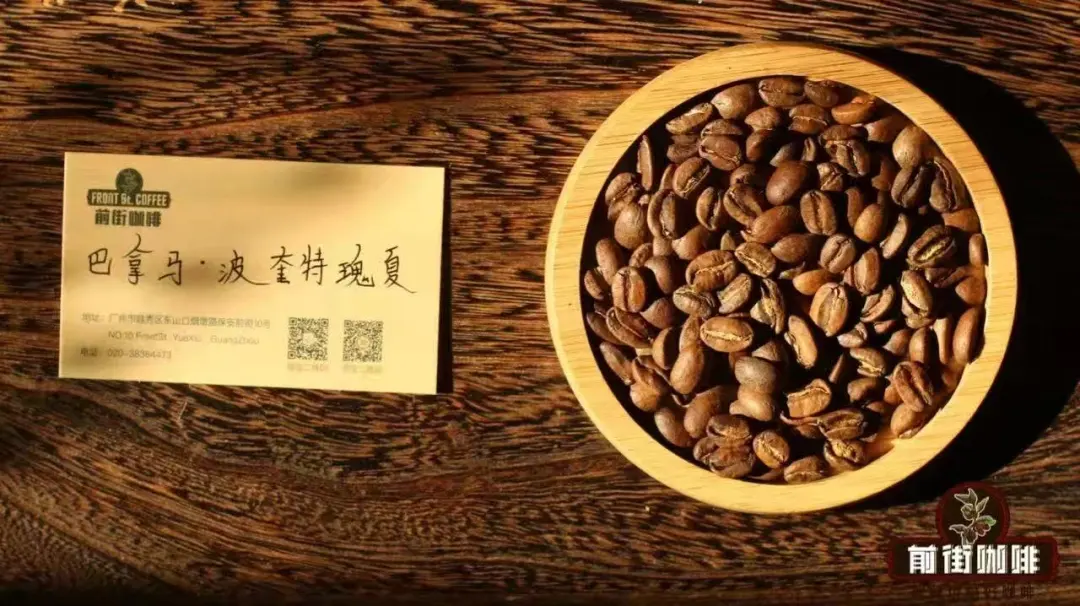
Take the currently on-sale Front Street Panama Boquete · Washed Geisha in Front Street's flagship store as an example. It is precisely a high-value classic-flavor Panamanian Geisha selected according to the above standards. The aroma and taste presented after brewing are highly consistent with the aforementioned characteristics, with quite outstanding performance.
If your budget allows, you can also further choose Front Street Hacienda La Esmeralda · Washed Green Label / Red Label Geisha from Front Street's bean list. Compared with regional-level Geisha, these two lots are superior in cleanliness. More importantly, the world's understanding and pursuit of Geisha originated from Hacienda La Esmeralda—it was they who discovered Geisha's potential back then and brought it to the 2004 BOP, which made this variety known to the world. The only shortcoming is that Hacienda La Esmeralda's Geisha is priced slightly higher than other Geishas.
Once you are sufficiently familiar with the classic Geisha flavor, Front Street suggests that you might begin trying Geisha from other producing regions and other processing methods, so you can more intuitively distinguish the differences brought by producing regions and processing methods.
For example, Front Street's bean list includes a Geisha that also comes from Panama but is processed in a completely different way—the 90+ Eleta produced by 90+ Estate, which uses the 90+ special processing method (anaerobic).
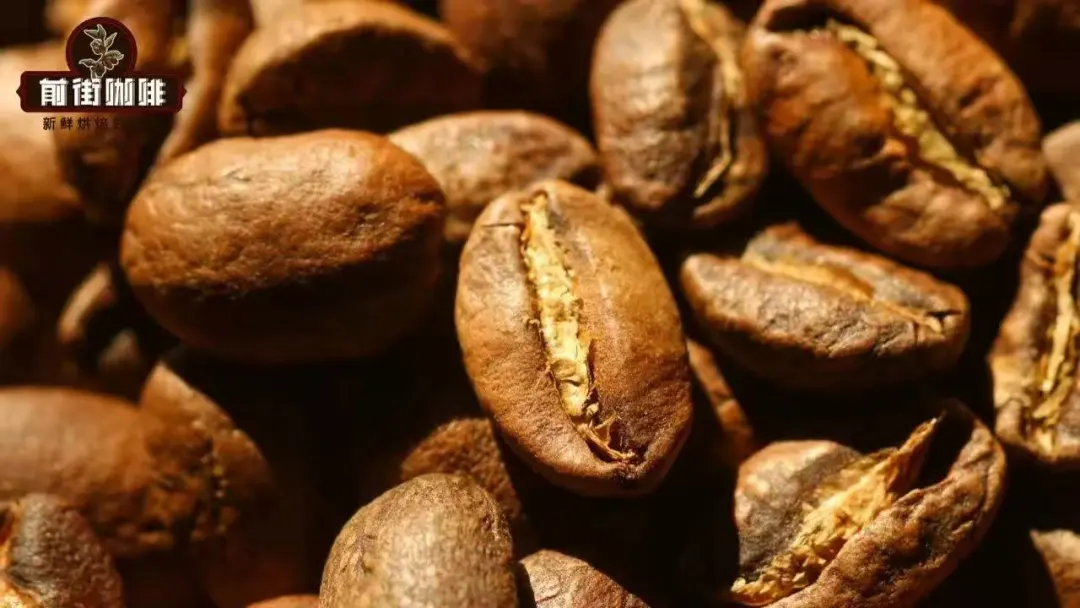
This Geisha is very interesting, because it undergoes deep fermentation during processing, and the brewed flavor is completely different from the Geisha in your impression, showing obvious notes of grapes, dried longan, floral, watermelon and red wine.
For another example, Front Street's bean list includes a Geisha blend from Costa Rica—Strawberry Candy, which uses raisin honey processing and presents flavors of strawberry, white floral, citrus and raisins in the cup.
Speaking of Geisha from other producing regions, one cannot fail to mention Front Street Peru · Cajamarca Geisha from Front Street's bean list. It is likewise of the Geisha variety and likewise washed, with the difference being that it is grown in Peru in South America, far from Panama in Central America, and the terroir difference is clearly discernible in the cup.
The flavor of Front Street Peru Cajamarca · Washed Geisha is somewhat similar to Panama's, both having white floral notes and citrus acidity, but the difference is that Peruvian Geisha also carries grapefruit, black tea, and a distinctive regional charm unique to Peru; by comparison, each has its own merits and a clear character.
At this point, many friends may think of Geisha from Ethiopia. Taking Front Street's bean list as an example, Ethiopian Geishas include Gesha Village Red Label Geisha and Gold Label Geisha. But these two lots differ from other Geishas—they are not the Panamanian T2722 variety, but two varieties similar to T2722 found in T2722's place of origin.
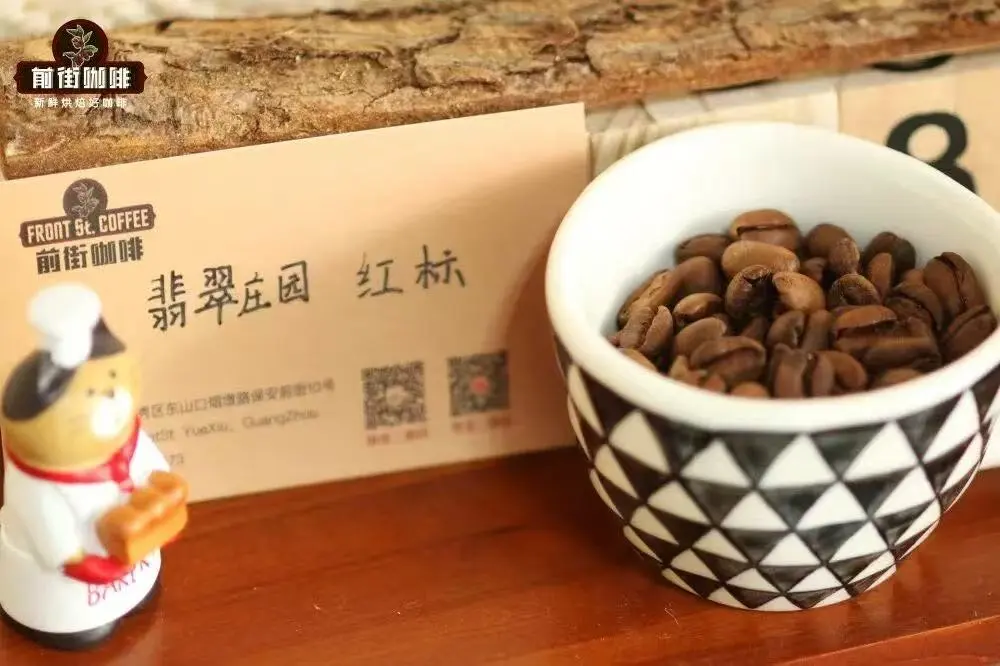
This is a topic Front Street often discusses: after Geisha rose to fame in 2004, many people returned to the forest where Geisha was discovered that year to look for Geisha, and Gesha Village owner Adam Overton was one of them.
Gori Geisha and Geisha 1931 are precisely two Geisha-like varieties that Adam Overton found in the Gori forest more than 100 kilometers from Gesha Village, and in the very forest where Geisha was discovered back then, and he named them by following the same naming approach used for Geisha at the time.
The Gesha Village Red Label Geisha in Front Street's bean list is of the Gori Geisha variety. But whether in appearance or flavor, it differs to some extent from Panamanian Geisha (T2722); put plainly, it is an Ethiopian heirloom coffee, or a distant relative of Panamanian Geisha. Therefore, the flavor it brews is mainly in the Ethiopian producing-region style, showing citrus, apricot, mango and pineapple.
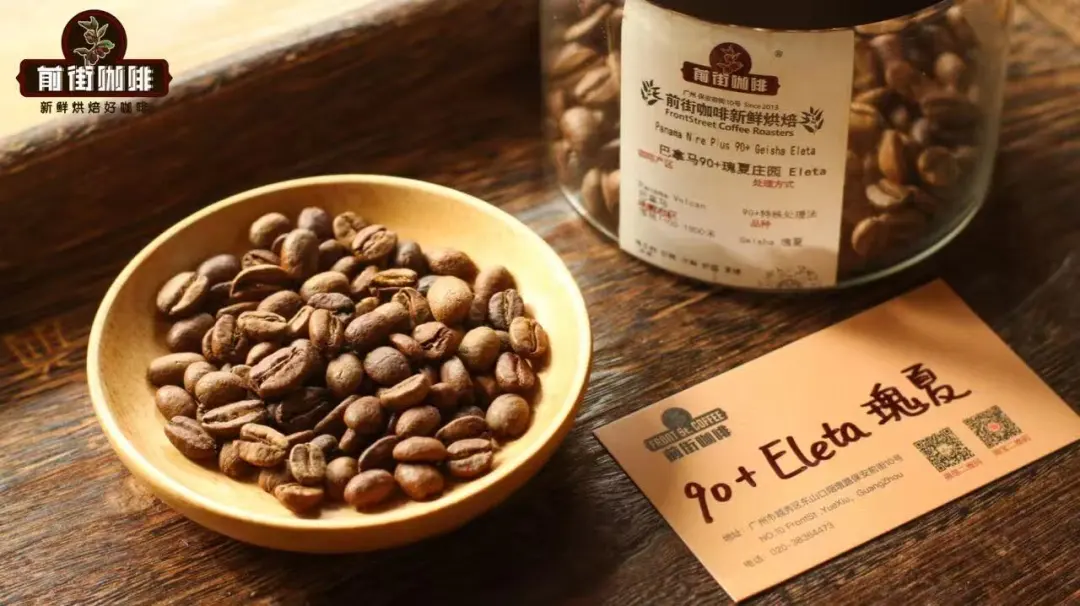
And the Gesha Village Gold Label Geisha in Front Street's bean list is of the "Geisha 1931" variety. Compared with Gori Geisha, Geisha 1931 is closer to Panamanian Geisha in both appearance and flavor, so the estate owner named it after the year Geisha was discovered—Geisha 1931.
As Front Street says, its flavor is relatively close to Panamanian Geisha, with white floral notes and citrus fruit charm, while also carrying Ethiopian producing-region flavors such as mango, pineapple and starfruit; its performance is quite good.
In addition, there are many other categories, and interested friends can go to Front Street's flagship store to learn more on their own. In summary, the differences between one Geisha and another lie at their core in variety, producing region, processing method and roasting. Everyone might as well, through comparative tasting, personally experience the influence brought by different factors.
- END -
The above content is compiled by CoffeeHunters, a coffee news website.


